
Watering
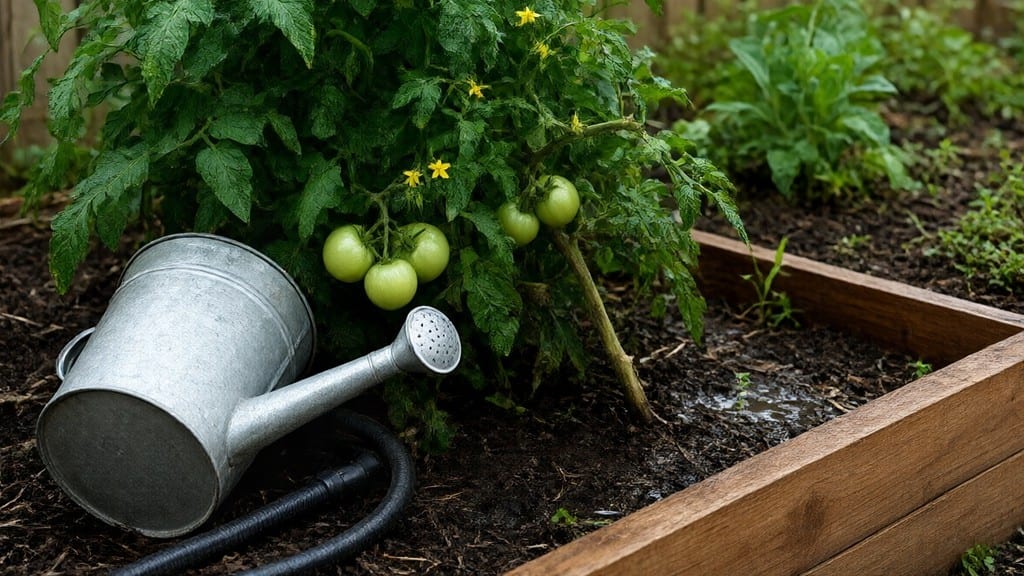
Smart vegetable garden watering isn’t about drowning roots or letting soil dry to dust—it’s about giving plants exactly what they need when they need it.
I’ve learned the hard way that inconsistent watering leads to bitter tomatoes, wilted greens, and fungal nightmares, but the right routine turns a struggling patch into a productive powerhouse. The key? Understanding how much, when, and how to water so every drop works for you instead of against you.
Most gardeners overcomplicate this, but the real secret is simple: deep, infrequent watering that encourages strong roots. A 1-inch-deep soak every 2-3 days (or daily in heatwaves) beats light sprinkles that only wet the surface.
Mulch keeps moisture locked in, and a morning watering routine prevents fungal spores from thriving overnight. Even my black thumb can’t mess this up once you get the rhythm.
You’ll notice the difference fast—plants stay turgid and vibrant, soil stays loose and crumbly, and you’ll spend less time fixing problems. Root crops like carrots and potatoes grow straighter, leafy greens stay crisp, and tomatoes burst with flavor.
The best part? You’ll cut water waste by 30-50% while keeping the garden lush. Ready to transform your watering game?
This works for any garden size, from raised beds to in-ground plots, and adapts to different climates. The only variable is your consistency—once you master the basics, your harvests will thank you. Let’s dive into the exact techniques that’ll keep your garden thriving all season.
📚 In This Guide
- What you need
- Instructions
- Tips and common mistakes
- Wrapping up and next steps
What you need
- ● Watering Can (5-10 gallons) – Ideal for precision watering, especially for seedlings or small gardens.
- ● Garden Hose (½-inch diameter, 25+ feet) – For larger areas or quick watering sessions.
- ● Soaker Hoses (10-50 feet) – Save water and time by delivering moisture directly to roots.
- ○ Drip Irrigation Kit (optional but recommended) – Efficient for consistent, low-waste watering.
- ● Watering Nozzle (adjustable spray or stream) – Helps control water pressure and coverage.
- ○ Rain Gauge (optional) – Track rainfall to avoid overwatering.
- ● Timer (for hoses or drip systems) – Automate watering schedules for convenience.
- ● Access to a water source – Garden hose connection or portable water container.
- ● Mulch (straw, wood chips, or compost) – Retains moisture and reduces evaporation.
- ● Garden Gloves & Kneeling Pad – Protect your hands and make watering more comfortable.
- ○ pH Test Kit (optional) – Ensure your water isn’t too acidic or alkaline for sensitive plants.
- ○ Water Storage Barrel (55+ gallons, optional) – Collect rainwater for eco-friendly irrigation.
Instructions for watering a vegetable garden with precision
Mastering water delivery transforms your garden from survival to thriving. Here's how to time, measure, and deliver moisture like a seasoned grower.
Determine Your Garden's Water Requirements by Plant Type
Vegetables fall into three broad categories: shallow-rooted (like lettuce), medium-rooted (tomatoes), and deep-rooted (carrots). Shallow-rooted crops need ½ to 1 inch of water weekly, while deep-rooted varieties require 1 to 1.5 inches. I group plants by type in my beds so I can tailor watering depth—no more guessing whether the carrots are getting enough.
Check soil moisture by hand before watering: stick your finger 1 inch deep for shallow roots or 3 inches deep for deep-rooted plants. If the soil feels dry at that depth, it's time to water. This simple test eliminates overwatering while ensuring roots access moisture where they need it most.
Water Deeply and Infrequently for Strong Root Growth
Shallow, frequent watering produces weak, shallow roots that struggle in dry spells. Instead, I water deeply 2-3 times per week, delivering enough to moisten the soil 6-12 inches deep. For most vegetable gardens, this means running the hose or soaker hose for 20-30 minutes per zone, depending on soil type.
Use a simple test: after watering, dig down 6 inches with a trowel. If the soil is evenly moist (not soggy, not dry), you've hit the mark. Sandy soils drain faster, so you may need to water more frequently, while clay holds moisture longer. Adjust based on what you observe—not a rigid schedule.
Water at the Right Time for Maximum Efficiency
Early morning between 6 and 10 AM is the gold standard for watering. This timing minimizes evaporation, reduces fungal diseases (like powdery mildew), and gives plants time to absorb moisture before the heat of the day. I set a timer on my irrigation system for 6 AM daily—consistency matters more than perfection.
Avoid watering in the evening, especially in humid climates. Damp foliage overnight creates the perfect conditions for fungal spores to take hold. If you must water later in the day, aim for 4 PM or later to allow leaves to dry before nightfall. Mulching with 2-3 inches of organic mulch (like straw or shredded leaves) helps retain moisture and reduces the need for frequent watering.
Adjust for Weather and Seasonal Changes
Summer heat demands 20-30% more water than spring or fall, while cooler seasons may only need ½ inch weekly. I keep a rain gauge in the garden to track natural precipitation—if we get 1 inch of rain in a week, I skip scheduled watering entirely. Drought conditions? Increase watering depth by 30-50% and monitor plants closely for wilting.
Watch for signs of stress: crispy leaf edges indicate underwatering, while yellowing leaves or mushrooms popping up in the soil signal overwatering. Container-grown vegetables dry out faster, so I check them daily in hot weather. Adjust your routine weekly based on what you see—not just the calendar.
Use the Right Tools for Even Distribution
A soaker hose or drip irrigation system delivers water directly to the root zone without wetting leaves, which is critical for disease prevention. I run my soaker hose along the base of plants, burying it 1 inch deep in the soil to prevent light exposure that can encourage algae growth. For small gardens, a watering wand with an adjustable nozzle gives me precise control over flow rate and pressure.
If you're using overhead sprinklers, water early in the day and aim for short, frequent sessions to prevent fungal issues. I avoid sprinklers entirely for leafy greens like lettuce and spinach—they splash soil onto leaves, inviting disease. Instead, I use a gentle spray nozzle to water the soil surface around these plants.
Tips & tricks for perfect vegetable garden watering
These precision watering strategies will help you cultivate a thriving garden with minimal waste and maximum efficiency.
Soil Moisture Test: The finger test in Step 1 is your most reliable indicator, but I've found that using a soil moisture meter adds another layer of accuracy, especially for deep-rooted plants. These tools measure moisture at precise depths, eliminating guesswork about whether your carrots are getting enough water at 3 inches down. For container gardens, I check moisture daily since they dry out much faster than in-ground beds.
Watering Depth Verification: After running your soaker hose for the recommended 20-30 minutes per zone in Step 2, I recommend digging down 6 inches with a trowel to verify even moisture distribution. This simple check reveals whether your water penetrated deeply enough—if the lower layers remain dry, extend your watering time by 5-10 minutes. Sandy soils often require this adjustment since they drain so quickly.
Seasonal Adjustment Strategy: The 20-30% increase for summer mentioned in Step 4 works well, but I track these adjustments with a simple garden journal. Note when you increase watering and observe plant responses—this creates a custom watering schedule tailored to your specific microclimate. For example, my garden in Zone 7 requires 30% more in July but only 10% in early June when temperatures are milder.
Tool Optimization: For the soaker hose mentioned in Step 5, I've found that adding a flow meter helps maintain consistent watering times across different zones. Without one, water pressure variations can make your 20-30 minute sessions uneven. Also consider using a timer with your irrigation system to automate the 6 AM daily watering, which saves time and ensures consistency—especially helpful for busy gardeners.
Pro Tips for Watering Vegetable Garden
- These precision watering strategies will help you cultivate a thriving garden with minimal waste and maximum efficiency.
- Soil Moisture Test: The finger test in Step 1 is your most reliable indicator, but I've found that using a soil moisture meter adds another layer of accuracy, especially for deep-rooted plants.
- Watering Depth Verification: After running your soaker hose for the recommended 20-30 minutes per zone in Step 2, I recommend digging down 6 inches with a trowel to verify even moisture distribution.
Frequently asked questions
Got questions about keeping your veggie patch happy and hydrated? You’re in the right place! Here are answers to the most common watering woes—plus a few pro tips to keep your garden thriving without the guesswork.
How often should I water my vegetable garden?
Most vegetables need 1 to 1.5 inches of water per week, including rainfall. Check soil moisture by sticking your finger 1-2 inches deep—if it’s dry, it’s time to water. Morning is best to reduce evaporation and fungal risks. Drought-tolerant crops like tomatoes and peppers may need more in extreme heat.
Is it better to water in the morning or evening?
Watering in the early morning (before 9 AM) is ideal—it minimizes evaporation, gives plants a full day to absorb moisture, and reduces disease risk. Evening watering can leave foliage damp overnight, inviting pests or fungal issues like powdery mildew. Pro tip: If you must water in the evening, aim for the soil, not the leaves!
Can I use rainwater or greywater for my vegetable garden?
Rainwater is chemical-free and ideal for plants, especially for leafy greens and herbs. Greywater (from sinks, showers, or washing machines) is also great if filtered to remove soap or salts. Avoid using water from dishwashers or laundry with harsh detergents—stick to biodegradable soaps only.
What do I do if my vegetable plants look wilted even after watering?
Wilting can mean overwatering, underwatering, or root stress. First, check the soil: If it’s soggy, you’re overdoing it (let it dry slightly between waterings). If dry, water deeply. Yellow leaves + wilting? It could be root rot—reduce watering and improve drainage. For sudden wilting, shade plants and water at the base to recover.
How can I save water while still keeping my garden healthy?
Try these tricks:
- Mulch like a pro: Spread 2-3 inches of organic mulch (straw, wood chips) to retain moisture and block weeds.
- Drip irrigation: Delivers water directly to roots, cutting waste by up to 50%.
- Group plants by need: Pair thirsty crops (like cucumbers) with low-maintenance ones (like beans) to simplify watering zones.
- Water deeply but less often: Encourages deep root growth and reduces frequent shallow watering.
Does the temperature affect how much I need to water?
Hot weather = more water. When temps hit 85°F+ (29°C+), vegetables may need water every 2-3 days (or daily for shallow-rooted crops like lettuce). Watch for signs: Drooping leaves, crispy edges, or soil pulling away from container walls. Adjust based on humidity—dry air speeds up evaporation!
Wrapping up and next steps
Mastering the art of watering your vegetable garden is the secret to lush, productive plants and a bountiful harvest.
By choosing the right tools, timing your watering sessions, and adapting to your garden’s unique needs, you’ll set the stage for thriving vegetables all season long. Don’t let uncertainty hold you back—start experimenting with these techniques today!
🌱 Your Next Step: Start Small & Observe
Begin with one or two beds and track how your plants respond. Keep a simple journal to note what works best—soil moisture levels, watering times, or even weather patterns. Before you know it, you’ll have a customized watering routine that makes your garden the envy of the neighborhood!