
Trees
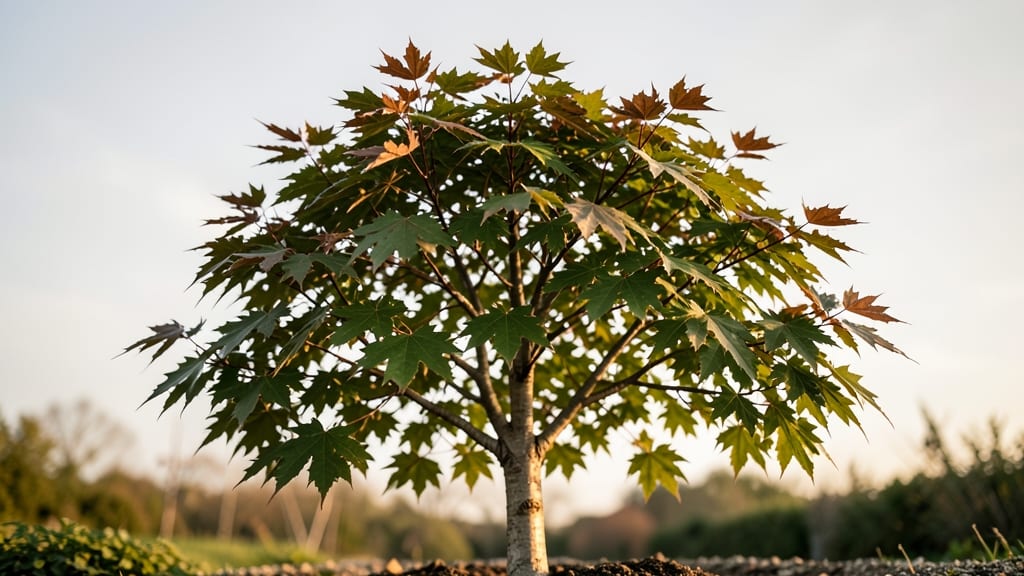
Maple trees are some of nature's most striking specimens, identifiable by their iconic 5-lobed leaves. These ten stunning varieties offer diverse colors, growth habits, and landscaping benefits—perfect for gardeners and nature enthusiasts alike.
Sugar Maple with Vibrant Autumn Foliage
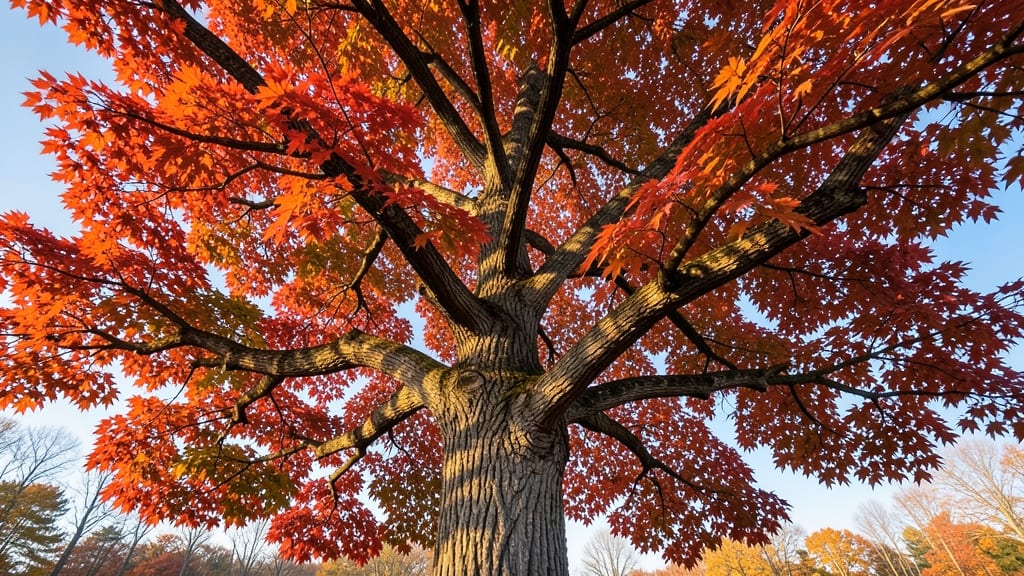
The sugar maple (Acer saccharum) isn’t just a tree—it’s a New England icon, celebrated for its brilliant red-orange autumn foliage and the sweet sap that fuels maple syrup traditions. This slow-growing giant transforms landscapes into fiery canvases each fall, making it a centerpiece for parks and rural estates.
To nurture one, plant in well-drained, slightly acidic soil with full sun (6+ hours daily). Water deeply during droughts, as sugar maples develop deep roots that thrive in moist but not waterlogged conditions. Bonus: Their sap is 2-3% sugar, perfect for homemade syrup—just tap in late winter when temps hover around freezing. 🌟
Perfect for gardeners who love year-round structure (even bare branches have charm) and those seeking a tree with cultural significance. Whether you’re tapping sap or admiring fall colors, this classic delivers. ✨
Norway Maple with Dense Canopy Growth
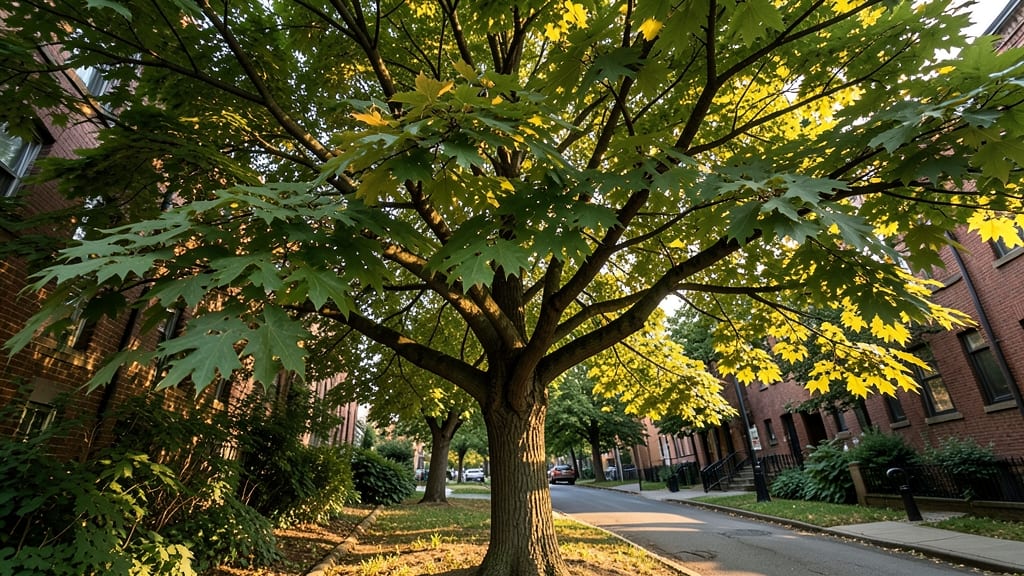
Looking to transform your urban yard into a lush, private retreat? The Norway maple delivers a fast-growing, dense canopy that blocks sunlight and noise within just a few years—ideal for city dwellers craving shade.
This hardy tree thrives in full sun to partial shade and tolerates a wide range of soil types, though its roots can spread aggressively. Plant at least 15 feet from foundations and consider installing a root barrier if nearby sidewalks or driveways are a concern. The glossy green leaves provide year-round coverage, making it a standout choice for streetscapes and small lots.
Urban gardeners and city planners will appreciate its low-maintenance nature and ability to suppress weeds beneath its thick canopy. Just be mindful of its invasive tendencies—this tree means business! 💪
Red Maple for Early Spring Color
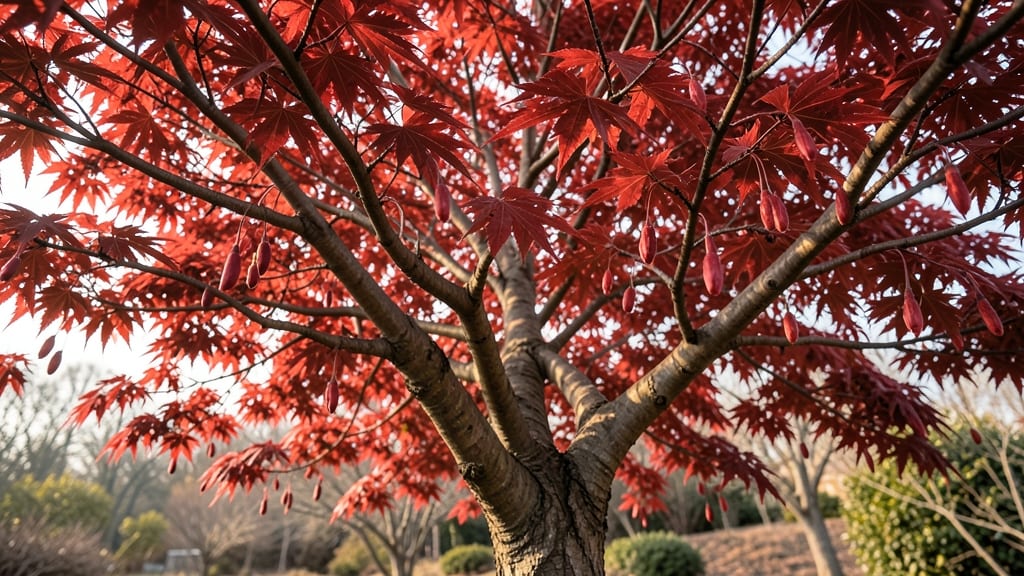
When your garden still feels dormant in early spring, the red maple (Acer rubrum) bursts onto the scene like a natural firework display. Its vibrant red foliage and striking red flower clusters appear before most other trees, creating a bold splash of color that lifts spirits and signals the season's renewal.
This adaptable tree thrives in full sun to partial shade and tolerates a wide range of soils, making it ideal for both urban and woodland settings. Plant it in moist, well-drained soil for optimal growth, and expect it to reach 40-60 feet tall with a spread of 30-40 feet. The red maple's early blooms also attract pollinators, giving your garden an early boost of wildlife activity.
Perfect for gardeners who want year-round interest, the red maple's foliage transitions to brilliant orange and red in fall, and its bark provides winter texture. It's especially valuable for landscapes needing quick seasonal impact. 🌟
Silver Maple with Unique Leaf Texture
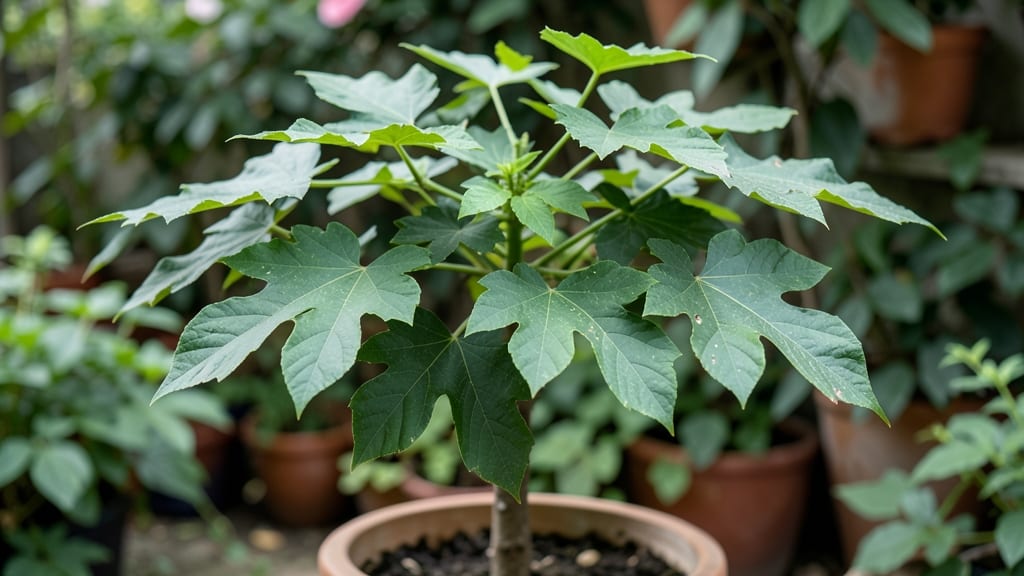
Looking for a maple tree that adds a magical shimmer to your landscape? The silver maple (Acer saccharinum) dazzles with its silvery undersides that catch the light like a mirror, creating a mesmerizing effect when breezes rustle the leaves.
This fast-growing tree thrives in wet soils—perfect for rain gardens, ponds, or low-lying areas where other maples struggle. It provides rapid shade, making it ideal for large properties, parks, or backyard privacy screens. Just plant it near a water source or in moist clay soil to see it flourish.
Landscape designers love it for its dramatic foliage and adaptability, while homeowners appreciate its low-maintenance nature. If you want a maple with year-round interest and a touch of whimsy, this is your tree. ✨
Japanese Maple for Ornamental Landscapes
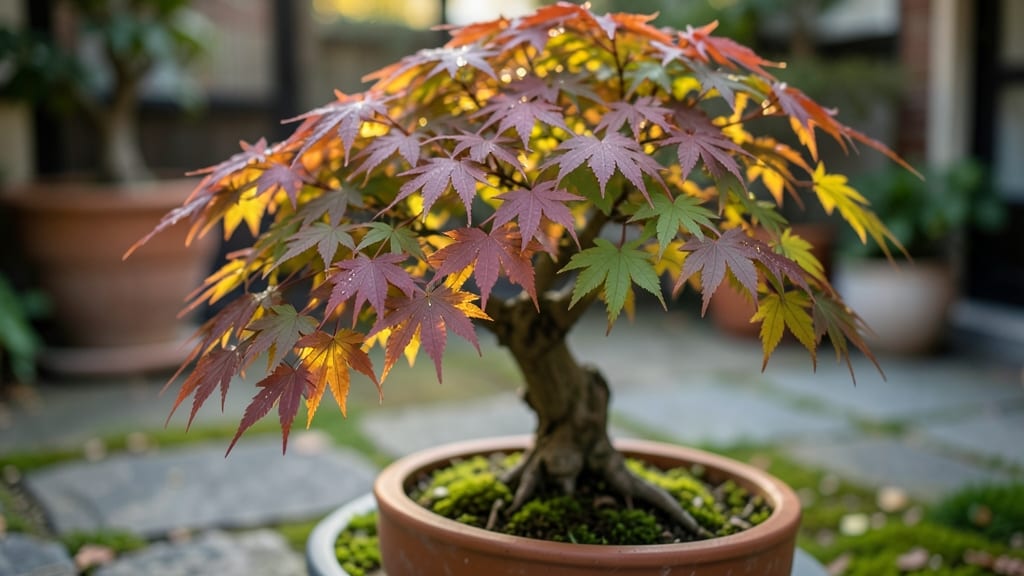
When you need to add dramatic color and texture to small gardens or containers, Japanese maple varieties deliver with their lace-like foliage and vibrant hues. Unlike their towering North American cousins, these dwarf cultivars thrive in tight spaces, making them ideal for bonsai enthusiasts or urban gardeners with limited room.
Look for varieties like 'Bloodgood' (deep purple-red) or 'Emperor I' (bright green with red stems) that stay under 6 feet tall while providing year-round interest. They prefer partial shade and well-draining, acidic soil—perfect for rock gardens or as focal points near patios. Prune lightly after flowering to maintain their delicate form, and watch as their leaves transform from spring greens to fiery autumn colors.
These trees are especially rewarding for gardeners who love low-maintenance beauty without sacrificing impact. Their slow growth means fewer pruning demands, while their striking foliage offers instant curb appeal in even the smallest spaces. 🌻
Black Maple with Dark Bark Appeal
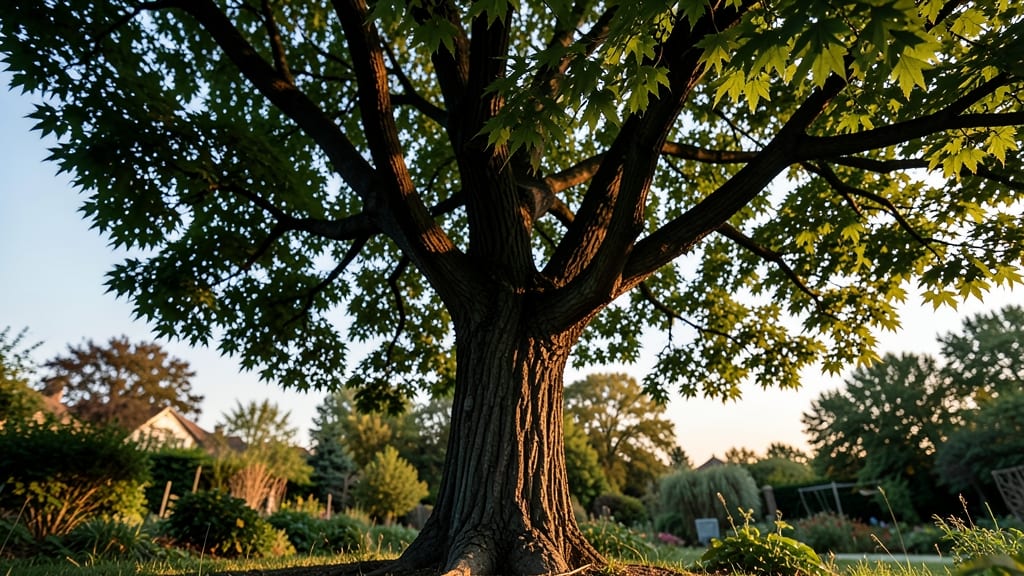
If you're looking for a maple tree that delivers drama beyond seasonal color changes, the black maple (Acer nigrum) is your answer. Its dark, almost black bark becomes more striking with age, creating a bold focal point in any landscape—especially when combined with its deep green, five-lobed leaves that stay vibrant year-round.
This tree thrives in moist, well-drained soils and partial shade, making it ideal for woodland gardens or as a specimen near ponds. Its dense canopy also provides excellent wildlife habitat, attracting birds and insects while offering year-round shelter. Unlike other maples, black maples produce small, inconspicuous flowers followed by samaras, but their real beauty lies in their textural contrast against lighter bark species.
Perfect for gardeners who want low-maintenance yet high-impact trees, black maples are especially stunning in winter when their dark bark stands out against snow. 🌟
Boxelder Maple for Fast-Growing Shade
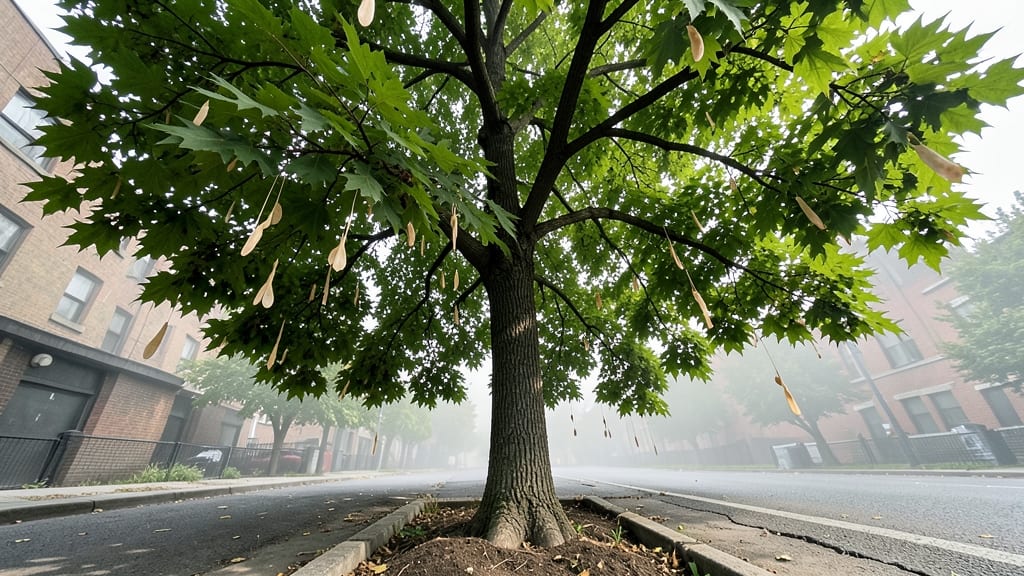
When you need fast shade without fuss, the boxelder maple delivers—growing up to 3 feet per year in ideal conditions. This adaptable tree thrives in urban settings, tolerating compacted soil, sidewalk cracks, and even pollution, making it a champion for city gardens.
Its winged samaras (those iconic helicopter seeds) are a bird magnet, while the tree’s 5-lobed leaves provide quick canopy coverage. Plant it in full sun to partial shade for best results, and watch it fill bare spots in just a few seasons. The trade-off? It’s less ornamental than other maples but more practical for quick shade solutions.
Perfect for urban gardeners or anyone needing fast results, this tree turns neglected spaces into lush canopies—while feeding local wildlife. 🌿
Amur Maple for Cold Climate Resilience
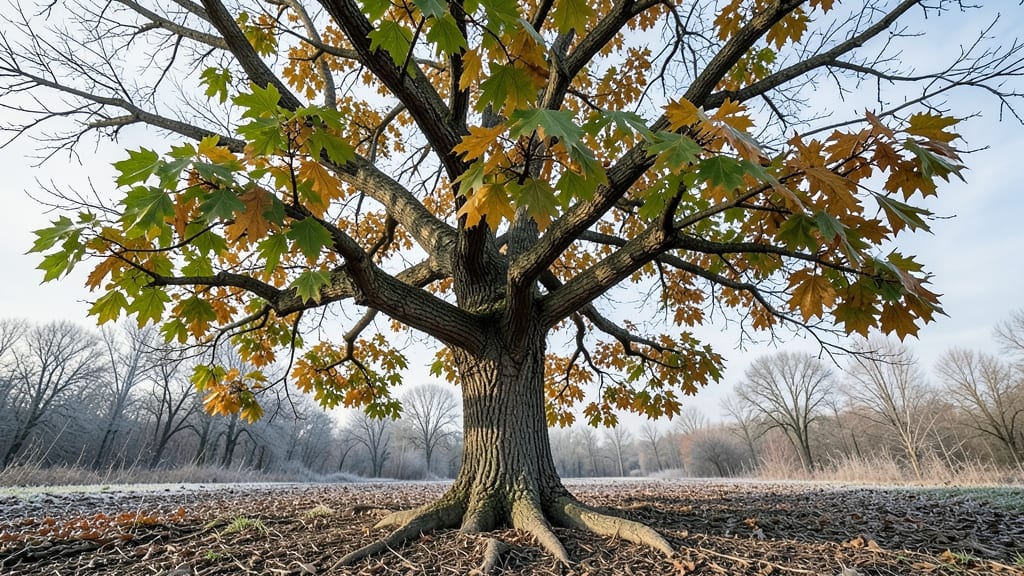
When your garden faces brutal winters and dry spells, the Amur maple (Acer ginnala) stands as a resilient champion. Unlike many maples that struggle in harsh climates, this species thrives in USDA zones 3-7, enduring temperatures as low as -40°F and drought conditions once established.
Its five-lobed leaves turn a fiery orange-red in fall, creating a dramatic contrast against snow. This adaptable tree grows 15-25 feet tall but stays narrow enough for small properties, making it ideal for urban lots or rural landscapes. Prune in late winter to shape its natural vase form, and watch it reward you with year-round interest—even its bark has subtle texture appeal.
Northern gardeners and drought-prone regions will love this low-maintenance workhorse that delivers color without fuss. 🌟
Bigleaf Maple with Large Striking Leaves
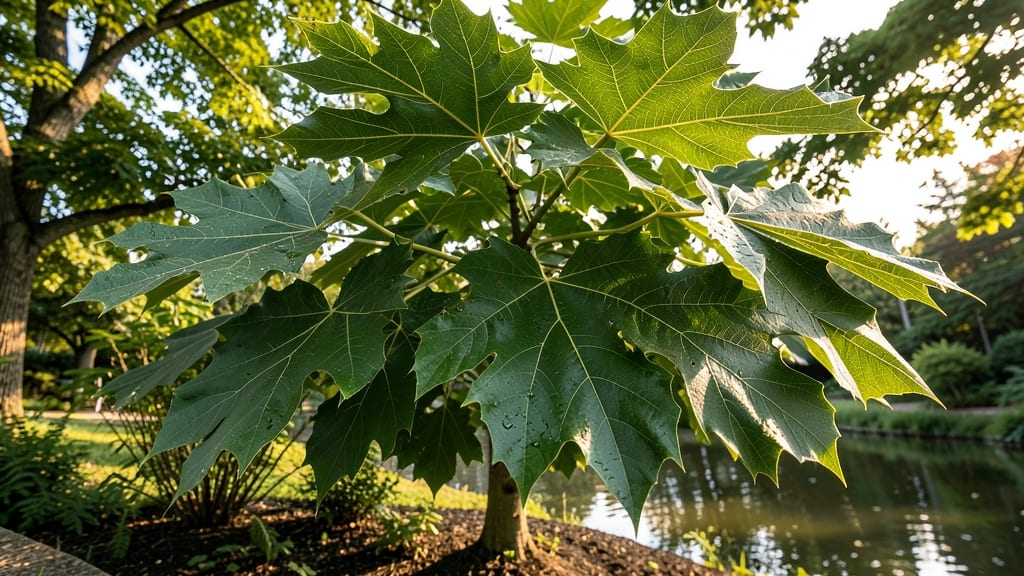
Looking for a maple tree that turns heads with its sheer leaf size? The bigleaf maple (Acer macrophyllum) delivers with leaves up to 12 inches wide—the largest of all maple species. These giants create a tropical vibe in landscapes, especially when planted near water features.
Thriving in moist, well-drained soils, this tree loves locations near streams, ponds, or rain gardens. It tolerates partial shade but prefers 6+ hours of sun for optimal leaf development. Prune in late winter to remove dead wood and shape its broad canopy, which can reach 40-60 feet tall.
The bigleaf maple’s dramatic foliage makes it a showstopper for gardeners with space for large trees or those creating waterside gardens. Its drought tolerance once established also makes it low-maintenance for the right location. 🌟
Trident Maple for Compact Gardens

If you’ve ever wished for a maple tree that stays small enough for patios or containers, the trident maple (Acer buergerianum) delivers with its signature three-lobed (or occasionally five-lobed) leaves and slow, controlled growth. Unlike its larger cousins, this tree matures at just 15–25 feet tall, making it perfect for urban gardens, balconies, or even as a striking focal point in small yards.
Thriving in USDA zones 6–9, the trident maple adapts to a range of soils but prefers well-drained conditions. Its sunlight needs are flexible—it tolerates full sun to partial shade, though vibrant fall colors (yellow, orange, or red) appear most vivid with at least 6 hours of sun. Prune lightly in late winter to shape its delicate branches, and watch as its unique foliage transforms into a seasonal spectacle.
This tree is a game-changer for small-space gardeners or those who love maples but lack room for towering specimens. Its compact size and striking leaves make it a standout choice for container culture or as a low-maintenance ornamental that adds year-round interest. 🌻