
Tools
Transforming steep slopes or tiny yards into lush gardens is easier than ever with tiered raised beds. These space-efficient designs maximize growing area while preventing soil erosion and improving accessibility—perfect for urban gardeners or hilly landscapes.
Staircase Tiered Garden with Built-In Seating
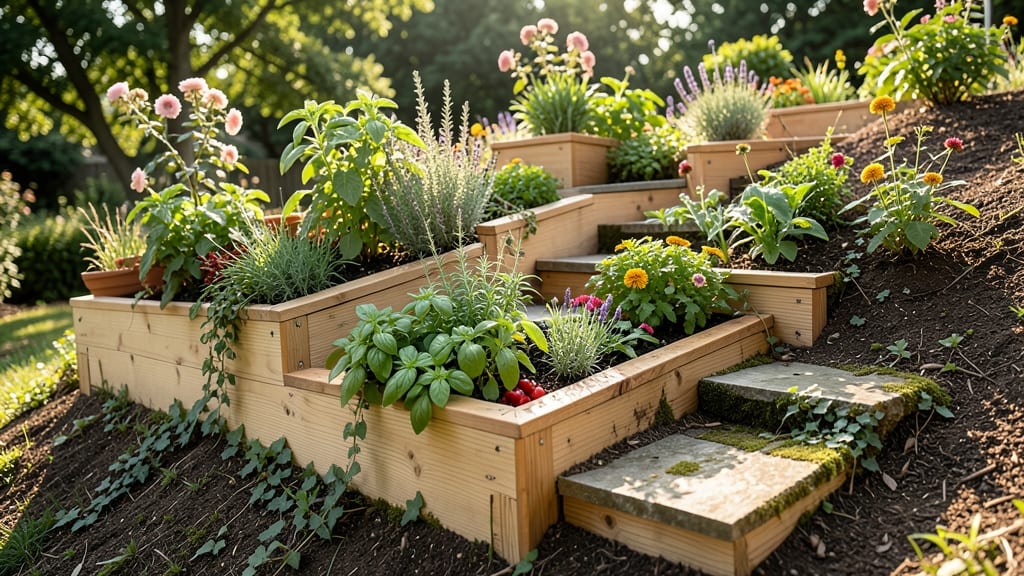
Turn your sloped backyard into a functional garden retreat with a staircase tiered garden that doubles as seating. This design transforms awkward terrain into a multi-level growing space where you can relax among your plants—ideal for entertaining while tending to your garden.
Build each tier with cedar or composite lumber (resistant to rot) and include built-in benches between levels. Plant drought-tolerant lavender on upper tiers for fragrance and herbs like thyme or rosemary on lower levels for easy harvesting while seated. Use stepping stones to connect tiers safely, and add trellises to upper edges for climbing plants like nasturtiums or morning glories.
This design is perfect for gardeners with limited flat space but a love for hosting—no more sacrificing seating for growing area. The tiered structure also prevents soil erosion while creating a visually stunning focal point. 🌻
Spiral Herb Garden with Central Pathway
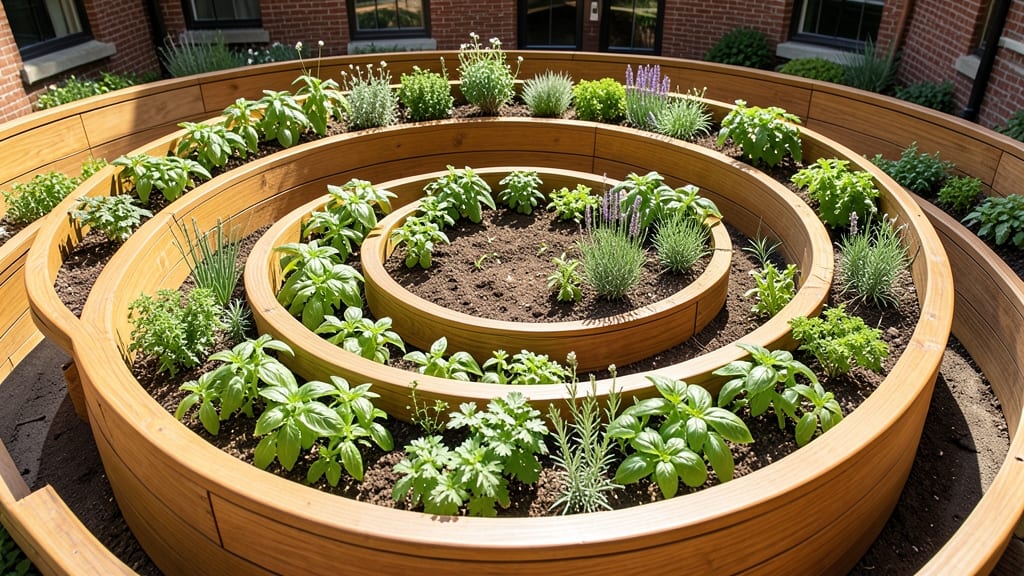
Turn your tiny urban courtyard into a fragrant kitchen garden with a spiral herb garden—a space-saving marvel that packs maximum growing area into a minimal footprint. This circular design eliminates wasted corners while keeping all your favorite herbs within arm's reach, perfect for balcony gardeners with limited square footage.
The key to this design is the central gravel pathway that winds through the spiral, giving you easy access to every plant without trampling your delicate herbs. Plant sun-loving rosemary and thyme along the outer edges where they'll get the most light, while shade-tolerant parsley or chives thrive in the inner curves. The spiral shape also creates microclimates—ideal for growing multiple varieties together.
Urban gardeners and small-space enthusiasts will love how this design transforms even the tiniest patch into a productive herb haven. Plus, the circular shape makes it a stunning focal point that's as beautiful as it is functional. 🌿
Modular Stackable Planter System for Balconies
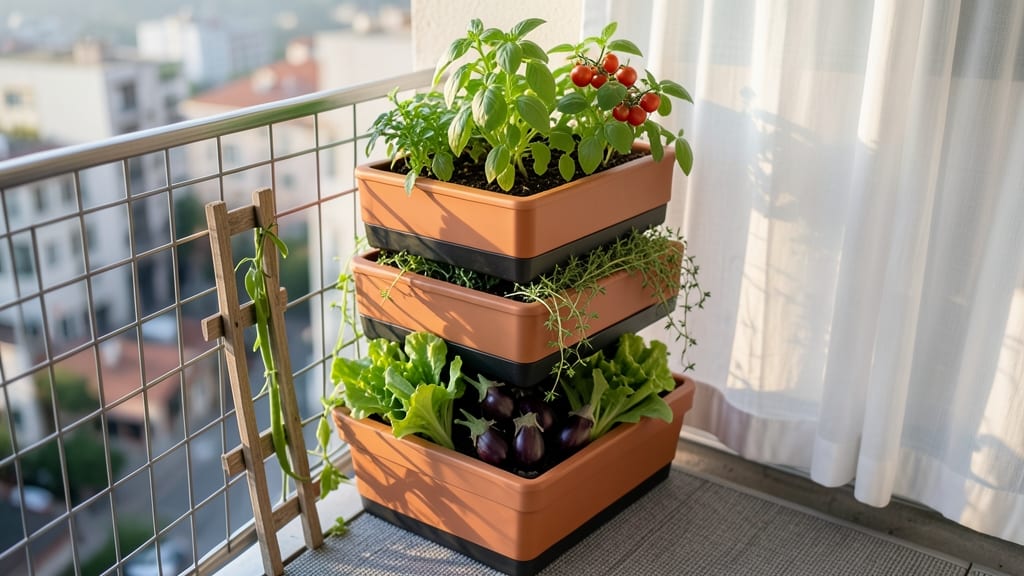
City dwellers with weight-restricted balconies or renters dreaming of a green thumb can finally say goodbye to "I don't have space" excuses. Modular stackable planters turn even the tiniest outdoor corner into a thriving vertical garden—without requiring heavy materials or permanent installations.
These lightweight, interlocking units snap together like building blocks, letting you customize height and shape to fit your railing or balcony edge. Opt for plastic or composite materials (under 10 lbs per unit) to avoid structural concerns, and choose shallow depths (6-8 inches) for leafy greens like lettuce or basil, while deeper tiers (12+ inches) work for cherry tomatoes or strawberries.
Renters and urban gardeners will love how these systems expand vertically without permanent modifications—just stack, plant, and enjoy. Perfect for growing herbs, salad greens, or compact veggies year-round. 🌱
Retaining Wall Garden with Native Wildflowers
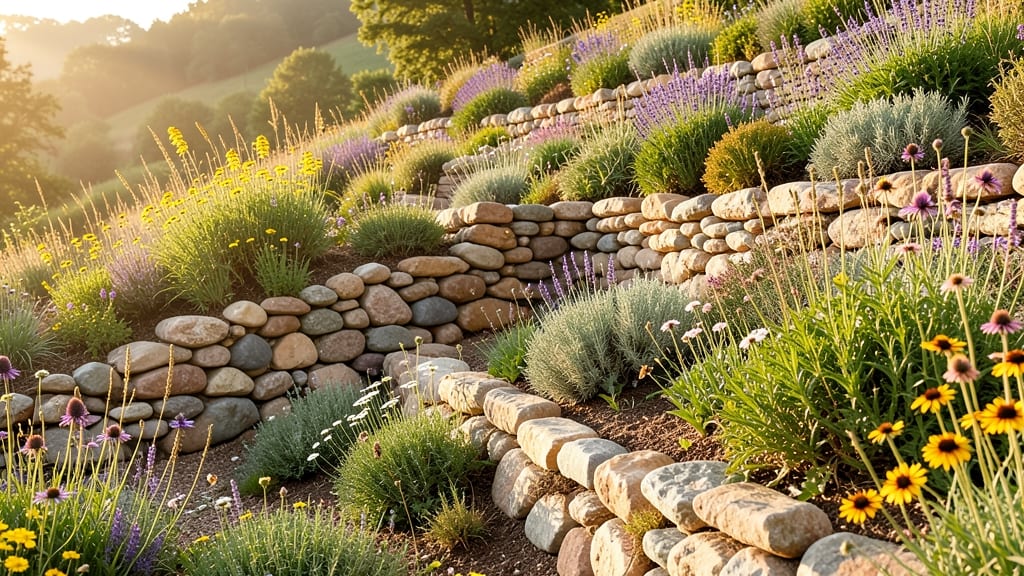
Turn your erosion-prone hillside into a thriving pollinator paradise with a retaining wall garden filled with native wildflowers. This eco-friendly design doesn’t just look beautiful—it actively stabilizes soil while supporting bees, butterflies, and beneficial insects.
Use locally sourced stones or bricks to create terraced levels, then plant drought-tolerant species like purple coneflower and black-eyed Susan, which thrive in full sun and require minimal water once established. The deep roots of these wildflowers bind soil, reducing runoff while creating a low-maintenance landscape. For best results, space plants 12-18 inches apart and mulch with wood chips to retain moisture.
This design is perfect for eco-conscious gardeners or those with sloped properties who want to reduce erosion naturally. Plus, the vibrant blooms will keep your garden buzzing with life all season long. 🌻
Vertical Pallet Wood Tiered Planters
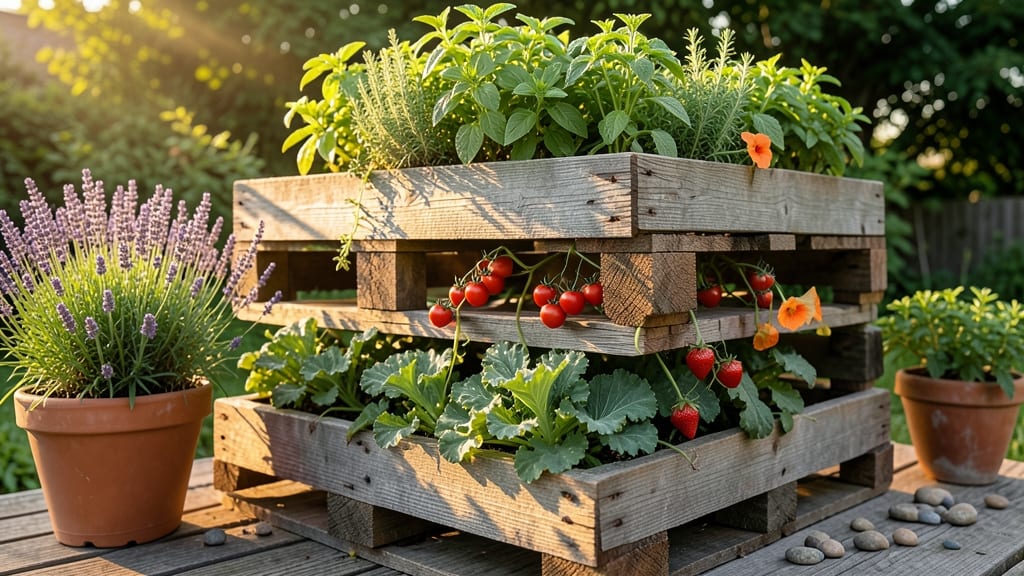
Skip the store-bought planters and create a rustic, budget-friendly vertical garden using repurposed pallet wood. This DIY project transforms discarded materials into a three-tiered growing system that maximizes space without breaking the bank—ideal for small balconies or sun-drenched patios.
Start by sanding and treating pallets to remove splinters and prevent rot. Stack them vertically, securing with screws or brackets, then line the bottom tier with landscape fabric to contain soil. Plant fast-growing vegetables like lettuce or strawberries in the top tiers (they get more sun) and marigolds or basil in lower levels for shade-tolerant blooms. Hang your planter from a sturdy railing or mount it on a wall for a striking vertical display.
This project is perfect for creative DIYers who love upcycling—no advanced skills needed, just a little elbow grease. Plus, the weathered wood adds instant charm to any garden. 🌿
Underground Bunker-Style Tiered Beds
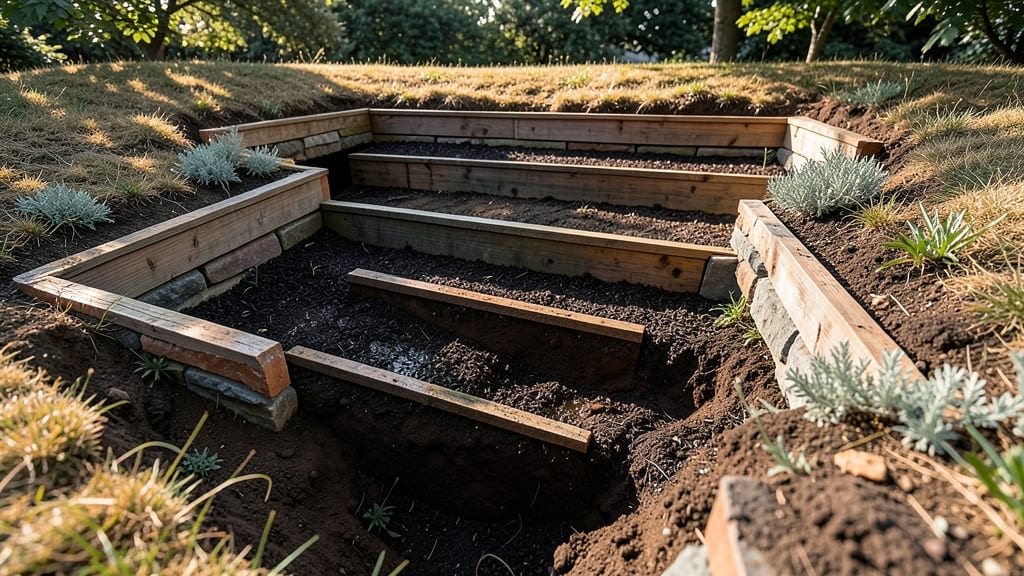
If your garden battles poor drainage or scorching summer heat, underground bunker-style tiered beds could be your solution. This sunken design naturally conserves moisture by shielding soil from evaporation while keeping roots cooler—ideal for hot climates or areas where traditional raised beds fail.
Construct tiers using cedar or stone to create a sunken frame, then fill with a mix of compost and native soil. Plant drought-tolerant greens like Swiss chard or kale in the lower tiers, where they’ll thrive with less watering, while shade-loving herbs can occupy the upper edges. The design also reduces weed pressure by keeping soil contained and cooler.
Gardeners in arid regions or those with heavy clay soil will appreciate how this method cuts water use by up to 50% while protecting plants from extreme temperatures. Perfect for both beginners and eco-conscious growers! 💚
Cascading Waterfall Planter with Fish Pond
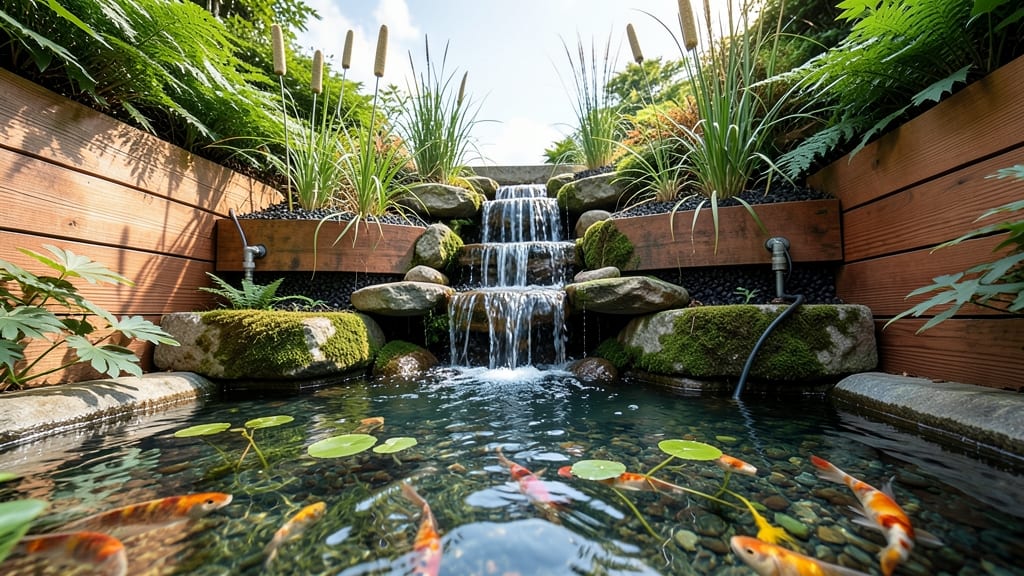
Transform your garden into a tranquil oasis with a cascading waterfall planter that seamlessly integrates hydroponic growing and a miniature fish pond. This self-sustaining design not only adds visual drama but also creates a thriving ecosystem where aquatic plants and fish coexist harmoniously.
Start with a multi-tiered bamboo or stone planter that channels water gently down into a shallow pond (12-18 inches deep). Plant oxygenating plants like water hyacinth in the pond to keep fish healthy, while surrounding tiers grow hostas, ferns, or water-loving herbs like mint or lemon balm. Add a small pump to maintain flow, and stock the pond with hardy fish like goldfish or koi that thrive in cool, well-oxygenated water.
This design is perfect for gardeners who want to blend functionality with beauty—ideal for serene backyard retreats or wildlife-friendly landscapes. The soothing sound of water and the movement of fish create a meditative atmosphere while supporting a closed-loop ecosystem that requires minimal maintenance. ✨
Hillside Keyhole Garden with Compost Core
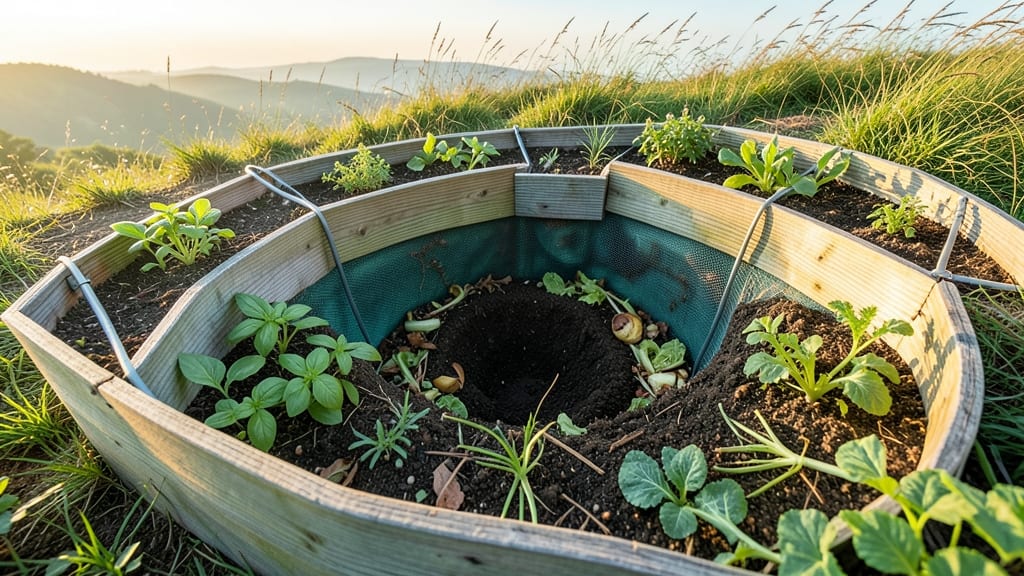
Turn your steep hillside into a thriving, self-sustaining garden with a keyhole design that eliminates the need for external fertilizers. This innovative tiered bed features a central compost core where kitchen scraps and yard waste decompose, feeding your plants year-round—perfect for gardeners with abundant organic waste but limited flat space.
Build the circular bed with stacked stones or logs to create tiers, leaving a compost basket at the center. Surround it with deep-rooted crops like sweet potatoes and okra, which thrive in the nutrient-rich soil. The open center allows easy access for adding compost while preventing soil compaction. For best results, plant drought-tolerant varieties like peppers or eggplant on the outer edges where they get more sunlight.
This design is ideal for off-grid gardeners or those with steep terrain—no tilling, no hauling soil, just a zero-waste system that turns kitchen waste into plant food. The tiered structure also prevents erosion while creating a stunning, handcrafted garden feature. 🌱
Mini Greenhouse Tiered Planters with Polycarbonate Roof
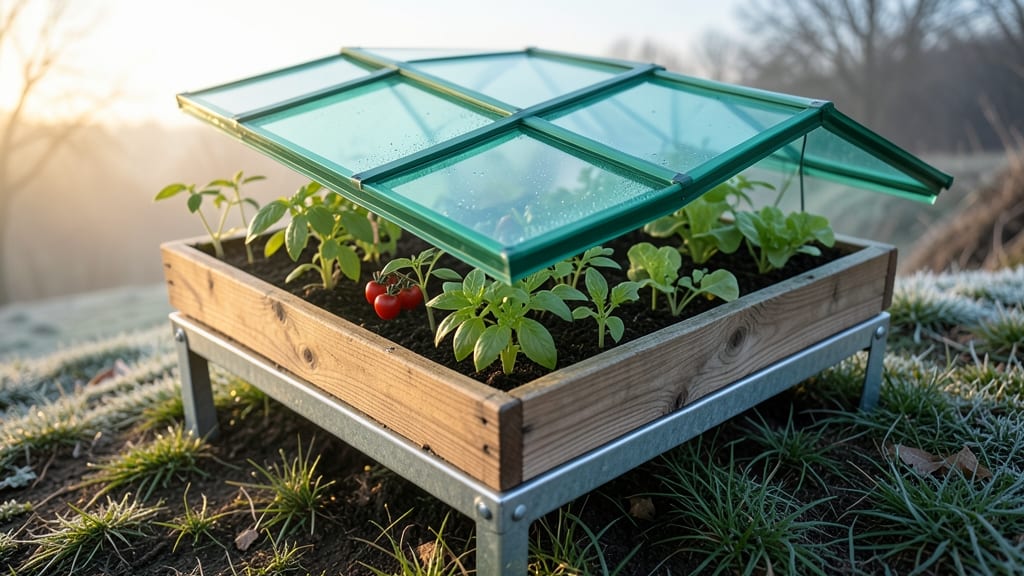
Frosty mornings shouldn’t mean the end of your gardening dreams. A mini greenhouse tiered planter with a polycarbonate roof creates a cozy microclimate where heat escapes slowly, protecting delicate plants from late frosts and early freezes. This design is perfect for gardeners in USDA Zones 3-5 who want to start seedlings or grow heat-loving veggies like peppers and tomatoes weeks before the last frost date.
Start with a three-tiered wooden frame (cedar or pressure-treated lumber) filled with well-draining soil mix. The polycarbonate roof (rated for UV resistance) traps warmth during the day and releases it slowly at night, raising soil temperatures by 5-10°F. Plant fast-maturing crops like basil, lettuce, or radishes in the top tier (most exposed to light) and heat-loving peppers or eggplants in the lower tiers where warmth lingers longer. Add a small vent or open the roof slightly on warm days to prevent overheating.
This setup is ideal for small-space gardeners in cold climates who want to extend their growing season without investing in a full greenhouse. The tiered design also maximizes vertical space, making it perfect for patios or balconies where square footage is limited. 💡
Hanging Tiered Pocket Planters for Walls

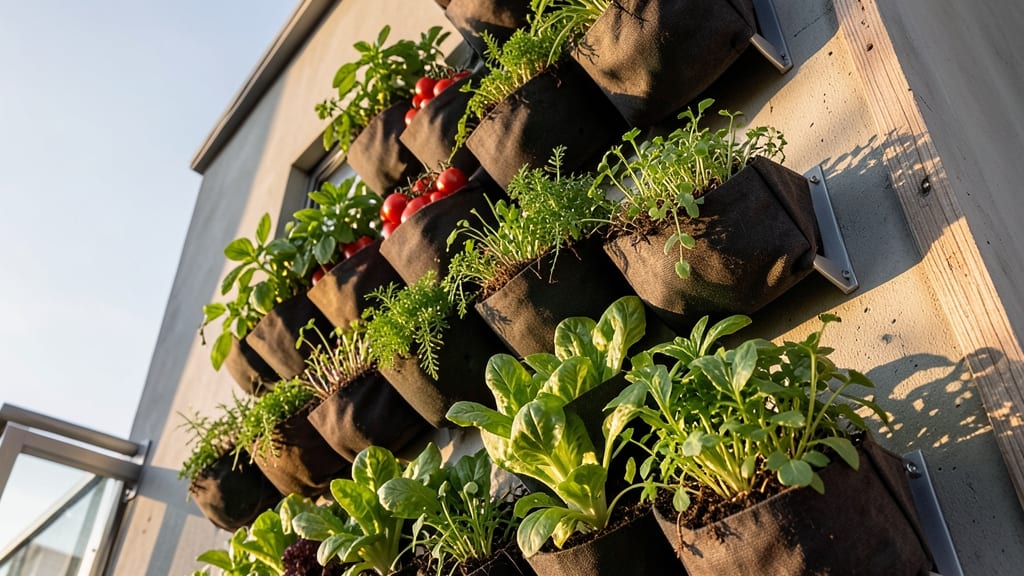
Transform bare walls into a living edible garden with hanging tiered pocket planters—the ultimate space-saving solution for urban balconies and city apartments. These fabric pockets create a geometric, colorful display while growing fresh herbs, lettuce, or even cherry tomatoes right outside your kitchen window.
Choose breathable, UV-resistant fabric pockets (like felt or burlap) that hold moisture while preventing root rot. Plant fast-growing greens like basil or spinach in shallow pockets, while deeper ones (6+ inches) work for tomatoes or strawberries. Hang them in a sunny, sheltered spot (6+ hours of light) and water from below to keep leaves dry. For a pollinator-friendly touch, add nasturtiums or marigolds to deter pests naturally.
This design is perfect for urban gardeners with limited space but big dreams—no soil prep, no heavy lifting, just instant greenery. Plus, the cascading plants create a stunning visual that turns walls into a harvestable art piece. 🌿