
Pests
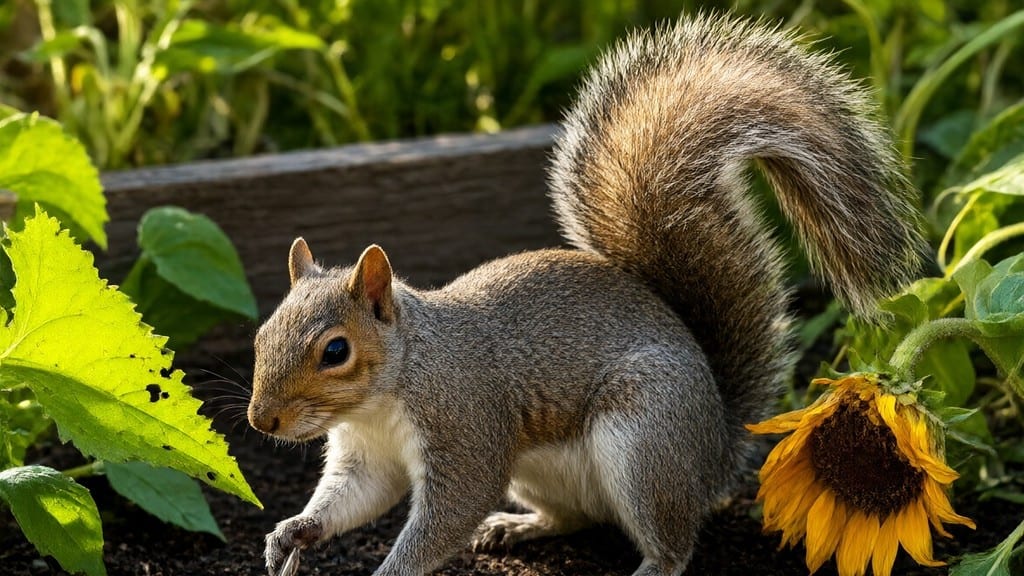
A squirrel prevention garden isn’t just about saving your seeds—it’s about reclaiming your yard from these clever thieves. 🌱 I’ve lost entire plantings to them, but these natural barriers actually work, and they don’t involve traps or cruel methods.
The key is combining plants squirrels hate with physical deterrents that make your garden feel like a no-go zone.
Squirrels avoid certain smells and textures, like strong herbs (mint, garlic, or lavender) or prickly plants (thistle, holly). Pair those with motion-activated sprinklers or chicken wire wrapped around young plants, and you’ve got a multi-layered defense.
It’s not about scaring them away—it’s about making your garden less appealing than the woods next door.
By next spring, you’ll see the difference: no dug-up bulbs, no chewed seedlings, and no frantic races to cover newly planted seeds. The best part? These methods work for years without harming wildlife or breaking the bank. Let’s build a squirrel-proof haven your plants will actually thank you for.
Whether you’re protecting a raised bed, vegetable patch, or flower borders, these strategies adapt to any space. The secret is consistency—squirrels learn quickly, so combine a few tricks at once. Here’s how to make it happen without turning your yard into a fortress.
What Lures Squirrels Into Gardens
Squirrels aren’t just adorable forest dwellers—they’re highly motivated foragers with an uncanny ability to turn your garden into their personal buffet. Understanding why they invade your outdoor space is the first step to creating an effective squirrel prevention garden.
Their behavior isn’t random; it’s driven by biology, survival instincts, and environmental cues. Let’s break down the key reasons these bushy-tailed intruders keep crashing your garden party.
Squirrels are omnivorous opportunists, and their diet shifts with the seasons. In nature, they rely on nuts, seeds, fruits, fungi, and even insects—but when food becomes scarce (like in late winter or early spring), they’ll raid gardens, bird feeders, and compost piles for easy calories.
Urban and suburban gardens are particularly tempting because they offer concentrated, high-energy food sources that require minimal effort to access.
- Nuts and seeds: Acorns, walnuts, sunflower seeds, and even birdseed are squirrel magnets. A single squirrel can cache thousands of seeds in a season, and if your garden has trees or planted crops, they’ll treat it like an all-you-can-eat salad bar. 🥜
- Fruits and vegetables: Squirrels love tender young shoots, bulbs (like tulips or daffodils), and ripe produce such as tomatoes, peppers, and berries. They’ll dig, chew, or climb to get to them—often leaving your hard work in shreds. 🍅
- Protein boosts: Bird eggs and nestlings are a high-protein treat, which is why squirrels will raid bird feeders or even dig up newly planted bulbs (they’re surprisingly rich in nutrients).
Actionable insight: If your garden has any of these food sources, squirrels will see it as an invitation. The more abundant and accessible the food, the more persistent they’ll become. Squirrel-proofing starts with removing their incentives.
Squirrels are habitat generalists, meaning they thrive in both wild and human-modified environments. Unfortunately for gardeners, suburban and urban areas often provide perfect conditions for squirrel colonization:
- Shelter: Dense shrubs, overgrown vines, and even your roof or attic offer protection from predators (like owls or coyotes) and the elements. A squirrel that can nest near your garden will treat it like a 24/7 dining hall. 🏠
- Water sources: Birdbaths, pet bowls, and leaky hoses give them hydration without risk. Squirrels are not picky—they’ll drink from anything, even puddles or dew-collecting leaves. 💦
- Lack of natural predators: In the wild, squirrels face threats from snakes, hawks, and larger mammals. But in a backyard, these predators are often absent, allowing squirrel populations to explode unchecked.
Scientific note: Studies show that squirrels in urban areas have higher reproductive success due to abundant food and shelter. They also learn quickly—if one squirrel finds a reliable food source, others will follow its lead through social learning (yes, they gossip).
Actionable insight: A squirrel-proof garden isn’t just about deterrents—it’s about designing your space to be inhospitable. Trim dense shrubs away from your garden’s edges, secure water sources, and eliminate hiding spots like woodpiles or clutter.
Squirrels are highly intelligent—some studies rank them among the smartest rodents, with problem-solving skills rivaling primates. They observe, adapt, and innovate to overcome obstacles, which makes traditional deterrents (like scarecrows or wind chimes) temporarily effective at best.
- Tool use: Some squirrel species (like gray squirrels) use leaves or sticks to pry open bird feeders or dig up buried nuts. They’ve even been seen dropping walnuts on roads to crack them open with passing cars! 🚗💥
- Memory: Squirrels have exceptional spatial memory, remembering thousands of food caches for months. If they find your garden’s hidden treasures (like buried bulbs or seed packets), they’ll return again and again.
- Social learning: Squirrels teach each other where food is located. A single successful raid can trigger a group effort to exploit your garden’s resources.
Actionable insight: Since squirrels are clever, deterrents must be multi-layered and unpredictable. For example, combining physical barriers (like wire mesh) with dynamic solutions (like rotating food sources) keeps them guessing. They’ll eventually give up if the effort isn’t worth the reward!
Squirrel activity isn’t constant—it peaks during specific times when their natural food supplies dwindle or their energy needs spike. Knowing these patterns helps you predict and prevent invasions:
| Season | Why Squirrels Raid Gardens | Targeted Food Sources |
|---|---|---|
| Late Winter/Early Spring | Natural food (like acorns or fungi) is scarce; squirrels rely on cached food or garden resources. | Stored nuts, birdseed, bulbs (tulips, daffodils), and early sprouts. |
| Spring/Summer | High energy demand for breeding and raising young; they seek protein and easy calories. | Bird eggs/nestlings, fruits (tomatoes, berries), and tender vegetables. |
| Fall | Nut-gathering frenzy for winter caching; they’ll strip gardens of seeds and nuts. | Sunflower seeds, corn, peanuts, and any exposed nuts on trees. |
Actionable insight: Timing is everything. If you know squirrels are most active in spring (due to breeding) or fall (nut-caching), you can preemptively reinforce barriers during these high-risk periods.
Practical fixes for a squirrel-free garden
Squirrels may be adorable, but when they invade your garden, they can wreak havoc on plants, dig up bulbs, and even chew through wiring or young trees. The good news? With the right strategies, you can create a squirrel-proof haven without resorting to harsh chemicals or expensive traps.
Below, we’ll break down targeted solutions based on the most common squirrel behaviors and garden vulnerabilities—plus prevention tips to keep them out long-term.
Squirrels are agile climbers and diggers, so sealing off their entry routes is your first line of defense.
🔥 Stop Them from Climbing Trees
- Install tree guards: Wrap the trunk of young trees (up to 6 feet high) with hardware cloth (1/4-inch mesh) or plastic tree collars.
Squirrels can’t chew through metal, and plastic deters them from gnawing. - Use slick coatings: Apply petroleum jelly, vinegar, or commercial repellents (like Squirrel Stop) to tree trunks.
The sticky, foul-smelling barrier makes climbing uncomfortable. - Prune strategically: Trim branches so they don’t overhang roofs, decks, or fences—this removes their "highway" to your garden.
🏗️ Seal Gaps in Fences & Structures
- Patch holes in wooden fences with wire mesh (1/2-inch or smaller) or plywood.
- Check attics and sheds: Squirrels often nest in lofts or crawl spaces.
Seal gaps with steel wool + caulk or hardware cloth—they can’t chew through either. - Add an overhang: Extend the roof of sheds or playhouses 12+ inches outward to prevent squirrels from jumping down onto structures.
> 💡 Pro Tip: If you have bird feeders, place them at least 10 feet from trees and use squirrel-proof feeders with metal cages or weight-sensitive perches.
Squirrels love bulbs, fruits, and tender shoots. Here’s how to safeguard your harvest.
🍅 Guard Against Digging & Chewing
- Cover bulbs with wire mesh: Before planting tulips, daffodils, or garlic, wrap them in 1/4-inch hardware cloth and bury it 6 inches deep.
Squirrels can’t dig through it! - Use repellent sprays: Mix hot pepper wax (1 tbsp cayenne + 1 cup wax) or garlic spray (blended garlic + water + dish soap) and spray around plants.
The strong scent deters them. - Elevate crops: Grow tomatoes, peppers, or strawberries in hanging baskets, raised beds, or upside-down planters—squirrels can’t reach them easily.
🍎 Save Your Fruit Trees
- Net young trees: Drape fine mesh netting (like fruit tree netting) over apple, pear, or cherry trees before harvest season.
- Harvest early: Pick fruits as soon as they ripen—squirrels are less likely to target overripe or fallen fruit.
- Try decoy plants: Plant bitter melon or castor beans near fruit trees—their toxic leaves repel squirrels naturally.
> ✨ Bonus Hack: Sprinkle coffee grounds around vulnerable plants. The strong smell masks the scent of your crops, confusing squirrels.
Squirrels invade gardens for food, water, and shelter. Eliminate these incentives to discourage them.
🚫 Eliminate Food Sources
- Clean up fallen fruit/nuts: Rake up walnuts, acorns, or dropped apples daily—they’re a squirrel buffet!
- Secure trash cans: Use bungee cords or locks to keep lids shut.
Squirrels will raid unsecured compost bins too. - Avoid feeding birds near your garden: If you must feed birds, use squirrel-proof feeders or place them far from plants.
🪓 Remove Nesting Materials
- Trim dense shrubs: Squirrels nest in thick, low-hanging branches. Keep bushes pruned and sparse.
- Store firewood away: Piles of wood near your house invite squirrels.
Keep them elevated and covered. - Check for nests in autumn: Before winter, inspect attics, chimneys, and eaves—remove nests with gloves and a dust mask (wear them!).
> 🎯 Long-Term Prevention: If squirrels keep returning, consider planting squirrel-deterrent flora like daffodils, alliums, or lavender—their strong scents and toxicity repel them.
If squirrels are already nesting or digging, scare tactics can work—temporarily.
🔊 Noise & Motion Deterrents
- Wind chimes or pinwheels: Hang noisy decorations near problem areas—squirrels dislike unpredictable sounds.
- Motion-activated sprinklers: Devices like the ScareCrow spray water when they detect movement (harmless but annoying for squirrels).
- Reflective tape: Wrap streams of reflective tape around trees or fences—the flashes startle them.
👃 Smell-Based Repellents
- Predator urine: Soak cotton balls in fox or coyote urine (available at garden stores) and place them near entry points.
- Essential oils: Mix peppermint, eucalyptus, or citronella oil with water in a spray bottle and reapply every 2-3 days.
- Capsaicin spray: Spray hot sauce or cayenne pepper solution on tree trunks (avoid plants you eat!).
> 🌡️ Heat Tip: Squirrels dislike heat. Place old CDs or aluminum pie pans near problem spots—they reflect sunlight and create hot zones.
For persistent squirrel problems, permanent barriers are the most effective.
🏗️ Hardware Cloth & Mesh Solutions
- Wrap tree trunks: Use 1/4-inch hardware cloth (not chicken wire—squirrels can chew through it!) and secure with zip ties.
- Cover garden beds: Lay wire mesh over vegetable beds and weigh it down with rocks or bricks.
- Block burrow entrances: If squirrels dig holes, fill them with wire mesh baskets or concrete (but check local laws first).
🌿 Alternative Barriers
- Thorny plants: Border your garden with roses, pyracantha, or barberry—squirrels avoid prickly obstacles.
- Electric fencing (low voltage): A single strand of electric wire (like for livestock) can deter them without harm.
> ⚠️ Warning: Avoid poison or traps unless absolutely necessary. Many states regulate live traps, and poison can harm pets, wildlife, or children.
To keep squirrels out for good, make these habits part of your routine: ✅ Inspect your garden weekly for new entry points or damage. ✅ Store pet food and birdseed in metal containers (not cardboard). ✅ Trim tree branches that overhang roofs or decks twice a year. ✅ Reapply repellents every 2-4 weeks (or after rain). ✅ Encourage natural predators: Install owl boxes or bat houses—they love squirrels!
By combining physical barriers, scent deterrents, and habitat modifications, you can create a squirrel-proof garden that thrives without the chaos. Start with one or two fixes, monitor their effectiveness, and scale up as needed. Soon, you’ll enjoy a peaceful, pest-free outdoor space—without the acrobatic nuisances! 🐿️🚫🌿
Frequently asked questions
What are the most effective natural squirrel repellents for gardens?
Plant daffodils, alliums, or lavender—their strong scents deter squirrels naturally. You can also use peppermint oil spray (mix 10 drops oil with 1 cup water) or sprinkle coffee grounds around vulnerable plants. These methods are chemical-free and safe for pets.
How do I keep squirrels from climbing my fruit trees?
Wrap tree trunks with hardware cloth (1/4-inch mesh) up to 6 feet high—squirrels can’t chew through metal. For younger trees, use plastic tree guards or apply petroleum jelly to the trunk (reapply after rain). Prune branches that overhang roofs or fences too.
Why do squirrels dig up my bulbs even after planting?
Squirrels dig for tender roots and nutrients in bulbs like tulips or daffodils. To stop them, wrap bulbs in 1/4-inch hardware cloth before planting and bury it 6 inches deep. Alternatively, plant squirrel-deterrent flowers (like daffodils) nearby—their toxicity repels them.
Are motion-activated sprinklers humane for squirrel control?
Yes! Devices like ScareCrow sprinklers spray a harmless burst of water when they detect movement—annoying for squirrels but completely safe. Place them near entry points or problem areas (like tree bases). They’re more effective than static deterrents because squirrels learn to avoid unpredictable triggers.
Can I use predator urine to scare squirrels away?
Soak cotton balls in fox or coyote urine (available at garden stores) and place them near squirrel hotspots. The scent mimics natural predators, making squirrels feel threatened. Reapply every 2-4 weeks or after rain for best results.