
Tools
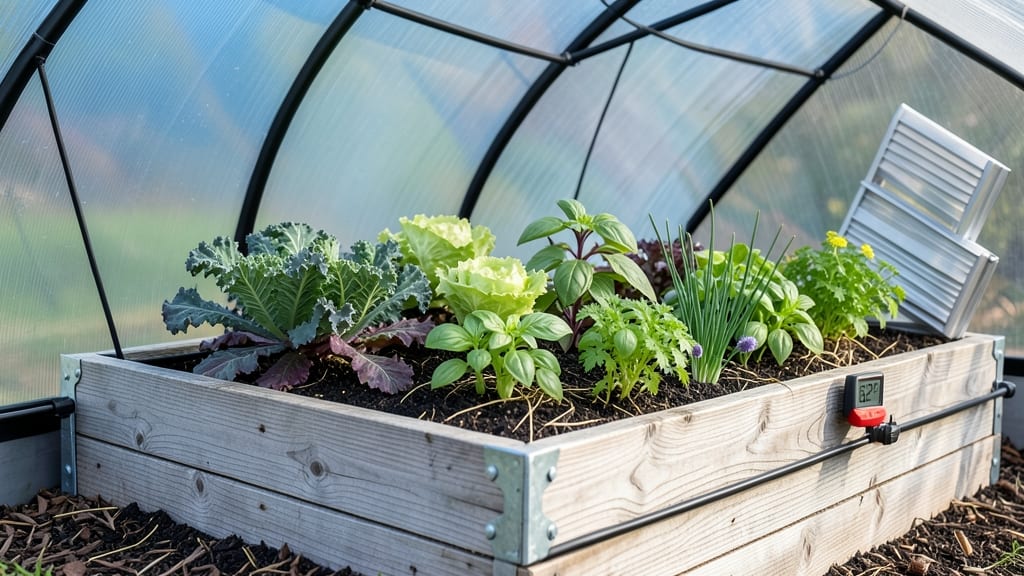
A raised garden bed greenhouse turns your winter into a harvest season. 🌱 I built mine after watching my tomatoes bolt in October—and now I grow fresh greens in January. The secret? Combining raised beds' drainage with a greenhouse's climate control to shield plants from frost, pests, and erratic weather.
Start with a sturdy frame (metal or wood) and clear polycarbonate panels that let light in while trapping heat. My 4×8-foot setup fits two raised beds perfectly, and the sloped roof sheds snow without collapsing.
You’ll need a thermometer to monitor temps—aim for 50-70°F for most veggies—and a simple ventilation system (like a roof vent) to prevent overheating.
By spring, you’ll harvest 30-50% more than in open beds, thanks to extended seasons and pest protection. Lettuce stays crisp, tomatoes ripen faster, and herbs thrive without bolting. The bed’s elevated design also keeps roots warm, even on cold mornings.
Budget-friendly options include repurposed windows for sides or a DIY floor from pallets. Just avoid cheap plastic—it yellows fast and won’t last past a few winters. For $500-$1,500, you can build a system that pays for itself in one growing season.
📚 In This Guide
- What you need
- Instructions
- Tips and common mistakes
- Wrapping up and next steps
What you need
- ● Raised Garden Bed Frame: 4–6 untreated cedar, redwood, or composite lumber boards (2x6x8 ft or 2x8x10 ft)
- ● Wood screws (2.5"–3" galvanized, 16–20 per board)
- ● Corner brackets or L-brackets (4–6, depending on size)
- ● Greenhouse Structure: PVC pipes (½" or ¾" diameter, 10–15 ft total for hoops)
- ● Greenhouse plastic sheeting (6–10 mil thickness, 10x12 ft or larger)
- ● Zip ties (100–200, heavy-duty for securing plastic)
- ● Base & Drainage: Landscape fabric (5x10 ft sheet) or hardware cloth (for pest control)
- ● Gravel or small rocks (5–10 lbs for drainage layer)
- ● Soil & Plants: High-quality potting mix or garden soil (2–3 cubic feet per bed)
- ● Compost (1–2 bags for nutrient boost)
- ● Measuring tape
- ● Drill & drill bits
- ● Saw (hand saw or circular saw)
- ● Level (to ensure even bed placement)
- ● Staple gun (for securing landscape fabric)
- ● Scissors or utility knife (for cutting plastic)
- ● Thermometer/hygrometer (for climate monitoring)
- ● Ventilation kit (automatic or manual vents)
- ● Shade cloth (30–50% coverage for summer protection)
- ● Drip irrigation system (for hands-free watering)
- ● Solar-powered lights (for extended growing seasons)
Step-by-step instructions for building a raised garden bed greenhouse
Here's how I turn a simple raised bed into a climate-controlled growing space that extends seasons—no fancy tools required.
🪴 Step 1: Select and Prepare the Raised Bed Foundation
Choose a 4-foot by 8-foot raised bed with at least 12-inch-high walls for proper greenhouse airflow and root depth. I always use untreated cedar or redwood because they resist rot naturally. Place the bed on a level, weed-free base—uneven ground leads to poor drainage and structural stress.
Before assembling, check for sharp edges or splinters and sand them down. The bed should sit 6-12 inches above ground level to prevent burrowing pests and improve drainage. If using pre-cut lumber, pre-drill holes for screws to avoid splitting the wood during assembly.
☀️ Step 2: Install a Transparent Covering System
For the greenhouse effect, cover the bed with clear 6mm polycarbonate panels or UV-resistant greenhouse plastic—both trap heat while allowing light through. I secure 12-inch-wide panels along the long sides using J-channel aluminum trim and staple guns for a tight seal.
Leave the north side open (if in the Northern Hemisphere) for ventilation and easy access. Add zippered vents at the top of the south side to regulate temperature. On cold nights, close vents completely, and on warm days, prop them open to prevent overheating above 85°F.
💧 Step 3: Set Up Climate Control and Irrigation
Install a drip irrigation system with soaker hoses along the bed’s perimeter to keep soil moist without disturbing roots. I use a timer set to water for 15 minutes every morning—this mimics natural rainfall and prevents fungal issues from overhead watering.
For temperature control, add a small fan on a thermostat set to activate when temps exceed 75°F. Place it near the open end to circulate air without creating drafts. A thermometer mounted inside ensures you never exceed 90°F, which can scorch plants.
🌱 Step 4: Plant for Seasonal Success
Start with cold-hardy crops like kale, spinach, and lettuce in early spring or late fall. These thrive in 40-50°F temperatures, perfect for unheated greenhouses. When nighttime temps drop below 35°F, add a floating row cover over the bed for extra insulation.
For summer growing, switch to heat-tolerant varieties like Swiss chard, bush beans, and okra. Water deeply every other day—the greenhouse soil dries out faster than open beds. Monitor humidity; if condensation forms on the panels, crack a vent to prevent mold.
✂️ Step 5: Maintain and Adjust Through the Seasons
Clean the panels monthly with a mild vinegar solution (1:3 ratio) to remove dust and algae. A dirty surface blocks 20-30% of light, slowing growth. In winter, add black plastic mulch on the bed’s surface to absorb heat during the day and release it at night.
Rotate crops every 2-3 years to prevent soil depletion. I keep a planting calendar noting which crops grew best in each season—this helps me adjust irrigation and shading needs year after year. With these adjustments, your greenhouse bed will stay productive from early spring to late fall.
Tips & tricks for perfect raised garden bed greenhouses
These small adjustments make all the difference between a functional greenhouse and one that truly extends your growing season.
Material Selection: Untreated cedar or redwood is non-negotiable for the bed frame—these woods resist rot naturally, but if you must use pine, apply a food-safe sealant and inspect annually. For the covering, polycarbonate panels last 5-7 years while plastic needs replacing every 2-3 years. I've found that 6mm panels provide the best balance of durability and light transmission.
Ventilation Strategy: The north side opening is critical for airflow, but don't forget to add adjustable vents at both the top and bottom of the south side. I install zippered vents that can be partially opened to create cross-ventilation—this prevents heat buildup while still trapping warmth. On days when temps approach 85°F, I keep vents open at least 6 inches to maintain that perfect growing range.
Irrigation Timing: That 15-minute morning watering is perfect, but here's the thing: set your timer for 10 minutes before sunrise. This gives the soil time to absorb moisture before the day's heat evaporates it. For summer crops, I increase to 20 minutes but split it into two 10-minute sessions—morning and late afternoon—to prevent fungal issues.
Temperature Monitoring: Never rely on feel alone—mount that thermometer where plants can't reach it, ideally near the center of the bed. I've seen temps spike to 95°F on sunny afternoons even when it feels comfortable outside. When temps exceed 75°F, activate your fan immediately to prevent heat stress on plants. A small USB-powered fan works perfectly for this purpose.
Pro Tips for Raised Garden Bed Greenhouse
- These small adjustments make all the difference between a functional greenhouse and one that truly extends your growing season.
- Material Selection: Untreated cedar or redwood is non-negotiable for the bed frame—these woods resist rot naturally, but if you must use pine, apply a food-safe sealant and inspect annually.
- Ventilation Strategy: The north side opening is critical for airflow, but don't forget to add adjustable vents at both the top and bottom of the south side.
Frequently asked questions
Got questions about maximizing your raised garden bed greenhouse?
You’re not alone! Here are answers to the most common concerns—from setup to seasonal growing—so you can dive in with confidence.
What’s the ideal temperature range for a raised garden bed greenhouse?
Aim for 50–85°F (10–29°C) during the day and 40–50°F (4–10°C) at night. Use shade cloth (30–50%) in summer to prevent overheating, and consider a small fan or vent for airflow. Most cold-hardy crops thrive in these ranges, but tropical plants may need extra heat mats or row covers in cooler months.
When is the best time to start planting in a greenhouse?
Start 4–6 weeks before your last frost date for cool-season crops (like lettuce or spinach) and 2–3 weeks early for warm-season veggies (tomatoes, peppers). Greenhouses extend the season, but avoid planting too soon—soil should warm to at least 50°F (10°C) for germination. Use seed-starting trays indoors if your greenhouse isn’t warm enough yet!
Are there budget-friendly alternatives to a full greenhouse setup?
Try a low-cost hoop house with PVC pipes and plastic sheeting (<$100), or repurpose a large plastic storage bin with a clear lid. For raised beds, add a floating row cover or cloches (glass jars) to trap heat. Even a DIY cold frame (wood + plexiglass) can work for small spaces.
How do I keep pests and diseases out of my greenhouse?
Prevent issues with proper airflow (open vents daily) and sterilized soil (bake or solarize before planting). Use beneficial insects (like ladybugs) for pests, and rotate crops yearly. Avoid overwatering—keep soil moist but not soggy. A 10% hydrogen peroxide spray (1 tbsp/gallon) can also deter fungal diseases naturally.
Can I grow vegetables year-round in a raised bed greenhouse?
With the right setup, yes! Focus on cold-hardy crops (kale, carrots, radishes) in winter and heat-loving plants (peppers, basil) in summer. Use grow lights for short winter days and insulated walls to retain heat. However, some plants (like tomatoes) need 12+ hours of light)—supplement with LEDs if needed.
Wrapping up and next steps
A raised garden bed greenhouse is your ticket to year-round growing success—no matter the weather!
With climate-controlled protection, extended seasons, and customizable growing conditions, you’re not just gardening; you’re revolutionizing your harvest. 🌱 Whether you're a seasoned gardener or just starting, this setup makes fresh produce, herbs, and flowers accessible all year.
Ready to take the next step? Start by sketching your design, gathering materials, and building your dream greenhouse garden bed. Your future self—and your taste buds—will thank you! 🚀