
Container Gardens
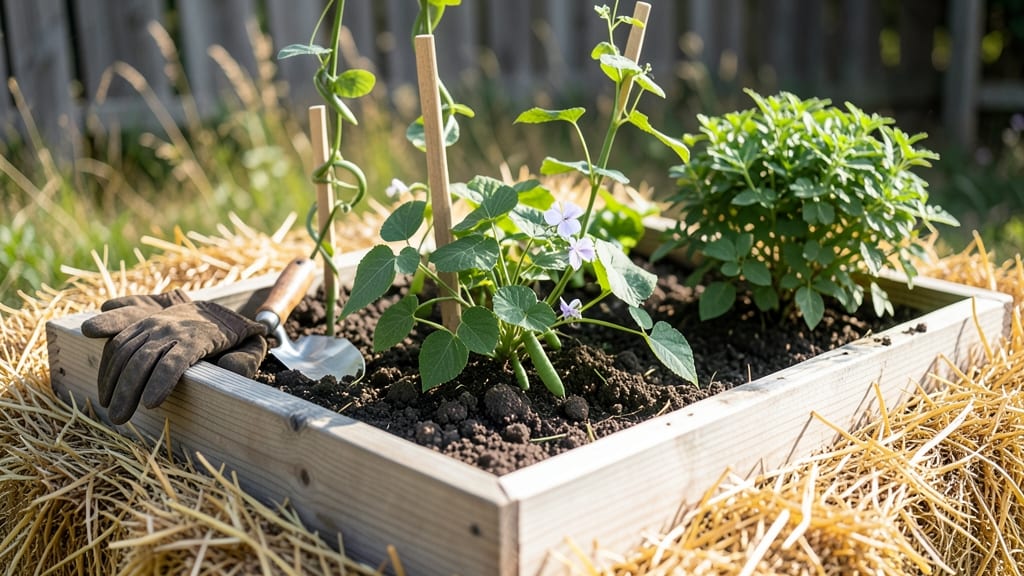
A raised garden bed for green beans turns even a tiny backyard into a pole-bean powerhouse. 🌱 Last summer, my 4x8-foot cedar bed produced enough beans to feed my family for months—no sprawling vines, no wasted space, just vertical growth that stays tidy and productive.
The key is pairing the right bed dimensions with a sturdy trellis system that keeps beans climbing while maximizing every square inch.
You’ll need untreated cedar or composite lumber for longevity, a trellis (I use powder-coated metal posts with twine), and a soil mix that drains well but holds moisture—think 60% compost, 30% garden soil, and 10% perlite.
The bed should be at least 12 inches deep to accommodate bean roots, and wider than 3 feet so you can reach the center without stepping in. My setup cost under $150 and took a weekend to assemble, but the payoff was beans that stayed disease-free and easy to harvest.
By mid-July, your trellis will be a lush green tunnel of beans, their pods forming right at arm’s height—no more bending over. The raised edges keep weeds out, and the elevated soil warms faster in spring, giving you a head start on the season.
Plus, companion plants like radishes or lettuce thrive in the shade of the beans, making the most of your space.
Works for balconies, patios, or backyards—just scale the bed size to your needs. The only mistake I made? Skipping the trellis the first year. Trust me, your back (and your beans) will thank you for the support. Ready to grow?
📚 In This Guide
- What you need
- Instructions
- Tips and common mistakes
- Wrapping up and next steps
What you need
- ● Raised garden bed frame: Dimensions: 4’ x 8’ x 12” deep (or custom size for smaller spaces; minimum 12" depth for root growth).
- ● Material: Untreated wood (cedar, redwood, or pine), composite lumber, or galvanized metal.
- ● Garden fabric or landscape cloth: 1 square yard (to block weeds and retain moisture).
- ● High-quality potting soil or garden mix: 2–3 cubic feet (look for 50% compost or a vegetable-specific blend).
- ● Green bean seeds: Bush varieties: 1 oz (plant 4–6 seeds per foot of bed length).
- ● Pole varieties: 1 oz (plant 3–4 seeds per foot; trellis required).
- ● Trellis or support system (for pole beans): Option 1: Tall bamboo stakes (6–8 ft) or galvanized metal posts (2–3 stakes per bed).
- ● Option 2: Wire trellis kit (pre-attached to bed frame) or string/netting (sturdy twine or ¼” mesh netting).
- ● Compost or organic fertilizer: 1 cup per 4 sq ft (balanced 10-10-10 or bean-specific fertilizer).
- ○ Watering can or hose with gentle nozzle (drip irrigation is optional but ideal).
- ● Measuring tape and level (to ensure even bed placement).
- ● Drill or screws (for assembling the frame; 2.5” deck screws recommended).
- ● Garden gloves and knee pads (trust us, your knees will thank you!).
- ● Pruners or scissors (for trimming trellis supports or harvesting).
- ● Rake or shovel (to prep the ground before placing the bed).
- ● Drip irrigation kit (automates watering and saves time).
- ● Mulch (straw or wood chips): 1–2 inches (retains moisture and suppresses weeds).
- ● Row covers or shade cloth (protects from pests or hot sun in peak summer).
- ● Soil moisture meter (keeps you from over- or under-watering).
- ● Bean-specific companion plants (e.g., basil, marigolds, or radishes to deter pests).
Step-by-step guide to building a raised bed for trellis-supported green beans
Here’s how to create the perfect raised bed for climbing green beans—compact, productive, and easy to maintain.
🪴 Step 1: Choose and Assemble the Raised Bed Frame
Start with a 4-foot by 8-foot frame (or smaller if space is tight) using untreated cedar or redwood lumber—these woods resist rot naturally. Cut 2x6 boards to your desired dimensions (I use 4 feet wide by 8 feet long for easy access from both sides). Assemble the frame with galvanized screws or corner brackets to ensure stability, especially if you plan to add weight later.
Check for level ground before placing the frame—uneven beds cause drainage issues. I like to lay the frame on a landscaping fabric first to prevent weeds from creeping up through the wood. If your soil is rocky, add a 2-inch layer of coarse gravel at the bottom for drainage before filling with soil.
🌱 Step 2: Fill the Bed with the Right Soil Mix
Fill the bed with a 50/50 mix of high-quality garden soil and compost—this ensures your green beans get the nutrients they need without being too dense. Avoid garden soil alone; it compacts easily and drains poorly. I like to add a 1-inch layer of aged manure or worm castings at the bottom for extra fertility. Mix everything thoroughly so the soil is loose and crumbly.
Leave 1-2 inches of space at the top of the frame to account for settling. Water the soil lightly after filling to help it compact slightly, then rake the surface smooth. This step prevents future soil erosion when you water or plant.
☀️ Step 3: Install the Trellis for Climbing Beans
Green beans thrive when they climb, so install a strong trellis along one long side of the bed. Use wooden stakes or metal posts (every 2 feet) to support a heavy-duty netting or twine trellis. I prefer 1-inch mesh hardware cloth because it’s sturdy and lasts years. Secure it tightly to the stakes with zip ties or staples—beans will grab onto it as they grow.
If you’re short on materials, you can also use bamboo stakes or even sturdy branches tied together with twine. Just make sure the trellis is at least 6 feet tall—green beans need vertical space to produce well. Test the stability by gently pulling on it before planting.
🌿 Step 4: Plant Green Beans for Maximum Yield
Sow 4-6 seeds per foot along the trellis side of the bed, spacing them 4-6 inches apart. Plant seeds 1 inch deep—they need darkness to germinate. Water gently after planting to settle the soil around them. Green beans love warmth, so wait until the soil is at least 60°F before sowing.
Once seedlings emerge (in 7-14 days), thin them to the strongest 2-3 plants per foot. This prevents overcrowding and ensures each plant gets enough nutrients. As they grow, gently guide the vines up the trellis—beans will naturally twist around the support as they climb.
💧 Step 5: Maintain Water and Support Through the Season
Keep the soil evenly moist but not soggy—green beans need 1-1.5 inches of water per week, especially during flowering and pod development. Water at the base of the plants in the morning to reduce disease risk. Mulch with straw or shredded leaves to retain moisture and suppress weeds.
Check the trellis weekly—beans grow fast, and their weight can stress the supports. If vines sag or the trellis bends, reinforce it with additional stakes or ties. Harvest pods every 2-3 days to encourage more production—overripe beans toughen quickly.
Tips & tricks for perfect raised garden beds for green beans
Here's what I've learned after building and maintaining these beds for years—tricks that make all the difference between a decent harvest and a bountiful one.
Material Selection: Untreated cedar or redwood is my go-to for the frame because it naturally resists rot, but if you're on a budget, pressure-treated lumber works too—just avoid the chemicals that can leach into your soil. For the bottom layer, consider using corrugated plastic drainage boards if your area gets heavy rainfall; they prevent soil from washing out while still allowing roots to grow through.
Soil Mix Pro Tip: When mixing your 50/50 garden soil and compost, I like to add a handful of perlite or vermiculite to the mix—it improves drainage without sacrificing nutrients. This is especially helpful if you're in a region with heavy clay soil. Also, avoid using fresh manure; it can burn young plants due to its high ammonia content—always use aged manure or worm castings instead.
Trellis Stability: The 6-foot height recommendation isn't arbitrary—green beans can grow up to 8 feet tall! If you're in a windy area, consider adding diagonal supports from the ground to the top of the trellis to prevent it from tipping over. I've also found that using galvanized wire mesh instead of twine gives beans more surface area to cling to, which reduces the risk of vines snapping under their own weight.
Planting Timing: The 60°F soil temperature guideline is crucial, but don't wait until the last possible moment to plant. Green beans grow quickly once they start—sowing them 2-3 weeks before your last frost date gives them time to establish roots before the heat of summer arrives. If you're in a short-season area, consider using faster-maturing varieties like 'Blue Lake' or 'Contender' to maximize your harvest window.
Pro Tips for Raised Garden Bed For Green Beans
- Here's what I've learned after building and maintaining these beds for years—tricks that make all the difference between a decent harvest and a bountiful one.
- For the bottom layer, consider using corrugated plastic drainage boards if your area gets heavy rainfall; they prevent soil from washing out while still allowing roots to grow through.
- Soil Mix Pro Tip: When mixing your 50/50 garden soil and compost, I like to add a handful of perlite or vermiculite to the mix—it improves drainage without sacrificing nutrients.
Frequently asked questions
Got questions about growing green beans in raised garden beds? You’re not alone—here are some of the most common concerns and quick answers to get you started!
How deep should a raised bed be for green beans?
Aim for 10–12 inches deep—this gives roots enough room to spread while keeping soil warm and well-draining. Shallow beds (6–8 inches) work for bush varieties, but pole beans thrive with deeper beds to support their climbing habits. Pro tip: Add compost to the bottom layer for extra nutrients!
When is the best time to plant green beans in a raised bed?
Green beans are cool-season crops, so plant them 2–3 weeks after your last frost date (typically late April–May in most U.S. zones). For a second harvest, try a late-summer planting in warmer climates. Watch for: Soil temps above 85°F can stunt growth—opt for shade cloth if needed!
Do green beans need a trellis in a raised bed?
Yes!
Pole beans (like Kentucky Wonder) grow 6–10 feet tall and benefit from trellises to save space and improve airflow. Bush beans (like Blue Lake) don’t need support but still grow better with 2–3 feet of vertical space. Use bamboo stakes, wire cages, or a simple A-frame trellis for compact beds.
What pests should I watch for in raised beds with green beans?
Common culprits include bean beetles, aphids, and slugs. Prevent issues with row covers (early season) or neem oil sprays. Quick fix: Handpick beetles or set up beer traps for slugs. Healthy soil with compost and mulch also deters pests naturally!
Can I grow green beans in a raised bed without soil?
Yes! Use soilless mixes like coconut coir, peat, and perlite (50/50 blend) for lighter weight and better drainage. Add worm castings or compost for nutrients, but avoid heavy garden soil—it compacts in containers. Bonus: Hydroponic systems (like deep-water culture) work too for urban growers!
How often should I water green beans in a raised bed?
Keep soil consistently moist (not soggy)—water 1–2 inches per week, more in heatwaves. Raised beds dry faster, so check soil daily. Drip irrigation or soaker hoses work best to avoid wetting leaves (which attracts pests). Test: Stick your finger 1 inch deep—if dry, it’s time to water!
Wrapping up and next steps
Growing green beans in a raised garden bed with trellis support is a game-changer—especially for small spaces! 🌱 You’ve got everything you need to maximize yield, improve airflow, and enjoy fresh, homegrown beans with minimal hassle.
Whether you’re a beginner or a seasoned gardener, this setup makes harvesting easier and keeps pests at bay.
Now that you’re armed with the right materials, tips, and answers, it’s time to roll up your sleeves and get planting! Start by prepping your bed, then watch your green beans climb, thrive, and reward you with a bountiful harvest. Happy gardening! 🌿