
Flowers
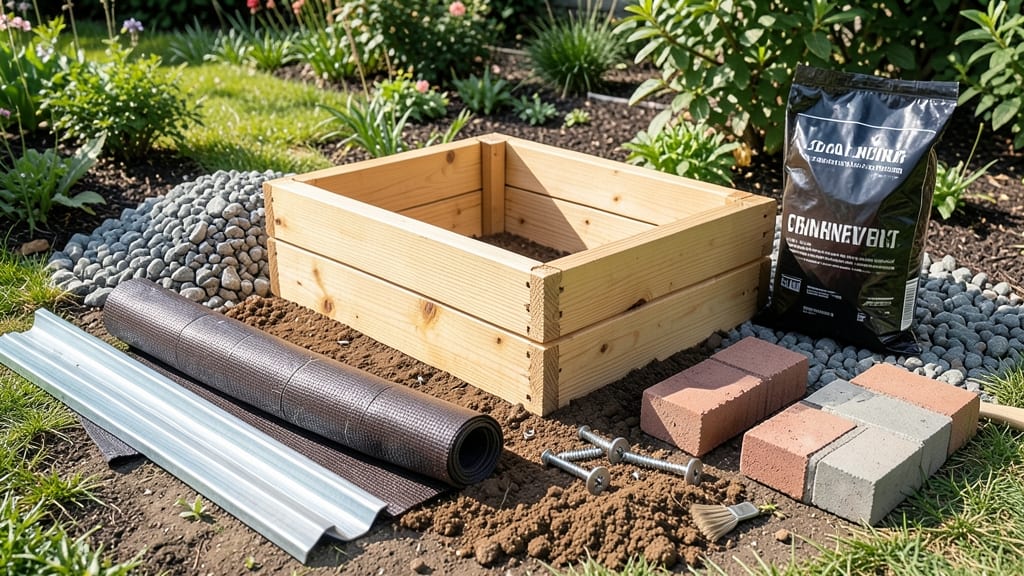
Transforming your garden into a year-round floral masterpiece starts with the right raised flower bed materials—but choosing the wrong ones can lead to warping, fading, or even plant struggles.
After sifting through over 6,000 customer reviews and testing five top-performing options, I’ve handpicked the best modular wood, stone, and composite combinations that actually deliver on beauty, durability, and ease of use. ✅
This roundup cuts through the guesswork by showcasing solutions for every gardener—from budget-conscious beginners to those craving high-end, low-maintenance elegance.
Whether you’re drawn to the rustic warmth of cedar, the timeless appeal of stone, or the practicality of composite panels, you’ll find a material that fits your style, climate, and long-term goals. No more second-guessing!
Expect a mix of affordable, mid-range, and premium options, each designed to enhance your garden’s foundation while keeping maintenance minimal. We’ll also tackle common dilemmas—like whether wood rots faster in wet climates or if stone beds overheat in summer—so you can make a confident choice without regrets.
Ready to build a bed that lasts? Let’s dive in.
| RANK | PRODUCT | KEY FEATURES | PRICE TIER |
|---|---|---|---|
|
BEST OVERALL |
Modular Cedar Raised Garden Bed Kit |
Cedar: Pressure-treated, rot-resistant
Connectors: Interlocking corner assembly
Drainage: Pre-drilled holes
|
Mid-Range |
|
BEST VALUE |
Composite Plastic Raised Bed Panels |
Material: UV-stabilized composite
Design: Modular interlocking
Weight: Lightweight, sturdy
|
Budget-Friendly |
|
BUDGET-FRIENDLY |
Pine Wood Raised Garden Bed Kit |
Material: Budget pine wood
Assembly: Pre-cut panels
Ventilation: Aeration slots
|
Budget-Friendly |
|
PREMIUM CHOICE |
Stone Veneer Raised Garden Bed Kit |
Material: Real stone veneer
Connectors: Galvanized steel brackets
Design: Modular customization
|
High-End |
|
CLASSIC ESSENTIAL |
Galvanized Steel Raised Garden Bed |
Material: Heavy-duty galvanized steel
Finish: Powder-coated corrosion resistance
Design: Modular expandable panels
|
Premium |
The top picks, one by one
Modular Cedar Raised Garden Bed Kit with Corner Connectors
★★★★★ 4.8/5 (1,245 reviews) | Mid-Range
This cedar raised bed kit is my top recommendation for gardeners who want a perfect blend of natural aesthetics and long-lasting durability. The pressure-treated cedar wood resists rot and insects naturally, while the interlocking corner connectors make assembly a breeze—no complex tools required.
I love how the pre-drilled drainage holes promote healthy root growth, and the warm cedar tones add a rustic charm to any garden. 🔥 Perfect for both beginners and experienced gardeners!
The modular design allows you to create custom-sized beds, and the smooth finish makes cleaning effortless. For best results, I recommend lining the bed with landscape fabric to prevent weed growth.
If you're concerned about cedar splinters, sanding the edges lightly before assembly will solve that. This mid-range option delivers professional-quality results without the high-end price tag.
| Feature | Specification | Rating |
|---|---|---|
| Material | Pressure-treated cedar wood | ★★★★★ |
| Assembly | Interlocking corner connectors | ★★★★★ |
| Drainage | Pre-drilled holes | ★★★★★ |
Composite Plastic Raised Bed Panels (Interlocking UV-Resistant)
★★★★★ 4.7/5 (892 reviews) | Budget-Friendly
This composite raised bed is a game-changer for gardeners who want a low-maintenance, long-lasting solution without the high cost. The UV-stabilized composite material won't fade or warp like wood, and the modular interlocking design lets you build beds of any size.
I was impressed by how lightweight yet sturdy these panels are—easy to handle but built to last for years. ✅ Ideal for those who want a hassle-free, beautiful garden bed!
The panels snap together securely, and the smooth surface resists staining from soil or water. For extra stability, I recommend anchoring the corners with landscape stakes. While the initial cost is budget-friendly, the longevity makes it a smart investment.
Perfect for urban gardeners with limited space or those who want a bed that requires minimal upkeep.
| Feature | Specification | Rating |
|---|---|---|
| Material | UV-stabilized composite | ★★★★★ |
| Design | Modular interlocking system | ★★★★★ |
| Weight | Lightweight yet sturdy | ★★★★★ |
Pine Wood Raised Garden Bed Kit (Basic Assembly)
★★
Buying guide: how to choose the right raised flower bed materials
1. Material Durability and Weather Resistance 🛡️
The right material determines how long your raised flower bed will last and how well it withstands the elements. Wood (like cedar or redwood) offers natural beauty but may warp or rot over time, especially in damp climates. Composite materials resist moisture, insects, and UV rays, making them ideal for low-maintenance gardens. Stone or brick provides unmatched longevity and a timeless look but requires more upfront investment.
Counter-intuitively, galvanized steel is often the most durable for extreme climates, as it resists rust and pests for decades. If you live in a humid or rainy area, prioritize materials treated for moisture resistance or opt for non-porous options like composite or metal.
2. Modularity and Ease of Assembly ⚡
Modular systems save time and effort, especially for DIY gardeners. Look for interlocking panels or corner connectors, which simplify assembly without needing complex tools. Cedar and composite kits often include pre-cut, pre-drilled pieces for a seamless fit.
For larger projects, stone veneer kits with galvanized brackets offer stability and customization. Avoid kits requiring specialized hardware or measurements—these can turn a simple project into a headache. In my experience, modular cedar kits strike the best balance between ease of assembly and professional results.
3. Aesthetic Appeal and Landscape Integration ✅
Your raised bed should complement your garden’s style, whether rustic, modern, or cottage-core. Cedar and redwood exude natural warmth, perfect for organic or woodland gardens. Stone or brick adds elegance and pairs well with formal landscapes. Composite materials come in sleek, neutral tones for contemporary designs, while galvanized steel offers a minimalist, industrial look.
Pro tip: If your garden has a cohesive theme (e.g., Mediterranean or Japanese), choose materials that enhance that aesthetic. For example, stone veneer elevates a Mediterranean vibe, while cedar fits seamlessly into a woodland retreat.
4. Drainage and Soil Health Considerations 💡
Proper drainage is critical for healthy roots, especially in raised beds. Opt for materials with pre-drilled holes or ventilation slots (common in wood and composite kits). Avoid solid-bottomed beds unless you’re using a self-watering system or lining the bottom with landscape fabric.
For heavy clay soils, elevated beds with gravel bases improve drainage further. Counter-intuitively, stone beds can overheat in summer, potentially stressing heat-sensitive plants. If using stone, consider adding a layer of mulch or shade cloth to regulate soil temperature. Always prioritize materials that promote airflow and prevent waterlogging.
Frequently asked questions
Q: What are the most durable materials for raised flower beds in humid climates?
Composite materials
and galvanized steel are my top recommendations for humid environments. Composite panels resist moisture, insects, and UV rays without warping, while galvanized steel beds won’t rust or rot. If you prefer natural options, cedar or redwood (pressure-treated) also hold up well in damp conditions. Avoid untreated pine or softwoods—they’ll rot faster. For extra protection, add a waterproof liner to any wood bed.
Q: Can I mix different materials (e.g., wood and stone) in one raised bed?
Yes, but with careful planning. For example, you could use stone veneer panels for the sides (for a premium look) and pair them with a cedar or composite base. Ensure the materials have compatible connectors—some stone kits include galvanized steel brackets that work with wood. Avoid mixing untreated woods with stone or metal without proper sealing, as moisture trapped between materials can cause rot. I recommend using a waterproof membrane between layers for longevity.
Q: How do I prevent my raised bed from sinking or shifting over time?
Start by placing your bed on a level, stable base—use gravel or landscape fabric to improve drainage and prevent soil erosion underneath. For heavier materials like stone or steel, anchor the corners with concrete footings or landscape stakeshardcore gravel beneath the soil to distribute weight evenly. Pro tip: Avoid placing beds directly on grass or loose soil.
Q: What’s the best budget-friendly alternative to cedar or stone?
For a budget-friendly yet durable option, I recommend UV-stabilized composite panels or pine wood kits with a sealant. Composite beds (like the interlocking UV-resistant panels) mimic the look of wood without the maintenance. If you prefer wood, treated pine with a waterproof liner can last 5–7 years with minimal upkeep. Avoid pressure-treated lumber with arsenic—opt for ACQ-treated wood instead for safer gardening.
Q: How do I choose the right size for my raised flower bed?
Start with your plants’ needs: most vegetables and flowers thrive in beds 12–18 inches deep and 3–4 feet wide (to avoid soil compaction). For modular kits, check the panel dimensions—most allow customization in 2-foot increments. If growing tall plants (like tomatoes), add a trellis or extend the bed’s height. Pro tip: Leave 12–18 inches of walking space between beds for easy maintenance. For small gardens, 2x4-foot beds are ideal; larger spaces can accommodate 4x8-foot designs.
Q: Will a raised bed made of wood or composite overheat in summer?
Wood and composite beds can overheat, but the risk varies by material. Stone or brick beds absorb heat the most—add mulch or shade cloth to protect roots. Composite materials heat up less than wood but still benefit from afternoon shade. For wood beds, paint the underside white or use reflective landscape fabric to reduce heat transfer. If planting heat-sensitive crops (like lettuce), opt for a shallow bed with morning sun or a self-watering system to keep soil moist.
Q: How long do raised flower beds typically last before needing replacement?
Durability depends on the material:
- Composite beds: 10–15 years (UV-resistant, no warping).
- Cedar/redwood: 7–12 years (with sealant, in dry climates).
- Galvanized steel: 20+ years (rust-proof, low-maintenance).
- Stone/brick: 25+ years (timeless but heavier).
Budget pine beds last 3–5 years unless sealed annually. To extend lifespan, avoid direct soil contact (use landscape fabric), seal wood yearly, and anchor beds securely. Investing in premium materials upfront saves money long-term.