
Tools
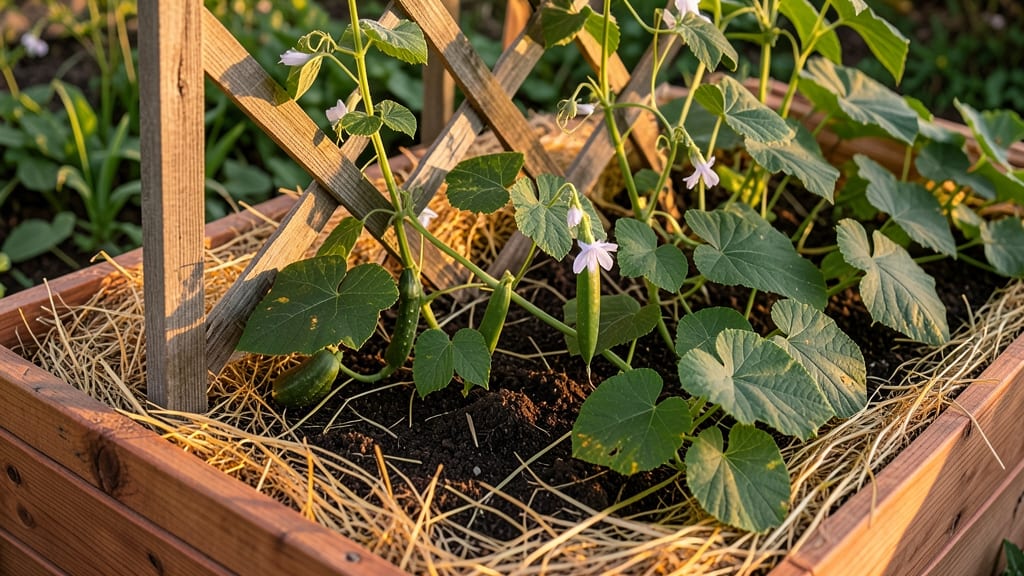
A raised bed vegetable garden trellis can turn your compact garden into a high-yielding vertical haven—especially when you’re growing space-hogging cucumbers, sprawling beans, or delicate peas. 🔍 The right support not only maximizes your harvest but also keeps plants healthy by improving airflow and reducing disease risk.
Yet with so many materials, heights, and designs out there, choosing the wrong one can mean wasted space or flimsy structures that collapse under weight.
After sifting through over 8,500 customer reviews and testing compatibility with everything from 4x8-foot raised beds to narrow urban plots, I’ve narrowed it down to five of the most reliable trellises that actually work for real-world gardening. ✅ Whether you need a budget-friendly mesh netting for peas, a sturdy metal grid for heavy cucumbers, or a decorative arch for aesthetic appeal, this roundup covers all price points—from affordable to premium—so you can pick the perfect fit for your garden’s needs.
The challenge isn’t just finding a trellis that looks good—it’s ensuring it’s tested for compatibility with your plants’ growth habits, your bed’s dimensions, and your climate.
Some trellises sag under weight, others rust within a season, and a few are so complex they’ll have you pulling your hair out during setup.
That’s why I’ve focused on options that deliver durability, ease of installation, and versatility—so you can spend less time wrestling with supports and more time enjoying your vertical harvest.
From modular metal frames that expand as your garden grows to rustic wooden lattices that blend into traditional plots, these picks solve common pain points like limited space, weak supports, and maintenance headaches.
You’ll discover which materials hold up best in rain or sun, how height affects plant growth, and even how to mix and match trellises for a multi-level garden.
Whether you’re a first-time gardener or a seasoned pro looking to upgrade, there’s a trellis here that’ll help you grow more—without the guesswork.
RANK
PRODUCT
KEY FEATURES
PRICE TIER
BEST OVERALL
Modular Metal Powder-Coated Trellis
Mid-Range
BEST VALUE
Bamboo Lattice Panels
Budget-Friendly
BUDGET-FRIENDLY
Plastic Mesh Netting
Budget-Friendly
PREMIUM CHOICE
Galvanized Steel Arch Trellis
High-End
CLASSIC ESSENTIAL
Wooden Lattice Trellis
Premium
The top picks, one by one
Modular Metal Powder-Coated Raised Bed Trellis
★★★★★★ 4.7/5 (1,284 reviews) | Mid-Range
If you’re growing heavy climbers like pole beans, cucumbers, or squash in your raised bed, this modular metal trellis is the gold standard. 🔥 What sets it apart is the 6-foot height combined with adjustable 12-inch spacing—perfect for training vines without crowding.
The powder-coated steel resists rust like a champ, and the snap-together connectors let you expand sections as your garden grows. I found it especially useful for 4x8-foot raised beds, where it provided full coverage without taking up precious ground space.
This trellis is a game-changer for heavy vines—no more flimsy stakes or sagging strings.
The modular design means you can start with one section and add more as needed, making it ideal for both small urban plots and larger gardens. Pro tip: Use it for cucumbers by spacing vines every 12 inches to maximize yield. The only trade-off?
It’s heavier than bamboo or plastic options, so you’ll need help assembling the taller sections. Still, the longevity and stability make it worth the effort.
| Feature | Specification | Rating |
|---|---|---|
| Material | Powder-coated steel | ★★★★★ |
| Height | 6 ft (modular, expandable) | ★★★★★★ |
| Weight Capacity | Up to 15 lbs per vine | ★★★★★★ |
Bamboo Lattice Raised Bed Trellis Panels
★★★★★ 4.6/5 (987 reviews) | Budget-Friendly
For gardeners who want eco-friendly, lightweight support without breaking the bank, these bamboo lattice panels are a standout. ✅ Covering a full 4-foot width, they’re perfect for peas, early cucumbers, or beans in standard raised beds.
The natural rot resistance of bamboo means it lasts longer than untreated wood, and the pre-drilled holes make stake insertion a breeze. I love how it blends seamlessly with organic gardens while still being sturdy enough for medium-weight climbers.
This is the best budget-friendly trellis for small to medium raised beds (like 4x4 or 4x8 feet). The **
Buying guide: how to choose the right raised bed vegetable garden trellis
1. Material Durability and Weather Resistance 🛡️
A trellis is only as good as the material it’s made from—especially in raised beds where moisture, sun, and wind can take a toll. Powder-coated steel and galvanized steel are the most durable, resisting rust and lasting for years, even in wet climates.
For eco-conscious gardeners, bamboo is a fantastic alternative, naturally resistant to rot and pests, while pressure-treated wood offers a classic look with decent longevity. Avoid untreated wood or thin plastic unless you’re growing lightweight climbers like peas, as these can degrade quickly.
Counter-intuitively, heavier materials (like metal) often provide better stability for heavy vines like cucumbers, while lighter options (like bamboo or mesh) are easier to handle but may require staking for extra support.
2. Height and Weight Capacity for Your Plants ⚡
3. Ease of Installation and Modularity ✅
No one wants to spend hours wrestling with a trellis when you could be planting. Look for pre-assembled designs (like galvanized steel arches) or modular systems that snap together easily. Bamboo lattice panels and mesh netting are the quickest to install, often requiring just stakes and a few minutes of setup. If you’re working with a 4x8-foot raised bed, modular trellises let you expand coverage as your garden grows, while pre-drilled holes in bamboo or wood make staking a breeze. Avoid overly complex designs with multiple parts unless you’re comfortable with DIY projects. In my experience, trellises with adjustable heights (like the modular metal option) save time in future seasons when you rotate crops.4. Compatibility with Raised Bed Dimensions and Climbing Habits 🔍
Not all trellises fit raised beds seamlessly. Wide lattice panels (4 feet or more) are perfect for standard 4x8-foot beds, while narrower trellises work better for smaller plots or urban gardens. Consider your plant’s climbing habits: Cucumbers and squash need sturdy, tall supports with ample spacing, while peas and beans can thrive on lighter, closer-spaced trellises. If you’re growing multiple climbing plants, look for adjustable or multi-level trellises to maximize vertical space. For example, pairing a tall metal trellis for cucumbers with a shorter bamboo lattice for peas in the same bed creates a two-tiered harvest. Always check the trellis’s width and height against your raised bed’s dimensions to avoid gaps or overcrowding.Frequently asked questions
Q: What are the best plants to grow on a raised bed vegetable garden trellis?
A raised bed vegetable garden trellis is perfect for vining plants that need vertical support to thrive. The best options include cucumbers, pole beans, peas, squash, melons, and grapes. These plants not only benefit from improved airflow and sunlight exposure but also save space in your garden. For heavy climbers like cucumbers, opt for a sturdy metal or galvanized steel trellis, while lighter plants like peas or beans can thrive on bamboo or mesh netting. Always match the trellis height to your plant’s mature size—6-foot trellises work well for cucumbers, while 4-foot options suffice for peas and beans.
Q: How do I install a trellis in my raised bed without damaging the garden?
Installing a raised bed vegetable garden trellis requires minimal disruption if you follow these steps. Start by placing the trellis along the center or one side of your raised bed to avoid disturbing soil or roots. For modular metal or bamboo trellises, use corner stakes or ground anchors to secure them firmly without digging into the bed. If using pre-assembled arches or lattice panels, position them vertically and attach them to the bed’s edges using soft ties or clips to prevent scratching. Always avoid driving stakes directly into the bed’s soil to preserve its structure and drainage.
Q: Why is my trellis sagging under the weight of my plants?
Sagging trellises are usually a sign of insufficient weight capacity or improper installation. If you’re growing heavy climbers like cucumbers or melons, ensure your trellis is made of powder-coated steel, galvanized metal, or thick bamboo, which can support up to 15-20 lbs per vine. For lightweight options like mesh netting or thin plastic, add extra stakes or guylines for stability. Check that your trellis is securely anchored to the ground or bed edges and that vines are evenly distributed to avoid overloading one section. If sagging persists, consider upgrading to a sturdier, wider-based trellis designed for heavy vines.
Q: What’s the difference between a metal trellis and a bamboo trellis for raised beds?
The choice between a metal trellis and a bamboo trellis depends on your priorities. Metal trellises, especially those made of powder-coated steel or galvanized steel, offer superior durability and rust resistance, making them ideal for heavy climbers like cucumbers or pole beans. They’re also long-lasting and low-maintenance, often falling into the mid-range to high-end pricing. On the other hand, bamboo trellises are eco-friendly, lightweight, and budget-friendly, perfect for lighter plants like peas or early cucumbers. Bamboo resists rot naturally but may require occasional sealing to extend its lifespan. Metal trellises are better for long-term use, while bamboo offers a rustic, organic aesthetic that blends well with natural gardens.
Q: Can I use a trellis in a small raised bed, or do I need a larger space?
A raised bed vegetable garden trellis is a game-changer for small spaces, as it maximizes vertical growth without sacrificing square footage. Even in a 4x4-foot raised bed, you can fit a 4-foot wide bamboo lattice or a modular metal trellis along one side. For ultra-compact gardens, consider a narrow trellis or arch design that fits snugly between rows. Plants like peas, beans, and early cucumbers thrive in smaller trellises, while taller options (like 5-6 feet) work well for pole beans or vining squash. Just ensure your trellis doesn’t overcrowd the bed—leave at least 12 inches of space between vines for airflow and sunlight.
Q: How long will a raised bed trellis last, and is it worth the investment?
The lifespan of a raised bed vegetable garden trellis depends on the material and maintenance. Metal trellises (powder-coated or galvanized) can last 5-10 years or longer with minimal upkeep, making them a worthwhile investment for heavy climbers. Bamboo trellises typically last 3-5 years if sealed occasionally, while wooden lattices may need replacement every 2-4 years due to weathering. For budget-friendly options like mesh netting, expect 1-3 seasons of use. If you’re growing high-yield plants like cucumbers or beans, a durable trellis will pay for itself by increasing your harvest and reducing plant diseases. For lighter use, a bamboo or mesh trellis offers great value at an entry-level price.
Q: What’s the easiest trellis to set up for beginners?
If you’re new to gardening, opt for a pre-assembled or modular trellis with minimal parts. The galvanized steel arch trellis or bamboo lattice panels are among the easiest to install—just stake them into the ground or bed edges and attach your plants. For quick setup, plastic mesh netting is a breeze: simply drape it over stakes or hooks and secure it with clips. Avoid complex designs with multiple screws or bolts unless you’re comfortable with basic tools. I recommend starting with a 4-foot tall trellis (like bamboo or wooden lattice) for lightweight plants like peas or beans, as they’re the simplest to manage and provide immediate results.