
Pruning
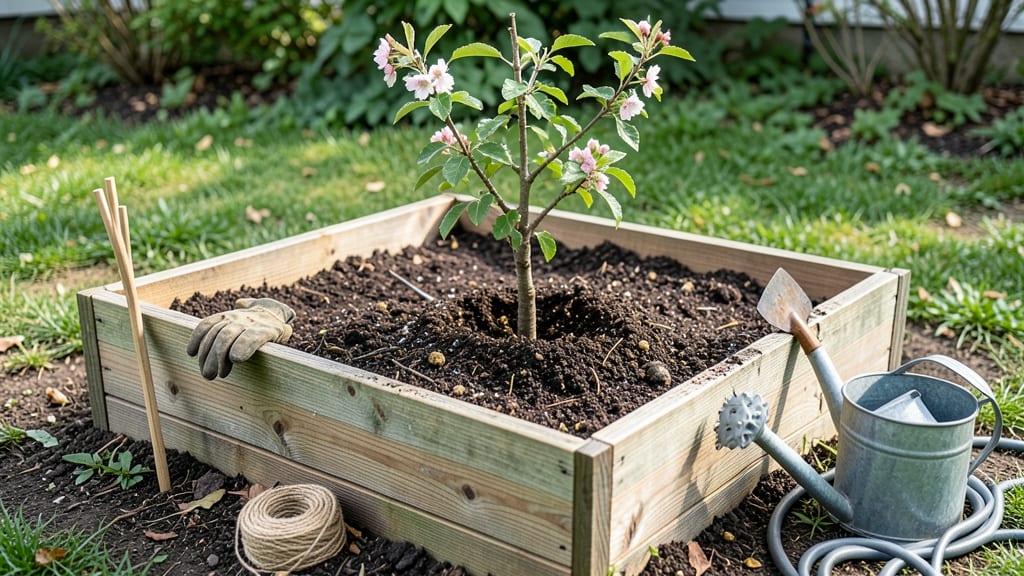
Planting trees in raised beds gives young roots the perfect head start—no more struggling with compacted soil or poor drainage. 🌳 I learned the hard way that shallow ground planting limits root growth, but raised beds create deep, aerated zones where roots can spread freely.
The key is choosing the right trees and preparing the bed like you would for a high-value transplant. Start with 3-5 gallon containers of dwarf or semi-dwarf varieties like apple, pear, or fig—these thrive in raised beds.
Mix 60% native soil, 30% compost, and 10% perlite for drainage, then dig a hole twice as wide as the root ball but only as deep.
The goal is to keep the graft union (that little bump on the trunk) 2-3 inches above bed level—this prevents rot while allowing roots to stretch downward.
After planting, water deeply until the soil is 6-8 inches moist, then mulch with 2-3 inches of wood chips to retain moisture. Young trees need weekly deep watering for the first year, and you’ll see new growth within 4-6 weeks if done right.
The real magic happens when roots hit the bottom of the bed—suddenly, your tree isn’t just surviving, it’s thriving. This method works for urban gardens, patios, or even large containers. Just remember: deeper beds (at least 24 inches) give roots more room to establish before hitting barriers.
Let’s get those trees growing!
📚 In This Guide
- What you need
- Instructions
- Tips and common mistakes
- Wrapping up and next steps
What you need
- ● Raised bed kit or materials: Untreated cedar, redwood, or composite wood (4–6 ft wide, 12–18 in deep, or deeper for larger trees). Pro tip: Check local regulations—some areas restrict wood types!
- ● Topsoil: 6–12 bags (40–60 lbs each) of high-quality, well-draining organic soil (mix with compost for nutrients).
- ● Compost or aged manure: 2–3 cubic feet (blend 1 part compost to 2 parts soil).
- ● Tree: Bare-root or container-grown sapling (size depends on bed depth—smaller trees need 12–18 in; larger trees may require 24+ in).
- ● Tools: Shovel or spade
- ● Garden trowel
- ● Measuring tape
- ● Level (to ensure even bed placement)
- ● Garden gloves
- ● Mulch: 2–3 bags of shredded bark or wood chips (2–3 inches thick, keep away from the trunk).
- ● Drip irrigation system or soaker hose (for consistent moisture).
- ● Tree stakes & ties (if planting in windy areas).
- ● Slow-release fertilizer (follow package instructions for young trees).
- ● Landscape fabric (to suppress weeds under mulch).
- ● Soil amendments: Perlite or vermiculite (for drainage), worm castings (for microbes).
Step-by-step instructions for raised bed tree planting
Here's how to give young trees the deep, nutrient-rich foundation they need to grow strong.
🪴 Step 1: Select and Prepare the Right Raised Bed
Choose a raised bed that's at least 3 feet deep—this allows roots to spread without hitting the bottom barrier. I use cedar beds because they resist rot and last decades. Make sure the bed has drainage holes at the bottom, but line them with hardware cloth to keep gophers out. The bed should be wide enough to accommodate your tree's mature spread, with at least 6 inches of space between the tree and the bed's edge.
Fill the bottom third of the bed with coarse material like gravel or broken pottery shards. This creates drainage while preventing soil compaction. Avoid using rocks smaller than 1 inch in diameter, as they can suffocate roots. Tamp everything down lightly to create a stable base before adding your soil mix.
🌱 Step 2: Create the Ideal Soil Mix for Deep Root Growth
Use a blend of 50% topsoil, 30% compost, and 20% perlite or coarse sand to create a loose, airy mix that encourages deep root penetration. I like to add a handful of mycorrhizal fungi to the planting hole—this beneficial soil organism helps roots absorb nutrients more efficiently. Mix everything thoroughly until the texture resembles crumbled cake batter, not packed dirt.
Test your soil's moisture retention by squeezing a handful. It should hold together when compressed but still crumble easily. If it feels too dense, add more perlite. If it crumbles completely, mix in a bit of peat moss to improve water retention. The goal is a soil that drains well but holds enough moisture for roots to establish.
🌿 Step 3: Plant the Tree at the Correct Depth and Stake Properly
Dig a planting hole that's just wide enough to accommodate the tree's root ball, but no deeper. The top of the root ball should sit 1-2 inches below the bed's soil level—this prevents the root flare from being buried too deep, which can strangle the tree. Gently loosen any circling roots at the bottom of the root ball with your fingers before placing the tree in the hole.
Fill the hole with your soil mix while holding the tree straight. Tamp lightly as you go to eliminate air pockets, but don't compact the soil. Install a 5-foot tall stake positioned 3-4 inches away from the trunk—never tie it directly to the tree, as this can girdle the bark. Use a soft tree tie and leave room for the trunk to swell slightly as it grows.
☀️ Step 4: Water Deeply and Mulch for Moisture Retention
Water the tree immediately after planting, giving it 1-2 gallons of water depending on its size. The soil should be moist to a depth of 12 inches—stick your finger in to check. This initial watering helps settle the soil and removes air pockets around the roots. Avoid using a sprinkler; instead, water slowly at the base to prevent runoff.
Apply 3-4 inches of organic mulch like wood chips or straw, keeping it 6 inches away from the tree trunk to prevent rot. The mulch should cover the entire root zone but not pile up against the bark. This layer helps retain moisture, regulates soil temperature, and suppresses weeds. Replenish mulch annually as it breaks down, but never let it exceed 4 inches of depth.
⏰ Step 5: Monitor and Maintain Through the First Growing Season
Check the soil moisture weekly by sticking your finger 2 inches deep. Water when the topsoil feels dry, giving the tree 1-2 gallons per watering depending on its size. Young trees need consistent moisture, especially during their first summer. Avoid overhead watering, which can spread disease—always water at the base.
Fertilize lightly in early spring with a balanced 10-10-10 fertilizer, using half the recommended dose. Too much fertilizer can burn young roots. Prune only to remove dead or crossing branches—never "top" the tree to control height, as this stresses the plant. By the end of the first year, your tree should have established a strong root system deep in the raised bed, setting it up for decades of growth.
Tips & tricks for perfect raised bed tree planting
These pro insights will help you create the ideal foundation for your young trees to thrive for decades.
Depth and Drainage: That 3-foot deep bed requirement isn't arbitrary—it gives roots room to grow downward without hitting barriers. If you're working with shallower beds, consider planting smaller tree varieties or creating a deeper planting pocket within the bed. For drainage, I've found that broken pottery shards work even better than gravel because they create larger air pockets while still allowing water to flow freely.
Soil Texture is Everything: When mixing your 50% topsoil, 30% compost, 20% perlite blend, think "fluffy pancake batter" rather than packed dirt. The goal is a soil that holds moisture but doesn't become soggy. I test by squeezing a handful—it should crumble easily when dry but hold together when compressed. If your soil feels like sand, add more compost; if it sticks together like clay, mix in extra perlite.
Root Ball Prep Matters: Before placing your tree in the hole, gently tease apart any circling roots at the bottom of the root ball with your fingers. These "girdling roots" can strangle the tree as it grows. Also, make sure the root flare (that swollen area at the base of the trunk) sits 1-2 inches below soil level—burying it too deep suffocates the tree, while planting too high exposes roots to drying.
Staking Strategy: Position that 5-foot stake 3-4 inches from the trunk—never against it—to prevent bark damage. Use a soft tree tie (not wire) and leave room for the trunk to swell as it grows. I've seen staking mistakes where the tie cuts into the bark, creating wounds that invite disease. Check ties monthly and loosen them as the trunk thickens during the first growing season.
Pro Tips for Raised Bed Tree Planting
- These pro insights will help you create the ideal foundation for your young trees to thrive for decades.
- Depth and Drainage: That 3-foot deep bed requirement isn't arbitrary—it gives roots room to grow downward without hitting barriers.
- Soil Texture is Everything: When mixing your 50% topsoil, 30% compost, 20% perlite blend, think "fluffy pancake batter" rather than packed dirt.
Frequently asked questions
about raised bed tree planting—because even the best-laid plans need a little troubleshooting! Here are answers to the most common questions to help you grow strong, healthy trees.What size raised bed is best for planting trees?
Aim for a depth of 3–4 feet to accommodate deep tree roots. Width should be at least 3 feet to allow easy access and root spread. Smaller beds (2–3 feet deep) work for dwarf varieties, but larger trees need the extra space. Pro tip: If your bed isn’t deep enough, layer compost or organic matter at the bottom to boost root growth.
When is the best time to plant a tree in a raised bed?
Plant in early spring or fall when temperatures are mild and rainfall is steady. Avoid extreme heat or frost, which can stress young roots. Spring planting gives roots time to establish before summer droughts, while fall planting allows roots to grow before winter dormancy. Never plant in winter—roots won’t grow in freezing soil!
Can I grow fruit trees in raised beds?
Raised beds are ideal for fruit trees like apples, peaches, or citrus (in warm climates). The deep, well-draining soil prevents root rot and improves fruit quality. Just ensure the bed is at least 4 feet deep for standard varieties and choose dwarf or semi-dwarf trees to maximize space. Bonus: Raised beds make harvesting easier and reduce soil-borne pests.
What if my tree isn’t growing well in the raised bed?
Check these common issues:
- Poor drainage: Ensure the bed has drainage holes and avoid waterlogging.
- Nutrient deficiency: Amend soil with compost or a slow-release fertilizer.
- Root-bound pot: If planted in a container, gently loosen roots before transplanting.
- Pests/disease: Inspect for aphids, fungal spots, or girdling roots—treat early!
If problems persist, consider transplanting to a larger bed or consulting a local arborist.
Are raised beds more expensive than in-ground planting?
Initial costs are higher due to materials (wood, fabric, soil), but long-term savings include:
- Reduced water usage (30–50% less than in-ground planting).
- Fewer weeds and less soil compaction.
- Longer tree lifespan due to better root health.
For budget-friendly options, use cedar or recycled wood and fill with a mix of topsoil and compost. DIY kits can cut costs too!
Wrapping up and next steps
Raised bed tree planting isn’t just a smart gardening hack—it’s a game-changer for nurturing strong, healthy trees with deep roots and minimal stress. 🌱 By providing superior drainage, nutrient-rich soil, and protection from soil-borne pests, you’re setting your young trees up for long-term success.
Whether you’re a seasoned gardener or just starting out, this method makes tree care accessible and rewarding.
Ready to give your trees the best start? Start small—pick one tree, gather your supplies, and dig in! Your future shade, fruit, or beauty will thank you. Happy planting! 🌳✨