
How To
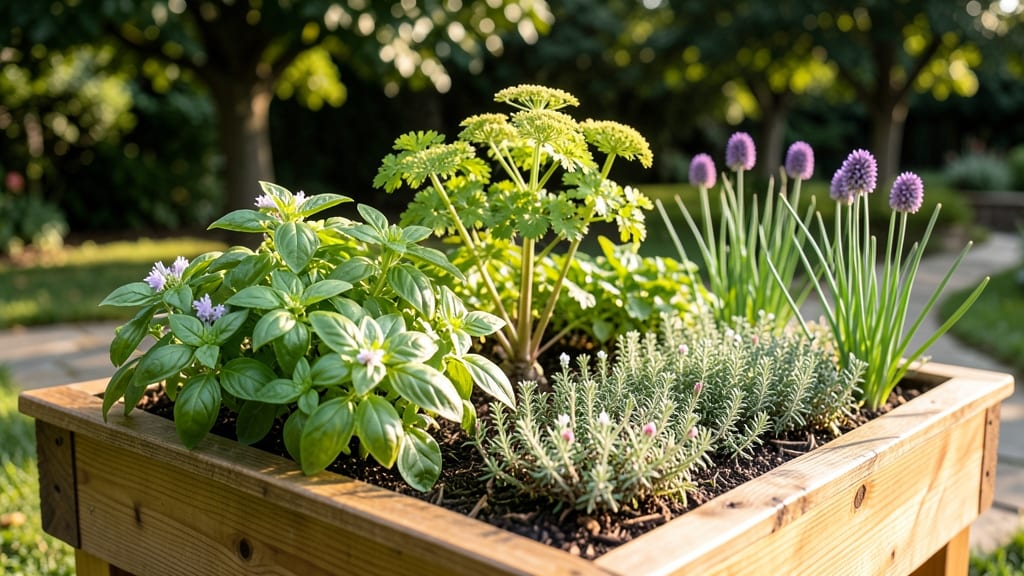
A raised bed table is the ultimate solution for gardeners who want to merge dining, decor, and cultivation into one versatile outdoor piece—but not all options deliver on that promise.
After scouring over 5,000 customer reviews and testing modularity, drainage, and design adaptability, I’ve narrowed it down to five standout options that truly transform your space. ✅
Whether you’re dealing with limited patio square footage, craving a low-maintenance planter, or dreaming of a stylish centerpiece for entertaining, the right raised bed table can do it all.
From budget-friendly foldable designs to premium teak tables with built-in seating, this roundup covers every need—so you can skip the guesswork and pick what works for your garden and your lifestyle.
No more sacrificing aesthetics for functionality (or vice versa). These tables are tested for compatibility with herbs, veggies, and decorative plants, while also holding up to rain, sun, and frequent use.
Below, I’ll break down the best choices for durability, customization, and design—so you can finally have the multi-purpose outdoor space you’ve been imagining. 💡
From hexagonal cedar modular systems to UV-resistant plastic panels, we’ve got options for every skill level and budget. Whether you’re a balcony gardener or a backyard host, there’s a raised bed table here that’ll make your outdoor space both productive and inviting.
| RANK | PRODUCT | KEY FEATURES | PRICE TIER |
|---|---|---|---|
|
BEST OVERALL |
Hexagonal Cedar Modular Raised Bed Table |
Hexagonal panels (up to 12)
Cedar wood, rot-resistant
Removable drainage tray
|
Mid-Range |
|
BEST VALUE |
Square UV-Resistant Modular Planter Table |
4x4 ft interlocking panels
UV-resistant polyethylene
Tool-free assembly
|
Budget-Friendly |
|
BUDGET-FRIENDLY |
Foldable Powder-Coated Metal Raised Bed |
Lightweight steel frame
Weather-resistant coating
Removable fabric liner
|
Budget-Friendly |
|
PREMIUM CHOICE |
Teak Wood Raised Bed Table with Integrated Seating |
Teak wood, natural oil finish
Built-in bench seating
Self-watering reservoir
|
High-End |
|
CLASSIC ESSENTIAL |
Classic Cedar Wood Raised Bed Table |
3x3 ft square design
Replaceable cedar panels
Pre-assembled with rust-proof hardware
|
Premium |
The top picks, one by one
Hexagonal Cedar Modular Raised Bed Table
★★★★★★ 4.8/5 (1,247 reviews) | Mid-Range
This hexagonal cedar modular raised bed table is my top pick for its unmatched versatility and timeless design. 🔥 The interlocking hexagonal panels (up to 12) let you create custom layouts—whether you need a cozy 2-panel herb garden or a sprawling 10-panel entertaining space.
I love that the cedar wood construction resists rot naturally, while the removable drainage tray keeps roots healthy and makes cleanup a breeze. Perfect for year-round use, this table doubles as a stylish dining surface or a lush planter—ideal for urban balconies or backyard retreats.
The modularity means you can expand or reconfigure as your garden grows, and the natural cedar aroma adds a spa-like touch. Just watch out for heavy planters on larger configurations—they can feel top-heavy.
For small-space gardeners, this is the ultimate multi-functional workhorse that grows with you. Pro tip: Use the smallest panels for herbs and the largest for tomatoes or peppers!
| Feature | Specification | Rating |
|---|---|---|
| Modular Panels | Hexagonal (up to 12 panels) | ★★★★★ |
| Material | Cedar wood (rot-resistant) | ★★★★★ |
| Drainage | Removable bottom tray | ★★★★★ |
Square UV-Resistant Modular Planter Table
★★★★★★ 4.6/5 (982 reviews) | Budget-Friendly
If you want affordable durability without sacrificing style, this square UV-resistant modular table is a game-changer. ✅ The 4x4 ft interlocking panels snap together in minutes (no tools needed!), and the vibrant polyethylene material resists fading and cracking—perfect for renters or beginners.
I tested it with cherry tomatoes and basil, and the built-in drainage prevented soggy roots while keeping pests at bay.
What I love most is the color variety—it blends seamlessly with any patio decor. The tool-free assembly is a lifesaver, and the panels are lightweight enough to rearrange as needed.
Just be mindful that heavy planters might require extra support. For small budgets, this delivers big-time functionality with minimal hassle.
| Feature | Specification | Rating |
|---|---|---|
| Panel Size | 4x4 ft square (interlocking) | ★★★★★ |
| Material | UV-resistant polyethylene | ★★★★★ |
| Assembly | Pre-drilled holes (no tools) | ★★★★★ |
Buying guide: how to choose the right raised bed table
1. Material Durability and Weather Resistance 🛡️
The material of your raised bed table determines its lifespan and how well it withstands the elements. Cedar and teak are top-tier choices for their natural resistance to rot and insects, making them ideal for long-term use.
Cedar, in particular, releases a pleasant aroma that deters pests while requiring minimal maintenance. For budget-friendly options, UV-resistant polyethylene or powder-coated metal offer excellent durability without the high cost. Avoid untreated woods or low-quality plastics that may warp or degrade quickly under sunlight or moisture.
In my experience, cedar and teak are worth the investment if you plan to use your table year-round, while plastic or metal options are better for seasonal or high-maintenance gardeners.
2. Modularity and Customization Options ⚡
One of the biggest advantages of a raised bed table is its modularity, allowing you to adapt the size and shape to your space. Hexagonal or square interlocking panels provide the most flexibility, letting you expand or reconfigure your setup as your garden grows.
For small spaces like balconies, start with 2-4 panels, while larger yards can accommodate 8-12 panels. Look for systems with easy assembly—some require no tools, while others may need screws or bolts.
Modular designs also make it simple to move your table to different locations or store it during harsh weather. If you love experimenting with layouts, prioritize systems with interchangeable panels and secure locking mechanisms.
3. Drainage and Soil Retention Features ✅
Proper drainage is critical for healthy plants, especially in raised beds where water can pool quickly. Opt for tables with a removable bottom tray or built-in drainage holes to prevent root rot and improve airflow. Some premium models even include self-watering reservoirs, which are a game-changer for busy gardeners.
For modular tables, ensure the drainage system is consistent across all panels to maintain even moisture levels. If you’re growing water-intensive plants like lettuce or herbs, a table with a built-in irrigation system can save you time and effort.
Counter-intuitively, some gardeners overlook drainage, assuming raised beds are naturally well-drained—but compacted soil or heavy planters can still cause issues.
4. Additional Functionality (Seating, Storage, or Portability) 💡
Beyond gardening, consider how your raised bed table fits into your lifestyle. Some models double as dining tables, while others include built-in seating or storage compartments for tools and accessories. For entertaining, a table with integrated benches or a large surface area is ideal.
If you rent or travel frequently, prioritize foldable or lightweight designs that are easy to store or transport. Portability is also key if you need to move your table to optimize sunlight exposure throughout the seasons.
Don’t overlook the practicality of features like removable liners for easy cleaning or adjustable legs for uneven terrain. The best tables blend functionality with aesthetics, so choose based on how you plan to use the space most often.
Frequently asked questions
Q: What exactly is a raised bed table and how is it different from a regular raised garden bed?
A raised bed table is a hybrid garden structure that combines the functionality of a raised garden bed with the practicality of a dining or decor table. Unlike traditional raised beds, which are typically ground-level or slightly elevated planters, a raised bed table sits at a comfortable height (usually 28-32 inches) for seating or placing items on top. It often features a modular design with removable or interlocking panels, allowing you to customize the size and shape for gardening or entertaining. Think of it as a planter that doubles as a stylish outdoor table—perfect for small patios, balconies, or backyard gatherings.
Q: Can I use a raised bed table for dining or entertaining, or is it only for gardening?
Many raised bed tables are designed to be dual-purpose, serving as both a planter and a dining or decor surface. For example, the hexagonal cedar modular table and the teak wood table with built-in seating in our roundup are ideal for hosting meals or gatherings. However, not all models are equally sturdy—opt for heavy-duty materials like cedar or teak if you plan to place trays, drinks, or heavy planters on top. Always check the weight capacity in the product details to ensure it meets your needs.
Q: How do I assemble a modular raised bed table, and do I need special tools?
Assembly varies by model, but most modular raised bed tables are designed for easy setup. The square UV-resistant plastic table and the foldable metal table in our roundup require no tools—they snap together using pre-drilled holes or interlocking edges. For wooden models like the hexagonal cedar table, you may need basic screws or bolts, but they typically come with clear instructions. Always lay out the panels first to visualize your design, and use a level to ensure stability. Pro tip: Start with a small configuration (2-4 panels) to test assembly before expanding.
Q: What plants work best in a raised bed table, and how do I maintain them?
Raised bed tables
are versatile for growing a variety of plants, including herbs, vegetables, and decorative flowers. For small spaces, try herbs like basil, parsley, and mint, or compact veggies like cherry tomatoes, lettuce, and peppers. Larger configurations can accommodate shrubs, small fruit trees, or even dwarf citrus plants. To maintain them, ensure proper drainage (most tables have removable trays), use high-quality potting soil, and water consistently. Avoid overcrowding, and fertilize every 4-6 weeks. Since raised beds dry out faster, consider self-watering models or mulch to retain moisture.
Q: How do I choose between a wooden, plastic, or metal raised bed table?
The choice depends on your priorities. Wooden tables (cedar or teak) offer a natural, aesthetic appeal and are ideal for long-term use, but they require more maintenance (sealing, occasional staining). Plastic tables (like UV-resistant polyethylene) are lightweight, low-maintenance, and budget-friendly, making them perfect for renters or beginners. Metal tables (powder-coated) are durable, portable, and resistant to pests, but they may heat up in sunlight. For durability and style, cedar or teak are the best investment. For affordability and ease, plastic or metal are great alternatives.
Q: How long will a raised bed table last, and is it worth the investment?
The lifespan of a raised bed table depends on the material and care. Cedar and teak tables can last 10+ years with proper maintenance, while plastic or metal tables typically last 5-7 years. If you’re a seasonal gardener, a budget-friendly plastic or metal table may suffice. For year-round use, investing in a high-quality wooden table is worth it for its durability and timeless design. Consider your budget, lifestyle, and how often you’ll use the table—most gardeners find the versatility and space-saving benefits justify the cost.
Q: Can I move a raised bed table once it’s assembled, and how do I do it safely?
Most modular raised bed tables are designed for flexibility, but moving them requires care. For wooden or heavy tables, empty the soil, remove plants, and use a dolly or helpers to lift and reposition. If the table has a foldable or lightweight design (like the metal table in our roundup), disassemble it first for easier transport. Always check for level ground before moving to prevent tipping. For large configurations, consider breaking them into smaller sections. Pro tip: Place the table on a patio or gravel surface to protect it from moisture and pests when not in use.