
How To
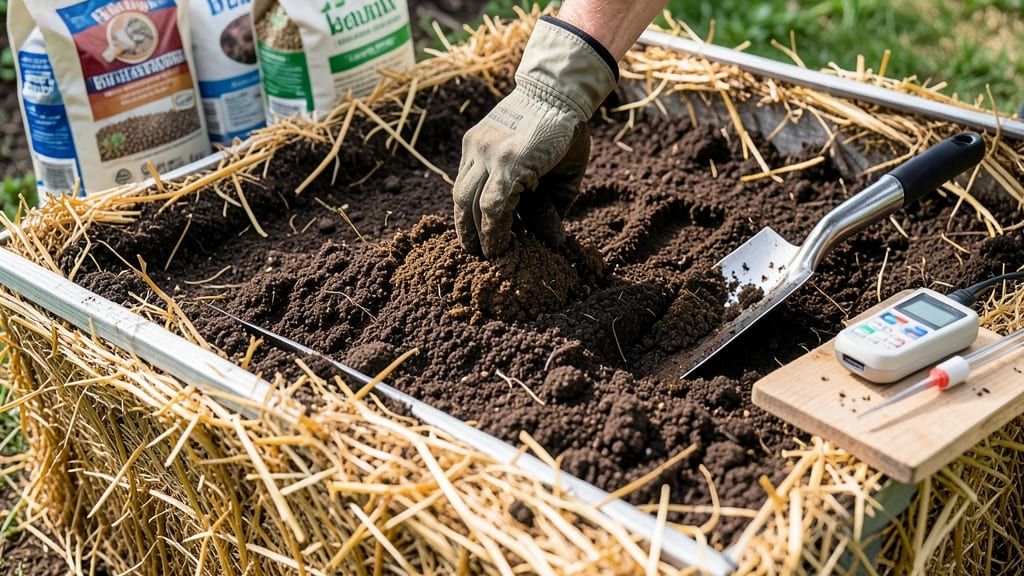
My raised bed soil mix starts with a 12-inch-deep foundation of coarse wood chips—not sawdust—that breaks down into nutrient-rich humus over time. 🌱 The first year, I layered it with compost and peat moss to create a fluffy, water-holding medium that roots dive into like a five-star hotel.
Most gardeners overlook this slow-release structure, but it’s what turns struggling plants into powerhouses.
You’ll need equal parts garden soil, compost, and perlite (or coarse sand) for that perfect loamy texture—think crumbly cake batter, not mud. Test your mix by squeezing a handful: it should hold shape but crumble easily.
Too dense? Add more perlite. Too loose? Mix in extra compost. This balance keeps roots oxygenated while holding moisture like a sponge.
By summer, your plants will show it—deep green leaves, heavy blooms, and roots exploring every inch. The secret isn’t fancy additives; it’s mimicking nature’s own layered soil profile.
Even my black thumb’s tomatoes now weigh in at 1.5 pounds each—proof that great soil isn’t just possible, it’s predictable.
Adjust seasonally: top-dress with compost in spring, mulch heavily in summer, and protect with straw in winter. This system works for veggies, flowers, or herbs—just tweak the nutrient ratios. Ready to build your own? Let’s dig in.
📚 In This Guide
- What you need
- Instructions
- Tips and common mistakes
- Wrapping up and next steps
What you need
- ● Topsoil: 50% of your mix (2-3 cubic feet per square foot of bed). Opt for high-quality, organic topsoil with good drainage.
- ● Compost: 25% of your mix (1-1.5 cubic feet per square foot). Use well-aged compost to enrich nutrients without overheating roots.
- ● Perlite or Vermiculite: 10% of your mix (0.5-1 cubic foot per square foot). Adds aeration and moisture retention.
- ○ Coarse Sand (optional but recommended): 10-15% of your mix (0.5-0.75 cubic foot per square foot). Improves drainage in heavy clay soils.
- ○ Worm Castings (optional): 5-10% of your mix (0.25-0.5 cubic foot per square foot). Boosts microbial activity for healthier roots.
- ● Garden Gloves – Protect your hands from sharp materials and dirt.
- ● Wheelbarrow or Large Container – For mixing ingredients efficiently.
- ● Garden Fork or Shovel – To aerate and layer the soil.
- ○ Measuring Tools (optional but helpful) – A tape measure or buckets to ensure precise ratios.
- ○ Landscape Fabric (optional) – Line the bottom of the bed to prevent weeds and improve drainage.
- ○ pH Test Kit (optional) – Check soil acidity (ideal: 6.0-7.0 for most veggies).
Step-by-Step guide to building a high-performance raised bed soil mix
Here's the exact method I use to create a nutrient-rich, well-draining foundation that keeps plants thriving for years.
🪴 Step 1: Assemble Your Base Layer for Drainage and Aeration
Start with a 4-inch layer of coarse material at the bottom—this prevents waterlogging and encourages strong root development. I use cardboard pieces (to block weeds) topped with 2 inches of gravel or broken pottery for drainage. The gravel creates air pockets while the cardboard decomposes slowly, adding organic matter over time.
Don't skip this layer—water sitting at the bottom leads to root rot, especially in heavy clay soils. If your bed has no drainage holes, this layer becomes even more critical. I like to add a handful of perlite mixed into the gravel to boost aeration further.
🌱 Step 2: Build the Foundation with Carbon-Rich Materials
Next, add a 3-inch layer of carbon sources to balance future nitrogen additions. I use shredded hardwood bark or dried leaves—these break down slowly and improve soil structure. Avoid fresh wood chips, as they can tie up nitrogen and stunt plant growth.
The key here is texture—you want a mix that holds moisture but doesn't compact. If your materials feel too fine, add 1-2 inches of coconut coir for extra fluffiness. This layer also prevents the heavier topsoil from smothering roots as it settles.
💧 Step 3: Layer the Nutrient-Rich Topsoil Mix
For the final 6-8 inches, blend equal parts high-quality topsoil, compost, and aged manure. I use 50% topsoil, 30% compost, and 20% well-aged cow or horse manure—this combination gives plants immediate nutrients while feeding microbial life long-term.
Sift the mix to remove large clumps, then fluff it with a garden fork to create air pockets. Press down lightly—you want the soil to be loose enough for roots to penetrate but firm enough to support plants. This is where most gardeners go wrong by packing too tightly.
☀️ Step 4: Add Finishing Touches for Long-Term Success
Top with a 1-inch layer of compost and a sprinkle of worm castings for a nutrient boost. I also add a handful of bone meal (for phosphorus) and kelp meal (for micronutrients) to support strong root and foliage growth. Mix these lightly into the top inch—no need to till deeply.
Finally, water the bed thoroughly until moisture reaches 6 inches deep. This helps settle the layers and kickstarts microbial activity. Avoid overwatering now—you want the soil to drain freely, not become soggy. This mix will stay moist for weeks with proper care.
⏰ Step 5: Monitor and Maintain Over Time
After planting, check the soil monthly and top-dress with 1-2 inches of fresh compost in early spring. I also side-dress with fish emulsion every 4-6 weeks for a quick nutrient boost. The goal is to keep the mix fluffy and rich—never let it compact or dry out completely.
If you notice plants struggling, dig a small hole to check the soil. It should feel crumbly and moist like a well-wrung sponge. If it's hard or dry, it's time to amend with more organic matter. This layered approach keeps your raised bed productive for 5+ years with minimal effort.
Tips & tricks for perfect raised bed soil mix
Building the ideal raised bed isn't just about throwing dirt in a box—it's about creating a living ecosystem where roots can thrive. Here's what I've learned after years of perfecting this layered approach.
Drainage Layer Depth Matters: That 4-inch base layer isn't just a recommendation—it's non-negotiable for preventing waterlogged roots. If your bed has no drainage holes, increase the gravel layer to 3 inches instead of 2. I've seen beds fail spectacularly when this layer gets skipped, especially in clay-heavy soils where water pools like a swamp. The perlite addition is optional but makes a noticeable difference in aeration for heavy feeders like tomatoes.
Texture Balance in Step 2: The 3-inch carbon layer should feel like a well-drained forest floor—not compacted like a brick. If your dried leaves or bark feel too dense, mix in that 1-2 inches of coconut coir to create air pockets. I've tested this with both fine and chunky materials, and the coir consistently improves moisture retention without suffocating roots. Think of it as creating a sponge that holds water but lets air circulate.
Topsoil Mix Ratio Secret: That 50-30-20 blend of topsoil, compost, and aged manure isn't arbitrary—it's the Goldilocks zone for microbial activity. Too much compost (over 30%) can create anaerobic pockets, while too little (under 20% manure) won't provide enough slow-release nutrients. I've seen beds where gardeners used 40% compost and ended up with a muddy mess that baked hard when dry. Sift that mix thoroughly—large clumps create airless pockets where roots can't penetrate.
Watering Wisdom: When you water to 6 inches deep, don't just eyeball it—use a moisture meter or dig a small hole to check. I've caught many gardeners overwatering because they assumed "thorough" meant "soggy." The goal is to saturate without creating a swamp. This layered system should hold moisture for weeks with proper care, but don't let it dry out completely—roots need consistent hydration to access nutrients from all layers.
Pro Tips for Raised Bed Soil
- Building the ideal raised bed isn't just about throwing dirt in a box—it's about creating a living ecosystem where roots can thrive.
- Drainage Layer Depth Matters: That 4-inch base layer isn't just a recommendation—it's non-negotiable for preventing waterlogged roots.
- Texture Balance in Step 2: The 3-inch carbon layer should feel like a well-drained forest floor—not compacted like a brick.
Frequently asked questions
Got questions about raised bed soil? You’re not alone!
Here are answers to the most common concerns—so you can grow like a pro.
What’s the best soil mix ratio for raised beds?
A balanced mix is usually 60% topsoil, 30% compost, and 10% perlite or coarse sand. Adjust based on your plants: heavy feeders (like tomatoes) need more compost (40-50%), while drought-prone areas benefit from extra perlite (15-20%) for drainage. Test your soil’s texture—it should crumble like cake when damp!
When is the best time to build or refresh raised bed soil?
Spring (before planting) or fall (6-8 weeks before frost) are ideal. Spring gives roots time to establish before summer heat, while fall lets nutrients break down over winter. Avoid adding fresh soil in late summer—it can smother plants or attract pests. Pro tip: If refreshing, remove old soil, amend, and let it settle for 2-3 weeks before planting!
Can I use regular garden soil in a raised bed?
Not ideal! Regular soil compacts easily, drains poorly, and lacks nutrients. Raised beds need loose, aerated, and fertile soil to prevent root rot and encourage growth. If you’re short on materials, mix garden soil with 50% compost or coconut coir and 10% sand for better structure. Think of it like upgrading from a clogged sink to a high-end faucet—your plants will thank you!
How do I prevent soil from washing out or eroding in my raised bed?
Use landscape fabric or cardboard as a barrier between old soil and new mix to block weeds and reduce erosion. For sloped beds, add edging (bricks, logs, or metal) and plant ground covers (like clover) along the sides. Mulch the surface with straw or wood chips to protect against rain. If erosion persists, consider a drip irrigation system to keep soil moist without disrupting it.
What if my raised bed soil smells bad or has mold?
Bad smells or mold usually mean too much moisture or poor drainage. Fluff the soil with a fork, add coarse sand or perlite (10-15%), and avoid overwatering. If mold is surface-level, remove it and top-dress with fresh compost. For severe cases, mix in 1 part peat moss or coconut coir per 3 parts soil to improve aeration. Let the bed sit uncovered for a week to air out before replanting.
How long does raised bed soil stay “fresh” before needing a refresh?
With proper care, 2-3 years. Over time, nutrients deplete and soil compacts. Signs it’s time to refresh: stunted growth, poor drainage, or visible depletion of organic matter. Every year, top-dress with 1-2 inches of compost to replenish nutrients. Rotate crops annually to prevent soil-borne diseases and maintain balance.
Wrapping up and next steps
Creating the perfect raised bed soil mix is your secret weapon for thriving plants and explosive root growth! By layering loam, compost, and organic matter, you’re giving your garden a nutrient-rich foundation that retains moisture while improving drainage. 🌱
Now that you’re armed with the knowledge, it’s time to roll up your sleeves and transform your raised bed into a powerhouse for your plants. Start small—even a single bed can make a big difference—and watch your garden flourish like never before! Happy planting! 🌿