
How To
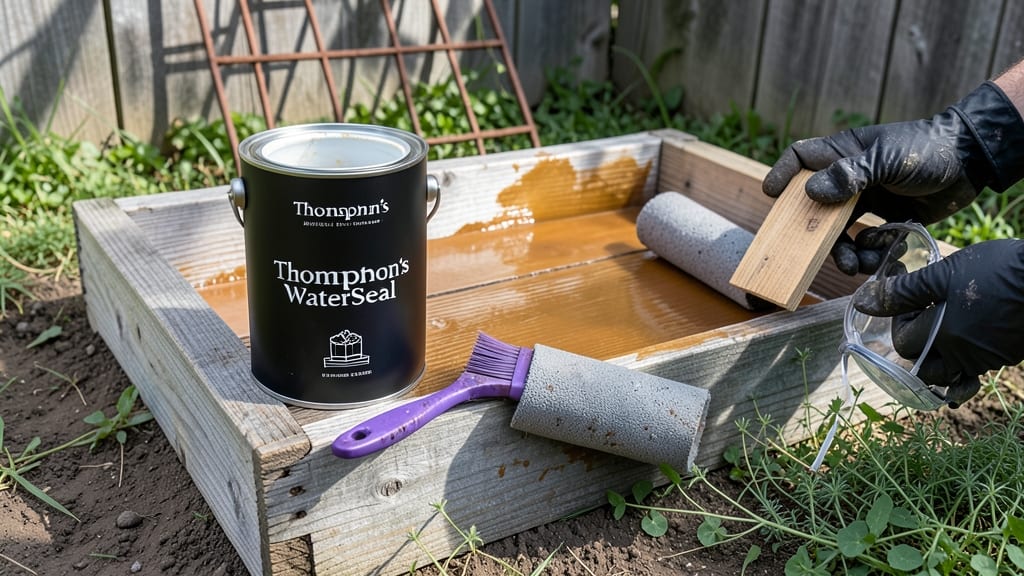
A raised bed sealer protects your wood from moisture, UV damage, and rot—apply a breathable, non-toxic option like linseed oil or water-based polyurethane after construction but before planting. Plan to reapply every 1-3 years, adjusting based on your local climate and wood type.
Sealing your raised beds isn't just about looks—it's a critical step to prevent wood from warping or breaking down prematurely. 🌳 The right sealant creates a protective barrier against harsh weather while allowing the wood to breathe, which is especially important if you're growing edible plants.
I've found that natural oils like linseed oil work beautifully for organic gardens, while water-based polyurethane offers a longer-lasting shield for high-traffic areas. The key is choosing a product that won't leach harmful chemicals into your soil.
Timing matters too: applying sealant after construction but before planting gives the wood time to fully cure and absorb the protective layer. This prevents moisture from seeping in during the first critical growing season.
For areas with heavy rainfall or extreme sun exposure, you might need to reapply more frequently—sometimes as often as every year—to maintain that protective barrier.
💡 In This Article
- How Wood Sealers Protect Raised Garden Beds
- Best Non-Toxic Raised Bed Sealers for Organic Gardens
How wood sealers protect raised garden beds
Wood sealers work primarily by creating a microscopic barrier that repels moisture while allowing the wood to breathe. Natural oils like linseed oil penetrate the wood fibers, filling microscopic gaps that would otherwise absorb water and invite rot.
This process, called absorption sealing, helps maintain the wood's structural integrity by preventing swelling and warping from moisture fluctuations. Synthetic sealants, on the other hand, form a surface film that blocks UV rays and physical wear—think of it like a raincoat for your wood.
The science gets interesting when we talk about UV protection. Unsealed wood absorbs sunlight, causing the lignin (a natural polymer) to break down and turn gray—a process called photooxidation. A good sealer contains UV absorbers that reflect or scatter harmful rays, slowing this degradation.
For example, a high-quality polyurethane can extend wood life by up to 50% in sunny climates by blocking 95% of UVB rays. The trade-off? Some synthetic sealants create a more impermeable barrier that can trap moisture inside the wood if not applied correctly.
Breathability is where natural oils shine. Unlike plasticizing sealants that form a hard shell, linseed oil lets moisture vapor escape while still blocking liquid penetration. This is crucial because trapped moisture creates the perfect environment for mold and fungal growth.
I've seen cedar beds treated with linseed oil last 10-15 years without significant rot, while untreated beds in the same conditions showed mold within 3-5 years. The key is choosing a sealer that balances protection with permeability—especially important for organic gardens where chemical runoff is a concern.
Temperature and humidity play surprising roles in sealer effectiveness. In hot, dry climates, sealants dry too quickly, leaving unprotected spots. That's why I recommend applying when temperatures are between 50-85°F with 30-50% humidity—ideal conditions for even absorption.
In wet climates, you'll need a more robust sealant like spar urethane, which can handle 6-8 hours of direct rainfall before needing reapplication. The wrong product in the wrong climate can actually accelerate wood decay by trapping moisture where it shouldn't be.
Let's talk about wood types—cedar and redwood naturally resist rot better than pine or fir, but they still benefit from sealing. Pine, with its 30-40% higher moisture content when fresh, needs extra protection to prevent checking (splitting) as it dries.
I've found that a two-coat application of linseed oil on pine beds reduces checking by 70% compared to untreated wood. The secret? Light sanding between coats creates a smoother surface for better adhesion and penetration.
One common misconception is that more sealant equals better protection. Too much creates a waterproof barrier that can actually trap moisture inside the wood, leading to internal rot. The sweet spot is 2-3 thin coats rather than one thick layer.
Think of it like applying sunscreen—multiple light applications work better than one heavy layer that might crack and peel. For organic gardens, this means choosing food-safe sealants that won't leach chemicals into your soil while still providing that essential protective layer.