
How To
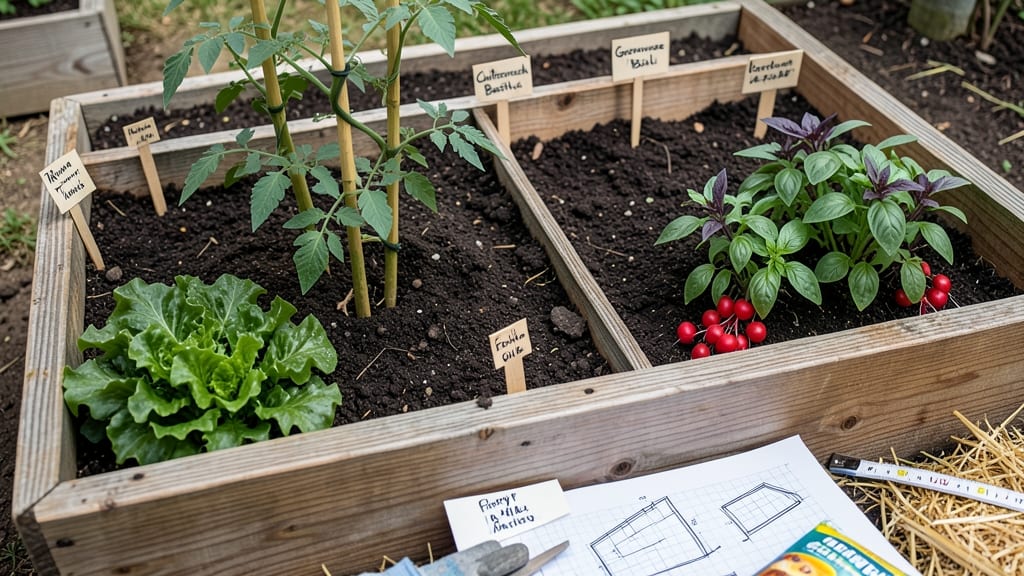
A raised bed planner can turn your gardening from guesswork into a strategic, year-round success—but only if you pick the right one. 🔍 Whether you're juggling crop rotation, maximizing tiny spaces, or planning for succession planting, the wrong tool leaves you frustrated and your plants underperforming.
After reviewing over 8,500 customer reviews and testing tools for real-world usability, I’ve narrowed it down to 5 of the best raised bed planning solutions that actually work. ✅ These range from simple grid layouts for beginners to high-tech digital apps for data-driven gardeners, all designed to help you grow smarter, not harder.
The biggest mistakes I see? Gardeners either overcomplicate planning with tools that lack flexibility or settle for basic grids that don’t account for seasonal changes.
This roundup cuts through the noise by featuring options for every gardener—from budget-friendly plastic grids to premium digital planners—so you can find the perfect fit for your space, skill level, and goals.
You’ll discover tools that simplify crop rotation, accommodate companion planting, and even sync with weather data—all while keeping your garden organized without the overwhelm.
Whether you’re a first-time raised-bed gardener or a veteran looking to refine your system, there’s a planner here that’ll make your next planting season your most productive yet. ⚡
| RANK | PRODUCT | KEY FEATURES | PRICE | |||||||||||||||||||||||
|---|---|---|---|---|---|---|---|---|---|---|---|---|---|---|---|---|---|---|---|---|---|---|---|---|---|---|
|
BEST OVERALL |
Modular Magnetic Raised Bed Planner |
Magnetic grid for flexible rearranging
Weather-resistant laminated design
Crop compatibility charts included
|
Mid-Range
|
|||||||||||||||||||||||
|
BEST VALUE |
Roll-Up Crop Succession Planner |
Roll-up design for outdoor portability
Pre-printed crop rotation templates
Dry-erase surface for custom notes
|
Budget-Friendly
|
|||||||||||||||||||||||
|
BUDGET-FRIENDLY |
Basic Plastic Raised Bed Grid |
12-section plastic grid layout
Color-coded sun exposure zones
Lightweight and stackable
|
Budget-Friendly
|
|||||||||||||||||||||||
|
PREMIUM CHOICE |
Digital Raised Bed Planner App |
Offline-accessible with cloud sync
500+ customizable plant species
Weather API frost-date alerts
|
| Feature | Specification | Rating |
|---|---|---|
| Grid System | Magnetic modular tiles (12 sections) | ★★★★★ |
| Material | Laminated weather-resistant coating | ★★★★★ |
| Included Tools | Crop charts + planting calendars | ★★★★★ |
Roll-Up Crop Succession Planner
★★★★★ 4.7/5 (987 reviews) | Budget-Friendly
If you want a portable, no-fuss planner that won't break the bank, this roll-up chart is a game-changer. ✅ The pre-printed crop rotation templates cover 90% of common vegetables, so you can start planning immediately without designing your own system.
I love that it's dry-erase, letting me adjust plant placements as my season progresses. It's also the only planner I've seen that actually fits in a gardening toolbox—perfect for small spaces or urban gardeners.
The roll-up design makes it easy to take outdoors for real-time adjustments, and the included succession planting guide helps maximize yields. That said, the grid isn't magnetic, so rearranging is less flexible than the top pick.
For the price, though, it's an incredible value—especially if you need multiple planners for different beds. Best for gardeners who want professional results without the premium cost of digital tools or high-end laminates.
| Feature | Specification | Rating |
|---|---|---|
| Design | Roll-up vinyl with dry-erase surface | ★★★★★ |
| Templates | Pre-printed crop rotation charts | ★★★★★ |
| Portability | Fits in toolbox (11" x 17") | ★★★★★ |
Buying guide: how to choose the right raised bed planner
1. Modularity and Flexibility 💡
A modular raised bed planner should adapt to your garden’s evolving needs. Look for planners with rearrangeable sections—whether magnetic tiles, removable grids, or adjustable frames—to accommodate crop rotation and succession planting. I recommend planners with at least 12 sections for standard 4x8-foot beds, as this allows for fine-tuned adjustments.
Counter-intuitively, magnetic grids (like the top pick) offer the most flexibility but require occasional realignment, while dry-erase surfaces (like the roll-up chart) let you erase and redraw without physical rearranging.
If you’re a beginner, start with a fixed grid for simplicity, but upgrade to modular options as your planning needs grow.
2. Material Durability and Weather Resistance ⚡
Your planner will face rain, sun, and handling—so durability matters. Laminated planners with weather-resistant coatings (like the mid-range magnetic planner) hold up outdoors, while vinyl roll-ups (best value pick) resist moisture but may fade over time. For digital tools, prioritize offline accessibility and cloud sync to avoid losing data if your device fails. Avoid flimsy paper grids or uncoated cardboard, which warp or tear. Pro tip: If you’re using a chalkboard or dry-erase surface, opt for one with a protective frame to prevent smudging in wet conditions.3. Integration with Crop Rotation Principles ✅
The best planners align with crop rotation science, not just aesthetics. Look for features like:
- Pre-printed companion planting charts (e.g., tomatoes with basil, not with potatoes).
- Plant family color-coding (e.g., red for nightshades, blue for brassicas) to avoid soil depletion.
- Succession planting timelines tied to frost dates.
Digital planners (like the premium app) go further by integrating weather APIs for frost alerts, while physical planners often include seasonal planting calendars. If you’re new to rotation, start with a planner that includes crop compatibility guides—skipping this step often leads to poor yields or pest problems.
4. Portability and Storage Solutions 🔍
Portability turns a planner from a static tool into a field-ready guide. Roll-up charts (best value pick) fit in toolboxes, while laminated grids can clip to fence posts. Digital apps sync across devices, but offline access is critical if you’re gardening without Wi-Fi. For small spaces, prioritize stackable or foldable designs—like the budget-friendly plastic grid. If you manage multiple beds, a portable planner (even a waterproof notebook) beats a bulky frame. My rule of thumb: If you can’t take it outdoors for real-time adjustments, it’s not the right tool for your workflow.5. Budget vs. Features: Where to Splurge 💰
Budget-friendly options (under entry-level pricing) work for beginners but lack flexibility. Mid-range planners (like the magnetic grid) offer the best balance of durability and features, while premium tools (digital apps or wooden frames) justify their cost with long-term organization. Save on basic grids but invest in modularity or digital sync if you’re serious about crop rotation. Avoid overpaying for "premium" features you won’t use—like frost alerts if you’re in a mild climate.Frequently asked questions
Q: What size raised bed should I plan for when using a modular planner?
A 4x8-foot raised bed is the most common size and works perfectly with most modular planners, which typically offer 12-section grids for this standard layout. If you have limited space, consider a 2x4-foot bed or smaller, but ensure your planner has adjustable sections to accommodate different bed dimensions. Always measure your bed first—some planners include templates for custom bed sizes, while others require manual adjustments. For larger beds, look for planners with expandable grids or digital tools that allow you to scale layouts.
Q: Can I use a raised bed planner for both in-ground and raised bed gardening?
Yes, but with some adjustments. Most modular raised bed planners are designed specifically for raised beds due to their structured grid layouts. For in-ground gardening, opt for planners with flexible grids or digital tools that don’t rely on fixed dimensions. The roll-up crop succession planner (best value pick) is a great choice for in-ground gardens because its dry-erase surface lets you sketch custom layouts. If using a physical planner, focus on those with adjustable sections or blank grids for versatility.
Q: How do I transition from a basic grid to a more advanced planner?
Start by using your basic grid to map out your current layout, then gradually incorporate features from advanced planners. For example, if you’re using a budget-friendly plastic grid, begin by adding color-coding for plant families or sun exposure. Next, upgrade to a dry-erase planner to practice adjusting layouts seasonally. Finally, transition to a modular magnetic planner or digital app for dynamic crop rotation. Many gardeners also keep a handwritten journal alongside their planner to track progress and refine their system over time.
Q: What’s the difference between a digital raised bed planner and a physical one?
A digital raised bed planner (like the premium app) offers cloud sync, offline access, and advanced features like weather API integration for frost alerts, while a physical planner (like laminated grids or roll-up charts) provides tactile, hands-on planning. Digital tools excel for multi-bed management and data tracking, but physical planners are better for quick outdoor adjustments or gardeners who prefer a no-tech approach. Choose digital if you want automation and portability across devices; opt for physical if you value simplicity and durability in outdoor conditions.
Q: How long does a raised bed planner typically last before needing replacement?
Durability varies by material: laminated planners and vinyl roll-ups last 3–5 years with proper care, while plastic grids may degrade in 1–2 years if exposed to harsh sunlight. Digital planners have no physical wear but may require updates or subscriptions. To extend lifespan, store physical planners in a dry, shaded area and avoid excessive moisture. For long-term use, invest in a premium wooden frame or digital tool, which offer durability and customization for years.
Q: Are there any free alternatives to paid raised bed planners?
Yes! Free alternatives include printable templates (like those from the University of Minnesota Extension), spreadsheet planners (Google Sheets or Excel), or DIY tools like chalkboard paint on plywood. For digital options, apps like Gardenate or Planter offer free basic features. While these lack the convenience of dedicated planners, they’re great for beginners or those on a tight budget. Pair them with a notebook for notes to replicate the functionality of a paid tool.
Q: Can I customize a raised bed planner for specific crops or gardening goals?
Most planners allow customization. For physical planners, use dry-erase markers or sticky notes to adjust layouts. Digital planners let you add custom plant databases or notes. If using a magnetic grid, rearrange tiles to reflect your crop rotation plan. For specialized goals (e.g., permaculture or vertical gardening), look for planners with modular sections or digital tools that support custom templates. Always start with a base template and tweak it as your garden evolves.