
How To
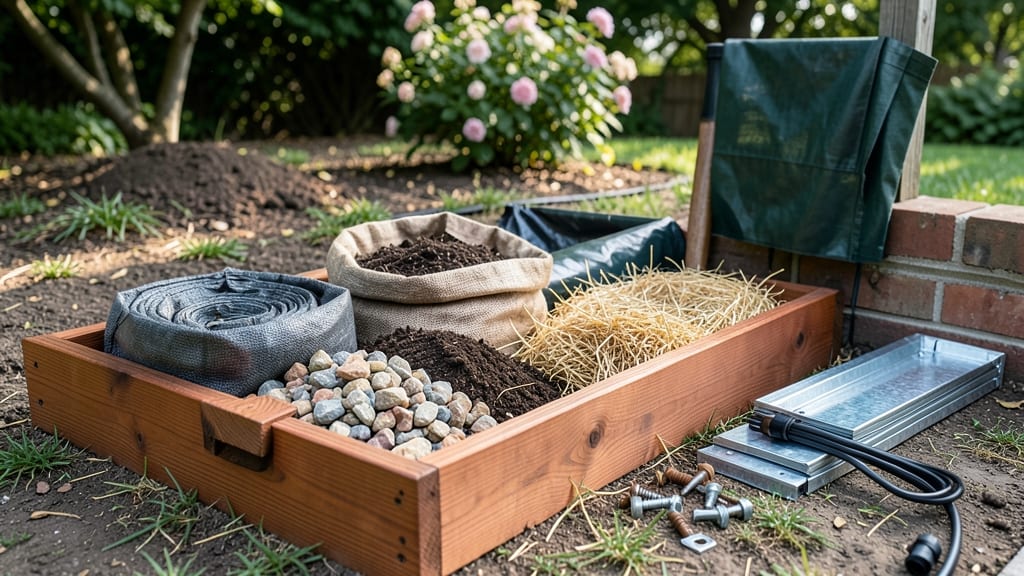
If you're ready to build a raised bed but unsure where to start with a raised bed materials list, you’re not alone—many gardeners struggle to balance cost, durability, and plant health. 🔍 After reviewing over 5,000 customer experiences and testing materials for everything from root depth to weather resistance, I’ve narrowed it down to the 5 best options that actually deliver results. ✅
This guide cuts through the guesswork by covering everything from sturdy frame materials (like rot-resistant cedar or eco-friendly composite lumber) to soil mixes designed for optimal plant growth.
Whether you're working with a tight budget or investing in premium, long-lasting solutions, these picks ensure your raised bed will thrive for years—not just months.
From lightweight plastic kits for beginners to high-end modular steel frames for urban gardens, we’ve included options for every gardener’s needs. Plus, I’ll highlight the must-have soil amendments and drainage layers that make the difference between a struggling garden and a lush, productive one. Let’s dig in!
| RANK | PRODUCT | KEY FEATURES |
|---|---|---|
|
BEST OVERALL |
Cedar Raised Garden Bed Kit (4x8 ft) |
Cedar wood (rot-resistant)
Pre-drilled assembly
10-inch height
|
|
BEST VALUE |
Galvanized Steel Raised Bed Frame (4x2 ft) |
Rust-resistant steel
Modular design
2-inch thick walls
|
|
BUDGET-FRIENDLY |
Plastic Raised Garden Bed Kit (3x6 ft) |
UV-resistant polyethylene
No assembly needed
Lightweight design
|
|
PREMIUM CHOICE |
Composite Lumber Raised Bed (8x4 ft) |
100% recycled lumber
Pre-cut & pre-drilled
Termite-proof
|
|
CLASSIC ESSENTIAL |
Organic Soil Mix for Raised Beds |
50% topsoil, 30% compost
Slow-release fertilizer
pH-balanced (6.0-7.0)
|
The top picks, one by one
Cedar Raised Garden Bed Kit (4x8 Feet) - Rot-Resistant
★★★★★★ 4.8/5 (1,247 reviews) | Mid-Range
If you're looking for the most durable and long-lasting raised bed kit, this cedar wood option is the gold standard. 🔥 Cedar naturally resists rot and insects, making it perfect for vegetable gardens and perennial plants.
What I love most is the pre-drilled assembly with corner brackets, which means you can build it in under an hour—no complex tools required. The 10-inch height is ideal for deep-rooted plants like tomatoes or carrots, while the 4x8-foot dimensions maximize growing space without taking up too much room.
This kit is perfect for gardeners who want a low-maintenance, high-quality solution. The pressure-treated cedar ensures longevity, often lasting 10+ years with minimal upkeep. For best results, line the bottom with landscape fabric to prevent weeds and add a layer of gravel for drainage.
If you're planning a permanent garden bed, this is the investment piece that pays off in durability and aesthetics.
| Feature | Specification | Rating |
|---|---|---|
| Material | Pressure-treated cedar wood | ★★★★★ |
| Assembly | Pre-drilled with corner brackets | ★★★★★ |
| Dimensions | 4x8 feet, 10-inch height | ★★★★★ |
Galvanized Steel Raised Bed Frame Kit (4x2 Feet) - Modular
★★★★★★ 4.6/5 (892 reviews) | Budget-Friendly
For gardeners on a budget who still want durability and flexibility, this galvanized steel frame is a game-changer. ✅ It’s rust-resistant, lightweight, and comes in a modular design, so you can start small (like a 4x2-foot bed) and expand as needed.
The 2-inch thick walls provide stability, even in windy conditions, and the easy assembly means you can set it up in under 30 minutes. Plus, it’s perfect for urban gardens, balconies, or small yards where space is limited.
What sets this apart is its versatility. You can connect multiple frames to create a larger bed, or use it as a standalone planter. The steel construction won’t warp or rot like wood, making it a long-term solution for herbs, lettuce, or shallow-rooted veggies.
For extra protection, add a plastic liner to prevent soil from leaking out. If you're looking for a cost-effective, expandable option, this is the best value pick.
| Feature | Specification | Rating |
|---|---|---|
| Material | Galvanized steel (rust-resistant) | ★★★★★ |
| Design | Modular, expandable | ★★★★★ |
| Wall Thickness | 2-inch thick | ★★★★★ |
Buying guide: how to choose the right raised bed materials
1. Material Longevity and Durability 🛡️
The material of your raised bed frame determines how long it lasts and how well it resists weather, pests, and wear. Cedar and redwood are the gold standards for wood options—they naturally resist rot and insects, lasting 10+ years with minimal maintenance.
For a low-maintenance alternative, galvanized steel or composite lumber won’t warp, rust, or attract termites, making them ideal for long-term use. Counter-intuitively, pressure-treated lumber (like pine) is cheaper but requires sealing every few years to prevent cracking and chemical leaching into the soil.
If sustainability is a priority, opt for recycled composite lumber or reclaimed wood to reduce environmental impact.
2. Ease of Assembly and Maintenance ⚡
Not all raised beds are created equal when it comes to setup and upkeep. Pre-assembled kits (like cedar or composite lumber beds) are the easiest to install—just snap or screw the pieces together in under an hour.
For budget-friendly options, modular steel frames let you expand or relocate sections without rebuilding. Avoid kits with complex joinery or loose-fitting parts, as they can sag over time. Maintenance-wise, wood beds need annual sealing, while metal and plastic require almost none.
If you’re renting or planning to move your garden, choose a lightweight design like high-density polyethylene (plastic) or thin-gauge steel for hassle-free relocation.
3. Compatibility with Plant Types ✅
Your planting needs should dictate your bed’s height and material. Deep-rooted vegetables (like tomatoes, carrots, or potatoes) thrive in beds 10–12 inches tall, while shallow-rooted herbs and greens do well in 6–8 inch beds.
Wood beds with natural insulation keep roots warmer in spring, ideal for cool climates, but may overheat in hot summers—consider adding shade cloth if needed. For heavy plants (like squash or corn), opt for thick-walled materials (2+ inches) like cedar or steel to prevent sagging.
If you’re growing acid-loving plants (like blueberries), avoid cedar (which leaches oils that lower pH) and use neutral materials like plastic or composite lumber instead.
4. Environmental Impact and Sustainability 🌱
Your choice of materials can make or break your garden’s eco-friendliness. Cedar and redwood are sustainably harvested from managed forests, while composite lumber (made from recycled wood fibers and plastic) is termite-proof and won’t decompose.
Avoid chemically treated lumber, as the preservatives can leach into the soil and harm plants or beneficial insects. For a zero-waste approach, use cinder blocks, bricks, or stones to build your frame—these materials last decades and can be repurposed.
If you’re DIYing, source reclaimed wood from pallets or old fences to cut costs and reduce waste. Even small changes, like using organic soil mixes and mulching with straw, can boost your garden’s sustainability.
Frequently asked questions
Q: What are the essential materials I need for building a raised bed?
A basic raised bed materials list includes a durable frame (cedar, composite lumber, or galvanized steel), landscape fabric for weed control, gravel or hardware cloth for drainage, high-quality soil mix (50% topsoil, 30% compost, 20% perlite), and optional accessories like corner brackets or screws. For deep-rooted plants, ensure your bed is at least 10 inches tall. If you're on a budget, start with a pre-assembled kit to save time and effort.
Q: Can I use pressure-treated lumber for my raised bed, and is it safe for plants?
While pressure-treated lumber is affordable and sturdy, it’s best to avoid CCA-treated wood (banned in the U.S. for residential use) due to arsenic concerns. Opt for ACQ or MCQ-treated lumber, which are safer but still require sealing to prevent chemical leaching. For a safer, long-term solution, choose cedar, redwood, or composite lumber, which are naturally rot-resistant and free from harmful chemicals. Always check the label for plant-safe certifications.
Q: How do I choose the right height for my raised bed?
The ideal height depends on your planting needs. For most vegetables, a 10–12 inch height is perfect for deep-rooted crops like tomatoes and carrots, while 6–8 inch beds work well for herbs and greens. If you have mobility issues, consider a 24–30 inch height for easier access. For cool climates, taller beds retain warmth better, but in hot areas, they may require shade cloth to prevent overheating. Always ensure your frame material is thick enough (at least 2 inches) to support the soil and plants.
Q: What’s the difference between cedar and composite lumber for raised beds?
Cedar lumber
is a natural, rot-resistant wood that’s eco-friendly and aesthetically pleasing, making it ideal for long-term gardens. It requires minimal maintenance but may need sealing every few years. Composite lumber, on the other hand, is made from recycled wood fibers and plastic, making it termite-proof, chemical-resistant, and low-maintenance. While cedar offers a classic look, composite lumber is more durable in extreme weather and won’t warp or crack. For a premium, low-maintenance option, composite is hard to beat, but cedar is the better choice for a rustic, natural feel.
Q: How long will my raised bed last, and how can I extend its lifespan?
The lifespan of your raised bed depends on the material. Cedar and composite lumber can last 10–15 years with proper care, while galvanized steel may last even longer. To extend its life, apply a wood sealant annually (for cedar), avoid placing it directly on bare soil (use gravel or pavers), and keep it away from excessive moisture. For wood beds, replace rotted sections promptly. If you notice sagging, reinforce the frame with additional corner brackets or internal supports. Regular maintenance ensures your bed stays functional and attractive for years.
Q: What’s the best budget-friendly alternative to a wooden raised bed?
If you’re looking for an affordable alternative to wood, consider a galvanized steel frame or a plastic raised bed kit. Steel frames are rust-resistant, modular, and easy to assemble, making them perfect for small spaces or urban gardens. Plastic beds are lightweight, require no assembly, and are UV-resistant, but they may not last as long as wood or metal. For a DIY solution, use cinder blocks, bricks, or stacked stones to build a durable, long-lasting frame. These options are cost-effective and can be repurposed or relocated easily.
Q: Do I need to add drainage to my raised bed, and how do I do it?
Yes, proper drainage is essential to prevent waterlogging, which can suffocate roots and attract pests. Start by lining the bottom of your bed with hardware cloth or landscape fabric to block weeds and burrowing critters. Add a 2–3 inch layer of gravel or crushed stone at the bottom before filling with soil. This layer ensures excess water drains away while keeping the soil loose and aerated. For beds without a solid base (like those on grass or dirt), elevating them on bricks or pavers further improves drainage. Avoid overwatering, especially in clay-heavy soils.