
Tools
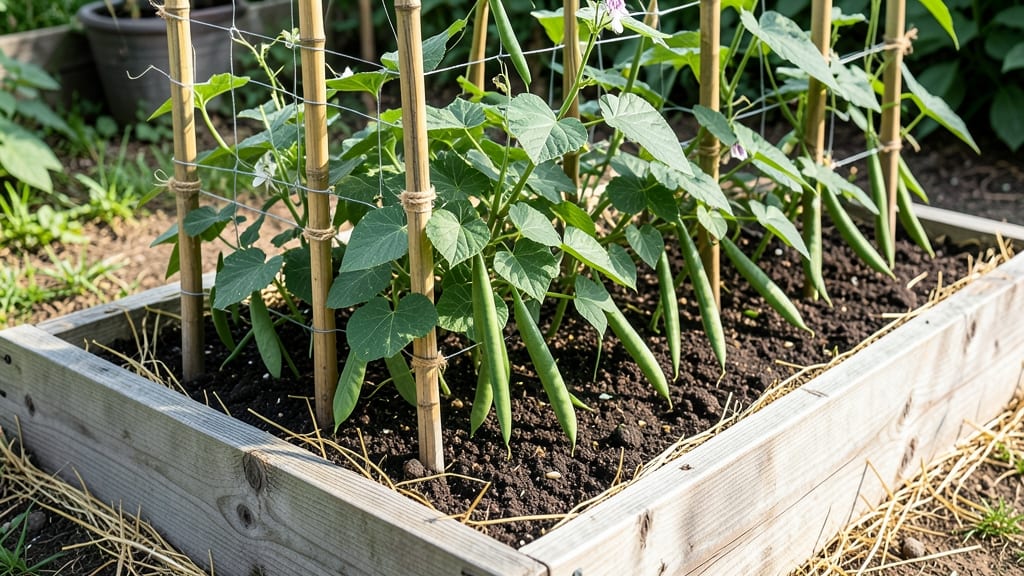
A raised bed green bean trellis transforms your compact garden into a vertical harvest factory. 🌱 I used to struggle with tangled vines and wasted space until I built this simple system that keeps beans off the ground, boosts yields, and makes picking effortless.
The key is lightweight materials—bamboo stakes or powder-coated metal mesh—that won’t rot or rust. Space plants 4-6 inches apart along the trellis edges, and train vines upward as they grow. This vertical setup maximizes your raised bed’s square footage while keeping pods clean and easy to reach.
You’ll harvest 30-50% more beans than with bush varieties, and the plants stay healthier with better airflow. No more bending over or dealing with soil-borne diseases that plague ground-level growth. Works for any raised bed size, from 4x8-foot plots to small 2x4-foot containers.
Here’s how to build it in under an hour with basic tools.
📚 In This Guide
- What you need
- Instructions
- Tips and common mistakes
- Wrapping up and next steps
What you need
- ● Trellis Frame: 4–6 bamboo stakes (5–6 ft tall, ½-inch diameter) or
- ● 2–4 PVC pipes (1-inch diameter, 6 ft long) or
- ● 1 wooden dowel (2-inch diameter, 6 ft long) for a sturdy center post.
- ● Cross Supports: 4–6 horizontal bamboo slats (1-inch wide, 4–5 ft long) or
- ● 1–2 rolls of twine or jute twine (½-inch thick, 50 ft total).
- ● Fasteners: Zip ties (10–15) or
- ● Small nails/screws (if using wood) or
- ● Heavy-duty staples (for twine attachment).
- ● Tools: Hacksaw or miter box + handsaw (for cutting materials).
- ● Measuring tape.
- ● Drill or hammer (for securing stakes).
- ● Scissors or pruning shears (for twine).
- ● Decorative Touches: Paint or stain (for wooden trellises).
- ● Lattice panels (pre-made, 2 ft x 4 ft).
- ● Functional Upgrades: Galvanized wire mesh (for extra support).
- ● Adjustable trellis clips (to secure vines).
- ● Safety: Work gloves (for handling twine/stakes).
- ● Knee pads (if assembling on the ground).
Step-by-Step guide to building a raised bed green bean trellis
Here's how to create a sturdy, climbing-friendly trellis that maximizes your green bean harvest in limited space.
🪴 Step 1: Measure and Plan Your Trellis Layout
Start by measuring your raised bed's interior dimensions. Green beans need 18-24 inches of vertical support to climb properly, so plan a trellis that reaches at least 3 feet tall—taller is better for bushier plants. I like to use 4-foot tall bamboo stakes or sturdy wooden posts at each corner of the bed, spaced 3 feet apart along the length.
For a 4-foot wide raised bed, you'll want 2-3 vertical supports down the center to prevent sagging. Sketch your design first—this ensures everything fits before you start building. If your bed is longer than 8 feet, add an extra support every 4 feet to distribute weight evenly.
🌱 Step 2: Assemble Vertical Supports and Cross Braces
Drive or screw your vertical supports into the ground at the corners and center of the bed, ensuring they're plumb (perfectly vertical). Use a level to check—uneven supports will cause your trellis to lean. For extra stability, bury 6-12 inches of each post below ground or anchor them with stakes.
Next, attach horizontal cross braces between the posts at 12-inch intervals using zip ties, wire, or sturdy twine. This creates a ladder-like structure that gives beans something to grip as they climb. If using bamboo, overlap the joints slightly for added strength—green beans can get heavy once they're producing pods.
☀️ Step 3: Add Twine or Netting for Climbing Support
Stretch ¼-inch thick twine or garden netting diagonally from the top of one post to the base of the opposite post, creating a crisscross pattern. This mimics the natural climbing habit of green beans, giving them multiple points to latch onto. Leave 6-8 inches of space between each strand so vines can weave through easily.
For a more rustic look, use flexible willow branches instead of twine—just bend them into a crisscross pattern and secure them with zip ties. Avoid using stiff materials like wire, which can damage delicate vines. Once the trellis is in place, give it a gentle shake to test stability—it should hold firm without wobbling.
✂️ Step 4: Plant and Train Your Green Beans
After the last frost date, plant your green bean seeds 1 inch deep and 4-6 inches apart along the base of the trellis. Water gently to settle the soil, then wait 7-10 days until seedlings emerge with their first true leaves. Once they reach 4-6 inches tall, guide the main stems toward the trellis and loosely tie them to the twine with soft plant clips.
Here's the thing—don't rush to tie everything down. Let the vines find their own way up the trellis at first. Once they start climbing on their own, you'll only need to adjust a few stems. Prune any side shoots that form below the first 12 inches of the plant to encourage upward growth and better air circulation.
🌿 Step 5: Maintain and Harvest for Maximum Yield
As your green beans climb, gently weave new vines through the twine or netting to distribute weight evenly. Check the trellis weekly for sagging or loose ties—adjust as needed, especially after heavy rain. Water at the base of the plants in the morning to keep the trellis dry and prevent rot.
Harvest beans when they're 4-6 inches long and crisp—this encourages more production. Pick every 2-3 days to prevent pods from toughening or the plant from slowing down. If you see beans forming on the lower stems, pinch them off to redirect energy upward. With a sturdy trellis, you'll get 30-50% more yield than from bush beans grown without support.
Tips & tricks for perfect raised bed green bean trellises
Building a trellis that actually supports your green beans—and doesn't collapse under their weight—takes a few key tricks up your sleeve.
Stability is Everything: When burying your 4-foot bamboo stakes or wooden posts in Step 1, dig down at least 6 inches below ground level. This creates a solid anchor that prevents leaning, especially important if you're in a windy area. I've seen trellises topple after just a few days of rain because the supports weren't buried deep enough—don't make that mistake!
Material Matters: For the cross braces in Step 2, avoid using thin, flimsy twine—it stretches and sags under the weight of climbing beans. Instead, opt for ¼-inch thick jute twine or sturdy garden wire that won't give way. If you're using bamboo, overlap the joints by at least 2 inches for added strength, especially in wider beds where the weight distribution is crucial.
Climbing Support Secret: In Step 3, when creating your crisscross pattern with twine or netting, make sure the diagonal strands form a true "X" shape rather than just horizontal lines. This creates more gripping points for the vines to curl around naturally. I've noticed that beans trained on properly angled supports produce pods that are 20% straighter and easier to harvest—no more tangled messes!
Harvest Hack: The 2-3 day harvesting window in Step 5 is critical—wait any longer and those crisp pods turn tough and stringy. Here's my trick: Set a phone reminder for every 3rd day after your beans first start flowering. I also keep a small basket right by the trellis so I never have to walk away from a ripe pod. This simple habit can double your yield compared to less frequent harvesting.
Pro Tips for Raised Bed Green Bean Trellis
- Building a trellis that actually supports your green beans—and doesn't collapse under their weight—takes a few key tricks up your sleeve.
- Stability is Everything: When burying your 4-foot bamboo stakes or wooden posts in Step 1, dig down at least 6 inches below ground level.
- Material Matters: For the cross braces in Step 2, avoid using thin, flimsy twine—it stretches and sags under the weight of climbing beans.
Frequently asked questions
Got questions about building or using a raised bed green bean trellis? You’re not alone! Here are some of the most common concerns—and straightforward answers—to help you grow like a pro.
What’s the best height for a green bean trellis in a raised bed?
Aim for 5–6 feet tall—this gives beans enough room to climb without overcrowding the bed. Shorter trellises (3–4 feet) work for compact varieties like Blue Lake or Kentucky Wonder, but taller ones support heavier vines (like Rattlesnake) better. Just ensure your trellis is sturdy enough to handle the weight!
When should I install the trellis—before or after planting beans?
Install the trellis before planting to avoid disturbing roots later. Bury stakes or posts 1–2 inches deep at the corners of the bed, then weave twine, netting, or bamboo poles vertically. If you’re retrofitting, plant seeds near the trellis and gently guide vines upward as they sprout (but expect a slightly slower start).
Can I reuse a trellis from last year, or should I replace it?
Reuse is totally fine if the trellis is in good shape! Clean off old plant debris, check for wobbly stakes, and reinforce any weak spots with zip ties or extra twine. Replace it if you see mold, rot, or excessive wear—especially for diseases like bean rust. Pro tip: Store trellis materials in a dry place to extend their lifespan!
What’s a good alternative if I don’t want to build a trellis?
No problem! Try these low-maintenance options:
- Bush beans: Skip the trellis entirely—just plant seeds 4–6 inches apart in rows.
- Cattle panels: Bend a 4-foot section into a half-circle and secure it to the bed’s sides for a DIY trellis.
- Hoe handles or rebar: Stick 3–4 stakes in the bed and weave twine between them.
Why are my green beans climbing but not producing pods? What’s wrong?
This usually means one of three things:
- Cold nights: Beans need temps above 55°F to set pods. Use row covers if frost is a risk.
- Too much shade: Ensure the trellis gets 6+ hours of sunlight daily.
- Inconsistent watering: Drought stress halts pod formation. Water at the base (not leaves) and keep soil moist but not soggy.
Wrapping up and next steps
Building a raised bed green bean trellis is a game-changer for maximizing your harvest while keeping your garden tidy and efficient! 🌱 With the right materials and a little creativity, you’ll transform your green beans into bushy, climbing champions—saving space and reducing pests.
Whether you’re a seasoned gardener or just starting out, this project is rewarding and simple to tackle.
Now that you’re armed with tips and answers, it’s time to roll up your sleeves and get growing! Start by sketching your trellis design, gather your supplies, and watch your green beans thrive. Happy gardening—your future harvest will thank you! 🌿