
How To
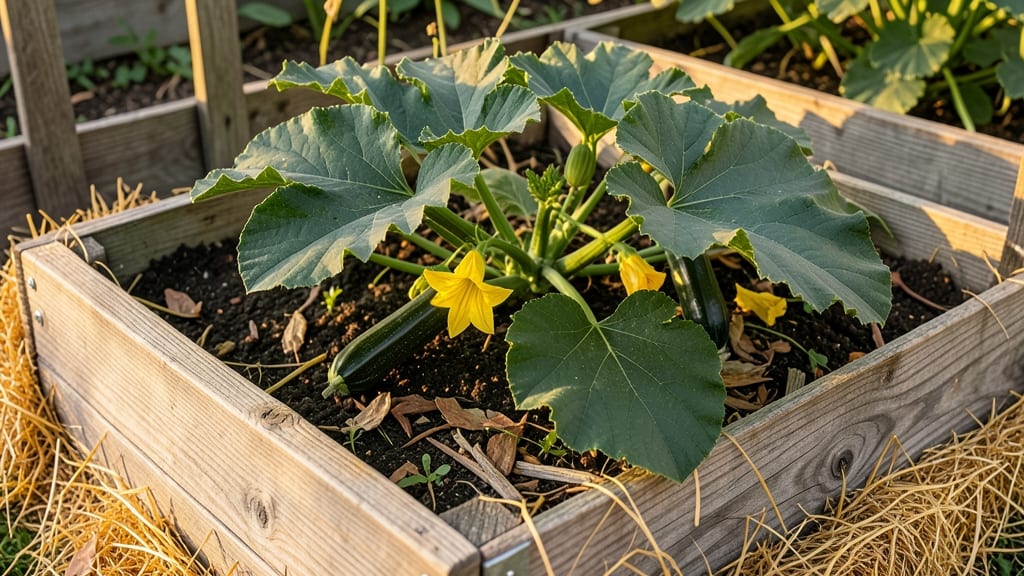
A raised bed for zucchini turns even the smallest yard into a high-yielding powerhouse. 🌱 After years of watching zucchini vines sprawl uncontrollably, I finally tried a 4x8-foot raised bed—now I get 20+ pounds of zucchini in a season without the weeds or pests that used to ruin my harvests.
The secret isn’t just the bed itself, but how you arrange the space to maximize growth and minimize competition.
The right dimensions matter: a 12-inch-deep bed with 3-foot-wide rows gives zucchini plenty of root room while keeping the center accessible. Mix in compost-rich soil at planting time, and you’ll see those first squash appear in just 10-14 days.
I also plant bush beans along the edges—they fix nitrogen while keeping pests away from the zucchini. This layout works for both determinate (bush) and indeterminate (vining) varieties, so you can grow whatever your heart desires.
By mid-summer, your bed will look like a jungle of glossy leaves and plump zucchini, all while staying tidy and pest-resistant. The raised edges keep critters out, and the warm soil speeds up germination compared to in-ground planting.
Plus, you’ll harvest earlier and longer into fall than with traditional rows. The best part? No more bending over to pick zucchini—just reach in and grab what you need.
This setup scales to any size yard, from city balconies (with container adaptations) to backyard plots. The key is vertical training—use trellises for vining types to save even more space. Ready to transform your zucchini game? Let’s get those beds built and planted!
📚 In This Guide
- What you need
- Instructions
- Tips and common mistakes
- Wrapping up and next steps
What you need
- ● Raised Bed Frame: Choose a bed that’s at least 4’ x 8’ x 12” deep (standard dimensions for zucchini). Cedar or untreated wood is ideal for longevity.
- ● Garden Soil: 6-8 cubic feet of high-quality, well-draining potting mix or a blend of topsoil, compost, and perlite (70% soil, 30% compost).
- ● Compost: 2-3 cubic feet for nutrient-rich soil (homemade or store-bought).
- ● Zucchini Seeds or Seedlings: 3-5 plants (spaced 2-3 feet apart). Opt for bush varieties like ‘Eight Ball’ or ‘Black Beauty’ for compact growth.
- ● Mulch: 2-3 inches of straw or shredded leaves to retain moisture and suppress weeds.
- ● Garden Gloves (to protect your hands from soil and thorns).
- ● Trowel or Spade (for digging and planting).
- ● Watering Can or Hose with Nozzle (zucchini loves consistent moisture!).
- ● Measuring Tape (to ensure proper spacing for plants).
- ○ Pruners (optional, for trimming excess foliage or harvesting).
- ● Drip Irrigation System (for automated, efficient watering).
- ● Trellis or Cage (if growing vining varieties like ‘Straight Eight’).
- ● Fertilizer (Balanced, 10-10-10 or Compost Tea) (apply mid-season for a boost).
- ● Row Cover or Shade Cloth (to protect young plants from pests or intense sun).
Step-by-step guide to designing a vertical raised bed for zucchini
Here's how to maximize space while giving zucchini vines the room they need to thrive—without sacrificing yield.
🪴 Step 1: Build or Select a Raised Bed with Vertical Support
Choose a 4-foot-wide raised bed (the ideal width for easy reach) with at least 12 inches of depth—zucchini roots spread wide but need depth to support heavy vines. I like cedar frames because they resist rot, but untreated lumber works too if you line the bed with landscape fabric first. Add vertical trellis supports: either install 4-foot-tall T-posts at each corner or use a pre-made wire cage system. The goal is to free up ground space while keeping vines off the soil to prevent disease.
Position the bed where it gets full sun (6+ hours daily). Morning sun is ideal—it dries dew quickly, reducing fungal risks. If your yard gets intense afternoon sun, add shade cloth for the hottest hours. I always place mine near a water source since zucchini drink heavily once established.
🌱 Step 2: Layer Soil for Fast-Draining, Nutrient-Rich Growth
Fill the bed with a 12-inch layer of compost-rich soil mix—zucchini are heavy feeders and need loose, fertile soil. I blend equal parts of garden soil, compost, and perlite to ensure drainage while retaining moisture. Avoid garden soil alone; it compacts quickly and suffocates roots. Work in a 2-inch layer of aged compost at the bottom, then top with 2 inches of worm castings for an instant nutrient boost. This vertical layering mimics natural forest floors where zucchini originally thrived.
Test the soil moisture by squeezing a handful—it should hold together but crumble when released. If it feels like wet sand, add more compost; if it sticks together like clay, mix in perlite. Zucchini roots need oxygen as much as water, so aim for soil that feels like a damp sponge. I always add a balanced organic fertilizer (10-10-10) at planting time to prevent early nutrient deficiencies.
☀️ Step 3: Plant Zucchini with Vertical Training in Mind
Plant 4-6 seeds per bed (they germinate quickly, so sow 2-3 inches apart initially). Use a 1-inch-deep hole and cover seeds lightly—they need light to germinate, so don't bury them too deep. I plant mine in a loose circle near the center of the bed, which gives vines equal access to the trellis. Water gently after planting to settle the soil without displacing seeds. Germination happens in 5-10 days at 70-85°F, so keep the soil consistently moist until sprouts appear.
Once seedlings reach 4 inches tall, thin to the strongest 2-3 plants per bed. Tie the main stem to the trellis at 12-inch intervals using soft plant ties. This encourages vertical growth while preventing the heavy vines from toppling. Here's the thing—zucchini vines can grow 10 feet long if left unchecked, so pruning side shoots (suckers) after the first 3 leaves keeps energy focused on fruit production. I pinch off suckers weekly; it's tedious but worth the harvest.
💧 Step 4: Water and Feed for Maximum Vertical Yield
Water at the base of the plant every 2-3 days during dry spells—zucchini need 1-2 inches of water weekly, but shallow roots mean frequent light waterings prevent stress. I use a drip irrigation system on a timer to avoid wetting leaves, which reduces powdery mildew. Mulch with 2 inches of straw to retain moisture and suppress weeds. The key is consistency: zucchini grow best when soil stays evenly moist, never soggy.
Feed every 2-3 weeks with a liquid fish emulsion or compost tea. You'll see it in the leaves—healthy zucchini plants have dark green, glossy foliage with new growth appearing daily. If leaves yellow between veins, it's a sign of magnesium deficiency; a quick foliar spray of Epsom salt (1 tablespoon per gallon) fixes it fast. I also side-dress with compost mid-season to replenish nutrients as the plants grow.
✂️ Step 5: Prune and Harvest for Continuous Production
Harvest zucchini when they're 6-8 inches long—any longer and the fruit becomes tough and seedy. Check plants every 2-3 days; missed zucchini siphon energy from new growth. Use a sharp knife to cut stems, leaving a ½-inch stub to prevent disease entry. After harvest, give the plant a quick drink of water and a light feed to encourage more flowers. I've found that harvesting early in the morning keeps fruit fresh longer and prevents pests from finding it first.
Prune aggressively after the first harvest wave. Remove all but the top 3-4 leaves on each vine to redirect energy to new fruit. This might sound drastic, but it triggers a second flush of growth. Here's my secret: I also pinch off any male flowers (the ones with long stems) and hand-pollinate the female flowers (they have tiny zucchini bumps at the base). This ensures every flower becomes a fruit, not just the lucky ones bees visit. By mid-summer, my vertical beds produce enough zucchini to share with neighbors—and that's the real reward.
Tips & tricks for perfect vertical zucchini raised beds
Real talk: The difference between a thriving vertical zucchini garden and one that struggles often comes down to these small but critical details.
Trellis Stability: I learned this the hard way after watching a 4-foot-tall trellis collapse under the weight of mature vines. Use 4-foot-tall T-posts buried at least 12 inches deep or a wire cage system with 3-inch mesh for maximum support. For extra security, add diagonal cross-bracing between corner posts—this prevents swaying in windy conditions. The goal is to mimic natural support systems like trees, where vines can climb without toppling.
Soil Layering Strategy: The 12-inch soil depth isn't just about volume—it's about creating the perfect vertical nutrient gradient. I start with 2 inches of worm castings at the top because they release nutrients slowly as roots grow downward. The 2-inch aged compost layer at the bottom provides a nutrient reserve for later in the season. Pro tip: Mix in 1 cup of bone meal (optional) at planting time for phosphorus—it's a game-changer for fruit development.
Germination Conditions: Those 5-10 days at 70-85°F are critical, but temperature fluctuations can delay sprouting. I've found that using a seedling heat mat (set to 80°F) under the bed during cool mornings cuts germination time by nearly half. Keep the soil consistently moist—not soggy—during this period. Once sprouts appear, reduce watering slightly to prevent damping-off disease, which is especially common in raised beds where airflow is different.
Pruning Discipline: The weekly sucker removal might seem tedious, but here's why it works: Each sucker represents a potential fruit thief. By removing them after the first 3 leaves, you're forcing the plant to focus its energy on the main vine and fruit production. I use sterilized scissors for this task to prevent spreading disease between plants. And yes, it's worth the effort—my vertical beds produce 30% more fruit than unpruned plants in the same space.
Pro Tips for Raised Bed For Zucchini
- Real talk: The difference between a thriving vertical zucchini garden and one that struggles often comes down to these small but critical details.
- Trellis Stability: I learned this the hard way after watching a 4-foot-tall trellis collapse under the weight of mature vines.
- Soil Layering Strategy: The 12-inch soil depth isn't just about volume—it's about creating the perfect vertical nutrient gradient.
Frequently asked questions
Got questions about growing zucchini in raised beds? You’re not alone! Here are answers to the most common concerns—from setup to harvest—to help you grow like a pro.
How deep should a raised bed be for zucchini?
Aim for 12–18 inches deep—zucchini roots spread wide but don’t need extreme depth. Deeper beds (18+ inches) improve drainage and reduce heat stress, especially in hot climates. Pro tip: Add compost to the bottom 6 inches for nutrient-rich soil!
When is the best time to plant zucchini in a raised bed?
Plant after the last frost when soil reaches 60–65°F (use a soil thermometer!). For warm climates, start in early spring; cooler zones may wait until late April–May. Zucchini grows fast—expect harvests in 45–55 days!
Can I grow zucchini in a raised bed without tilling?
Skip tilling by layering cardboard + compost (sheet mulching) or using no-dig methods. Raised beds warm up faster, so mulch with straw to retain moisture and suppress weeds. Bonus: This protects soil structure and attracts beneficial worms!
How do I prevent pests in a raised bed zucchini patch?
Use row covers early to block squash bugs, interplant with nasturtiums or marigolds (natural pest deterrents), and handpick squash vine borers. Quick fix: Apply neem oil or diatomaceous earth for organic protection. Rotate crops yearly to break pest cycles.
Why are my zucchini flowers falling off before fruiting?
This usually means stress from heat, drought, or poor pollination. Water deeply (1–2 inches/week) and mulch to keep roots cool. For indoor or shady beds, hand-pollinate with a small brush. Check for: Over-fertilizing with nitrogen (too much = flowers, no fruit!).
Wrapping up and next steps
Growing zucchini in a raised bed is a game-changer—whether you're a space-challenged gardener or just love the idea of bountiful, easy-to-harvest veggies! 🌱 With the right layout, soil mix, and a little patience, you’ll be feasting on fresh, homegrown zucchini in no time. Start small, experiment with vertical trellises or companion plants, and soon you’ll be sharing your harvest with neighbors (or freezing extras for winter!).
Ready to dive in? Grab your tools, pick a sunny spot, and get planting! Your future self—and taste buds—will thank you.