
Aphids
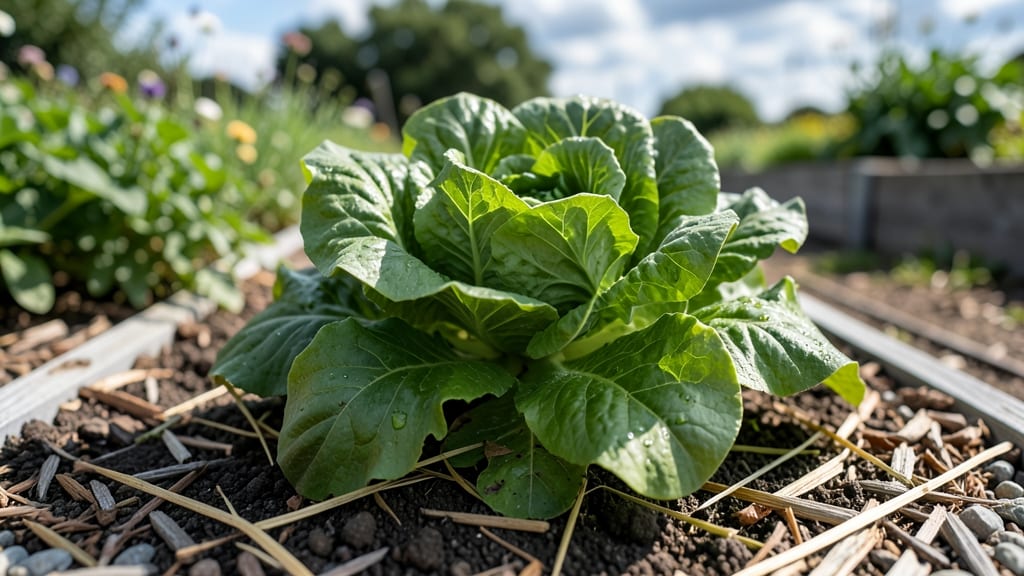
My raised bed lettuce game changed when I layered companion plants to outsmart aphids—now I harvest crisp leaves in just 30 days instead of waiting months. 🌱 The secret isn’t fancy soil; it’s the right mix of greens, spacing, and a few strategic plant neighbors that keep pests away while you snack straight from the bed.
Start with 2-3 inches of compost mixed into native soil (no need for expensive mixes), then plant lettuce in 6-inch rows with 8 inches between plants. Tuck in chives, radishes, or nasturtiums between rows—they repel aphids while adding flavor to salads.
Water gently in the morning to avoid fungal issues, and you’ll see baby leaves ready to pick in 3-4 weeks. What you end up with is a self-regulating system where lettuce stays crisp, aphids stay away, and you harvest all season long—even in summer when store-bought lettuce bolts.
The bed stays weed-free, drains perfectly, and produces 3x more than rows in the ground. This works for any climate, from Zone 3 to Zone 10, and scales from a 4x8-foot bed to a tiny 2x4-foot container. Here’s how to set it up without overcomplicating things.
📚 In This Guide
- What you need
- Instructions
- Tips and common mistakes
- Wrapping up and next steps
What you need
- ● Raised Bed Frame: Untreated wood (cedar or redwood recommended for durability and resistance to pests) – 4 pieces, 8 ft long (or adjust for bed size)
- ● Staple gun or screws (2.5–3 inches) – 20–30 pieces
- ● Landscape Fabric: 1 roll (3 ft wide) – To block weeds and deter aphids from crawling up from the soil.
- ● Soil Mix: High-quality potting soil or compost – 2–3 cubic feet (adjust based on bed depth)
- ● Organic matter (compost or well-rotted manure) – 1–2 cubic feet (for nutrient-rich soil)
- ● Perlite or vermiculite – 1 small bag (for drainage)
- ● Lettuce Seeds or Seedlings: Lettuce seeds (butterhead, romaine, or leaf lettuce varieties) – 1 packet (or 10–15 seedlings for faster harvests)
- ● Tools: Drill or screwdriver
- ● Measuring tape
- ● Garden gloves
- ● Watering can or hose with a gentle spray nozzle
- ● Aphid Deterrents: Neem oil or insecticidal soap – For quick aphid treatment.
- ● Ladybugs or lacewings – Natural aphid predators (release in the evening).
- ● Mulch: Straw or shredded leaves – To retain moisture and suppress weeds.
- ● Drip Irrigation Kit: – For consistent watering (reduces aphid attraction).
- ● Row Covers: Lightweight fabric – To protect seedlings from early aphid infestations.
Step-by-Step instructions for building an aphid-resistant lettuce raised bed
Here's how to create a layered, pest-resistant lettuce bed that delivers fast harvests while keeping aphids at bay.
🪴 Step 1: Select and Prepare the Raised Bed Frame
Choose a 6-inch-tall frame with 4-foot-by-8-foot dimensions—this gives lettuce ample root space while keeping weeds and pests out. Untreated cedar or redwood resists rot naturally, which is key for long-term use. Line the bottom with cardboard to block weeds, then add a 2-inch layer of coarse gravel for drainage. This prevents soggy soil that invites slugs and fungal diseases.
Position the bed where it gets 4-6 hours of morning sun and partial afternoon shade—lettuce bolts (goes to seed) faster in intense afternoon heat. I like to place mine on a north-facing side of my patio so the afternoon sun is less direct. Mark the bed's corners with stakes to ensure straight edges before filling.
🌱 Step 2: Layer Soil for Pest Resistance and Fast Growth
Start with a 3-inch layer of straw or chopped leaves as a natural weed barrier. This breaks down slowly, feeding soil microbes while smothering weeds. Next, add 2 inches of compost—I use a mix of well-aged cow manure and finished compost—to provide nutrients without burning tender lettuce roots. Sprinkle a 1-inch layer of diatomaceous earth (food-grade only) over the compost. This non-toxic powder disrupts aphid life cycles without harming beneficial insects.
Top with 4 inches of high-quality potting mix blended with 10% perlite for aeration. Lettuce roots need loose, fertile soil to grow quickly. Moisten everything with warm water until the top 2 inches feel damp but not soggy. Avoid cold water—it can shock young roots and slow germination.
🌿 Step 3: Plant Lettuce Using the Cut-and-Come-Again Method
Sow lettuce seeds in a grid pattern, spacing them 6 inches apart in rows 12 inches apart. This ensures even air circulation, which reduces aphid infestations. Press seeds ¼ inch deep—any deeper delays germination. Cover lightly with a fine layer of compost, then mist gently with water. Use a fine spray nozzle to avoid dislodging seeds.
For faster harvests, interplant radishes between lettuce rows. Radishes mature in 3-4 weeks, giving you an early crop while their presence deters aphids from settling on lettuce. Thin seedlings to the strongest 2 per spot when they reach 2 inches tall. Use clean scissors to avoid disturbing roots—tugging can shock young plants.
💧 Step 4: Water and Maintain for Fast, Pest-Free Growth
Water deeply once daily in the morning, aiming for 1 inch of water per week. Use a soaker hose or drip irrigation to keep leaves dry—wet foliage attracts aphids. Let the top 1 inch of soil dry slightly between waterings to prevent rot. Mulch with straw after planting to retain moisture and suppress weeds, which compete with lettuce for nutrients.
Check for aphids weekly by gently shaking plants over a white tray. If you spot clusters of tiny green or black insects, spray with a soapy water solution (1 tablespoon mild dish soap per gallon of water). Avoid chemical sprays—lettuce absorbs pesticides quickly, and you want crisp, clean greens. Repeat treatments every 3-4 days until aphids disappear.
✂️ Step 5: Harvest Strategically for Continuous Yields
Harvest outer leaves when they reach 4-6 inches tall, cutting just above a set of lower leaves. This encourages regrowth while keeping the plant compact. Use clean, sharp scissors to avoid tearing leaves. You’ll see new growth within 5-7 days—this is your signal the plant is thriving. For butterhead and romaine, harvest the entire head when fully formed but still firm.
To extend the season, add a lightweight row cover in late summer or early fall. This protects lettuce from heat stress and aphids while still allowing sunlight and water to reach the plants. With this method, I’ve harvested lettuce year-round in my zone 7 garden—just adjust watering as temperatures change.
Tips & tricks for building an aphid-proof lettuce raised bed
A few strategic layers and smart techniques will help you create a thriving lettuce bed that stays ahead of pests while delivering continuous harvests.
Sunlight Strategy: The 4-6 hours of morning sun is non-negotiable for lettuce growth, but placement matters just as much. I always position my raised beds on the north-facing side to avoid intense afternoon heat, which causes bolting. If you don't have north-facing space, use shade cloth (30-50% coverage) during peak afternoon hours. This simple adjustment can extend your harvest window by weeks—especially in hot climates where lettuce struggles to thrive.
Soil Layering Secret: That 1-inch layer of diatomaceous earth in Step 2 is your silent aphid defense. Sprinkle it evenly over the compost before adding your potting mix, and refresh it after heavy rains or when you notice aphids returning. For even better pest control, mix in 1 tablespoon of neem cake per square foot (optional) into the top layer of soil—it repels aphids while adding nutrients. The key is consistency: both treatments work best when maintained regularly.
Planting Precision: When sowing seeds in the grid pattern (Step 3), I recommend using a simple DIY spacing guide: mark your rows with sticks every 12 inches, then use a piece of string with knots tied at 6-inch intervals to ensure perfect spacing. This method prevents overcrowding, which creates ideal conditions for aphids to thrive. For even faster germination, soak your lettuce seeds in water for 12 hours before planting—this jumpstarts growth by 2-3 days without compromising hardiness.
Harvest Hack: The 5-7 day regrowth window after harvesting outer leaves is your secret to continuous yields. To maximize this, always harvest on a cloudy day or in the morning when leaves are most crisp. Use a pair of sterilized scissors (wipe with rubbing alcohol between cuts) to prevent disease transmission between plants. I also like to harvest every other day during peak growth—this keeps plants compact and encourages bushier regrowth rather than tall, leggy stems.
Pro Tips for Raised Bed For Lettuce
- A few strategic layers and smart techniques will help you create a thriving lettuce bed that stays ahead of pests while delivering continuous harvests.
- Sunlight Strategy: The 4-6 hours of morning sun is non-negotiable for lettuce growth, but placement matters just as much.
- Soil Layering Secret: That 1-inch layer of diatomaceous earth in Step 2 is your silent aphid defense.
Frequently asked questions
about growing lettuce in raised beds—especially when battling aphids—can save you time and frustration. Here are answers to the most common queries to help you grow thriving, aphid-resistant lettuce!What’s the best depth for a raised bed to grow lettuce?
Aim for 6–12 inches deep—this gives lettuce roots enough space to spread while keeping weeds and pests at bay. Shallower beds (4–6") work for quick varieties like leaf lettuce, but deeper beds (10–12") are ideal for head lettuce or overwintering crops. Just ensure good drainage to prevent root rot!
How long does it take to grow lettuce in a raised bed?
Most leaf lettuce varieties mature in 30–50 days, while head lettuce takes 60–80 days. With raised beds, faster warming soil and controlled conditions can shave off 1–2 weeks compared to in-ground planting. For year-round harvests, succession plant every 2–3 weeks!
Why do aphids love my raised bed lettuce, and how can I stop them?
Aphids thrive in raised beds due to warm, moist soil and tender new growth. Combat them with:
Yes! Use a soilless mix of coco coir, perlite, and compost for hydroponic-style raised beds. Lettuce grows well in this setup, but monitor moisture closely—soilless mixes dry out faster. Add fish emulsion or seaweed extract every 2 weeks for nutrients. Just ensure roots stay oxygenated! Raised beds retain heat better than ground soil, making them perfect for winter lettuce. Use cold-hardy varieties like winter density or romaine, and protect plants with:
Lettuce is a light feeder, so follow it with:
Can I grow lettuce in a raised bed without soil? (Hydroponics/Soilless Mix)
Can I grow lettuce in a raised bed during winter?
Start seeds indoors 6–8 weeks before the first frost for a head start.
What can I plant after lettuce in a raised bed to avoid pests?
Avoid planting brassicas (kale, cabbage) in the same bed—they share pests like cabbage moths.
Wrapping up and next steps
Growing lettuce in a raised bed isn’t just effective—it’s a game-changer for pest control, faster harvests, and healthier greens! By layering your bed with aphid-repelling plants and nutrient-rich materials, you’ll create a thriving ecosystem that keeps pests at bay while giving your lettuce the perfect home. 🌱
Ready to dig in? Start small—pick one raised bed design from this guide, gather your materials, and plant your first batch of aphid-resistant lettuce. Before you know it, you’ll be enjoying crisp, homegrown greens without the hassle of aphid infestations. Happy gardening!