
Landscaping
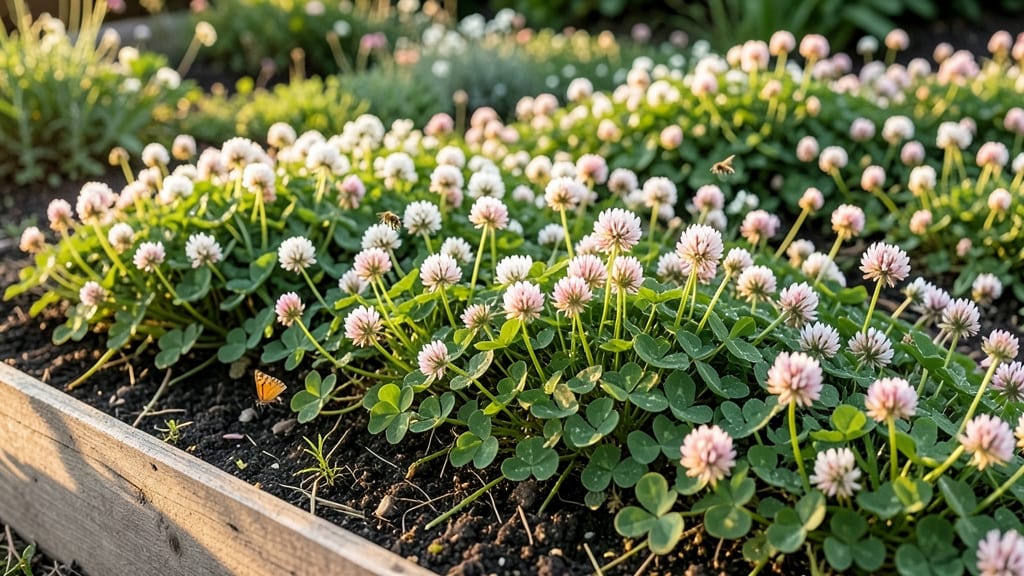
Cold climates don’t have to shorten your growing season. These ten raised bed cover ideas protect plants from frost, extend harvests, and even improve soil health—without breaking the bank or complicating your garden routine.
Frost Blankets for Early Spring Protection
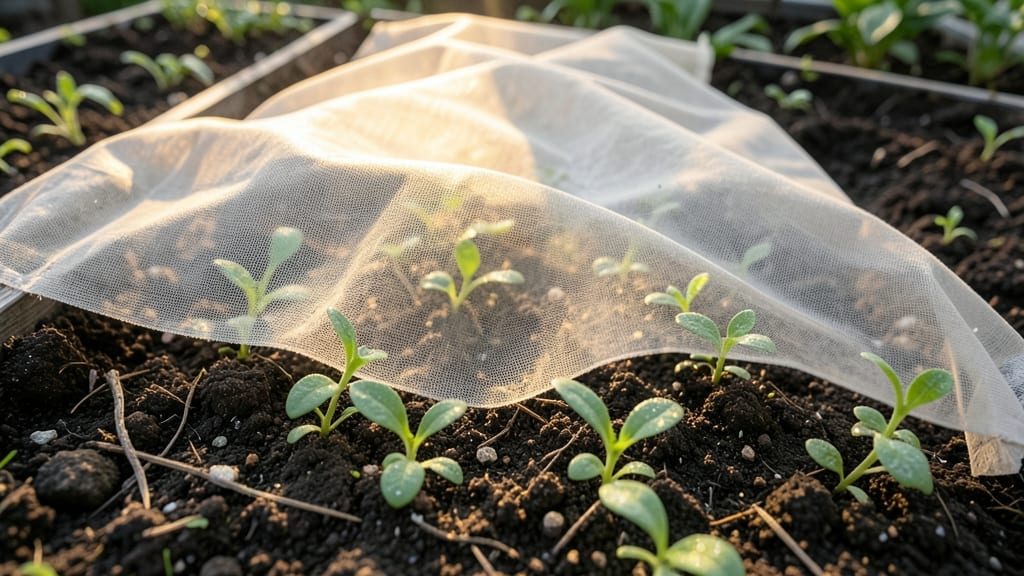
When those unexpected late-spring frosts threaten to wipe out your tender seedlings, a frost blanket is your secret weapon. Unlike heavy tarps that smother plants, these lightweight fabrics trap radiant heat while letting sunlight penetrate—keeping roots warm without blocking photosynthesis.
Made from breathable polypropylene, frost blankets (like Reemay or Agribon) work by creating a microclimate that raises temperatures by 5-8°F while allowing air circulation. Simply drape them over seedlings at dusk and remove by mid-morning to prevent overheating. They’re especially effective for cool-season crops like lettuce, spinach, and broccoli that bolt in warm soil.
Perfect for beginners or busy gardeners, these blankets are reusable, affordable, and easy to store—ideal for anyone who wants to extend their growing season without the complexity of greenhouses. 🌱
Clear Plastic Tunnels for Greenhouse Effect
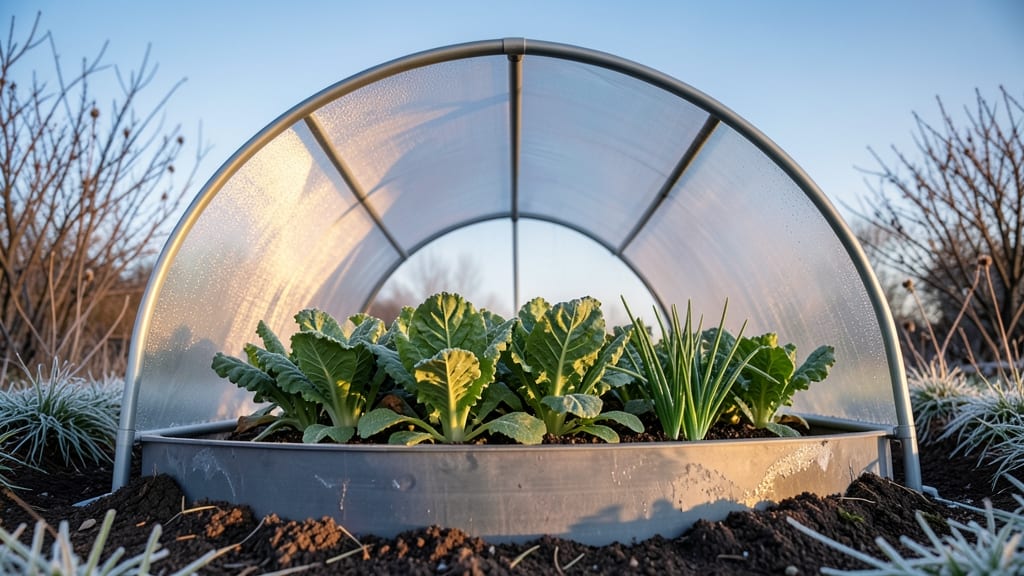
When 20°F nights threaten to freeze your leafy greens and herbs before you’re ready to harvest, clear plastic tunnels act like a portable greenhouse—without the permanent structure. These lightweight, affordable setups trap solar heat during the day and release it slowly at night, creating a microclimate that can push temperatures up by 10-15°F.
For DIY tunnels, use 10-foot lengths of 6-mil plastic (available at garden centers) and bend them into arches over wooden or PVC hoops spaced 3-4 feet apart. Secure the edges with soil or bricks to prevent wind damage. Store-bought versions often include removable doors for easy access. Perfect for kale, spinach, cilantro, and parsley, these tunnels can extend your harvest 2-4 weeks longer into fall—or even let you grow overwintering crops like garlic and onions.
Urban gardeners with limited space will love how tunnels maximize vertical growing while protecting delicate plants. Just remember to ventilate on warm days to prevent overheating—your plants will thank you with lush, thriving growth. 🌱
Straw Mulch for Soil Insulation
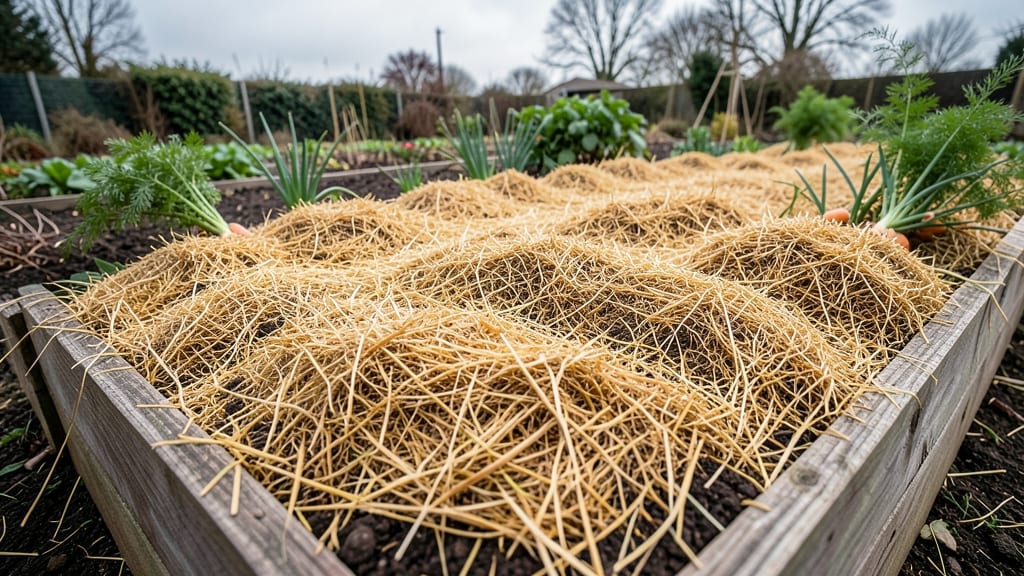
Looking for a zero-cost, all-natural way to shield your raised beds this winter? Straw mulch transforms your soil into a cozy, insulating blanket that keeps root crops like carrots and perennials like asparagus thriving—even when temperatures drop. Unlike synthetic covers, straw breaks down over time, enriching your soil with organic matter while working.
Spread a 4-6 inch layer of straw after your plants are established (or in early spring before planting). This thickness moderates soil temperature swings, retains 30% more moisture, and smothers weeds by blocking sunlight. For best results, use clean, weed-free straw (not hay, which can introduce seeds) and replenish it annually in spring. It’s especially effective for slow-growing root vegetables that need consistent warmth.
Straw mulch is the budget-friendly choice for gardeners who prioritize organic methods and want to reduce watering while protecting their plants. Perfect for beginners or anyone looking to cut back on synthetic materials! 🌱
Burlap Sacks for Wind and Frost Barrier
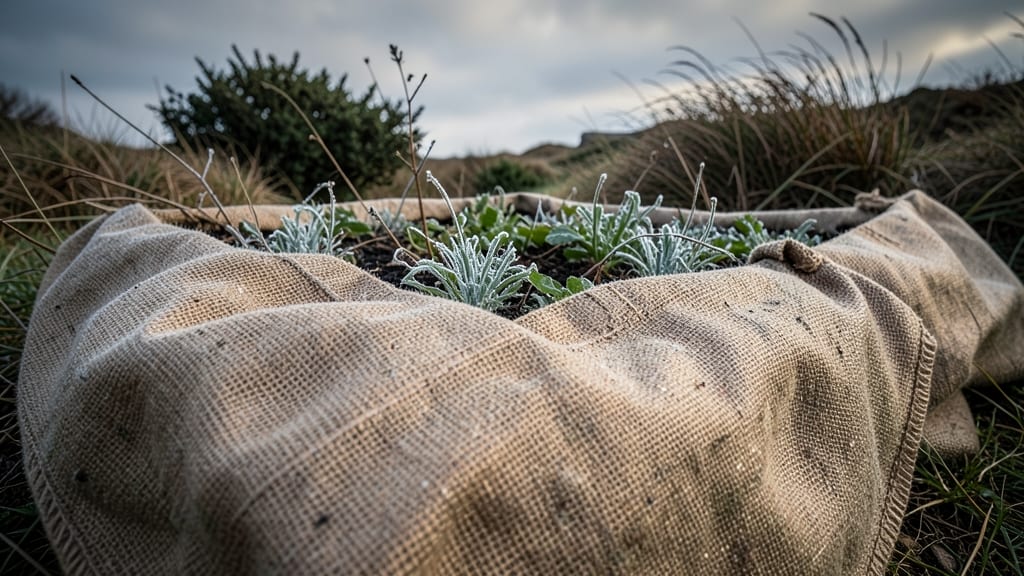
When fierce winds or sudden frosts threaten your exposed garden beds, burlap sacks act like a natural fortress—blocking gusts while reflecting warmth back to your plants. Unlike flimsy covers, their heavy-duty texture stands up to high winds, making them ideal for windy coastal areas or open fields where other materials might fail.
Drape burlap over the edges of your raised bed or loosely cover tender crops like lettuce or spinach during late fall or early spring. The natural fiber also allows some airflow, preventing condensation buildup that can lead to fungal issues. For extra protection, layer burlap with a lightweight frost blanket on the coldest nights. Reuse old sacks from hardware stores—they’re budget-friendly and compostable when worn out.
This solution is perfect for urban gardeners with limited space or rural plots facing harsh exposure. It’s a no-fuss way to shield plants without investing in expensive equipment. 🌱
Row Covers with Built-In Supports
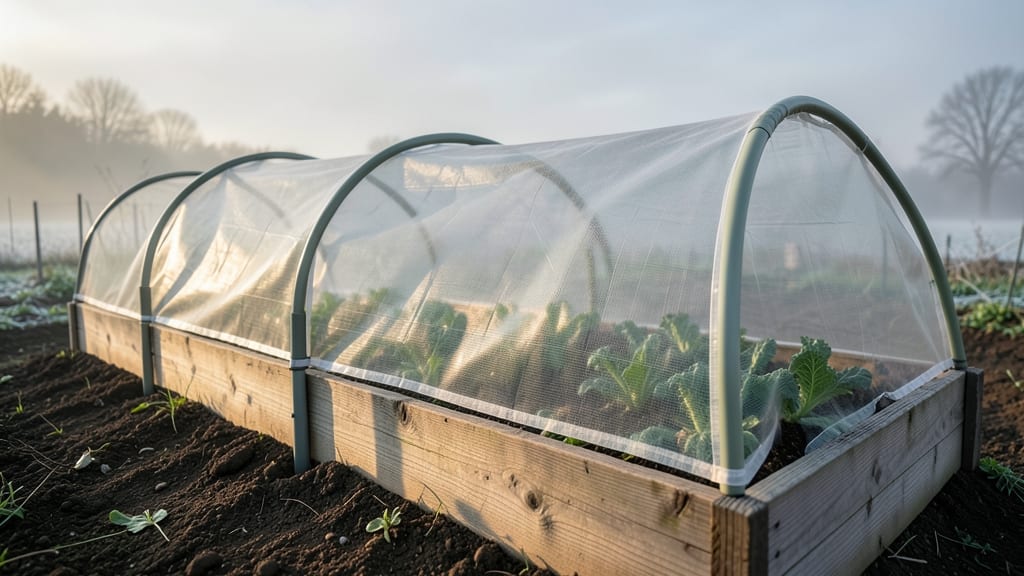
When a sudden cold front threatens your raised bed, row covers with built-in supports are your fastest solution. These pre-assembled covers—complete with hoops, stakes, or arches—eliminate the need for DIY setups, letting you deploy protection in minutes instead of hours.
Look for lightweight, breathable fabrics (like spunbond polyester) that allow sunlight while blocking frost. The metal hoops or wooden stakes create a sturdy frame, ensuring even coverage over delicate seedlings or leafy greens. Most systems weigh less than 10 pounds, making them easy to store and move between beds.
Perfect for urban gardeners or beginners, these covers extend growing seasons without the complexity of cold frames. Just drape, secure, and forget—until harvest time! 🌟
Pine Needle Mulch for Acid-Loving Plants
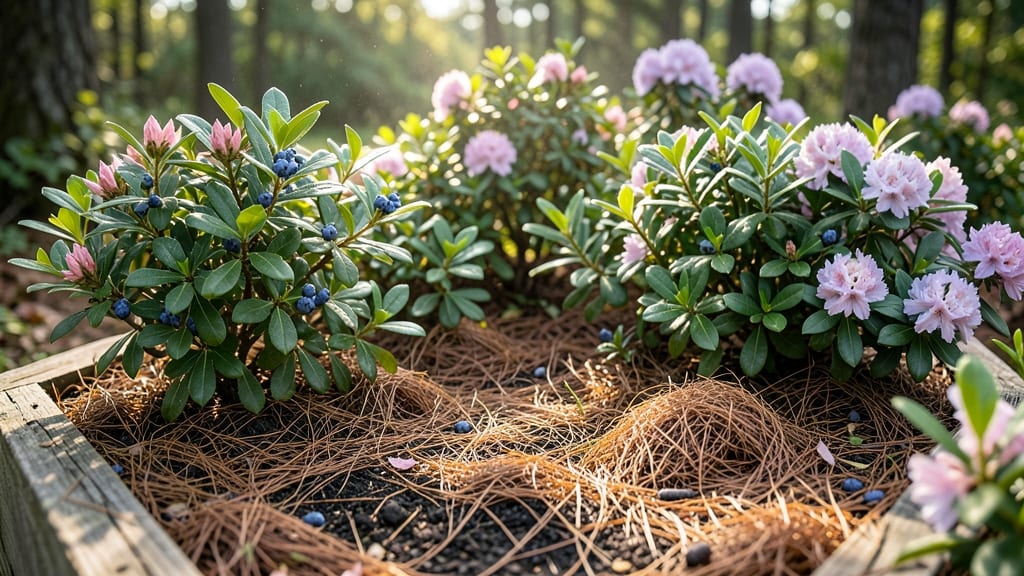
If you grow blueberries, azaleas, or rhododendrons, pine needle mulch is your secret weapon for creating the perfect acidic environment—naturally. Unlike synthetic soil amendments, these needles break down slowly, releasing organic matter that lowers soil pH over time while improving drainage in heavy clay beds.
Collect fallen needles from nearby pine trees (avoid treated wood) and spread a 2-3 inch layer around acid-loving plants in early spring or fall. The mulch also repels slugs and retains moisture better than straw. For best results, refresh annually since needles decompose gradually over 1-2 years, making it a low-maintenance solution.
This mulch is especially valuable for gardeners in USDA zones 3-6 who struggle with alkaline soils. It’s free, sustainable, and transforms your garden into a thriving acidophilic paradise without harsh chemicals. 🌿
Cold-Frame Lids for Year-Round Growing
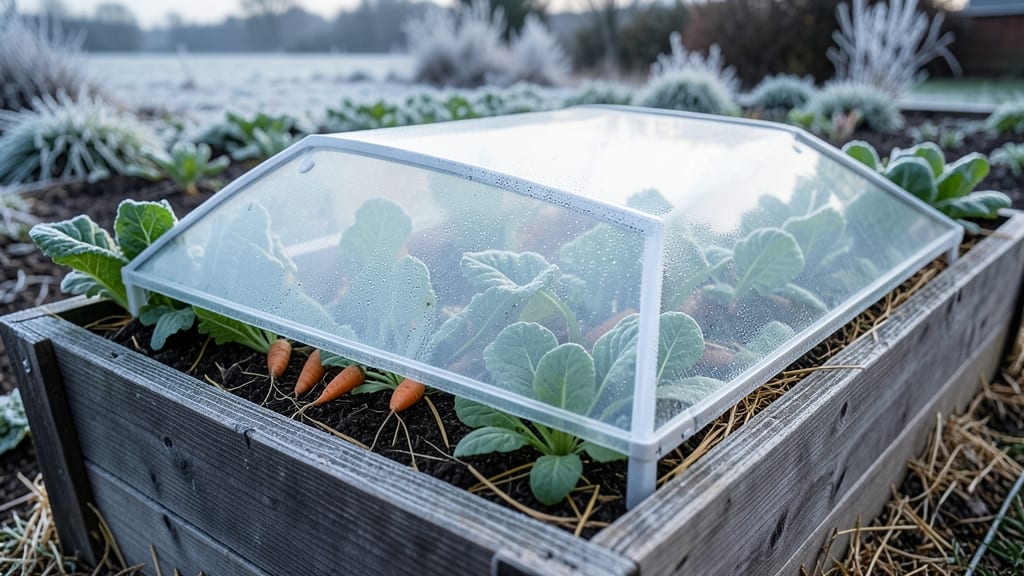
Want to keep growing kale, carrots, and spinach even when frost threatens? A cold-frame lid acts like a mini greenhouse, trapping daytime warmth and insulating plants overnight—no electricity needed.
These lids are typically made of clear glass or polycarbonate, allowing sunlight to penetrate while blocking cold winds. Simply remove them during warm days to prevent overheating. They’re perfect for hardy crops that can tolerate light frosts but need protection from sudden freezes.
Ideal for small-space gardeners or those with limited resources, cold frames are a low-maintenance way to extend your harvest into late fall and early spring. 🌱
Geotextile Fabric for Weed Control
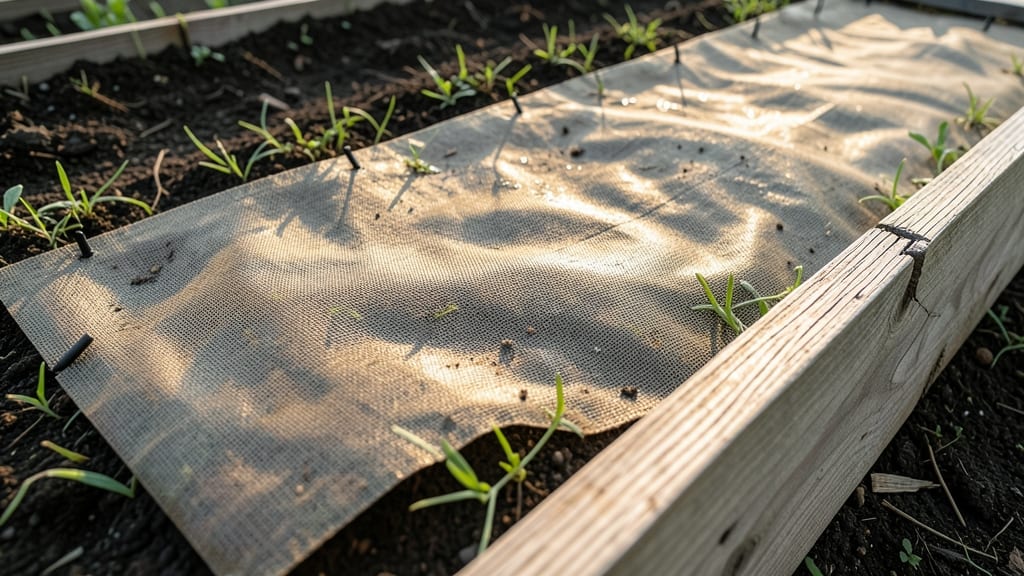
Tired of battling weeds while trying to protect your vegetable beds during those unpredictable shoulder seasons? Geotextile fabric is your secret weapon—it blocks weeds, lets water and air through, and even warms the soil without suffocating your plants.
This breathable yet sturdy material creates a barrier that suppresses weeds while allowing roots to grow freely. Unlike plastic, it doesn’t trap moisture or smother soil, making it ideal for long-term use in raised beds. The fabric’s ability to retain heat also gives young plants a gentle boost during cooler evenings. Simply lay it over bare soil or mulch before planting to keep weeds at bay all season long.
Perfect for urban gardeners or anyone short on time, geotextile fabric requires minimal maintenance and lasts for years. It’s the ultimate low-effort solution for keeping your beds tidy and your crops thriving. 💚
Black Plastic Tarps for Soil Warming
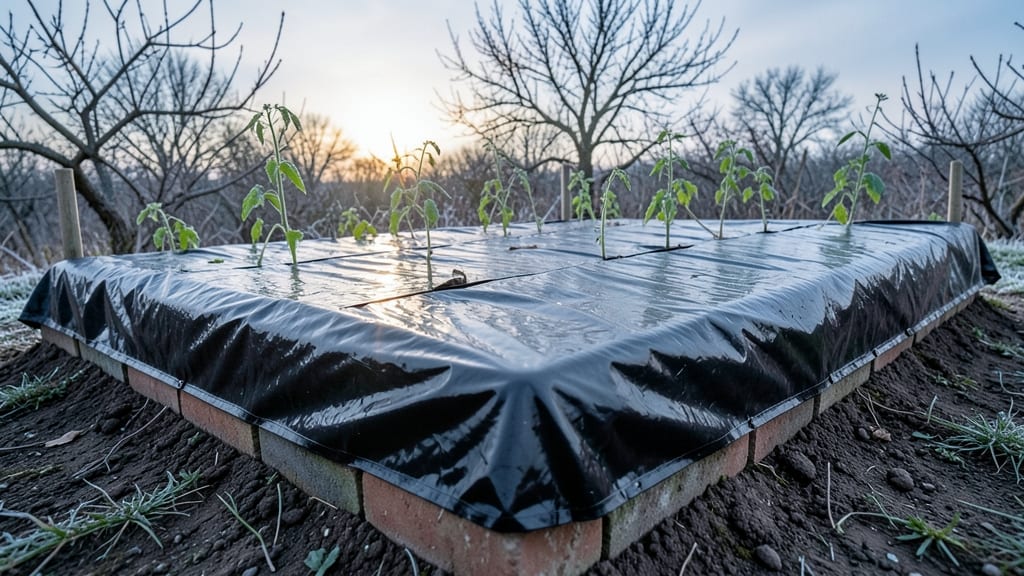
When spring seems to crawl in your cold microclimate, black plastic tarps become your secret weapon. These heavy-duty sheets transform chilly soil into a warm planting bed in just 24-48 hours by absorbing sunlight like a solar panel, making them perfect for early-season warm-lovers like tomatoes and peppers.
Simply lay the tarp directly on bare soil 2-3 weeks before planting to raise temperatures by 10-15°F. Remove it temporarily when planting to avoid smothering roots, then replace it for 3-5 days afterward to maintain warmth. This method also suppresses weeds and preserves moisture—ideal for gardeners with short growing seasons who need every warm day to count.
Best for urban gardeners with limited space or those using raised beds, black tarps offer a zero-maintenance, budget-friendly solution that outperforms organic mulches for rapid soil warming. 💡
Living Mulch with Clover or Clover Mix

If you’re tired of static mulches that break down too quickly, living mulch with clover is a game-changer—especially in cold, wet climates. Unlike straw or plastic, clover grows year-round, insulating soil while fixing nitrogen and preventing erosion, all while inviting pollinators to your garden.
Sow white Dutch clover or a clover mix in early spring or fall, keeping it mowed to a height of 3-4 inches to maintain its mulching benefits. This living cover thrives in partial shade, making it ideal for raised beds where sunlight might be limited. By winter, its dense growth acts as a natural blanket, shielding roots from freezing temperatures.
Organic gardeners and those with waterlogged soils will love this low-maintenance solution—it’s like having a self-sustaining, soil-enriching carpet that never needs replacing. 🌿