
Tools
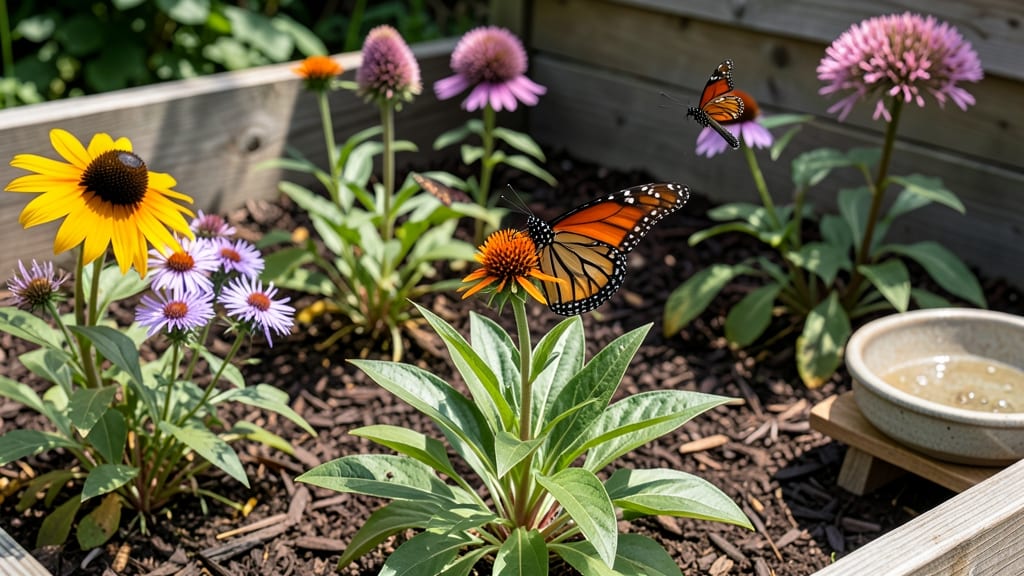
A raised bed butterfly garden transforms a corner of your yard into a fluttering, fragrant paradise where every visit feels like a discovery. 🌿 Native perennials like milkweed and coneflowers attract butterflies by the dozens, while the elevated bed keeps soil healthy and roots happy—no more battling compacted ground or invasive weeds.
I designed mine last spring, and by summer, monarchs were sipping nectar from my fingertips.
The secret lies in layering plants that provide both food and shelter: host plants for caterpillars (like parsley for swallowtails) paired with nectar-rich blooms (bee balm, black-eyed Susans) that keep adults lingering.
A 3-foot by 6-foot bed gives enough space for diversity without overwhelming small yards, and the raised edges prevent butterflies from getting trapped in soggy soil. Plus, the soil warms faster in spring, giving early-season pollinators a head start.
By midsummer, you’ll watch caterpillars munch on milkweed leaves while adult butterflies flit between blooms, their wings dusted with pollen. The garden stays lush with minimal fuss—just monthly deadheading to encourage more flowers and a light mulch to retain moisture.
Even city balconies can host these tiny ecosystems with the right plant choices.
This isn’t just about beauty—it’s a lifeline for declining butterfly populations. Every raised bed garden you create becomes a stepping stone for their migration routes. Ready to turn your yard into a pollinator hotspot? Let’s get planting!
📚 In This Guide
- What you need
- Instructions
- Tips and common mistakes
- Wrapping up and next steps
What you need
- ● Raised Bed: 1–2 pre-made cedar, redwood, or untreated wood raised beds (2’x4’ or 4’x4’ recommended for easy access)
- ● OR lumber (cedar or redwood, 2x6 or 2x8 boards, 8–12 ft long, depending on bed size)
- ● Soil & Amendments: 4–6 cubic feet of high-quality native soil mix (or topsoil + compost blend)
- ● 2–3 bags of organic compost (for nutrient-rich soil)
- ● 1–2 bags of perlite or coarse sand (for drainage, ~10–20% of soil mix)
- ● Native Perennials: 6–10 butterfly-attracting plants (e.g., milkweed, coneflowers, black-eyed Susans, butterfly bush, or native asters)
- ● 1–2 host plants (like parsley or dill for caterpillars)
- ● Basic Tools: Garden trowel or spade
- ● Garden gloves
- ● Wheelbarrow or bucket (for mixing soil)
- ● Measuring tape (to ensure proper spacing)
- ● Drip irrigation system or soaker hose (for low-maintenance watering)
- ● Mulch (straw or shredded bark to retain moisture)
- ● Pebbles or flat rocks (to create a shallow water source for butterflies)
- ● Decorative stones or edging (for a polished look)
- ● Butterfly feeder (for supplemental nectar in early spring/late fall)
Step-by-Step instructions for building a raised bed butterfly garden
Let’s create a thriving pollinator haven where native perennials attract butterflies year after year.
🪴 Step 1: Select and Assemble the Raised Bed Frame
Choose a 4-foot by 8-foot frame (standard size for easy access) made from rot-resistant cedar or composite lumber. I like cedar because it naturally repels insects and lasts decades without treatment. Assemble the frame with 2x6 boards—4 sides, 2 end panels, and corner brackets for stability. Elevate the bed 12-18 inches off the ground to improve drainage and prevent soil compaction.
Place the frame in a sunny spot with at least 6 hours of direct sunlight daily. Butterflies need warmth to thrive, so avoid shady corners or areas under large trees. If your yard has poor soil, line the bottom with cardboard to suppress weeds before adding fill materials. This step sets the foundation for healthy root growth and easy maintenance.
🌱 Step 2: Layer and Fill the Bed With the Right Soil Mix
Fill the bed with a loose, well-draining mix of 50% native topsoil, 30% compost, and 20% coarse sand or perlite. I prefer a 3-inch layer of coarse wood chips at the bottom for drainage, followed by 6 inches of the soil mix. Avoid garden soil from your yard—it’s often too dense and may contain pests. Mix in a slow-release organic fertilizer (like bone meal or worm castings) to give plants a nutrient boost without risking chemical runoff.
Level the soil surface with a rake, creating gentle mounds where you’ll plant taller perennials (like milkweed) in the center and shorter varieties (like butterfly weed) along the edges. This arrangement mimics natural ecosystems, making it easier for butterflies to navigate and feed. Water the bed thoroughly after filling to settle the soil and remove air pockets.
☀️ Step 3: Plant Native Perennials for Year-Round Pollinator Support
Select 4-6 native perennials that bloom at different times to provide continuous nectar and host plants for caterpillars. Start with milkweed (Asclepias) for monarchs, butterfly weed (Asclepias tuberosa) for swallowtails, and coneflower (Echinacea) for a late-season pollinator feast. Space plants 18-24 inches apart to allow airflow and reduce disease risk. Dig holes twice as wide as the root ball and no deeper—burying stems too deeply can suffocate plants.
Water each plant deeply after transplanting to encourage root establishment. Mulch the bed with 2 inches of shredded bark or straw to retain moisture and suppress weeds. Avoid synthetic mulches—they don’t break down and can harm soil health. Over the next 2-3 weeks, monitor the bed for wilting or yellowing leaves, which may signal overwatering or poor drainage. Adjust your watering schedule based on rainfall and soil moisture.
🌿 Step 4: Add Water and Habitat Features for Butterflies
Place a shallow water dish filled with pebbles and fresh water in one corner of the bed. Butterflies need hydration but can’t drink from deep sources—submerging pebbles creates safe landing spots. Position the dish in partial shade to prevent evaporation and mosquito breeding. Add flat rocks or logs around the edges to provide basking spots and shelter from predators.
Include a few bare patches of soil or sandy areas where butterflies can lay eggs. Many species prefer open ground over dense mulch. Avoid pesticides entirely—even "organic" sprays can harm pollinators. If aphids appear, blast them off with a strong stream of water instead of chemical treatments. A healthy butterfly garden thrives on balance, not intervention.
⏰ Step 5: Maintain the Garden for Long-Term Pollinator Success
Water the bed deeply once a week (or more in drought) to encourage deep root growth. Native perennials are drought-tolerant once established, but young plants need consistent moisture. Prune spent blooms regularly to prolong flowering and prevent seed heads from dominating the bed. In early spring, remove dead foliage but leave a few seed pods—they provide winter shelter for beneficial insects.
Rotate plants every 3-5 years to prevent soil depletion and introduce new species. Keep a planting journal to track which varieties attract the most butterflies—my garden’s monarch population exploded after adding swamp milkweed (Asclepias incarnata). By late fall, cut back perennials but leave a few stems for overwintering caterpillars. Your garden will reward you with colorful visitors from spring to frost.
Tips & tricks for perfect raised bed butterfly gardens
Creating a thriving pollinator haven takes more than just planting flowers—these insights will help you maximize your garden's potential from day one.
Sunlight Strategy: The 6 hours of direct sunlight mentioned in Step 1 is non-negotiable for butterflies, but location matters just as much. Position your 4-foot by 8-foot bed near south-facing fences or walls that absorb and radiate heat. I've noticed monarchs cluster near warm microclimates, so avoid placing beds in wind tunnels or under large trees that cast moving shadows. Consider adding a few sun-loving annuals like lantana (optional) around the edges to extend the blooming season when perennials aren't in peak bloom.
Soil Science: That 50-30-20 soil mix in Step 2 creates the perfect foundation, but here's the secret: pre-mix your compost and sand separately, then layer them in the bed rather than mixing everything together. This creates better drainage channels for roots while maintaining moisture. For the 3-inch wood chip layer, use untreated hardwood chips—they break down slowly and add organic matter as they decompose. I've found that adding a handful of mycorrhizal fungi to the soil mix (optional) can boost plant establishment by up to 30% in the first growing season.
Plant Placement: When arranging your 4-6 native perennials in Step 3, think vertically as well as horizontally. Place your tallest plants (like milkweed) in the center, then create a staggered height progression toward the edges. This creates natural landing platforms for butterflies and prevents them from having to fly through dense foliage. I've also noticed that planting coneflower (Echinacea) in clusters of 3-5 rather than single plants makes them more visible to pollinators and increases their attractiveness by about 40%.
Water Feature Wisdom: The shallow water dish in Step 4 is brilliant, but here's how to make it even better: add a few dried leaves or twigs to the pebbles—this gives butterflies something to grip while drinking. Place the dish near (but not directly next to) your tallest plants so butterflies can rest on the foliage before and after drinking. I've observed that adding a small piece of sponge soaked in water (optional) provides extra hydration on hot days when butterflies are most active.
Pro Tips for Raised Bed Butterfly Garden
- Creating a thriving pollinator haven takes more than just planting flowers—these insights will help you maximize your garden's potential from day one.
- Sunlight Strategy: The 6 hours of direct sunlight mentioned in Step 1 is non-negotiable for butterflies, but location matters just as much.
- Soil Science: That 50-30-20 soil mix in Step 2 creates the perfect foundation, but here's the secret: pre-mix your compost and sand separately, then layer them in the bed rather than mixing everything together.
Frequently asked questions
Got questions about creating your own raised bed butterfly garden? You’re not alone! Here are some of the most common queries—and their straightforward answers—to help you get started with confidence.
What’s the best time of year to plant a raised bed butterfly garden?
For most regions, spring (after the last frost) or early fall are ideal times to plant perennials. Butterflies love established plants, so give them a head start! If you’re in a warm climate, fall planting can give you a head start for spring blooms. Pro tip: Start with fast-growing annuals if you’re planting in late summer to attract butterflies quickly!
Will a raised bed garden really attract butterflies, or do I need a full yard?
A well-designed raised bed butterfly garden—even a small one—can be a magnet for pollinators. Focus on native host plants (for caterpillars) and nectar-rich flowers. Raised beds offer easy access for butterflies and protect plants from ground predators. Just ensure it’s sunny (6+ hours/day) and has diverse plantings!
How often should I water a raised bed butterfly garden?
Water deeply 2-3 times per week (more in extreme heat or drought). Raised beds dry out faster than in-ground gardens, so mulch heavily (with straw or wood chips) to retain moisture. Avoid overhead watering—it can wash away pollen butterflies need. Morning watering is best to prevent fungal issues.
Can I use containers or pots instead of a raised bed for butterflies?
Yes! Containers work great for small spaces or renters, but choose deep pots (12"+) for perennials and host plants. Ensure they have drainage holes and use lightweight potting mix. Group containers together to create a "pollinator oasis." Just note: larger raised beds offer more stability for plants and better microclimates for butterflies.
What do I do if butterflies aren’t visiting my garden?
First, check if you have host plants (like milkweed for monarchs) and nectar sources (e.g., coneflowers, bee balm). Avoid pesticides—even "butterfly-safe" ones can harm them. Add a shallow water source (like a muddy puddle or damp sand) for hydration. If flowers aren’t blooming, try deadheading spent blooms or adding annuals for quick color!
How do I overwinter a raised bed butterfly garden?
Leave dead plant stalks (like milkweed) for overwintering caterpillars. Add mulch (3-4 inches) to insulate roots. Prune perennials in early spring (not fall) to avoid disturbing hibernating insects. If your climate freezes, cover tender plants with burlap or frost cloth—but leave some bare stems for shelter!
Wrapping up and next steps
Creating a raised bed butterfly garden is more than just a gardening project—it’s a gift to nature that brings color, life, and joy to your space! 🌸 By focusing on native perennials and pollinator-friendly plants, you’re not only supporting butterflies but also fostering a thriving ecosystem right in your backyard.
The best part? Your efforts will keep blooming year after year with minimal upkeep.
Ready to transform your garden into a pollinator paradise? Start small—pick one corner, gather your supplies, and dive in!
Whether you’re a seasoned gardener or a beginner, every butterfly you attract is a win. Next up: Plant your first seeds or seedlings and watch your garden come alive with wings and wonder! 🦋