
Landscaping
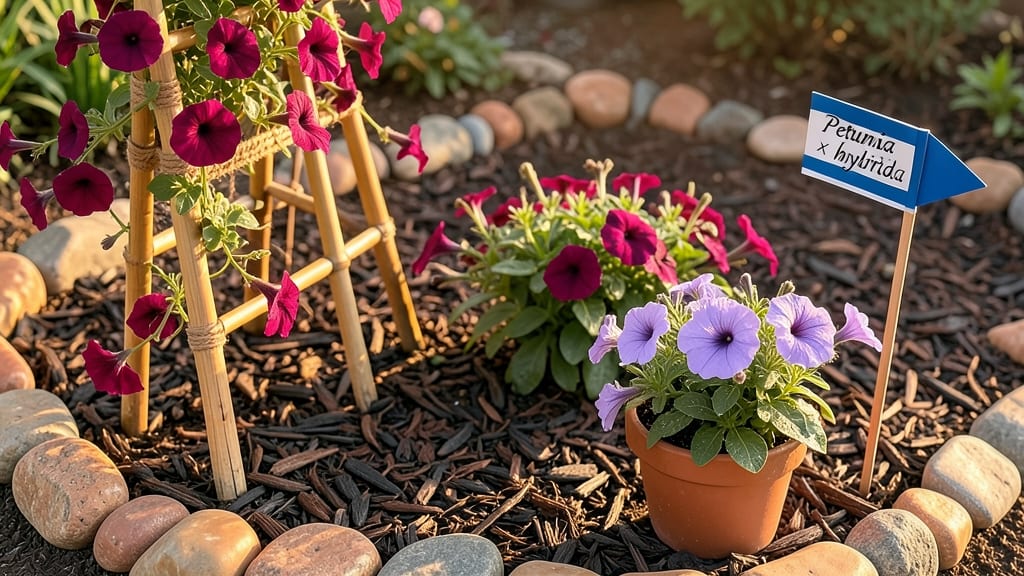
Petunia flower bed ideas explode with color when you pair their bold blooms with monochrome foliage borders—it’s the contrast that makes them pop. 🌿 I’ve designed beds where deep purple petunias frame silver-leafed plants, creating a striking visual that lasts all summer. The secret isn’t just the colors but the texture: velvety petunia petals against sleek, metallic foliage creates drama you can’t get with traditional borders.
Start with a 3-foot-wide bed for easy maintenance, using 12-18 petunia plants per linear foot for full coverage. Pair them with foliage plants like heuchera (purple or silver), lamium (silver), or sweet potato vine (chartreuse) for that monochrome edge.
The key is spacing: petunias need 12-18 inches apart, while foliage plants can tuck in closer—6-12 inches—to fill gaps without crowding.
By mid-July, you’ll have a bed so vibrant it looks like a professional display. The petunias thrive in full sun, while the foliage plants add structure, so even when blooms fade, the bed stays eye-catching.
Deadhead spent flowers weekly to keep them producing, and mulch with 2-3 inches of shredded bark to retain moisture and suppress weeds.
This combo works for modern borders, container gardens, or even cottage-style beds—just swap the foliage for lavender or dusty miller for a softer look. The best part?
Petunias are annuals, so you can refresh the colors every year without replanting the foliage. Let’s make your garden the talk of the neighborhood!
📚 In This Guide
- What you need
- Instructions
- Tips and common mistakes
- Wrapping up and next steps
What you need
- ● Petunia plants: 12–24 plants (depending on bed size; choose 2–3 contrasting colors like purple, pink, white, and red for drama). Opt for spreading varieties (e.g., 'Wave' or 'Supertunia') for full coverage.
- ● Monochrome foliage plants: 10–15 plants (e.g., Heuchera in silver/gray, Hosta in deep green, or Artemisia for a silvery texture). Select varieties with bold, uniform leaves for contrast.
- ● Potting soil: 10–15 cubic feet (high-quality, well-draining mix like Miracle-Gro Performance Organics or a 60/40 blend of garden soil and compost).
- ● Mulch: 2–3 bags (dark brown or black cypress mulch to enhance contrast or silver/gray pine bark mulch for a monochromatic look).
- ● Slow-release fertilizer: 1–2 bags (12–14 month, 14-14-14 NPK ratio, like Osmocote Smart-Release).
- ● Watering system: Hose with a soaker hose or drip irrigation kit (essential for petunias’ thirsty roots!).
- ● Garden tools: Trowel or hand shovel
- ● Garden gloves (nitrile-coated for grip)
- ● Pruners (sterilized)
- ● Rake (for leveling soil)
- ● Measuring tape (to mark bed dimensions).
- ● String or spray paint (to outline the bed design).
- ○ Edging material (optional): Metal, plastic, or stone edging (e.g., FlexEdge) to define borders neatly.
- ○ Stakes or plant markers (optional): For labeling petunia varieties if mixing colors.
- ● Sunlight assessment: Ensure your bed gets 6+ hours of direct sunlight daily (petunias thrive in full sun!).
- ● 🌡️ Test your soil: Use a pH test kit (aim for 6.0–7.0). Amend with lime or sulfur if needed.
- ● ✨ Prep the bed: Remove weeds, loosen soil to 12" deep, and mix in 2–3 inches of compost.
- ● 🎯 Plan your layout: Sketch a rough design—place taller foliage (e.g., Heuchera) at the back and petunias in the front for a cascading effect.
Step-by-Step instructions for designing a striking petunia flower bed
Here's how to create a bold, high-impact petunia display using color contrast and structured foliage.
🌿 Step 1: Plan Your Color Contrast Scheme
Petunias shine when paired with monochromatic foliage borders—think deep purple, silver, or chartreuse. I like to use three main colors: one dominant petunia hue (like magenta or cobalt blue), a complementary accent color (bright yellow or white), and a neutral foliage base (silver dusty miller or black mondograss). Sketch a rough layout on graph paper to visualize how the colors will interact from different angles.
Consider the viewing distance—close-up beds need tighter spacing (12-18 inches between plants), while beds viewed from across the yard can use wider spacing (24 inches). Place your boldest petunia varieties in the center where they'll draw the eye, then build outward with lighter colors and foliage. This creates natural depth without overwhelming the space.
🪴 Step 2: Prepare the Planting Area
Clear the bed of weeds and loosen the soil to a depth of 6-8 inches using a garden fork. Amend with 2-3 inches of compost mixed into the top 6 inches of soil—petunias are heavy feeders and need nutrient-rich soil to produce continuous blooms. I like to add a slow-release fertilizer (10-10-10) at planting time for a steady nutrient supply.
For a clean, professional look, create a raised edge using landscape fabric and edging stones. This keeps mulch and soil contained while preventing petunia roots from spreading into lawn areas. If your bed has slopes, build up the soil slightly on the downhill side to prevent erosion and ensure proper drainage.
☀️ Step 3: Arrange Plants for Maximum Impact
Start by placing your foliage plants first—they form the structural framework. Space them 18-24 inches apart depending on mature size, then fill gaps with petunias. I like to use trailing petunias (like 'Supertunia') at the edges and upright varieties (like 'Wave') in the center. This creates a natural spillover effect that softens the bed's edges.
Group petunias by color rather than variety—this prevents visual clutter and lets each hue pop. For example, place all magenta petunias together in one section, then transition to cobalt blue in the next. Leave 6-8 inches of space between petunia clusters to allow for air circulation and easy maintenance.
💧 Step 4: Water and Mulch for Long-Lasting Color
Water the bed deeply immediately after planting to settle the soil and eliminate air pockets around roots. Petunias need 1-1.5 inches of water per week, so I like to install a drip irrigation system on a timer to ensure consistent moisture. Water in the early morning to reduce evaporation and fungal diseases.
Apply 2-3 inches of mulch (cypress or shredded bark) over the soil surface, keeping it 2 inches away from plant stems to prevent rot. Mulch conserves moisture, regulates soil temperature, and suppresses weeds—critical for maintaining the bed's neat appearance. Replenish mulch every 4-6 weeks as it breaks down.
✂️ Step 5: Maintain for Continuous Blooms
Deadhead spent blooms weekly to encourage new flowers and prevent seed formation. I use clean pruners and snip just above the next set of leaves—this redirects the plant's energy into producing more blooms rather than seeds. Fertilize every 3-4 weeks with a balanced liquid fertilizer (like 20-20-20) during the growing season.
Watch for powdery mildew on foliage plants—this is common in high-humidity areas. If you see white powder on leaves, treat immediately with neem oil or a fungicide. Petunias are generally pest-resistant, but keep an eye out for aphids. A strong spray of water usually dislodges them without chemicals.
Tips & tricks for stunning petunia flower beds
These pro strategies will help you create a showstopping petunia display that wows from every angle.
Color Theory in Practice: When selecting petunia varieties, opt for shades that sit opposite each other on the color wheel for maximum contrast—like magenta with lime green foliage or cobalt blue with yellow petunias. I've found that adding a third "neutral" color (like white petunias) creates visual balance and prevents the design from feeling overwhelming. For instance, a deep purple foliage border with magenta petunias in the center and white petunias trailing at the edges creates a sophisticated, layered look that draws the eye naturally.
Soil Preparation Secret: The 6-8 inch soil loosening in Step 2 isn't just about aeration—it's about creating the perfect environment for petunia roots to establish quickly. I recommend adding a handful of perlite to your compost mix when amending the soil. This improves drainage while maintaining moisture retention, which is especially important during the hot summer months when petunias are most vulnerable to stress. The perlite also prevents soil compaction that can occur with heavy clay soils, ensuring your plants have room to grow.
Plant Placement Precision: In Step 3, when arranging your trailing petunias at the edges, consider creating a slight cascading effect by placing them on the downhill side of any slopes. This natural flow creates movement in your design and prevents the bed from looking flat. For circular beds, I like to place the largest petunia varieties in the center and work outward with progressively smaller varieties—this creates a sense of depth and makes the bed appear larger than it actually is.
Watering Wisdom: The 1-1.5 inches of weekly water mentioned in Step 4 is a guideline, but timing matters just as much. I've learned that watering in the early morning allows the foliage to dry completely before evening, which significantly reduces the risk of fungal diseases like powdery mildew. If you notice water beading on leaves in the morning, that's a sign you're watering too late—aim for water to be absorbed within 30 minutes of application. For container petunias, I recommend checking soil moisture daily during heatwaves, as they dry out much faster than in-ground plantings.
Pro Tips for Petunia Flower Bed Ideas
- These pro strategies will help you create a showstopping petunia display that wows from every angle.
- Color Theory in Practice: When selecting petunia varieties, opt for shades that sit opposite each other on the color wheel for maximum contrast—like magenta with lime green foliage or cobalt blue with yellow petunias.
- Soil Preparation Secret: The 6-8 inch soil loosening in Step 2 isn't just about aeration—it's about creating the perfect environment for petunia roots to establish quickly.
Frequently asked questions
Got questions about creating a stunning petunia flower bed?
Here are some of the most common concerns—and their solutions—to help you design with confidence!
When is the best time to plant petunias for a long-lasting flower bed?
Plant petunias in early spring after the last frost (typically April–May in most U.S. zones) for summer blooms. For fall color, plant in late summer (August–September). Pro tip: Start seeds indoors 8–10 weeks before the last frost for an earlier show!
Can I mix petunias with other flowers for a layered look?
Pair petunias with monochrome foliage plants (like silver dusty miller or black mondo grass) for bold contrast. Add low-growing annuals (e.g., calibrachoa) for texture, or taller plants (like salvia or snapdragons) for height. Just ensure they share similar sunlight and water needs!
How often should I water petunias to keep them thriving?
Water petunias 1–1.5 inches per week, either from rainfall or irrigation. Key tip: Water at the base (not overhead) to prevent mildew, and mulch to retain moisture. In extreme heat, check soil daily—wilting leaves mean it’s time to hydrate!
What pests or diseases should I watch for in my petunia bed?
Common issues include aphids, spider mites, and whiteflies (spray with neem oil) and powdery mildew (improve airflow). Preventative tip: Space plants 10–12 inches apart and deadhead spent blooms to encourage new growth. Healthy soil = happier petunias!
Can I reuse last year’s petunia plants, or should I start fresh?
Petunias are annuals, so they won’t survive winter. However, you can save seeds from hybrid varieties (though results may vary). For consistent color, buy new plants each year. Bonus: Rotate crops to prevent soil depletion!
Wrapping up and next steps
Transforming your garden with petunia flower beds is all about embracing creativity and bold contrasts!
Whether you’re drawn to the dramatic pop of bright blooms against dark foliage or the serene elegance of soft petunias with silvery borders, these ideas prove that striking visuals are just a few plants away. 🌸
Now that you’re inspired, grab your gardening gloves and start small—pick one design to test in a corner of your yard, or sketch a full layout for your dream flower bed. The key is to play with textures and colors while keeping maintenance in mind. Happy planting!
- Next step: Browse petunia varieties at your local nursery or order seeds online to begin your project!