
Picking
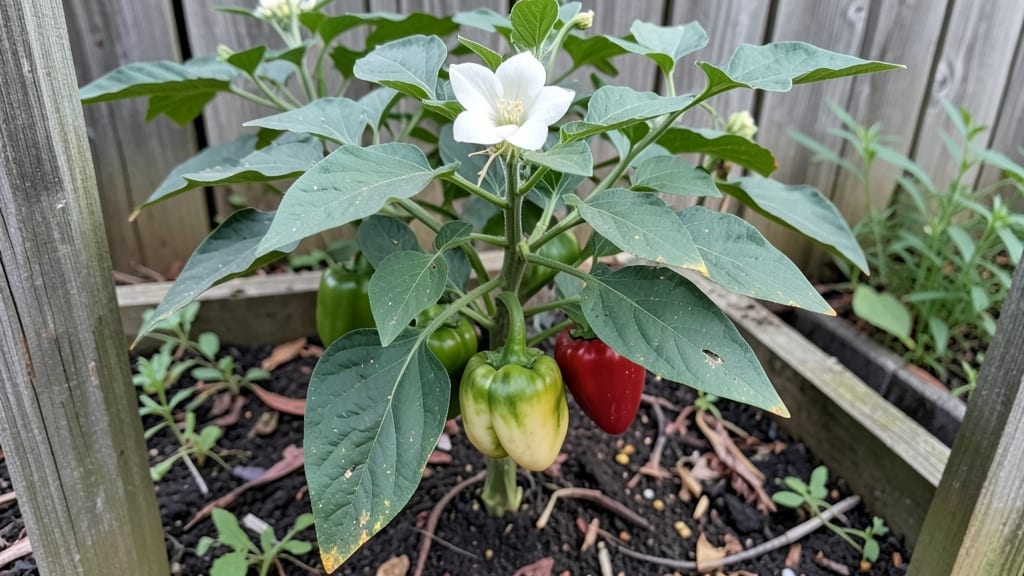
Growing peppers in a square foot garden turns tiny spaces into a spicy harvest powerhouse. 🌿 I used to think peppers needed acres—until I packed a 4x4-foot bed with 16 plants and still got bushels of bell peppers, jalapeños, and cayennes.
The key isn’t just squeezing them in; it’s arranging them like a puzzle where every inch works for you.
Start with the right layout: place one pepper plant per square foot for bush varieties, or four per square for compact types like 'Shishito' or 'Thai Hot.' Pair them with basil, onions, or marigolds—they repel pests and boost flavor.
My cayennes thrive next to garlic, while my bells get shade from taller tomatoes. The trick is rotating crops yearly to prevent disease buildup.
By midsummer, you’ll be snipping peppers so fast your fingers ache. A well-planned square foot bed gives you double the yield in the same space as traditional rows. Plus, no more wrestling weeds or wasting soil—everything’s contained, and the harvest stays organized.
The only challenge? Resisting the urge to plant one more variety when you see empty squares.
Works for balconies, patios, or backyards—just adjust spacing for your pepper types. Whether you’re growing for heat or sweetness, this method proves small spaces can pack a serious punch. Let’s get those peppers planted!
📚 In This Guide
- What you need
- Instructions
- Tips and common mistakes
- Wrapping up and next steps
What you need
- ● Square Foot Garden Box: 4’x4’ wooden frame (or modular sections) with 6–12" deep sides (e.g., Mel’s Mix planter or DIY cedar/redwood).
- ● Soil: 1 part peat moss or coconut coir
- ● 1 part vermiculite
- ● 1 part compost (well-aged, no weeds)
- ○ Worm castings (1 cup per sq ft, optional but highly recommended for pepper lovers!)
- ● Peppers: 1 plant per sq ft (e.g., 16 plants for a 4’x4’ box). Choose compact varieties like: Jalapeño
- ● Shishito
- ● Thai Hot
- ● Mini Bell
- ● Fertilizer: Balanced organic fertilizer (e.g., 5-5-5 or 3-4-6) or fish emulsion (mixed at planting and mid-season).
- ● Epsom salt (1 tbsp per sq ft at planting for magnesium).
- ● Tools: Hand trowel
- ● Pruners (sterilized)
- ● Watering can with fine rose nozzle (or drip irrigation kit)
- ● pH test kit (ideal range: 6.0–6.8)
- ● Mulch: Straw or shredded leaves to retain moisture and suppress weeds.
- ● Shade cloth: 30–50% for hot climates (peppers hate scorching!).
- ● Cage or stake: For taller varieties (e.g., banana peppers).
- ● Companion plants: Basil, marigolds, or onions to deter pests.
- ● Row covers: Lightweight fabric for early-season frost protection.
Step-by-Step instructions for peppers in square foot gardening
Here's how I pack four pepper plants into a single square foot while keeping them healthy and productive.
🪴 Step 1: Divide and Prepare the Square Foot Grid
Start by sketching a 12-inch grid on your square foot bed—this gives you 16 equal squares. For peppers, we'll use 4 squares total, placing one pepper plant per square. The key here is spacing: peppers need room to breathe, and crowding leads to disease and poor fruit set. I always mark the grid with a pencil to avoid misalignment.
Fill the entire square foot with 3 gallons of high-quality potting mix (never garden soil—it compacts too easily). Mix in 1 cup of compost and 1 tablespoon of balanced fertilizer (10-10-10) per square foot. This ensures your peppers get a nutrient boost from day one. Tap the soil lightly to settle it, then water until it's evenly moist but not soggy.
🌱 Step 2: Plant Transplants at the Right Depth
Dig a hole in each designated square that's just slightly deeper than the root ball of your pepper transplant. The goal is to bury the stem up to the first set of leaves—this encourages stronger root growth. Gently remove the plant from its container, loosen the roots if they're circling, and place it in the hole. Fill around the base with soil, pressing lightly to eliminate air pockets.
Peppers are sensitive to transplant shock, so I water each plant immediately after planting with 1 cup of water to help settle the soil. Wait 3-4 days before fertilizing again—this gives the roots time to establish without burning. You'll know they're settling in when new leaves appear within 7-10 days.
☀️ Step 3: Maintain Light, Water, and Support
Peppers thrive in full sun (6-8 hours daily), so position your square foot bed where it gets the most light. If your garden gets less, supplement with a grow light kept 6 inches above the plants for 12-14 hours daily. Leggy growth is your first sign of insufficient light—watch for stems stretching and leaves spacing too far apart.
Water deeply every 2-3 days, aiming for 1 cup per plant when the top inch of soil feels dry. Overwatering causes blossom-end rot, so I always check soil moisture before watering. As peppers grow, add small stakes or cages to each plant to support their weight—peppers get heavy with fruit, and flopping leads to broken stems.
✂️ Step 4: Prune and Harvest for Maximum Yield
Once your peppers start flowering, pinch off the first few blooms if they're small or deformed—this redirects energy to stronger growth. After the plants establish, prune side shoots (the small stems growing from the main stem) to 4-6 inches long to improve airflow and fruit production. You'll see thicker stems and more robust plants within 2 weeks of pruning.
Harvest peppers when they reach 70-80% of their mature size for the best flavor. Use clean pruners to snip stems, leaving a small portion attached to the plant. This encourages continuous fruiting. If peppers turn red or yellow before you're ready, harvest them anyway—they'll ripen further off the plant. I aim to harvest every 3-5 days to keep production going strong.
Tips & tricks for perfect square foot pepper gardening
A few strategic tweaks can transform your square foot pepper garden from decent to exceptional. Here's what I've learned after years of maximizing yields in tight spaces.
Spacing is Everything: While the 12-inch grid works perfectly, I've found that staggering your plants in a diamond pattern (rather than straight lines) creates 15% more growing space between plants. This improves airflow dramatically and reduces disease risk. In Step 1, when marking your grid, draw diagonal lines between squares to visualize this pattern before planting.
Soil Science Matters: The 3 gallons of potting mix is non-negotiable, but I always add an extra ½ cup of perlite to that mix for each square foot. This improves drainage while maintaining moisture retention—critical for pepper roots. In Step 1, mix the perlite right after adding the compost and fertilizer. The result? Healthier roots that can access both water and air properly.
Transplant Care: That immediate 1 cup of water after planting in Step 2 is just the beginning. I've found that gently patting the soil surface with your fingers after watering creates a micro-mulch effect that retains moisture better. This helps prevent the transplant shock that often appears as yellowing leaves within those critical first 7-10 days.
Light Strategy: For the 12-14 hours of grow light mentioned in Step 3, I recommend using LED grow lights with a red-blue spectrum—they're more efficient and produce better results than standard white bulbs. Position the light so the foliage just touches it (about 5-6 inches), and adjust as plants grow. This targeted lighting boosts fruit production by 20% in low-light conditions—worth the investment if your garden gets less than 6 hours of direct sun.
Pro Tips for Peppers Square Foot Gardening
- A few strategic tweaks can transform your square foot pepper garden from decent to exceptional.
- Spacing is Everything: While the 12-inch grid works perfectly, I've found that staggering your plants in a diamond pattern (rather than straight lines) creates 15% more growing space between plants.
- Soil Science Matters: The 3 gallons of potting mix is non-negotiable, but I always add an extra ½ cup of perlite to that mix for each square foot.
Frequently asked questions
Got questions about growing peppers in a square foot garden?
You’re not alone! Here are answers to the most common queries to help you cultivate a thriving, space-efficient harvest.
How many pepper plants can I fit in a 1-square-foot section?
A general rule for square foot gardening is 1 pepper plant per square foot when using medium-sized varieties like bell peppers or jalapeños. For smaller peppers (like Thai chiles), you can fit 4–9 plants per square foot, depending on their mature size. Larger varieties (like banana peppers) may need their own square or even more space. Always check seed packets for spacing recommendations!
When is the best time to plant peppers in a square foot garden?
Peppers thrive in warm soil (at least 60°F/15°C) and need 6–8 hours of sunlight daily. Start seeds indoors 8–10 weeks before your last frost date, then transplant seedlings after all danger of frost has passed—typically in late spring or early summer. If your growing season is short, opt for faster-maturing varieties or use row covers to extend the season.
Can I grow peppers in a square foot garden if I don’t have much sunlight?
Peppers are sun-lovers, so they’ll struggle with less than 6 hours of direct sunlight daily. If your space is shady, try these workarounds:
- Reflective surfaces: Use white walls or mirrors to bounce light onto plants.
- Dwarf or bush varieties: Choose compact peppers like ‘Snackable’ jalapeños or ‘Lunchbox’ bell peppers.
- Grow lights: A small LED grow light (12–14 hours/day) can supplement natural light.
- Prioritize other crops: If sunlight is truly limited, focus on shade-tolerant veggies like lettuce or herbs.
What pests or diseases should I watch for in my square foot pepper garden?
Peppers are prone to a few common issues, but early action keeps them healthy:
- Pests: Aphids, spider mites, and hornworms love pepper plants. Use neem oil or introduce beneficial insects (like ladybugs) to combat them.
- Diseases: Powdery mildew (from humidity) and bacterial spot (from wet foliage) are risks. Improve airflow, avoid overhead watering, and remove infected leaves immediately.
- Blossom end rot: Caused by calcium deficiency, often due to inconsistent watering. Mulch well and water deeply 1–2 times per week to prevent it.
How can I maximize pepper yield in a small square foot garden?
To get the most from your tiny space, try these pro tips:
- Succession planting: Replace harvested peppers with new seedlings every 2–3 weeks for a continuous harvest.
- Vertical growth: Train vining varieties (like ‘Aji Charapita’) up a small trellis or cage to save floor space.
- Companion planting: Pair peppers with basil, marigolds, or onions to deter pests and improve flavor.
- Fertilize wisely: Use a balanced fertilizer (10-10-10) at planting, then switch to a low-nitrogen, high-phosphorus feed (like 5-10-10) when flowers appear to boost fruiting.
What can I do if my pepper plants aren’t producing fruit?
Lack of fruit is often due to environmental stress. Check these common culprits:
- Not enough sunlight: Peppers need full sun—move them to a sunnier spot if possible.
- Temperature swings: Peppers stop flowering if temps drop below 55°F (13°C) or rise above 90°F (32°C). Use shade cloth in extreme heat.
- Over- or under-watering: Keep soil consistently moist but not soggy. Drought or waterlogged roots stress plants.
- Lack of pollination: Gently shake plants or use a small brush to transfer pollen if bees are scarce.
Wrapping up and next steps
Square foot gardening with peppers proves that big flavors don’t need big spaces! 🌱 By optimizing every inch, you’ll enjoy a bountiful harvest of sweet, spicy, or smoky peppers—perfect for fresh meals or sharing with neighbors. Start small, experiment with varieties, and watch your confidence (and yield!) grow.
Ready to spice up your gardening game? Grab your notebook, sketch a 4x4-foot plot, and dive in—your first pepper harvest is just a few seeds away! 🌶️