
Landscaping
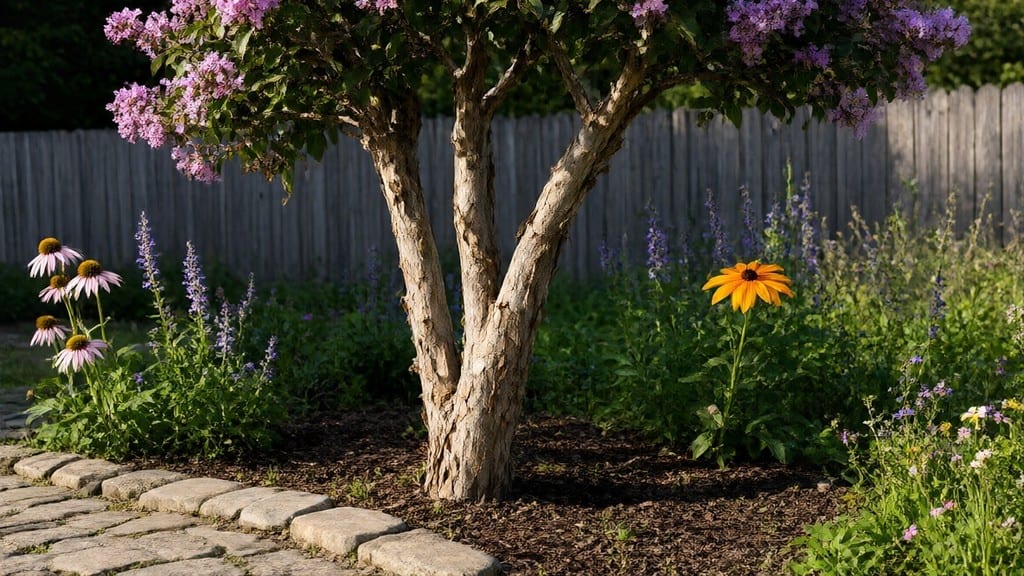
Creating a paradise gardens landscaping retreat starts with a vision of layered greenery and tranquil spaces that feel like a tropical escape.
I designed my own after a trip to Hawaii—where every path led to a hidden corner of ferns and fragrant blooms—and now my backyard stays lush without the constant upkeep.
The secret lies in choosing plants that thrive together, like orchids, bird-of-paradise, and native ferns, which require almost no deadheading once established.
This isn’t about expensive exotic plants—it’s about smart layering. Start with a moisture-retentive soil mix for tropical plants, then add drip irrigation to keep everything hydrated without effort.
Pathways made of natural stone or decomposed granite blend seamlessly, while water features (even a small pond or bubbling fountain) add the soothing sounds of a real paradise. The color palette? Think jewel tones—deep greens, purples, and golds—that stay vibrant year-round.
By summer, you’ll have a garden that feels like a vacation spot, not just a yard. The air will hum with the scent of jasmine and plumeria, and every corner will offer shade or a cool breeze.
Even in winter, evergreens and structural plants keep the space alive. The best part? Once established, this garden practically maintains itself—no more weekly deadheading or wilting blooms.
Works in any climate with the right plant choices—humid regions thrive with tropicals, while drier areas can use drought-tolerant succulents and ornamental grasses. The key is thematic cohesion: every element, from lighting to seating, should feel intentional. Ready to transform your space into a serene escape?
📚 In This Guide
- What you need
- Instructions
- Tips and common mistakes
- Wrapping up and next steps
What you need
- ● Native Perennials & Shrubs: 10-15 plants (e.g., Hydrangeas, Lavender, Coneflowers—choose low-maintenance varieties).
- ● Evergreen Ground Cover: 50 sq. ft. (e.g., Creeping Thyme, Ajuga, or Mondo Grass for year-round greenery).
- ● Mulch: 2-3 cubic yards (organic or inorganic, 2-3" deep layer).
- ● Waterwise Plants: 5-10 drought-tolerant options (e.g., Sedum, Yucca, or Russian Sage).
- ● Ornamental Grasses: 3-5 clumps (e.g., Maiden Grass, Fountain Grass for texture and movement).
- ● Soil Amendments: 10 bags of compost or slow-release fertilizer (for nutrient-rich beds).
- ● Essential Tools: Heavy-duty pruners (bypass or anvil type).
- ● Garden trowel & spade (for planting).
- ● Wheelbarrow (for hauling soil/mulch).
- ○ Hose with adjustable nozzle + drip irrigation kit (optional but recommended).
- ○ Optional (But Helpful!): Soil pH tester (to ensure optimal plant health).
- ● Kneeling pad (for comfort during planting).
- ● String line & stakes (for layout precision).
- ● Leaf blower (for debris-free cleanup).
- ● Site Assessment: Measure your space, note sunlight/shade patterns, and test soil drainage.
- ● Permits (if applicable): Check local regulations for large-scale landscaping projects.
- ● Budget Planning: Allocate funds for plants, materials, and potential hardscaping (e.g., pathways, water features).
- ● Seasonal Timing: Plant perennials in early spring or fall for best root establishment.
Instructions for creating a low-maintenance paradise garden
Here's how to design a vibrant, year-round landscape that thrives with minimal effort.
Select Drought-Tolerant Perennials and Shrubs
Choose plants that naturally resist disease and pests while requiring little to no deadheading. I focus on native species like lavender, Russian sage, and black-eyed Susans—these thrive in most climates with minimal intervention. Group plants by water needs to simplify irrigation. For example, place succulents and ornamental grasses together in dry areas, while hydrangeas and hostas go in moister zones.
Consider mature plant sizes to avoid overcrowding. A well-planned layout prevents competition for nutrients and reduces the need for frequent pruning. I always sketch a rough design first, marking each plant's eventual spread. This ensures your garden will look full and lush within its first growing season without constant maintenance.
Layer Soil Amendments for Long-Term Health
Improve drainage and retain moisture by amending the soil with 3 inches of compost and 2 inches of coarse sand mixed into the top 12 inches of native soil. This creates an ideal root environment that supports deep growth and reduces watering frequency. For clay-heavy soils, add 1 part perlite to every 3 parts soil to prevent compaction.
Test your soil's pH before planting. Most perennials prefer a neutral range of 6.0 to 7.0, while acid-loving plants like azaleas thrive at 5.0 to 6.0. Adjust with lime or sulfur as needed. I always take samples from multiple spots in the garden to account for natural variations. Healthy soil means fewer weeds and less stress on your plants.
Install an Efficient Irrigation System
Set up a drip irrigation system with emitters spaced 12 to 18 inches apart, depending on plant spacing. This delivers water directly to the root zone, reducing evaporation and runoff while keeping foliage dry—preventing fungal diseases. Use 1/4-inch tubing for most plants, with 1/2-inch main lines to distribute water evenly across the garden.
Program the system to run early in the morning (4-6 AM) for 20-30 minutes daily, adjusting seasonally. Mulch with 3 inches of shredded bark or wood chips after installation to retain moisture and suppress weeds. I always check for leaks and clogs in the spring to ensure consistent water pressure throughout the season.
Mulch and Fertilize Strategically
Apply a 3-inch layer of organic mulch around plants, keeping it 2-3 inches away from stems to prevent rot. Use shredded hardwood mulch for a natural look that breaks down slowly. Replenish mulch annually in early spring to maintain its protective layer. This practice conserves water, regulates soil temperature, and reduces weed competition.
Fertilize lightly in early spring with a balanced, slow-release fertilizer (10-10-10) at ½ the recommended rate. Over-fertilizing encourages lush foliage but weakens plants, making them more susceptible to pests. I prefer organic options like composted manure or fish emulsion for a gentler nutrient boost. Water deeply after applying fertilizer to help it penetrate the soil.
Prune for Shape and Health Only
Limit pruning to late winter or early spring, removing only dead, diseased, or crossing branches. Avoid heavy pruning of perennials unless necessary—many thrive with minimal intervention. For shrubs, prune just after flowering to maintain shape without sacrificing next year's blooms. I always use clean, sharp pruners to make precise cuts at a 45-degree angle just above a leaf node.
Resist the urge to "neaten" plants mid-season. Many perennials, like coneflowers and black-eyed Susans, develop their best character as they grow. Step back occasionally to assess the garden's natural beauty. The goal is a relaxed, abundant look that requires little effort to maintain—exactly what a paradise garden should be.
Tips & tricks for perfect paradise gardens landscaping
A few key strategies will transform your garden into a thriving, low-maintenance paradise that stays beautiful year-round with minimal effort.
Plant Selection Strategy: When choosing drought-tolerant perennials like lavender or Russian sage in Step 1, prioritize plants with staggered bloom times. This ensures continuous color throughout the growing season without requiring deadheading. For example, pair early bloomers like crocus with late-season coneflowers. I also recommend selecting varieties that naturally repel pests—like marigolds—to reduce chemical interventions entirely. The key is creating a balanced ecosystem where each plant supports the others.
Soil Amendment Precision: In Step 2, the 3 inches of compost and 2 inches of coarse sand mixture should be thoroughly incorporated into the top 12 inches of soil using a broadfork or tiller. This creates the perfect balance of aeration and moisture retention. For clay-heavy soils, I've found that adding perlite at a 1:3 ratio dramatically improves drainage while maintaining nutrient levels. Always test soil pH before planting—most perennials prefer 6.0-7.0, but acid-loving plants like azaleas need 5.0-6.0 for optimal growth.
Irrigation Optimization: The drip irrigation system in Step 3 works best when emitters are placed 12-18 inches apart, right at the root zone of mature plants. I recommend installing a timer that runs for 20-30 minutes early in the morning (4-6 AM) to minimize evaporation and fungal risks. Pro tip: Use pressure-compensating tubing to ensure even water distribution across slopes. After installation, always verify flow rates by measuring the output from each emitter—aim for about 1 gallon per hour for most perennials.
Mulch Maintenance: The 3-inch layer of shredded hardwood mulch in Step 4 should be refreshed annually in early spring before new growth begins. This timing prevents weed competition while allowing the mulch to break down gradually. I've noticed that maintaining 2-3 inches away from plant stems prevents moisture-related diseases. For added weed suppression, consider using landscape fabric under the mulch in high-weed areas, though this isn't necessary for well-established gardens.
Pro Tips for Paradise Gardens Landscaping
- A few key strategies will transform your garden into a thriving, low-maintenance paradise that stays beautiful year-round with minimal effort.
- Plant Selection Strategy: When choosing drought-tolerant perennials like lavender or Russian sage in Step 1, prioritize plants with staggered bloom times.
- Soil Amendment Precision: In Step 2, the 3 inches of compost and 2 inches of coarse sand mixture should be thoroughly incorporated into the top 12 inches of soil using a broadfork or tiller.
Frequently asked questions
What plants are best for a "zero deadheading" Paradise Gardens look?
Opt for self-cleaning perennials like black-eyed Susans, coneflowers, or Russian sage, which naturally shed spent blooms without losing their beauty. Ornamental grasses (e.g., fountain grass, maiden grass) and evergreen shrubs (like boxwood or holly) also require minimal upkeep while adding texture and color.
How long does it take to see noticeable results in a Paradise Gardens landscape?
With the right perennials and shrubs, you’ll see popping color and structure within the first season—especially if you start with established plants. Ground covers and grasses may take 2–3 months to fill in, while trees and larger shrubs can take 1–2 years to reach their full potential. Patience pays off!
Is Paradise Gardens landscaping more expensive than traditional gardens?
Not necessarily! While high-quality perennials and mulch may have a higher upfront cost, long-term savings come from reduced watering, fertilizing, and deadheading. DIY-friendly layouts (like layered planting beds) also cut labor costs. Pro tip: Shop sales, use native plants, and prioritize mulch to suppress weeds and retain moisture.
How do I keep my Paradise Gardens looking vibrant in drought or extreme heat?
Choose drought-tolerant plants like lavender, yucca, or sedum for hot climates. Deep watering 2–3 times per week (instead of daily shallow watering) encourages stronger root systems. Mulch heavily (3–4 inches) to lock in moisture, and group plants with similar water needs for efficiency.
Will I still have pests or weeds in a Paradise Gardens landscape?
No landscape is 100% pest-proof, but diverse, healthy plants deter many issues. Weeds thrive in bare soil, so mulch generously and plant densely to block sunlight. Beneficial insects (like ladybugs) can be encouraged with native flowers, while neem oil or soapy water sprays handle minor pests naturally.
Can I mix Paradise Gardens with edible plants or herbs?
Herbs like rosemary, thyme, and oregano
thrive in low-maintenance gardens and add fragrance. Edible perennials such as asparagus, rhubarb, or artichokes fit seamlessly. Just plan them near pathways for easy harvesting and avoid overcrowding to prevent disease.
Wrapping up and next steps
Creating a Paradise Gardens landscape that thrives year-round with minimal effort is absolutely achievable—no deadheading required! 🌿 By choosing low-maintenance perennials, native plants, and smart design principles, you’ve already set the stage for a lush, vibrant garden that feels like a retreat.
The key? Confidence in your choices and a willingness to let nature do the heavy lifting.
Ready to transform your outdoor space? Start small—perhaps with a single low-maintenance bed or a native plant corner—and watch your garden flourish with ease. Your paradise awaits! 🌸