
Vegetables
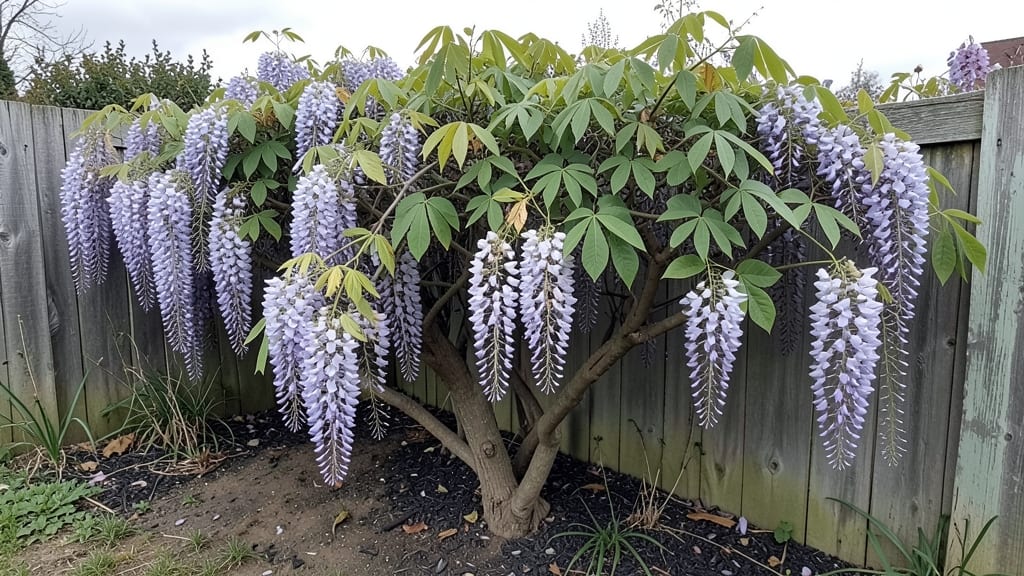
Longwood Gardens' wisteria isn't just a vine—it's a 4-season spectacle that transforms their landscapes into living art. 🌿 The way those cascading purple blooms spill over trellises in spring, then morph into golden foliage in fall, makes every visit feel like stepping into a postcard.
I’ve stood beneath the 200-foot-long wisteria tunnels, breathing in that intoxicating perfume while kids reach up to touch the dangling clusters—it’s pure magic.
What makes Longwood’s wisteria stand out is how they weave it into the design: climbing arbors frame pathways, while trained vines create living room dividers in themed gardens. The secret?
Strategic pruning to encourage both vertical height and horizontal spread, plus their unique drip irrigation system that keeps roots happy year-round. Even the fall colors—deep golds and bronzes—get just as much attention as the spring blooms.
You’ll leave dreaming of your own wisteria trellis, whether it’s a small backyard arbor or a grand entryway. The key is patience—these vines take 3-5 years to really show their stuff, but once they do, they’ll steal the show in every season.
Longwood proves wisteria isn’t just a plant; it’s a centerpiece that turns ordinary spaces into breathtaking displays.
For inspiration, study how they layer wisteria with perennials and shrubs—the contrast makes the vines pop even more. And if you’re planning a garden feature, start small: a single 10-foot trellis can make a dramatic statement while you wait for the big growth.
The best part? That same sweet fragrance will draw you back to the garden, season after season.
📚 In This Guide
- What you need
- Instructions
- Tips and common mistakes
- Wrapping up and next steps
What you need
- ● Wisteria plants: 1–3 Wisteria sinensis or Wisteria floribunda (choose based on hardiness zone)
- ○ Optional: Grafted varieties (e.g., ‘Amethyst Falls’ for early blooms)
- ● Soil: Well-draining, slightly acidic soil (pH 6.0–7.0)
- ● Compost or aged manure (1–2 gallons per plant)
- ○ Optional: Slow-release fertilizer (10-10-10 ratio)
- ● Support structure: Arbor, trellis, or sturdy fence (minimum 10–15 feet tall)
- ● Metal or wooden stakes (for young vines)
- ● Tools: Garden trowel, pruners (sterilized)
- ● Gloves (wisteria thorns are sharp!)
- ● Watering can or hose with gentle spray
- ● Climate: Zones 5–9 (hardy to -15°F; needs winter dormancy)
- ● Sunlight: Full sun (6+ hours daily)
- ● Patience: 3–5 years for full blooms (but worth the wait!)
- ● Commitment: Regular pruning (especially in first year)
How to cultivate Longwood Gardens-inspired wisteria vines
These iconic vines thrive with the right site selection and patient training—here's how to grow them like Longwood's legendary displays.
🌱 Step 1: Select the Perfect Planting Site
Wisteria demands full sun for maximum blooms, so choose a south-facing wall, trellis, or pergola where it will receive at least 6-8 hours of direct sunlight daily. At Longwood Gardens, their wisteria thrives along sun-drenched fences where morning light warms the vines gradually. Avoid areas with afternoon shade—this is when buds form, and insufficient light weakens their development.
Test your site by observing how sunlight moves across the area from dawn to dusk. The ideal location should show minimal shade after 10 AM in spring and summer. If your yard has limited sun, consider a dwarf variety like 'Amethyst Falls'—it still produces fragrant blooms but with slightly less vigor. The root system needs room to spread, so plan for 15-20 feet of horizontal space for mature plants.
🪴 Step 2: Plant at the Right Depth and Stake for Support
Dig a hole twice as wide as the root ball but only as deep as the container's bottom—wisteria roots are shallow and prefer to spread horizontally. Gently remove the plant from its container and loosen any circling roots with your fingers. Place it in the hole so the top of the root ball sits 1-2 inches below soil level; this prevents stem rot while encouraging strong root growth.
Install two 6-foot wooden stakes on either side of the plant, driving them 12 inches into the ground. Tie the main stem to both stakes using soft plant ties or old fabric strips—never wire, which can girdle the vine as it thickens. Water deeply immediately after planting to settle the soil and eliminate air pockets around the roots. You'll know moisture is right when water drains freely from the bottom of the hole without pooling.
☀️ Step 3: Prune Strategically to Encourage Strong Growth
Wisteria's first year is all about establishing roots, so prune minimally. Remove only dead or crossing branches with clean, sharp pruners, cutting just outside the bud where the branch meets the main stem. In early spring—before buds swell—prune again to shape the vine and encourage flowering. Longwood Gardens' wisteria displays are meticulously trained along horizontal arms, so aim to create a similar framework by selecting 3-4 main branches to guide growth along your trellis.
Here's the key: prune after flowering to maintain blooms. Never cut back more than 1/3 of the vine's length in a single season, or you'll sacrifice next year's flowers. Thin out crowded stems to improve airflow—this prevents fungal diseases like powdery mildew, which can defoliate vines and weaken their structure. You'll see new growth emerge within 4-6 weeks of proper pruning, signaling the plant is recovering well.
💧 Step 4: Water and Fertilize for Long-Term Vigor
Water deeply 2-3 times per week during the first growing season, ensuring the soil remains moist but not soggy. Wisteria roots are drought-tolerant once established, but young plants need consistent moisture to develop strong root systems. Check soil moisture by digging 2 inches deep—if it feels dry, water thoroughly until moisture reaches 12 inches down. Overwatering is worse than underwatering; wisteria hates wet feet and will develop root rot in poorly draining soil.
Apply a balanced, slow-release fertilizer (10-10-10 ratio) in early spring and again after flowering. At Longwood Gardens, they use organic compost worked into the soil annually to feed the extensive root systems. Avoid high-nitrogen fertilizers—they promote leafy growth at the expense of flowers. You'll notice healthier foliage and more abundant blooms within 2-3 years of proper feeding, especially if your soil is sandy or poor in organic matter.
✂️ Step 5: Train and Maintain for Seasonal Interest
Train young vines along your trellis or arbor by gently weaving them through the structure's supports. Use soft twine or plant ties to guide growth—never force branches into position, as this can snap tender wood. In late summer, after flowering, prune again to remove any stems that haven't bloomed. These non-flowering stems sap energy from the plant and reduce next year's display. You'll see clusters of buds forming along last year's wood in early spring, which is your signal that the plant is maturing.
Mulch the base of the plant with 2-3 inches of organic mulch to retain moisture and regulate soil temperature. At Longwood Gardens, they use wood chips that break down slowly, adding nutrients to the soil over time. Monitor for pests like aphids or spider mites, which thrive in dry conditions. A strong spray of water can dislodge most infestations, but severe cases may require neem oil—apply in the evening to avoid harming beneficial insects.
Tips & tricks for perfect Longwood Gardens-inspired wisteria cultivation
Here's what I've learned from years of growing wisteria—these details make all the difference between a struggling vine and one that thrives like Longwood's legendary displays.
Sunlight Strategy: The 6-8 hours of direct sunlight requirement isn't just about summer—wisteria needs consistent light throughout the growing season. I recommend installing a temporary shade cloth during peak afternoon sun in summer if your location gets intense midday heat. At Longwood Gardens, they use morning sun exposure to gradually warm the vines, which is why you'll see the best blooms on south-facing installations. Test your site by observing sunlight patterns for at least a week before planting.
Root Ball Technique: When planting, the 1-2 inches below soil level placement is critical for preventing stem rot while encouraging strong root growth. I've found that gently compressing the soil around the root ball after planting helps eliminate air pockets better than simply backfilling. For container-grown wisteria, soak the root ball thoroughly before planting to ensure it doesn't dry out during transplant shock. The shallow root system means you'll need to be especially careful with watering patterns in the first year.
Pruning Timing: The 4-6 week recovery period after pruning is when you'll see the most dramatic growth. I recommend marking your pruning dates on a garden calendar—early spring (before buds swell) and after flowering are your two critical windows. At Longwood, they use the 1/3 rule religiously: never remove more than one-third of the vine's length in any single season. This might seem restrictive, but it ensures you'll have abundant blooms the following year. You'll know you're pruning correctly when you see fresh green growth emerging within those 4-6 weeks.
Watering Wisdom: The 2-3 times per week watering schedule during the first growing season is just the beginning. I've learned that wisteria roots actually prefer deep, infrequent watering to shallow, frequent watering once established. Check soil moisture at 2 inches deep—if it's dry, water until moisture reaches 12 inches down. This encourages the roots to grow deeper, which is exactly what you want for a vine that will eventually spread 15-20 feet horizontally. The key is finding that balance between keeping the soil moist and avoiding waterlogged conditions that lead to root rot.
Pro Tips for Longwood Gardens Wisteria
- Here's what I've learned from years of growing wisteria—these details make all the difference between a struggling vine and one that thrives like Longwood's legendary displays.
- Sunlight Strategy: The 6-8 hours of direct sunlight requirement isn't just about summer—wisteria needs consistent light throughout the growing season.
- Root Ball Technique: When planting, the 1-2 inches below soil level placement is critical for preventing stem rot while encouraging strong root growth.
Frequently asked questions
Got questions about Longwood Gardens’ iconic wisteria? Here are the answers to some of the most common inquiries—from timing to care tips.
When is the best time to visit Longwood Gardens for wisteria blooms?
The wisteria at Longwood Gardens typically blooms in late April to early May, with some later varieties flowering into June. For the full experience, plan a visit during their Wisteria Tunnel Festival (usually May) when the vines are at peak fragrance and color.
How do I grow wisteria at home? Are there any key differences from Longwood’s varieties?
Longwood Gardens’ wisteria thrives in USDA Zones 5-8 with full sun and well-draining soil. Start with hardy varieties like Wisteria sinensis or Wisteria floribunda. Unlike Longwood’s trained vines, home gardeners should provide strong trellises or arbors—wisteria can grow 20+ feet per year! Patience is key; blooms may take 3-5 years to appear.
Why isn’t my wisteria blooming? Troubleshooting tips for frustrated gardeners.
Common culprits include over-pruning (blooms form on old wood), young age (wait 3-5 years), or poor sunlight. Try this: Prune lightly in late winter, fertilize with phosphorus-rich soil, and ensure it gets 6+ hours of sun daily. If all else fails, check for pests like spider mites or aphids.
Can I visit Longwood Gardens year-round, or is it just a spring destination?
While wisteria steals the show in spring, Longwood Gardens is a 4-season wonder. Summer features water fountains, fall brings orchid displays, and winter offers holiday light shows. The Conservatory and Rock Garden are must-sees in any season!
Are there alternatives to wisteria for smaller gardens or urban spaces?
If wisteria’s size or maintenance feels overwhelming, try these fragrant climbers: Clematis (lighter pruning needs), Jasmine (compact varieties like ‘Stephanotis’), or Honeysuckle (fast-growing and pollinator-friendly). For a similar dramatic effect, Campsis radicans (trumpet vine) is bold but invasive—choose carefully!
Wrapping up and next steps
Longwood Gardens’ wisteria isn’t just a seasonal spectacle—it’s a year-round masterpiece that transforms the landscape with its vibrant blooms, lush foliage, and fragrant charm.
Whether you’re planning a visit or dreaming of cultivating your own, these fragrant vines remind us that nature’s beauty thrives in every season with the right care and admiration.
Ready to dive deeper? Start by visiting Longwood Gardens to witness the wisteria in person—or roll up your sleeves and bring a touch of its magic to your own garden! 🌸✨