
Blooming
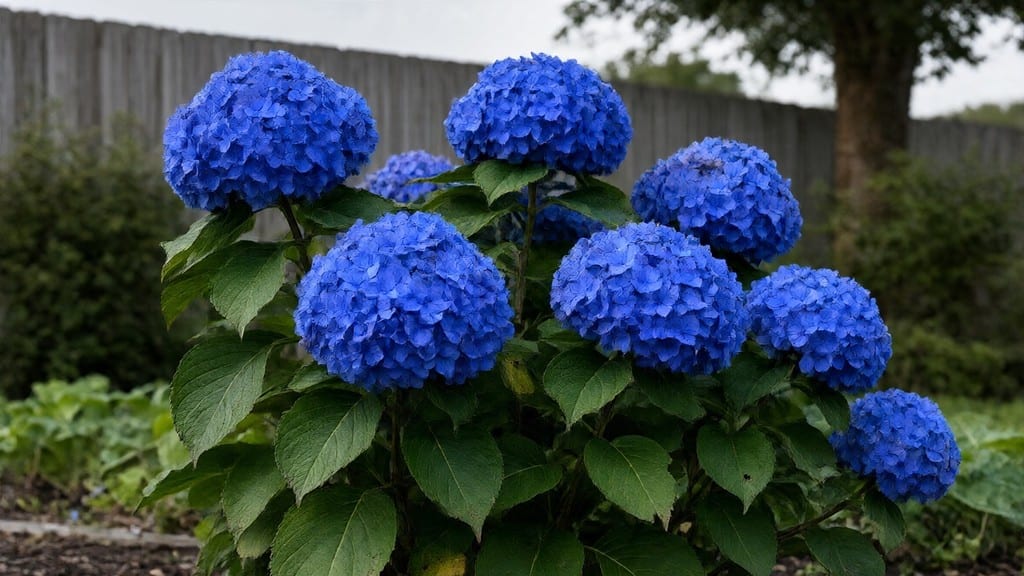
Long Island’s salty winds and freezing winters don’t have to mean a summer-only garden. ✨ I’ve designed my yard to burst into color from May through October using perennials that shrug off coastal storms and deep freezes—plants that come back stronger every year, no matter what Mother Nature throws at them.
The secret lies in choosing native species like coneflowers, black-eyed Susans, and Russian sage—tough as nails and built for Long Island’s soil and climate.
These plants need minimal fuss: well-draining soil (amend with compost if yours is heavy clay), occasional mulch to protect roots, and smart watering that mimics natural rainfall. Most thrive on neglect once established, making them perfect for busy homeowners or those who want a garden that feels like a vacation.
Imagine walking through your yard in July and finding every bed packed with blooms—vibrant purples, fiery oranges, and creamy whites—that attract hummingbirds and butterflies while keeping maintenance low. These perennials handle drought spells better than annuals, bounce back after winter, and even improve your soil over time.
The payoff? A garden that looks effortless but is actually a carefully curated showstopper.
Whether you’re working with a suburban backyard, a small urban patio, or a coastal dune garden, these plants adapt. They’ll give you seasonal interest, cut flowers for your table, and a landscape that’s as resilient as it is beautiful. Let’s get planting the right way for Long Island’s unique conditions.
📚 In This Guide
- What you need
- Instructions
- Tips and common mistakes
- Wrapping up and next steps
What you need
- ● Cold-hardy perennial plants: Choose from coneflowers, black-eyed Susans, hostas, daylilies, or sedum (5–10 plants per variety for balanced blooms). Opt for Long Island-native or Zone 6–7 hardy varieties.
- ● High-quality soil: 2–3 cubic yards of compost-amended topsoil (improve drainage with perlite or sand if your yard is clay-heavy).
- ● Mulch: 2–3 bags of organic mulch (cedar or hardwood) (2–3 inches deep) to retain moisture and suppress weeds.
- ● Garden trowel or transplanter (for delicate root handling).
- ● Garden fork or spade (to loosen soil).
- ● Wheelbarrow (for hauling soil/mulch).
- ● Garden hose with nozzle (for deep watering).
- ● Pruners or shears (for shaping and deadheading).
- ● Gloves & knee pads (because comfort matters!).
- ● Slow-release fertilizer (e.g., 10-10-10) to boost early growth.
- ● Drip irrigation kit for hands-off watering.
- ● Garden stakes or rings for tall perennials (like Joe Pye weed).
- ● Soil pH test kit (to tweak acidity for picky plants like hydrangeas).
Step-by-Step guide to designing a low-maintenance Long Island perennial garden
Long Island’s climate demands plants that handle heat, humidity, and winter chill without fuss. Here’s how to build a garden that thrives with minimal effort.
🌱 Step 1: Select Cold-Hardy Perennials for Zones 6-7
Start with plants that naturally thrive in Long Island’s USDA Zones 6-7, like coneflowers, black-eyed Susans, and Russian sage. These perennials bounce back every spring with minimal care. I always check the USDA Plant Hardiness Zone Map to confirm suitability—some varieties labeled "hardy" still need winter protection.
For a low-maintenance garden, focus on native species like New England aster or bee balm. They’re drought-tolerant once established and attract pollinators without needing extra water. Group plants by sunlight needs: full sun lovers (6+ hours) in the south side of your yard, partial shade (3-6 hours) under trees or on the east side.
🪴 Step 2: Prepare the Soil for Year-Round Success
Long Island’s sandy soil drains too quickly for most perennials, so amend it with 2-3 inches of compost before planting. Work it into the top 6 inches of soil to improve moisture retention without compacting. I like to mix in a slow-release organic fertilizer at planting time—this gives roots a nutrient boost without the risk of burning.
Test your soil’s pH (aim for 6.0-7.0 for most perennials). If it’s too acidic, add crushed limestone; if alkaline, work in peat moss. Perennials hate soggy roots, so ensure your garden has good drainage—even a slight slope helps water run off after storms. Raised beds are a game-changer if your yard floods easily.
☀️ Step 3: Plant in Early Spring or Fall for Strong Roots
Plant perennials in early spring (March-April) or fall (September-October) when temperatures are mild. Spring planting gives roots time to establish before summer heat, while fall planting avoids drought stress. Dig holes twice as wide as the root ball but only as deep—planting too deep suffocates stems.
Space plants according to their mature size: 18-24 inches apart for most perennials gives them room to spread without crowding. Water deeply after planting to settle the soil and remove any air pockets. Mulch with 2-3 inches of shredded bark or straw to retain moisture and suppress weeds—just keep mulch 2 inches away from stems to prevent rot.
💧 Step 4: Water Deeply but Infrequently After Establishment
Newly planted perennials need 1 inch of water weekly (including rain), but once established, most handle Long Island’s summer droughts with 1 inch every 10-14 days. Water at the base in the morning to reduce evaporation and fungal risks. You’ll know moisture is right when the soil feels damp 2 inches down—never soggy.
Skip overhead watering after dark—wet foliage invites powdery mildew, especially in humid summers. If leaves yellow or wilt, it’s usually a watering issue: too much causes root rot, while too little leads to stress. Perennials like coneflowers actually thrive with less water once rooted—overwatering is the real enemy.
✂️ Step 5: Prune in Late Winter and Deadhead Regularly
Cut back dead foliage in late winter (February-March) before new growth appears. This clears out pests hiding in old stems and lets sunlight reach the center. I never prune below the crown—you’ll accidentally cut off next year’s buds. For flowering perennials, deadhead spent blooms in late summer to encourage a second flush of flowers.
Divide clumps every 3-4 years in early spring or fall. Dig up congested plants, separate the roots with a knife, and replant the strongest sections. This rejuvenates perennials and gives you free plants for friends or problem spots. Mulch heavily after dividing to protect roots while they recover.
Tips & tricks for perfect Long Island perennial gardens
A few key strategies will help your Long Island garden flourish with minimal effort while handling our unique climate challenges.
Sunlight Strategy: Pay close attention to your yard's natural sunlight patterns before planting. In Step 1, when grouping plants by sunlight needs, I recommend marking your yard with stakes to track sun exposure throughout the day. The south side gets the most intense sun (6+ hours), while the north side often remains in partial shade (3-6 hours). This simple step prevents common mistakes like planting sun-lovers in shady spots where they'll struggle to bloom.
Soil Preparation Secret: For Step 2, don't just add the 2-3 inches of compost—mix it thoroughly into the top 6 inches of soil. I like to use a garden fork to loosen the native sandy soil first, creating pockets for better moisture retention. This is especially important in Long Island's sandy soils where water drains too quickly. The key is creating a sponge-like texture that holds moisture without becoming waterlogged.
Planting Timing: When choosing between early spring (March-April) and fall (September-October) planting in Step 3, consider your local forecast. Fall planting works beautifully here because our summers are hot and dry—planting in September gives roots time to establish before winter chill. Just be sure to water consistently for the first few weeks after planting, regardless of season.
Watering Wisdom: In Step 4, the 1-inch weekly watering guideline for new plants might seem simple, but timing matters. Water in the morning between 6-10am to reduce evaporation and fungal risks. I've seen many gardens fail because people water in the evening when humidity is highest. For established plants, let the soil dry between waterings—this toughens up roots and makes them more drought-resistant over time.
Pro Tips for Long Island Garden
- A few key strategies will help your Long Island garden flourish with minimal effort while handling our unique climate challenges.
- Sunlight Strategy: Pay close attention to your yard's natural sunlight patterns before planting.
- Soil Preparation Secret: For Step 2, don't just add the 2-3 inches of compost—mix it thoroughly into the top 6 inches of soil.
Frequently asked questions
Got questions about creating a stunning, low-maintenance Long Island garden?
You’re not alone! Here are answers to the most common queries about cold-hardy perennials that bring color and life to your yard year after year—without the fuss.
What are the best cold-hardy perennials for Long Island’s climate?
Long Island’s USDA Hardiness Zones 6b-7a make it perfect for perennials like coneflowers, black-eyed Susans, Russian sage, and hostas. These thrive in our winters, bloom prolifically in spring/summer, and often return stronger each year. Check our planting guide for zone-specific picks!
Do I need to cover perennials in winter?
Most cold-hardy perennials don’t need winter protection—they’re built to handle frost! However, newly planted perennials (first winter) or tender varieties (like lavender) benefit from a light mulch (2-3 inches) or burlap wrap. Avoid heavy mulch, which can suffocate roots.
When is the ideal time to plant perennials on Long Island?
For spring planting, aim for early April to May (after the last frost, usually around mid-April). Fall planting is September to early October—this gives roots time to establish before winter. Pro tip: Plant in cool, cloudy days to reduce transplant shock!
How do I keep perennials from spreading too aggressively?
Some perennials (like hostas or daylilies) can take over! Contain them with:
- Underground barriers (plastic edging)
- Regular division (every 3-4 years)
- Strategic placement in pots or raised beds
What pests should I watch for in a Long Island perennial garden?
Keep an eye out for:
- Japanese beetles (skeletonize leaves—use neem oil or traps)
- Aphids (clustered on new growth—blast with water!)
- Slugs/snails (especially after rain—use beer traps or diatomaceous earth)
Can I grow perennials in containers on Long Island?
Absolutely!
Choose compact varieties like dwarf coneflowers, creeping thyme, or ornamental grasses. Use well-draining soil and containers with drainage holes. Move pots to a sheltered spot in winter if temps dip below 10°F.
Wrapping up and next steps
Transforming your Long Island garden into a low-maintenance, year-round haven is easier than you think! Cold-hardy perennials like coneflowers, black-eyed Susans, and hostas bring color, resilience, and beauty with minimal effort.
These plants not only survive Long Island’s winters but thrive, making them the perfect choice for gardeners who love nature’s durability.
Ready to elevate your outdoor space? Start small—pick 2-3 perennials, sketch a simple layout, and watch your garden flourish with seasonal charm! 🌱✨ Need inspiration? Browse local nurseries or join a Long Island gardening group for expert tips and plant swaps!