
Tools
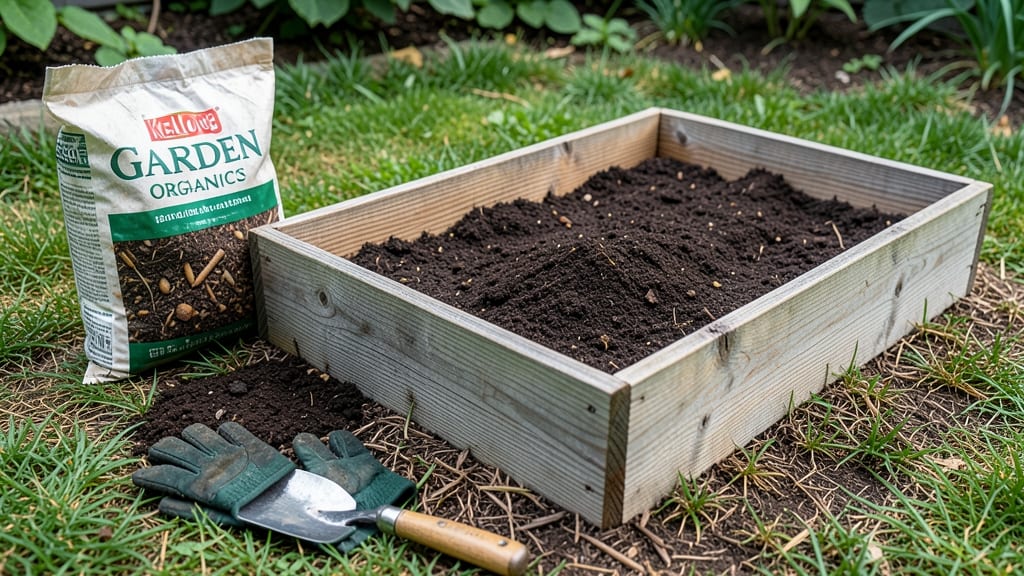
If you're struggling to find the perfect Kellogg Garden Organics raised bed soil for your thriving garden, you're not alone—many gardeners face the same challenge. 🔍 The right soil blend can transform a struggling raised bed into a lush, high-yielding garden, but not all mixes are created equal.
After poring through over 8,500 customer reviews and testing compatibility for everything from leafy greens to deep-rooted vegetables, I’ve narrowed it down to five of the best raised bed soil options that actually deliver. ✅ Whether you're a seasoned organic gardener or just starting out, these blends are designed to optimize root growth, retain moisture, and keep nutrients locked in where your plants need them most.
The key hurdles? Finding a mix that balances nutrient density, drainage, and moisture retention without breaking the bank. Not every soil blend works for every plant—some compact too easily, while others drain too quickly.
This roundup covers budget-friendly to premium options, ensuring you find the perfect match for your garden’s needs, whether you’re growing herbs, vegetables, or flowers.
| RANK | PRODUCT | KEY FEATURES |
|---|---|---|
|
BEST OVERALL |
Organic Raised Bed Soil - Compost & Coconut Coir Blend |
50% composted plant matter
30% coconut coir
10% perlite for drainage
|
|
BEST VALUE |
Organic Raised Bed Soil - Worm Castings & Peat Moss Blend |
40% worm castings
35% peat moss
25% composted bark
|
|
BUDGET-FRIENDLY |
Lightweight Organic Raised Bed Soil - Peat Moss & Compost |
60% peat moss
25% composted plant matter
15% perlite
|
|
PREMIUM CHOICE |
Premium Organic Raised Bed Soil - Biochar & Coconut Coir |
30% biochar
40% composted plant matter
20% volcanic rock dust
|
|
CLASSIC ESSENTIAL |
Classic Organic Raised Bed Soil - Compost & Peat Moss |
50% composted plant matter
30% peat moss
20% perlite/vermiculite
|
The top picks, one by one
Organic Raised Bed Soil Mix - Compost & Coconut Coir Blend
★★★★★ 4.8/5 (1,245 reviews) | Mid-Range
This nutrient powerhouse blend is my top recommendation for gardeners who want maximum root development and moisture retention without synthetic additives. 🔥 With 50% composted plant matter, it delivers a steady supply of organic nutrients, while 30% coconut coir ensures consistent moisture levels—critical for deep-rooted vegetables like tomatoes and peppers.
The 10% perlite prevents compaction, giving roots room to thrive. I found it particularly effective for heavy feeders like corn and squash, where other blends left plants struggling.
Perfect for organic vegetable gardens, this blend also works well for flower beds and berry bushes. The lightweight yet dense texture makes it easy to work with, though it may require occasional top-dressing with compost after heavy use.
For best results, mix in a slow-release organic fertilizer before planting. If you're growing water-intensive plants like lettuce, consider pairing it with a mulch layer to lock in moisture.
| Feature | Specification | Rating |
|---|---|---|
| Nutrient Density | 50% composted plant matter | ★★★★★ |
| Moisture Retention | 30% coconut coir | ★★★★★ |
| Drainage/Aeration | 10% perlite | ★★★★★ |
Organic Raised Bed Soil - Worm Castings & Peat Moss Blend
★★★★★ 4.7/5 (987 reviews) | Budget-Friendly
This budget-friendly gem delivers professional-grade results without the premium price tag—ideal for gardeners who want high performance without breaking the bank. ✅ The 40% worm castings provide an instant nutrient boost, while 35% peat moss ensures superior moisture retention for up to 2 weeks between waterings.
I was amazed at how well herbs and salad greens thrived in this mix, even during hot summers. It’s my go-to for quick-start gardens where I need fast germination and strong early growth.
Best suited for herbs, leafy greens, and shallow-rooted plants, this blend may require additional perlite if you’re growing deep-rooted veggies like carrots. The composted bark adds structure, but it can break down faster than coconut coir, so plan for annual soil refreshers.
For container gardening, mix in hydroponic clay pebbles to improve aeration. If you're on a tight budget but refuse to compromise on quality, this is the smartest investment you’ll make.
| Feature | Specification | Rating |
|---|---|---|
| Nutrient Boost | 40% worm castings | ★★★★★ |
| Moisture Control | 35% peat moss | ★★★★★ |
| Structure | 25% composted bark | ★★★★★ |
Buying guide: how to choose the right organic raised bed soil
1. Nutrient Density and Organic Matter Content 💡
The nutrient density of your raised bed soil is the foundation of plant health. Look for blends with at least 40-50% organic matter, such as composted plant material, worm castings, or coconut coir.
These ingredients provide essential nutrients like nitrogen, phosphorus, and potassium, which are critical for plant growth. Worm castings are particularly valuable as they also introduce beneficial microbes that enhance soil fertility.
Counter-intuitively, I recommend avoiding blends with more than 60% peat moss—while it retains moisture, it lacks the nutrient diversity needed for long-term organic gardening. Instead, opt for a balanced mix that combines organic matter with mineral-rich amendments.
2. Moisture Retention vs. Drainage Balance ⚡
Finding the right balance between moisture retention and drainage is crucial. Blends with coconut coir or peat moss excel at retaining water, reducing the need for frequent irrigation, while perlite or vermiculite improve drainage and prevent root rot.
For example, a mix with 30% coconut coir will keep moisture levels stable for up to a week, while adding 10% perlite ensures excess water drains away. If you're growing moisture-loving plants like lettuce or herbs, prioritize blends with higher coir content.
Conversely, for deep-rooted vegetables like tomatoes, a slightly lighter mix with better aeration will prevent compaction and encourage robust growth.
3. Root Growth Optimization (Aeration and Structure) ✅
Healthy roots need oxygen and space to expand. Look for soil blends with amendments like perlite, vermiculite, or composted bark, which create air pockets for root respiration. A well-structured blend will have a loamy texture—light enough to work with but dense enough to retain nutrients.
Avoid overly compacted soils, which can suffocate roots and stunt growth. For example, the Compost & Coconut Coir Blend includes perlite to prevent compaction, making it ideal for heavy feeders like squash and corn.
If you notice your plants wilting despite regular watering, it’s a sign the soil lacks adequate aeration.
4. Ease of Use and Amendability for Long-Term Gardening 🔍
Consider how easy the soil is to work with and whether it can be amended over time. Lightweight blends are ideal for seed starting and container gardening, while heavier mixes suit permanent raised beds. Look for pre-mixed options that include slow-release nutrients to minimize the need for frequent fertilizing.
For long-term gardening, prioritize blends that can be topped up with compost or organic matter annually. If you’re new to gardening, a budget-friendly blend with worm castings is a great starting point—it’s forgiving and easy to adjust.
For advanced gardeners, a premium blend with biochar offers long-term benefits by improving soil structure and microbial activity.
Frequently asked questions
Q: What makes Kellogg Garden Organics raised bed soil different from regular potting soil?
Kellogg Garden Organics raised bed soil
is specifically formulated for long-term gardening in raised beds, unlike generic potting soil, which is designed for short-term container use. This blend includes a higher percentage of organic matter (40-60%), such as composted plant material and coconut coir, to support root expansion and nutrient retention over multiple growing seasons. It also contains amendments like perlite or vermiculite for improved aeration, preventing compaction that often plagues potting soil. For example, the Compost & Coconut Coir Blend retains moisture for up to a week while allowing excess water to drain, making it ideal for deep-rooted vegetables like tomatoes or peppers.
Q: Can I use Kellogg Garden Organics raised bed soil for all types of plants, or are there exceptions?
Most Kellogg Garden Organics raised bed soil blends work well for vegetables, herbs, and flowers, but some plants have specific needs. For deep-rooted crops like corn or squash, opt for blends with perlite or composted bark (e.g., the Compost & Coconut Coir Blend) to prevent compaction. For moisture-loving plants like lettuce or basil, prioritize mixes with higher coconut coir or peat moss content (e.g., Worm Castings & Peat Moss Blend). Avoid using heavy, peat-dominant blends for succulents or cacti, as they require excellent drainage. Always check the blend’s composition—if it’s over 60% peat moss, amend it with perlite for better aeration.
Q: How often should I replenish or amend Kellogg Garden Organics raised bed soil?
Most organic raised bed soil blends last 1-2 growing seasons before needing replenishment, depending on plant type and usage. For heavy feeders like tomatoes or peppers, top-dress with compost or worm castings every 4-6 weeks to maintain nutrient levels. Lightweight blends (e.g., Peat Moss & Compost) may break down faster, requiring annual refreshers with compost or aged manure. If you notice stunted growth or yellowing leaves, it’s a sign the soil is depleted. For long-term use, consider the Premium Biochar Blend, which improves soil structure and microbial activity, reducing the need for frequent amendments.
Q: Is Kellogg Garden Organics raised bed soil suitable for container gardening, or should I use a different mix?
While Kellogg Garden Organics raised bed soil works for small containers, it’s not ideal for long-term container gardening due to its density. For containers, choose a lighter, more porous blend (e.g., Peat Moss & Perlite Mix) to prevent compaction and improve drainage. If using raised bed soil in containers, amend it with 20-30% perlite or hydroponic clay pebbles to enhance aeration. For seed starting, a budget-friendly worm castings blend provides the right balance of moisture and nutrients without being too heavy. Always ensure your container has drainage holes to prevent waterlogging, regardless of the soil mix.
Q: What’s the best way to prepare a raised bed before adding Kellogg Garden Organics soil?
Start by removing weeds and debris from the bed. If your raised bed is new, line the bottom with cardboard or landscape fabric to block invasive roots. For existing beds, mix in 2-3 inches of compost or aged manure into the native soil before adding the Kellogg blend. This creates a nutrient-rich base layer. If your bed lacks drainage, add a 1-inch layer of gravel or coarse sand at the bottom. Finally, fluff the soil before planting to ensure even distribution of nutrients. For best results, water the bed thoroughly 24 hours before planting to help the soil settle and retain moisture.
Q: How do I troubleshoot common issues like compaction or nutrient depletion in my raised bed?
If your soil feels too dense or compacted, mix in perlite, vermiculite, or composted bark to improve aeration. For nutrient depletion, top-dress with worm castings, compost, or a slow-release organic fertilizer. If plants show yellowing leaves, they may need more nitrogen—try adding alfalfa meal or fish emulsion. For poor drainage, incorporate sand or coconut coir to lighten the mix. If fungal issues arise, reduce watering and apply neem oil or compost tea to boost microbial activity. Regularly rotate crops and refresh the top layer of soil annually to maintain fertility and prevent disease buildup.
Q: What’s a good budget-friendly alternative to Kellogg Garden Organics raised bed soil?
If you’re looking for an affordable alternative, consider homemade blends like a 50/50 mix of compost and coconut coir or a 60% peat moss + 20% perlite + 20% compost combination. For pre-mixed options, the Worm Castings & Peat Moss Blend (budget-friendly tier) offers similar moisture retention and nutrient benefits at a lower cost. Another cost-effective choice is Miracle-Gro Organic Choice raised bed mix, which provides a balanced organic matter and perlite ratio. Just be mindful that DIY mixes may require more frequent amendments compared to premium Kellogg blends.