
How To
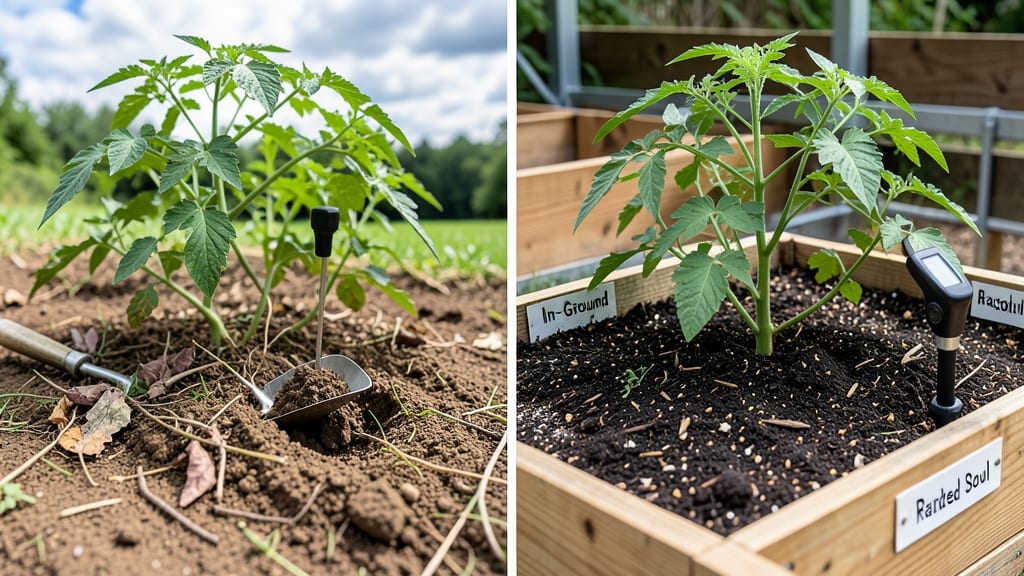
Your garden’s success starts with the soil you choose—in-ground soil vs raised bed soil isn’t just about where to plant, but how your plants will grow. 🌱 I’ve dug into both methods after years of trial and error, and the differences go beyond what meets the eye: drainage, temperature control, and even root health all shift dramatically between the two.
The in-ground approach taps into natural soil layers, which can be rich in organic matter over time but often struggle with compaction and poor drainage. Raised beds, on the other hand, give you total control over soil composition—you mix in compost, sand, and nutrients exactly how your plants need them.
My tomatoes and peppers thrive in raised beds because the soil stays loose and warms up faster in spring.
What you’ll end up with depends on your goals: deeper roots for perennials like asparagus or fruit trees favor in-ground planting, while raised beds excel for vegetables, herbs, and flowers that need consistent moisture and fertility.
The trade-off? Raised beds require more upfront work but pay off with fewer weeds and easier maintenance.
Whether you’re dealing with heavy clay or sandy soil, there’s a solution that fits your space and plants. Let’s break down the science so you can pick the perfect foundation for your garden’s success.
The first option explained
Option A Overview: In-Ground Soil 🌱🌍
In-ground soil is the classic choice for gardeners who want a low-maintenance, cost-effective, and space-efficient growing solution. This method involves planting directly into the earth’s natural soil, where roots can spread freely and interact with the existing ecosystem. Here’s what makes it stand out:
🔍 Key Characteristics
- Natural Composition: Uses the existing soil, which may include a mix of clay, sand, silt, and organic matter. Over time, it develops a rich, nutrient-dense profile.
- Cost-Effective: No need to purchase or construct raised beds—just amend what’s already there!
- Space Optimization: Ideal for large gardens or landscapes where raised beds might feel restrictive.
- Microclimate Benefits: Soil retains moisture longer and stays cooler in hot climates due to its depth and insulation.
✨ Top Benefits
- Long-Term Soil Health: Encourages natural decomposition and microbial activity, improving soil structure over time.
- Root Freedom: Plants with deep root systems (like trees, shrubs, or perennials) thrive with unrestricted growth.
- Minimal Setup: No assembly required—just till, amend, and plant!
- Eco-Friendly: Reduces the need for artificial materials (like wood or fabric for raised beds).
🌿 Typical Use Cases
In-ground soil is perfect for:
- Large-scale vegetable gardens (e.g., corn, potatoes, or root crops).
- Perennial plants, flowers, or shrubs that benefit from deep soil interaction.
- Established landscapes where you want a natural, low-impact look.
- Gardeners who prioritize long-term soil fertility over quick, controlled growing conditions.
Pro Tip: 💡 If your in-ground soil is poor, consider double-digging or adding compost to boost nutrients and drainage before planting!
The second option explained
Option B: Raised Bed Soil 🌱✨
Raised bed soil is a game-changer for gardeners who crave control, convenience, and customization. Unlike in-ground soil, raised beds are planted in containers (usually wooden frames, metal, or composite materials) filled with a tailor-made soil mix designed for optimal drainage, aeration, and nutrient retention.
This method is especially popular among urban gardeners, beginners, and those with poor native soil.
🔍 Key Characteristics
- Custom Soil Composition: Gardeners can blend loamy, sandy, or peat-based mixes with compost, vermiculite, and perlite to match plant needs. Perfect for heavy clay or rocky native soil!
- Improved Drainage: Raised beds warm up faster in spring and dry out less in winter, reducing waterlogging risks.
- Weed & Pest Resistance: Elevated edges deter weeds, and the contained environment limits soil-borne pests.
- Accessibility: No bending or kneeling—ideal for those with mobility challenges.
🌟 Top Benefits
- Higher Yields: Warmer soil and better aeration boost root growth, leading to faster, healthier plants.
- Year-Round Gardening: Extend seasons with early springs or late falls by using black fabric or cold frames.
- No Soil Compaction: Unlike walked-on in-ground soil, raised beds retain structure over time.
- Soil Sterility: Fresh mix means fewer diseases or pathogens compared to reused garden soil.
🌿 Best Use Cases
| Scenario | Why Raised Beds Win |
|---|---|
| Urban or Small Spaces | Maximize vertical growth and intensify planting in limited areas. |
| Poor Native Soil | Replace unproductive clay or sandy soil with a nutrient-rich custom blend. |
| Vegetable & Herb Gardens | Ideal for root crops (carrots, potatoes), leafy greens, and herbs that thrive in loose soil. |
| Pollution or Contaminated Areas | Isolate plants from heavy metals or chemicals in the ground. |
| Accessibility Needs | Reduce strain with waist-high beds for easy planting and harvesting. |
Pro Tip: 💡 For best results, mix 60% topsoil, 30% compost, and 10% perlite/vermiculite to balance fertility and drainage. Test soil pH annually—most veggies prefer 6.0–7.0!
Key differences
🌱 Soil Composition & Control
One of the biggest advantages of raised bed soil is the ability to customize its composition from scratch. You can mix in compost, organic matter, and specific nutrients tailored to your plants' needs.
In contrast, in-ground soil is often determined by natural conditions—like clay, sand, or loam—and may require amendments like lime or fertilizer to improve its structure or fertility. If you love tinkering with soil blends, raised beds win for precision!
💧 Drainage & Water Retention
Raised beds naturally drain better because they’re elevated, reducing the risk of waterlogging—great for heavy clay soils. However, they can dry out faster, requiring more frequent watering. In-ground soil, especially in sandy areas, may drain too quickly, while clay-heavy soil can hold too much moisture.
The key? Amending in-ground soil with organic matter (like compost) can mimic the drainage benefits of raised beds—without the extra effort!
🐛 Pest & Weed Management
Raised beds act as a barrier against burrowing pests (like gophers or grubs) and make it harder for weeds to invade from below. In-ground gardens, however, are more vulnerable to soil-borne pests and weeds spreading from surrounding areas.
That said, mulching and crop rotation in in-ground plots can help mitigate these issues. For low-maintenance pest control, raised beds take the lead!
🌡️ Temperature & Microclimates
Raised beds warm up faster in spring and stay cooler in summer, extending growing seasons in cooler climates. In-ground soil, influenced by the earth’s natural insulation, may take longer to thaw in spring and retain heat longer in summer.
If you’re in a short-season zone, raised beds give you a head start—but in-ground gardens can be ideal for heat-loving crops in hotter regions.
💰 Cost & Long-Term Maintenance
In-ground soil is free (thanks, Mother Nature!) and requires minimal upfront investment—just amendments if needed. Raised beds, however, demand materials (wood, hardware cloth, etc.) and ongoing soil replenishment (compost, fertilizer). Over time, in-ground gardens can be more cost-effective, while raised beds offer convenience and control at a higher initial cost.
When to choose which
Choosing between in-ground soil and raised bed soil depends on your garden’s goals, climate, and maintenance preferences. Here’s when each shines:
🌱 Opt for In-Ground Soil When...
- You’re planting perennials or large shrubs. In-ground soil offers deeper root zones and natural stability for long-term growth.
- Your climate has well-draining native soil. Regions with sandy or loamy soil (like parts of the Southwest or Midwest) benefit from minimal intervention.
- You want to save time and money. No need to build or fill beds—just amend the existing soil with compost.
- You’re growing root crops (carrots, potatoes) or deep taproots (asparagus). The natural depth encourages robust harvests.
🏞️ Choose Raised Beds When...
- Your soil is heavy, clay-heavy, or contaminated. Raised beds let you control the growing medium with lightweight, nutrient-rich mixes.
- You have poor drainage or a wet climate. Elevated beds prevent waterlogging, ideal for areas prone to flooding or high water tables.
- You’re short on space or mobility-challenged. Raised beds reduce bending and maximize vertical gardening.
- You’re growing delicate plants (strawberries, herbs, lettuce). The controlled environment minimizes pests and weeds.
- You want faster results. Freshly filled raised beds warm up quicker in spring, giving plants a head start!
Pro Tip: 💡 If you’re unsure, start with a small raised bed for testing—it’s a low-risk way to compare both methods!
The bottom line
Choosing between in-ground soil and raised bed soil depends on your garden’s needs, budget, and long-term goals. In-ground soil is cost-effective and great for large-scale planting, but it requires more effort to amend and may struggle with drainage or compaction.
Raised beds, on the other hand, offer better control over soil quality, drainage, and pest management—ideal for small spaces or finicky plants like veggies or flowers. 🌱
For beginners, raised beds simplify gardening with faster warm-up times and fewer weeds. For seasoned gardeners, in-ground soil may offer deeper roots and lower maintenance. Whichever you pick, test your soil first—the right choice starts with science!
- Pick raised beds if you want easier access, better drainage, or custom soil mixes.
- Stick with in-ground if you’re planting perennials, trees, or have a large, established garden.