
Planting
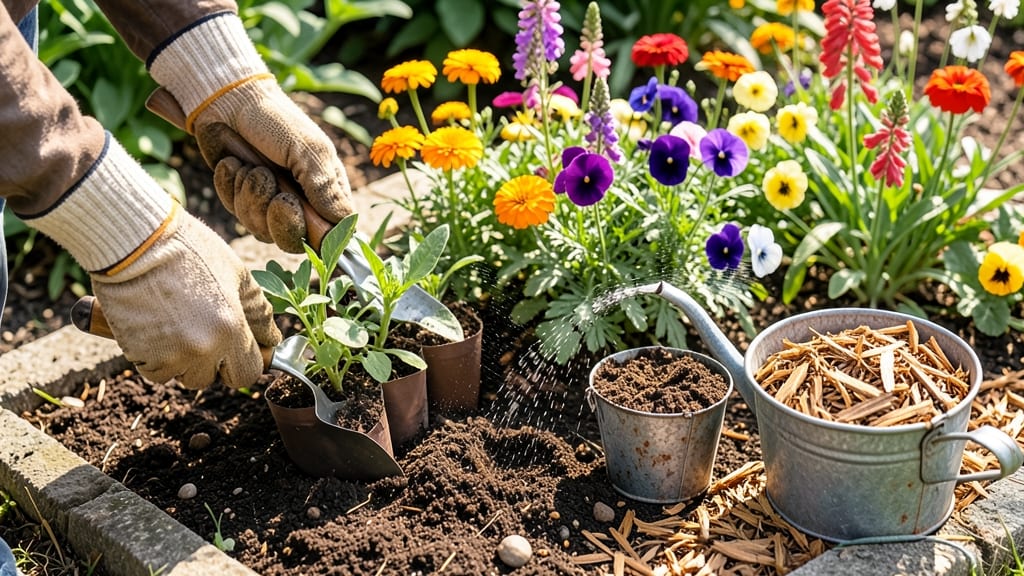
Planting a flower bed for beginners doesn’t have to be overwhelming—just a few simple steps and you’ll have a thriving garden in no time. 🌸 I’ve planted my share of flower beds, and the key is starting small, prepping the soil right, and choosing plants that fit your space and sunlight.
The first time I did this, I picked flowers that loved shade but ended up in a sunny spot—don’t make that mistake! You’ll need basic tools like a shovel, rake, gloves, and some mulch, plus a sketch of your bed layout to plan spacing.
Most beginners skip soil testing, but even a simple at-home kit can save you from struggling plants. I recommend starting with perennials for low-maintenance color, or annuals if you want fast, seasonal blooms. The right plant in the right spot makes all the difference.
Once planted, water deeply right away and again in a few days to help roots establish. A light layer of mulch keeps moisture in and weeds out—just avoid piling it against stems.
Within a few weeks, you’ll see new growth, and by summer, your bed will be the envy of the neighborhood. The best part? You’ll learn what works for your yard, so next year gets even easier.
This method works year-round in mild climates, but spring and fall are ideal for planting most flowers. Whether you’re filling a small border or a large garden bed, these steps keep it simple and stress-free. Let’s get those flowers in the ground!
📚 In This Guide
- What you need
- Instructions
- Tips and common mistakes
- Wrapping up and next steps
What you need
- ● Garden soil or potting mix: 1–2 bags (1–2 cubic feet per square foot of flower bed). Opt for a well-draining mix with compost for nutrients.
- ● Topsoil or garden soil: 1–2 bags (if amending existing soil). Look for organic-rich options.
- ● Compost or fertilizer: 1–2 bags (5–10 lbs). A balanced 10-10-10 or slow-release option works great.
- ● Mulch: 1–2 bags (shredded bark, pine straw, or cypress mulch). Helps retain moisture and suppress weeds.
- ● Flower seeds or plants: Choose beginner-friendly varieties like marigolds, sunflowers, or petunias (check seed packets for spacing needs).
- ● Garden gloves: 1 pair (to protect your hands from thorns or dirt).
- ● Hand trowel or transplant spade: 1 (for digging small holes).
- ● Garden rake: 1 (for leveling soil and removing debris).
- ● Watering can or hose with spray nozzle: 1 (for gentle watering).
- ● Measuring tape or ruler: 1 (to mark spacing between plants).
- ● Garden kneeler or pad: To save your knees while working.
- ● Soil pH test kit: To check if your soil needs amendments (like lime or sulfur).
- ● Edging material: Stones, bricks, or metal edging to define your flower bed.
- ● Plant markers: Small stakes or labels to track what you’ve planted.
- ● Pruners: For trimming dead foliage or shaping plants.
- ● Wheelbarrow: To haul soil, mulch, or tools easily.
Step-by-Step instructions for planting a beginner-friendly flower bed
Here’s how to create a beautiful, low-maintenance flower bed that thrives from day one.
🪴 Step 1: Choose and Prepare the Perfect Location
Pick a spot that gets at least 6 hours of sunlight daily—most flowers need this for vibrant blooms. Avoid low-lying areas where water pools after rain. I like to sketch a rough outline with garden stakes and string to visualize the shape before digging. A simple rectangular or curved design works best for beginners.
Clear the area of grass, weeds, or debris using a garden fork or shovel. Dig down 6-8 inches to loosen the soil—this helps roots spread easily. If your soil feels compacted or clay-heavy, mix in 2-3 inches of compost to improve drainage and fertility. You’ll know it’s ready when the soil crumbles easily between your fingers.
🌱 Step 2: Plan Your Flower Arrangement for Long-Lasting Color
Group plants by height, color, and bloom time for a cohesive look. Place taller flowers (like delphiniums or sunflowers) at the back, medium-height varieties (such as zinnias or black-eyed Susans) in the middle, and low-growing annuals (like petunias or marigolds) at the front. I always start with 3-5 plants per square foot—this prevents overcrowding as they grow.
Check the plant tags for sunlight and water needs. Stick to 3-4 types of flowers for simplicity—mixing too many can create a chaotic look. For instant impact, add mulch (like shredded bark) after planting to retain moisture and suppress weeds. Spread it 2-3 inches thick over the soil, leaving a small gap around stems.
☀️ Step 3: Plant With Care for Healthy Growth
Dig a hole twice as wide as the plant’s root ball but no deeper—planting too deep suffocates roots. Gently remove the plant from its container and loosen any circling roots with your fingers. Place it in the hole so the top of the root ball sits level with the surrounding soil—burying the stem too deep can cause rot.
Fill the hole with soil, pressing lightly around the base to eliminate air pockets. Water deeply right after planting to settle the roots. You’ll see the soil sink slightly—this is normal. Space perennials 12-18 inches apart and annuals 6-12 inches apart, depending on their mature size. A quick trick: use a small stick as a marker for each plant until they’re established.
💧 Step 4: Water and Maintain for First-Time Success
Water the bed 1-2 inches deep immediately after planting, then again every 2-3 days until new growth appears. Check the soil with your finger—it should feel moist but not soggy. Overwatering is a common mistake that leads to root rot. Once established, most flowers need 1 inch of water per week, either from rain or irrigation.
Add a slow-release fertilizer (like 10-10-10) at planting time and again mid-season to keep blooms lush. Avoid high-nitrogen fertilizers—they encourage leafy growth over flowers. Deadhead spent blooms regularly by pinching off faded flowers with your fingers. This encourages more blooms and keeps the bed looking neat. Within 4-6 weeks, you’ll see vibrant color and fuller growth.
Tips & tricks for planting a beginner-friendly flower bed
A few simple tricks will help your flower bed thrive from the very first season. These are the lessons I learned after my first messy attempt—don't make my mistakes!
Sunlight is Non-Negotiable: That 6 hours of sunlight in Step 1 is your golden rule. If your spot gets less, choose shade-tolerant flowers like impatiens or ferns instead of sun-lovers. I once planted sunflowers in partial shade and spent all summer watering wilting plants—don't let that be you. Use a sunlight tracker app for a week to confirm your spot before digging.
The Soil Test Trick: When checking your 6-8 inch dug soil in Step 1, grab a handful and squeeze it. If it holds its shape like a rock, you need more compost. If it crumbles easily, you're good to go. I learned this the hard way after planting in heavy clay soil that made my first flowers struggle. That 2-3 inches of compost makes all the difference for root health.
Planting Depth Secret: In Step 3, when placing your plants, use your finger to check the soil level. The top of the root ball should sit just below soil level—never above it. I buried stems too deep once and lost three plants to rot. A quick visual cue: if you can see the soil line on the plant's container, that's where it should sit in the ground.
Watering Wisdom: Those 1-2 inches of water in Step 4 should go deep enough to moisten the entire 6-8 inch planting zone. Use a ruler to check—stick it in the soil after watering. I used to guess and either drowned my plants or left them thirsty. A soaker hose makes this easy for consistent moisture without overwatering.
Pro Tips for Plant A Flower Bed For Beginners
- A few simple tricks will help your flower bed thrive from the very first season.
- Sunlight is Non-Negotiable: That 6 hours of sunlight in Step 1 is your golden rule.
- The Soil Test Trick: When checking your 6-8 inch dug soil in Step 1, grab a handful and squeeze it.
Frequently asked questions
Got questions?
Here are answers to the most common ones about planting a flower bed—so you can dive in with confidence!
What’s the best time of year to plant a flower bed?
The ideal time depends on your climate! In most regions, spring or early fall are best—soil is warm enough for roots to establish, but temperatures aren’t extreme. Avoid planting in peak summer heat or freezing winter. Check your USDA hardiness zone for local guidance.
How often should I water my new flower bed?
Water deeply 1–2 times per week (more in extreme heat) for the first month to help roots grow strong. Aim for 1 inch of water per week. After that, adjust based on rainfall—morning watering is best to reduce evaporation and fungal risks.
Can I use mulch, and if so, how much?
Mulch retains moisture, suppresses weeds, and regulates soil temperature. Spread a 2–3 inch layer around plants (but keep it away from stems to prevent rot). Organic mulch (like straw or shredded bark) breaks down over time, enriching the soil.
What do I do if bugs or pests appear after planting?
Stay calm—pests are normal! Start with gentle fixes like:
Group plants by sunlight needs, water requirements, and height:
Don’t stress! Loosen soil with a garden fork or tiller to improve drainage. Mix in 2–3 inches of compost to enrich it. For heavy clay, add sand or perlite (but test first—too much sand can make soil too dry). Raised beds are a great alternative for tough soil!
If infestations persist, research local pest control solutions or consult a gardening expert.
How do I choose flowers that thrive together?
Check plant tags for “companion plant” tips—some pairs (like basil + tomatoes) even boost growth!
What if my soil looks rocky or compacted?
Wrapping up and next steps
Planting your first flower bed is easier than you think—just follow the steps, and you’ll be rewarded with a vibrant, thriving garden! 🌸 Start small, choose the right plants for your space, and don’t forget to prep the soil and water consistently.
With a little patience and care, you’ll soon enjoy the beauty of blooms that bring joy and color to your outdoor space.
Ready to take the next step? Experiment with different flowers, add mulch for extra protection, or even expand your garden with new beds! Every gardener starts somewhere—happy planting! 🌱