
Size
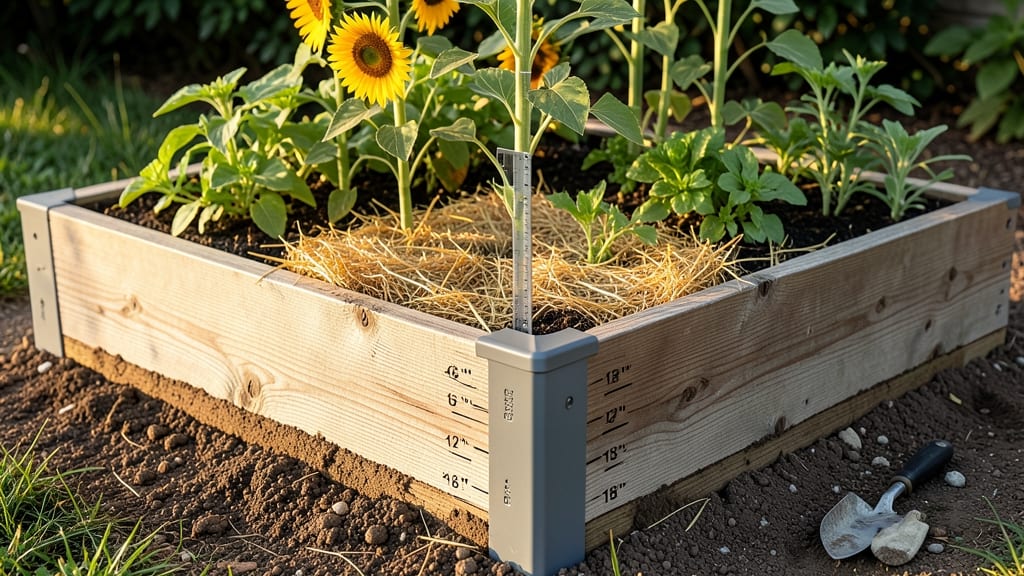
To determine how tall a raised bed should be, aim for 6 to 12 inches for most vegetables and herbs, while deep-rooted plants like tomatoes or asparagus need 12 to 18 inches. This height range promotes better drainage, reduces weed growth, and prevents soil compaction for stronger root development.
Height isn't just about fitting plants—it's about creating an ideal growing environment. 🌱 Shallow-rooted crops like lettuce or basil thrive in 6-inch beds, while deeper beds prevent root competition for nutrients. I’ve seen firsthand how 12-inch beds transform struggling plants, giving them the space to establish robust systems.
The extra depth also helps retain moisture longer, especially in hot climates, while keeping weeds at bay naturally.
Material choice matters too—wooden beds with untreated lumber can rot faster, while metal or composite options last longer but may require extra insulation for cooler climates. Layering organic matter like compost or straw at the bottom creates a nutrient-rich foundation that mimics natural soil conditions.
For long-term success, I recommend adding a drainage layer of gravel or broken pottery pieces before filling with soil.
💡 In This Article
- Optimal Raised Bed Height for Root Depth and Plant Types
- Building and Maintaining the Perfect Raised Garden Bed
Optimal raised bed height for root depth and plant types
Root systems drive everything in your garden, and height directly impacts their ability to thrive. Shallow-rooted plants like lettuce, radishes, and herbs only need 6 inches of soil to access moisture and nutrients efficiently. Their fibrous roots spread horizontally, so extra depth doesn't help—it just increases material costs.
Meanwhile, deep-rooted vegetables like tomatoes, carrots, and asparagus require 12-18 inches to establish strong anchors and access water stored deeper in the soil profile.
The science behind this lies in oxygen availability and nutrient distribution. Deeper beds prevent soil compaction from foot traffic (unlike in-ground gardens) and allow roots to grow downward where nutrients naturally accumulate.
For example, a 12-inch bed gives tomato plants room to develop their extensive root networks, which can extend 3-4 feet deep in ideal conditions. The extra space also reduces competition for resources between plants, preventing stunted growth or yellowing leaves that often plague crowded in-ground plots. 🌱
Drainage becomes another critical factor as height increases. A 6-inch bed may struggle in heavy clay soils, where water pools and roots suffocate, while 12-inch beds with proper layering (like gravel at the bottom) prevent waterlogging.
This is why I always recommend adding a 2-3 inch drainage layer when building deeper beds—it mimics natural soil horizons and keeps roots aerated. The texture difference is noticeable too: deeper beds maintain a looser, crumbly structure longer than shallow ones, which compact quickly under plant weight.
Consider your climate when choosing height. In arid regions, deeper beds store more moisture, reducing irrigation needs by 30-50% compared to shallow beds. Conversely, in rainy areas, the extra depth helps prevent erosion and nutrient leaching.
For instance, asparagus crowns need 12 inches of loose soil to spear properly, while strawberries—with their shallow roots—thrive in 8-inch beds. The key is matching plant biology to your bed's dimensions.
One common misconception is that taller always means better. While 18-inch beds work for deep-rooted crops, they're unnecessary for greens or herbs and can lead to wasted space. The sweet spot is 12 inches—deep enough for most vegetables while keeping construction manageable.
For example, a 12-inch bed filled with a 50/50 mix of compost and native soil creates an ideal growing medium that retains moisture without becoming waterlogged.
Think of your raised bed as a vertical ecosystem. The height you choose determines how well roots can explore their environment, access water, and compete for nutrients.
For instance, carrots grown in 12-inch beds develop straighter, sweeter roots than those in 6-inch beds, where they often fork or split due to restricted space. The visual difference is striking—plump, uniform roots versus stunted, misshapen ones.
Pro tip: If you're unsure about your plants' root depths, check their mature size in gardening guides. Most seed packets include this information—it's your blueprint for perfect bed height.
For example, if a tomato variety lists a mature height of 5-6 feet, you know its roots will spread widely and deep. 💫