
Size
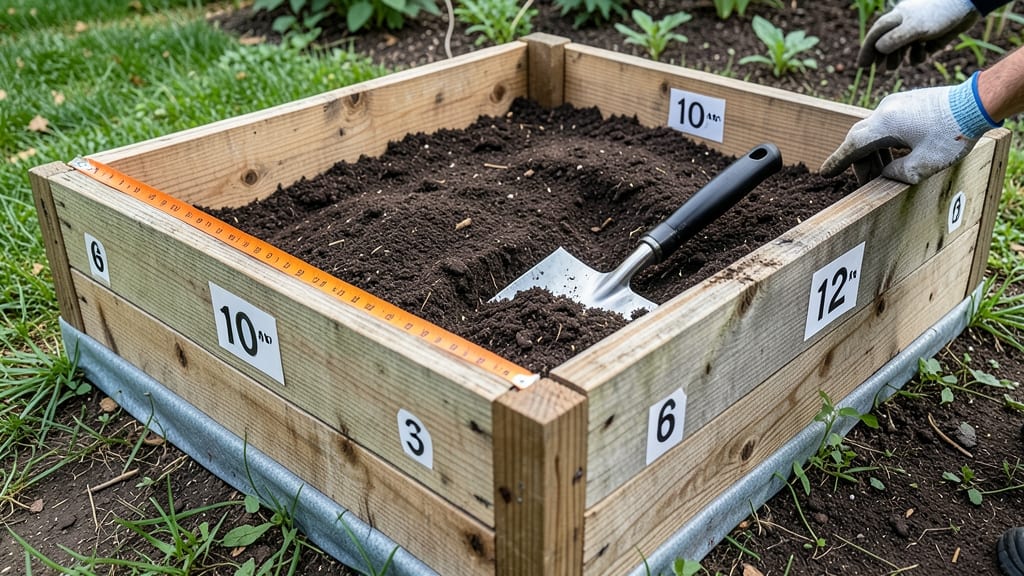
A raised garden bed needs to be at least 6 to 12 inches tall to fit most plants' root systems while keeping maintenance manageable. For deeper-rooted crops like carrots or potatoes, aim for 12–18 inches, and taller beds (18+ inches) work best for dwarf fruit trees or shrubs.
A 6–12-inch bed handles shallow-rooted plants like lettuce, herbs, and strawberries beautifully while keeping soil warm and reducing weeds. 🌱 The extra height also makes planting easier on your back—no more bending over for hours.
If you're growing potatoes, sweet potatoes, or asparagus, though, you'll want that 12–18-inch depth to give roots room to spread without crowding.
And for fruit trees or shrubs, the deeper the better: 18+ inches ensures stability and prevents roots from hitting the ground below, which can lead to rot or competition with grass.
Pro tip: If you're building multiple beds, consider 12-inch as a standard height—it works for most vegetables while still being accessible for kneeling. Just add extra soil for deeper crops as needed!
💡 In This Article
- Root Depth Requirements for Different Plants
- Accessibility and Construction Tips for Raised Beds
Root depth requirements for different plants
Root systems vary dramatically between plants, and this directly impacts how tall your raised bed needs to be.
Shallow-rooted herbs like basil, thyme, and parsley thrive in just 6–8 inches of soil, while their roots spread horizontally rather than downward. 🌿 Meanwhile, leafy greens such as lettuce and spinach prefer 8–10 inches to support their fibrous root networks.
The key here is aeration—deeper beds allow roots to access oxygen more efficiently, especially in dense soils where compaction can suffocate plant growth.
For root vegetables like carrots, beets, and potatoes, the story changes entirely. These crops need 12–18 inches of depth to develop fully—carrots, for example, can grow up to 16 inches long if given enough space!
The soil in deeper beds also stays warmer in spring, giving these cool-season crops a head start. 🥕 What’s fascinating is how drainage improves with height: water moves through the soil more freely, preventing rot in crops like potatoes, which are particularly vulnerable to soggy conditions.
If you’re growing fruit trees or shrubs, the stakes get even higher—literally. Dwarf varieties like peach trees or blueberry bushes require 18–24 inches of soil depth to establish strong root systems that anchor them securely.
The extra height also prevents roots from hitting the hardpan layer often found just below garden soil, which can stunt growth. For berries like strawberries, a 12-inch bed is ideal, but adding a few inches of compost on top mimics their natural hillside habitats.
One nuance to consider is soil quality. If your bed contains heavy clay or compacted soil, roots may struggle to penetrate even in deeper beds.
Amending with organic matter like compost or coconut coir can improve root penetration, effectively "stretching" the usable depth. 🌱 For container-grown plants or those with limited root zones (like some ornamental grasses), a 6-inch bed might suffice—but monitor growth closely to adjust as needed.
Here’s a quick reference for common crops and their ideal bed heights:
- Herbs & greens: 6–10 inches (basil, lettuce, spinach)
- Root vegetables: 12–18 inches (carrots, potatoes, beets)
- Fruit trees/shrubs: 18–24 inches (dwarf varieties)
- Berries: 12–16 inches (strawberries, raspberries)
Pro tip: If you’re unsure about a specific plant, check its mature root depth—most seed packets or plant tags include this info! For example, parsnips can reach 24 inches deep, so they’d need a custom-built bed or a very deep container. 🔍