
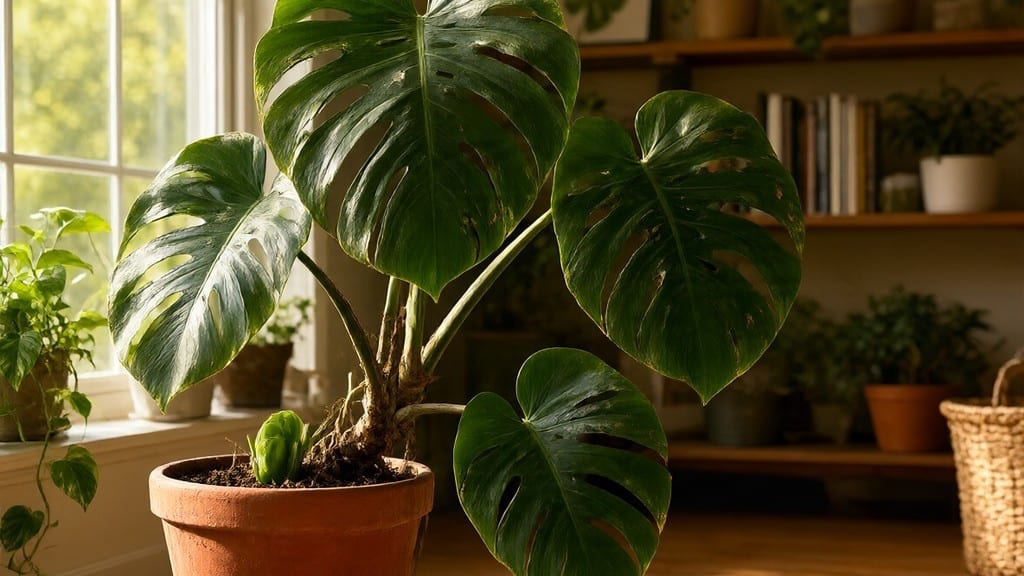
Gardening Tropical Plants: Humidity-Loving Varieties That Thrive Indoors

Companion Plants

Gardening Tropical Plants: Humidity-Loving Varieties That Thrive Indoors

Gardening tropical plants indoors lets you cultivate a lush paradise at home, even when you’re miles from their sun-drenched 10-12 USDA zones.

Picture this: your living room bursts with lush monstera leaves and fragrant orchids, all thriving without a greenhouse. The secret isn’t luck—it’s understanding their humidity needs, light cravings, and soil quirks. Most people overwater or underlight, turning vibrant greens into sad, crispy reminders of what could’ve been.

This guide cuts through the guesswork, whether you’re a beginner with a single fern or a plant parent dreaming of a jungle corner. We’ll cover everything from year-round care to picking the perfect varieties for your space, so your tropical plants don’t just survive—they outshine your neighbors’ collections.

Ready to turn your home into a thriving oasis? Let’s start with the top 10 humidity-loving plants that’ll make your space feel like a tropical retreat—no passport required.

Top 10 humidity-loving tropical plants for indoor gardening success

Bringing the tropical jungle indoors is easier than you think with the right humidity-loving plants. These varieties thrive in the cozy, moist environments of your home, adding lush greenery and vibrant colors without needing an outdoor climate.

Whether you're a beginner or seasoned plant parent, these top 10 tropical plants will transform your space into a thriving oasis.

Indoor tropical plants often require 60-80% humidity to mimic their natural habitats. While this might sound challenging, simple adjustments like misting, using pebble trays, or grouping plants together can make a world of difference. Let’s explore the best tropical plants that will not only survive but flourish in your home.

How to create the perfect humidity environment for tropical plants

Tropical plants crave 60-80% humidity to mimic their natural jungle habitats, but most homes hover around 30-50%. Without the right conditions, their leaves crisp, edges brown, and growth stalls. The good news? You don’t need a greenhouse—just a few smart strategies to recreate that tropical moisture indoors.

Start by grouping your humidity-loving plants together. Plants release moisture through a process called transpiration, so clustering them creates a microclimate. Add a pebble tray under pots—fill a shallow tray with water and smooth pebbles, then place pots on top (never let roots touch water).

This passive method boosts humidity by 10-20% around individual plants.

  • 💧 Pebble Trays: Fill a tray with water and pebbles, place pots on top. Evaporation increases humidity near plants.
  • 🌿 Grouping Plants: Cluster tropical plants together to create a microclimate with higher humidity levels.
  • 🌡️ Humidifier: Use a cool-mist humidifier near plants; set to 60-70% for optimal growth.
  • 🪴 Mist Regularly: Lightly mist leaves daily with room-temperature water, especially in dry climates.
  • ☀️ Strategic Placement: Place plants in bathrooms or kitchens where humidity naturally rises.
  • 🌱 Terrarium Setup: Enclose plants in a glass container to trap moisture; ideal for small, high-maintenance species.

For a more powerful solution, invest in a cool-mist humidifier. Place it near your plant collection and set it to 60-70% humidity. Avoid hot-mist models—they can scorch leaves. Pro tip: Use distilled water to prevent mineral buildup on foliage.

If you’re on a budget, try the DIY spray bottle trick: Mist leaves gently twice daily, focusing on undersides where stomata absorb moisture.

Don’t overlook strategic placement. Bathrooms with showers or kitchens with stovetops often have higher humidity—perfect spots for tropical plants. Rotate pots seasonally to keep all sides exposed to moisture.

In winter, when indoor air dries out, place a tray of water near a heat vent to add humidity as warm air circulates.

Monitor your plants’ response to humidity changes. Healthy tropical leaves stay glossy and vibrant, while brown edges or crispy tips signal dry air. Adjust your methods until you find the sweet spot. With these techniques, your Monstera, Calathea, or Philodendron will thrive year-round, looking lush and jungle-ready.

Remember, consistency is key. Tropical plants reward patience—once you nail the humidity, you’ll see faster growth, bigger leaves, and even occasional blooms. Happy humidifying! 🌿

★★★★★4.7(8 reviews)
Categories Companion Plants
Plant Name Humidity Needs Light Requirements Growth Habit Care Difficulty
Monstera deliciosa 60-80% Bright, indirect light Climbing vine (6-10 ft) Moderate
Philodendron 50-70% Low to bright indirect Trailing vine (3-10 ft) Beginner-friendly
Calathea 60-80% Low to medium indirect Rosette (1-3 ft) Moderate
Fiddle Leaf Fig 40-60% Bright indirect light Upright (6-10 ft) Moderate
Bird of Paradise 50-70% Bright indirect to direct Upright (4-6 ft) Moderate
Pothos 40-60% Low to bright indirect Trailing vine (10-20 ft) Beginner-friendly
ZZ Plant 30-50% Low to bright indirect Upright (2-4 ft) Easy
Spider Plant 40-60% Bright indirect light Arching (1-2 ft) Beginner-friendly