
Shrubs
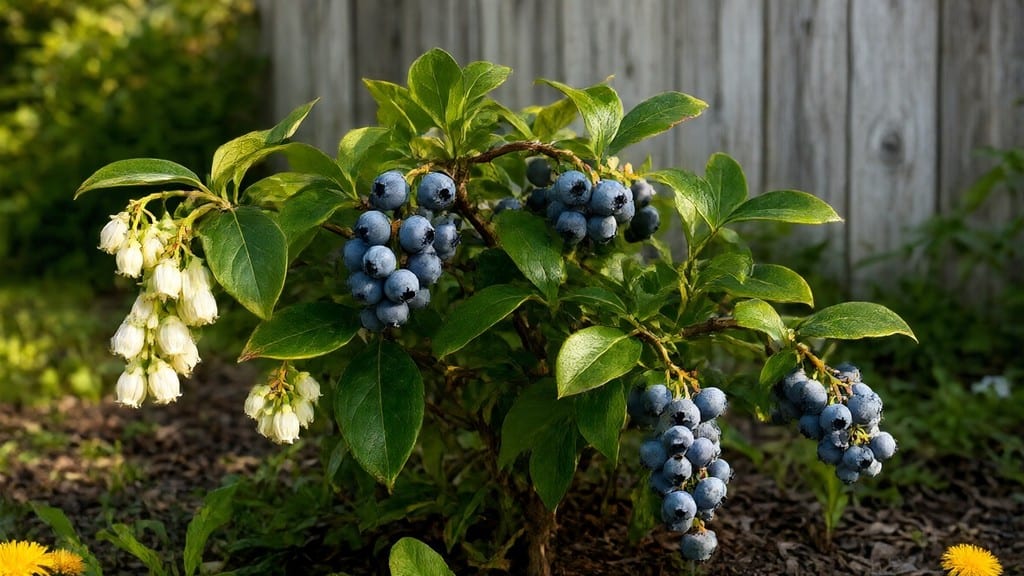
Gardening blueberry bushes that thrive through winter and reward you with bountiful fruit for decades begins with picking the perfect variety for your zone. 🌿 I’ve grown both northern and southern highbush types, and the difference in hardiness—and harvest size—is night and day.
The secret isn’t just picking a bush; it’s matching it to your zone, soil, and sunlight.
You’ll need acidic soil (think pH 4.5–5.5), which means amending with peat moss or sulfur if your yard’s soil tests higher. Most gardeners overlook this, but it’s the #1 reason blueberries fail.
Once the soil’s ready, plant in early spring or fall, spacing bushes 4–6 feet apart for airflow and future growth.
Within two years, you’ll see your first harvest—sweet, juicy berries that taste nothing like store-bought. Prune in late winter to shape the bush and remove dead wood, and keep the soil moist but not soggy. The payoff? A bush can produce for decades with proper care.
Perfect for backyard growers in zones 3–9, though southern varieties need winter protection in colder areas. Let’s get those bushes thriving!
📚 In This Guide
- What you need
- Instructions
- Tips and common mistakes
- Wrapping up and next steps
What you need
- ● Blueberry plants: Choose cold-hardy varieties like Bluecrop, Patriot, or Jersey. Buy 3-6 plants (for cross-pollination, if needed).
- ● Well-draining soil: Mix equal parts of peat moss, pine bark, and sandy loam (or use pre-made acidic soil mix). Aim for a pH of 4.5–5.5.
- ● Organic mulch: Pine needles, wood chips, or straw (2–4 inches deep) to retain moisture and acidify soil.
- ● Fertilizer: Acid-loving plant fertilizer (e.g., Miracid or cottonseed meal) for initial planting and seasonal feeding.
- ● Irrigation system: Drip lines or soaker hoses (blueberries need 1–1.5 inches of water weekly).
- ● Garden trowel or shovel
- ● Pruning shears (sterilized)
- ● Garden gloves (to protect from thorns and soil acidity)
- ● pH testing kit (to monitor soil acidity)
- ● Measuring tape (for spacing plants 4–6 feet apart)
- ● Blueberry cage or trellis (for support as bushes grow)
- ● Bird netting (to protect ripe berries from wildlife)
- ● Compost or worm castings (for extra nutrients)
- ● Row covers (for frost protection in early spring)
How to plant cold-hardy blueberry bushes for reliable harvests
Here’s the straightforward method I’ve used to grow thriving blueberry bushes that survive harsh winters and produce fruit for years.
🪴 Step 1: Choose the Right Location and Soil
Blueberries demand acidic soil (pH 4.5–5.5)—if your soil isn’t naturally acidic, you’ll need to amend it. Test your soil first; if it’s too alkaline, mix in 1–2 pounds of sulfur per 100 square feet and wait 2–3 months before planting. The bushes also need full sun (6+ hours daily) and protection from strong winds.
Dig a hole twice as wide as the root ball but only as deep. Loosen the soil at the bottom to encourage root spread. I like to plant in a slight mound—this prevents water pooling around the roots, which blueberries hate.
🌱 Step 2: Plant at the Correct Depth and Spacing
Remove the bush from its container and gently tease the roots apart if they’re circling. Place it in the hole so the top of the root ball sits 1 inch above soil level. Blueberries planted too deep struggle to establish properly. Space bushes 4–6 feet apart—closer spacing leads to crowded canes and poor airflow, inviting disease.
Backfill the hole with the amended soil, pressing lightly to remove air pockets. Water deeply right after planting to settle the soil and eliminate gaps. You’ll see a slight sink as the soil settles—top it off with a little more soil if needed.
💧 Step 3: Mulch and Water Consistently
Spread 3–4 inches of pine bark mulch around the base, keeping it 2 inches away from the stem. Mulch retains moisture, regulates soil temperature, and slowly acidifies the soil as it breaks down. Water the bush 1–2 inches per week, more during dry spells—blueberries need consistent moisture but won’t tolerate soggy roots.
Here’s the trick: Water in the morning so foliage dries by evening. Wet leaves at night invite fungal diseases like botrytis. You’ll know you’re on track when the soil stays evenly moist but never waterlogged.
☀️ Step 4: Fertilize for Acid-Loving Growth
Blueberries need specialized fertilizer—regular lawn fertilizer burns their roots. Use a high-quality acid-loving plant fertilizer (like one labeled for azaleas or rhododendrons) in early spring and again after harvest. Follow the package rates, but halve them the first year to avoid overfeeding young plants.
I also sprinkle a handful of cottonseed meal or peat moss around the base in late winter—this adds organic matter and keeps the soil acidic. Avoid fresh manure; it raises soil pH and can scorch roots.
✂️ Step 5: Prune for Stronger Canes and Better Fruit
Prune in late winter or early spring before new growth starts. Remove dead, diseased, or crossing canes first—these compete with healthy growth and reduce airflow. Then, cut back 1/3 of the oldest canes to the ground each year. This keeps the bush productive and prevents overcrowding.
Watch for new growth emerging from the base—these are your future fruit-bearing canes. Thin out any that grow too close together. You’ll see a bush that opens up and lets sunlight reach the center, which is where the best fruit develops.
Tips & tricks for perfect cold-hardy blueberry bushes
These hard-won lessons will help you avoid common mistakes and grow blueberries that thrive through winter and produce generously every season.
Soil Preparation Secret: Don't rush the soil amendment process! The 2-3 month wait after adding sulfur is crucial—it takes time for the pH to properly adjust. I test my soil again after 2 months to confirm it's reached 4.5-5.5 before planting. You can speed this up slightly by using elemental sulfur instead of gypsum, but be patient with the process. The roots will thank you with years of healthy growth.
Planting Depth Matters: That 1 inch above soil level recommendation in Step 2 isn't just arbitrary—it prevents the crown from sitting too deep, which can cause rot. After planting, I always do a visual check: the top of the root ball should be clearly visible above the surrounding soil. If your hole sinks after watering, add more soil to maintain this level. This small detail makes all the difference in winter survival.
Mulching Strategy: The 3-4 inches of pine bark mulch serves multiple purposes beyond moisture retention. It creates a natural barrier against temperature swings that can stress blueberry roots. I like to refresh the mulch annually in late winter—this gives you another chance to check for weeds and adjust the acidity as the mulch breaks down. Just remember to keep it 2 inches away from the stem to prevent rot.
Pruning Insight: When you're cutting back 1/3 of the oldest canes in Step 5, look for canes that are 4-5 years old—these are the ones that produce the least fruit and should be removed. The new growth you're encouraging from the base will become your most productive canes in 2-3 years. I mark my oldest canes with a ribbon in late summer so I know exactly which to remove during winter pruning.
Pro Tips for Gardening Blueberry Bushes
- These hard-won lessons will help you avoid common mistakes and grow blueberries that thrive through winter and produce generously every season.
- Soil Preparation Secret: Don't rush the soil amendment process!
- Planting Depth Matters: That 1 inch above soil level recommendation in Step 2 isn't just arbitrary—it prevents the crown from sitting too deep, which can cause rot.
Frequently asked questions
Got questions about growing your own blueberry bushes? You’re not alone! Here are some of the most common queries—plus quick, actionable answers to help you cultivate a thriving, berry-filled garden.
How long does it take for blueberry bushes to produce fruit?
Most blueberry bushes take 2–3 years to bear fruit after planting, though some cold-hardy varieties (like ‘Patriot’ or ‘Bluecrop’) may produce a light harvest in the first year if given proper care. Patience pays off—healthy bushes reward you with years of abundant harvests!
Can I grow blueberries in containers? What’s the best setup?
Blueberries thrive in containers if you use acidic, well-draining soil (pH 4.5–5.5) and a pot at least 18–24 inches deep. Add organic matter like peat moss or pine bark fines, and choose a variety like ‘Top Hat’ or ‘Peach Sorbet,’ bred for compact growth. Pro tip: Move containers to a sunny spot and water consistently—they dry out faster than in-ground plants!
Why are my blueberry leaves turning yellow? Is it a disease or nutrient issue?
Yellow leaves often signal nutrient deficiencies (especially iron or nitrogen) or pH imbalance. Test your soil—blueberries need acidic conditions. Yellowing with brown edges? It might be fungal leaf spot (common in wet climates). Prune affected leaves, improve airflow, and apply a copper fungicide if needed.
Do blueberry bushes need cross-pollination to produce fruit?
Most blueberries are self-pollinating, but planting two different varieties nearby (even 10–15 feet apart) can boost yields by 20–30%. For example, pair ‘Bluecrop’ (mid-season) with ‘Jersey’ (late-season) for a longer harvest. Bonus: Bees love them—your garden (and berries) will thank you!
What’s the best time to prune blueberry bushes, and how do I do it?
Prune in late winter or early spring (before buds swell) to remove dead, diseased, or crossing branches. Cut back last year’s wood to encourage new growth, but avoid heavy pruning—blueberries produce berries on second-year wood. Use clean, sharp shears and sanitize them with rubbing alcohol to prevent disease.
Are there any cold-hardy blueberry varieties that tolerate frost without protection?
Yes! If you live in USDA Zones 3–5, try these frost-resistant picks:
Mulch heavily in fall to protect roots—straw or pine needles work best!
Wrapping up and next steps
Growing your own cold-hardy blueberry bushes is a rewarding journey that brings sweet, antioxidant-rich fruit to your table year after year! 🌱 With the right variety, soil prep, and care, you’ll enjoy bountiful harvests even in cooler climates. Start small—whether it’s one bush or a patch—and watch your garden thrive.
Ready to take the next step? Pick a variety that suits your zone, amend your soil, and plant with confidence. Before you know it, you’ll be savoring homemade blueberry jam or fresh berries straight from the bush—all thanks to your green thumb!