
Planting
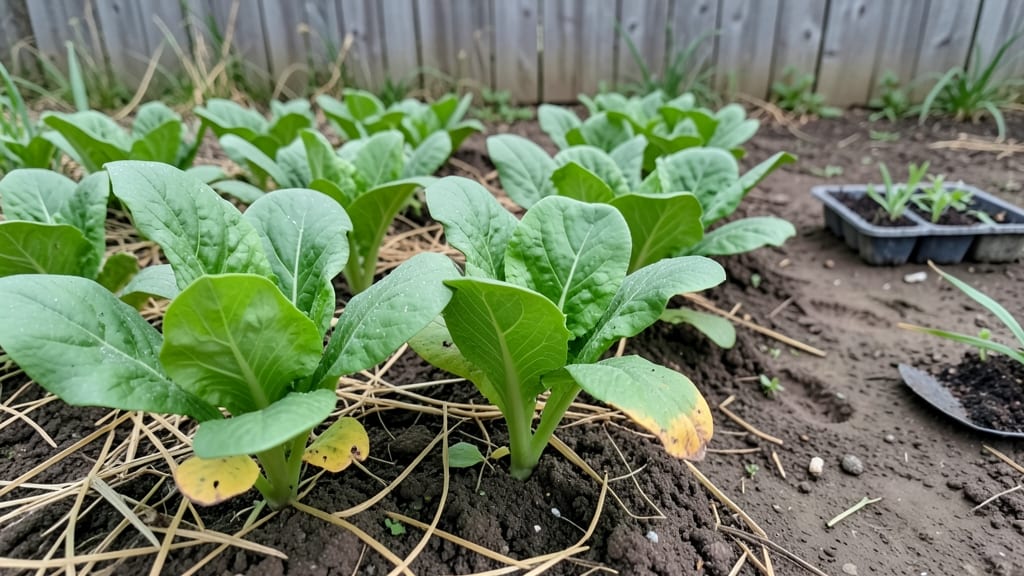
Garden row spacing determines plant health and yield by preventing overcrowding, improving airflow, and reducing disease risk. Most vegetables need 12–36 inches between rows, depending on maturity size and sunlight needs.
Getting row spacing right isn't just about fitting plants in—it's about giving them room to thrive. 🌱 When plants compete for nutrients, roots struggle to access water and minerals, leading to stunted growth. Proper spacing also lets sunlight reach lower leaves, preventing shade stress.
I’ve seen firsthand how crowded rows invite fungal diseases like powdery mildew, while wider spacing keeps air circulating and plants healthier. For instance, leafy greens like lettuce can handle tighter rows (12 inches), while sprawling tomatoes need at least 36 inches to avoid crowding and disease.
Another key factor is how spacing affects fruit development. Plants like cucumbers or squash need extra room to spread, while bush beans can grow happily in closer rows. The right spacing also makes harvesting easier—no more tangled vines or hidden produce!
If you're using raised beds, you can often reduce spacing slightly since soil warms faster and drains better, but always check your specific plants' needs.
💡 In This Article
- How Row Spacing Affects Plant Health and Yield
- Exact Spacing Guidelines for Common Vegetables
How row spacing affects plant health and yield
The science behind row spacing starts with roots. When plants are too close, their root systems compete aggressively for water and nutrients in the soil. This competition triggers a physiological stress response where roots grow shorter and thinner, reducing their ability to absorb moisture and minerals.
For example, tomatoes with crowded roots may produce fewer fruits because their energy goes toward survival rather than flowering. 🌱 The ideal spacing allows roots to spread naturally, accessing deeper soil layers where nutrients are more abundant.
Sunlight interception is another critical factor. Tall plants like corn or sunflowers need 30-36 inches between rows to prevent shading lower leaves, which can reduce photosynthesis by up to 50% in dense plantings.
Leafy greens like spinach or kale, however, can tolerate closer spacing (12 inches) because they grow quickly and don’t block sunlight for long. The key is matching spacing to the plant’s mature height—taller varieties always need more room.
Airflow also plays a role, as stagnant air in crowded rows traps moisture, creating perfect conditions for fungal diseases like powdery mildew.
Pollination and fruit development are directly impacted by spacing too. Plants like squash and cucumbers rely on bees to transfer pollen, and crowded vines can block access. I’ve noticed that properly spaced zucchini plants produce larger, straighter fruits because pollinators can move freely between flowers.
Even self-pollinating plants like tomatoes benefit—better airflow reduces humidity around flowers, preventing blossom-end rot. The right spacing also makes it easier to spot pests early, like aphids on the undersides of leaves, giving you time to intervene before infestations spread.
Comparing compact vs. sprawling plants reveals why spacing guidelines vary so widely. Compact plants like radishes or bush beans can thrive in rows just 10-12 inches apart because they grow upright and don’t spread. Sprawling plants like pumpkins or melons, however, need 36-48 inches to accommodate their vines.
The difference comes down to how much space the plant occupies above and below ground. Even within categories, maturity matters—young seedlings can start closer together but need to be thinned or transplanted as they grow.
Another layer to consider is how spacing affects soil temperature and moisture retention. Wider rows allow sunlight to warm the soil more evenly, which is crucial for heat-loving crops like peppers. In contrast, closer rows in raised beds can create microclimates where soil stays cooler and moister longer.
This is why raised beds often allow for slightly tighter spacing—better drainage and warmer soil compensate for reduced airflow. The trade-off is always balancing these factors against your garden’s specific conditions, like shade patterns or rainfall.
What most gardeners don’t realize is how spacing impacts harvest efficiency. Crowded rows make it harder to reach produce without disturbing neighboring plants, leading to bruised fruits or damaged leaves. I’ve spent hours untangling vines in overcrowded tomato plants, only to find hidden green tomatoes that never ripened.
Proper spacing not only boosts yield but also makes maintenance easier—weeding, pruning, and harvesting become simpler when plants have room to breathe. 🌿 The right spacing is essentially an investment in both quantity and quality.