
Companion Plants
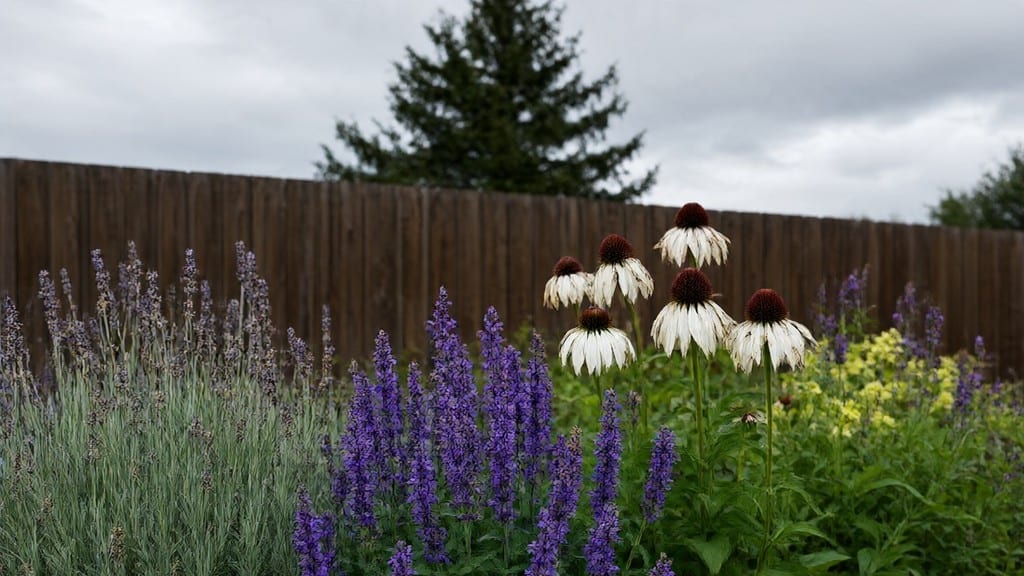
The toughest garden plants outside that thrive through winter and burst back into summer glory are the unsung heroes of effortless gardening—so I’m revealing my top picks after years of trial and error. ✨ reliable plants that make outdoor gardening feel effortless—even in harsh winters.
The key is choosing plants that match your climate zone and sunlight conditions. Most of these cold-hardy companions thrive in full sun but tolerate partial shade, and they all handle freezing temperatures without fuss.
Think hardy shrubs like potentilla, perennials such as coneflowers, and small trees like serviceberry—they’re the backbone of a garden that stays lush even after the first frost.
You’ll end up with a garden that’s nearly self-sufficient once established, requiring minimal winter care beyond a light mulch. The blooms arrive early, the foliage stays vibrant late, and the roots survive deep freezes without a second thought. These plants don’t just survive—they thrive year after year.
Perfect for gardeners in zones 3-7 who want beauty without the constant upkeep. Let’s get started with the toughest, most rewarding plants for your outdoor space!
📚 In This Guide
- What you need
- Instructions
- Tips and common mistakes
- Wrapping up and next steps
What you need
- ● Cold-hardy plants: Choose from perennials like heuchera, sedum, lavender, Russian sage, or catmint. Select 3–5 varieties for diversity.
- ● Potting soil or garden soil: 1–2 bags (10–15 cubic feet) of high-quality, well-draining soil (amend with compost if needed).
- ● Containers or garden beds: Containers: 5–10 pots (10–14 inches in diameter) with drainage holes for portability.
- ○ Garden beds: A 4’x4’ or larger raised bed (optional but ideal for cold climates).
- ● Mulch: 2–3 bags of shredded bark, straw, or wood chips (for insulation and moisture retention).
- ● Fertilizer: Slow-release organic fertilizer (e.g., 10-10-10 or compost tea) for planting time.
- ● Garden gloves (1 pair) – Protect your hands from thorns and soil.
- ● Trowel or hand shovel – For digging and transplanting.
- ● Pruners or shears – Sharp, clean tools for trimming dead foliage.
- ● Watering can or hose with nozzle – For gentle, deep watering.
- ● Measuring tape or ruler – To space plants 12–24 inches apart (depending on variety).
- ○ Optional: Soil pH tester (to ensure optimal growing conditions).
- ● Frost cloth or row covers (for extra protection in extreme cold snaps).
- ● Decorative stones or pebbles (for aesthetic garden borders).
- ● Sunlight assessment: Identify areas with full sun (6+ hours/day) or partial shade (3–6 hours/day)—most cold-hardy plants thrive in these conditions.
- ● Weather check: Plant in spring (after last frost) or early fall for best root establishment.
- ● Drainage test: Ensure containers or beds drain well (water shouldn’t pool after 30 minutes).
Step-by-step guide for planting cold-hardy garden companions
Here’s how to establish a resilient outdoor garden that thrives through winter and rebounds strong in spring.
🌱 Step 1: Select and Prepare Your Planting Site
Choose a location with 6+ hours of sunlight daily—most cold-hardy perennials need full sun to store energy for winter survival. I always test the soil first using a simple pH kit; aim for a range of 6.0-7.0, which suits the majority of hardy companions like coneflowers, sedum, and Russian sage. If your soil is heavy clay, amend with 2-3 inches of compost mixed into the top 12 inches of soil to improve drainage and nutrient retention.
Mark planting spots with stakes or a garden hose outline before digging. This prevents overcrowding—most cold-hardy plants need 18-24 inches of space to mature without competing for resources. For example, catmint thrives with 2 feet between plants, while sedum can handle 18 inches. Sketch a rough layout to visualize spacing before breaking ground.
🪴 Step 2: Plant Bare-Root or Container-Grown Perennials
For bare-root plants, soak the roots in lukewarm water for 1-2 hours before planting to rehydrate them. Dig holes twice as wide as the root ball but only as deep as the container’s base—burying too deep suffocates stems. Gently loosen the roots if they’re circling, then place the plant in the hole and backfill with native soil mixed with a handful of compost.
For container-grown plants, remove them from pots and inspect roots. If you see a dense root ball, score the outer edges with a knife to encourage outward growth. Press soil firmly around the base to eliminate air pockets, then water deeply until moisture reaches 6 inches down. Mulch immediately with 2-3 inches of shredded bark or straw to protect roots from temperature swings.
☀️ Step 3: Water Deeply and Establish a Routine
Water newly planted perennials once weekly for the first month, delivering 1-1.5 gallons per plant to encourage deep root growth. Use a soaker hose or drip irrigation to avoid wetting foliage, which reduces disease risk. Cold-hardy plants like lavender and oregano actually prefer drier conditions, so adjust watering if leaves yellow or stems wilt—these are signs of overwatering.
After the first month, taper watering to every 10-14 days unless your region experiences prolonged drought. Let the top 2-3 inches of soil dry out between waterings—this mimics natural rainfall patterns and strengthens root systems. In late fall, reduce watering entirely to allow plants to harden off for winter.
✂️ Step 4: Prune and Mulch for Winter Protection
In early fall, cut back dead or diseased stems to 6 inches above the ground, but leave healthy foliage on perennials like coneflowers and black-eyed Susans—it insulates roots during cold snaps. For woody shrubs like butterfly bush, prune lightly to shape, but avoid heavy cuts that stimulate new growth too late in the season.
Apply a 3-4 inch layer of mulch over the root zone after the first hard frost. Use materials like straw or shredded leaves, which break down slowly and add organic matter. Avoid piling mulch against stems—keep it 2 inches away to prevent rot. This layer acts as a thermal blanket, protecting roots from freezing and thawing cycles that can crack soil and damage plants.
🌿 Step 5: Monitor and Adjust Through the Seasons
Check plants in early spring for signs of winter damage, such as brown stems or missing foliage. Most cold-hardy companions rebound quickly once temperatures rise above 40°F. Fertilize lightly in early spring with a balanced 10-10-10 formula to encourage new growth, but avoid high-nitrogen feeds—these promote soft, tender shoots that won’t survive another freeze.
Throughout the growing season, watch for pests like aphids or spider mites, which thrive in dry conditions. A strong spray of water often dislodges them, but for persistent infestations, use neem oil or insecticidal soap. Deadhead spent blooms regularly to redirect energy into root development and next year’s flowers. By late summer, taper back on watering to prepare plants for their second winter.
Tips & tricks for planting cold-hardy garden companions
Creating a winter-resilient garden takes more than just planting—it's about strategic preparation that pays off for years. Here are the key insights that'll help your cold-hardy companions thrive through every season.
Soil Preparation is Everything: Before amending your heavy clay soil with 2-3 inches of compost, I recommend testing for compaction first. Drive a screwdriver into the ground—if it goes in less than 2 inches, your soil needs more aeration. Mix in coarse sand or perlite along with the compost to improve both drainage and root penetration. This step is especially critical for plants like sedum that hate soggy roots.
Root Care Makes All the Difference: When handling bare-root plants, don't rush the 1-2 hour soaking time—this is when roots rehydrate properly. I've seen many gardeners skip this step and end up with plants that struggle to establish. For container-grown plants, scoring the root ball encourages outward growth, but be gentle—you're not trying to chop through roots, just create small channels for expansion. Press soil firmly around the base to eliminate air pockets that can strangle new roots.
Watering Wisdom: The first month's weekly watering routine of 1-1.5 gallons per plant might seem excessive, but it's essential for deep root establishment. I recommend watering in the early morning to prevent fungal issues from evening moisture. For drought-prone areas, consider installing a simple drip irrigation system—it delivers water directly to roots without wetting foliage, which reduces disease risk significantly. The goal is consistent moisture, not soggy soil.
Winter Protection Secrets: That 3-4 inch mulch layer after the first hard frost is your plant's best friend, but placement matters. Keep mulch 2 inches away from stems to prevent rot—this is especially important for woody shrubs like butterfly bush. For extra protection in extremely cold climates, consider adding a layer of evergreen boughs over the mulch. This creates an insulating air pocket that can make a dramatic difference in survival rates.
Pro Tips for Garden Plants Outside
- Creating a winter-resilient garden takes more than just planting—it's about strategic preparation that pays off for years.
- Soil Preparation is Everything: Before amending your heavy clay soil with 2-3 inches of compost, I recommend testing for compaction first.
- Root Care Makes All the Difference: When handling bare-root plants, don't rush the 1-2 hour soaking time—this is when roots rehydrate properly.
Frequently asked questions
Got questions about keeping your garden lively even when the weather turns chilly? You’re in the right place! Here are answers to the most common concerns about growing cold-hardy garden plants outside year-round.
What are the coldest temperatures my plants can handle?
Most cold-hardy plants survive down to 10°F (-12°C) or lower, but check their USDA Hardiness Zone (e.g., Zone 3–7 for Russian sage or winterberry holly). Perennials like heuchera or sedum often bounce back after light freezes, while tender plants (e.g., rosemary) need winter protection.
How do I protect plants from frost or snow?
Use mulch (straw, leaves, or wood chips) to insulate roots, and wrap tender stems with burlap or frost cloth. For potted plants, move them to a sheltered spot or cover with cardboard boxes (remove during the day). Evergreens like boxwood or juniper handle snow well—just brush it off to prevent breakage.
Can I plant outside in late fall or winter?
Yes! Cold-hardy annuals (e.g., pansies, kale) and winter wheatgrass thrive in cool weather. For perennials, plant in early fall (6–8 weeks before frost) so roots establish before dormancy. Avoid transplanting when soil is frozen—wait for a mild day (40°F/4°C+) and water thoroughly afterward.
What pests should I watch for in winter gardens?
Even in cold months, rodents (voles, mice) and aphids may target tender stems. Use row covers or diatomaceous earth for soil pests. Evergreen shrubs can attract spider mites—spray with neem oil if you spot webbing. Prune damaged branches in late winter to encourage new growth.
Are there low-maintenance plants for beginners?
Try drought-tolerant perennials like lavender (Zone 5–9), sedum (Zone 3–10), or catmint (Zone 3–8). These need minimal watering once established and repel pests naturally. For color, winter jasmine or heather bloom in chilly months with almost no fuss!
Wrapping up and next steps
Transforming your outdoor space into a thriving garden doesn’t require constant effort—just the right cold-hardy companions! From lavender to Russian sage, these resilient plants bring beauty, fragrance, and low-maintenance joy year-round.
Whether you’re a beginner or a seasoned gardener, start small, observe your space, and let nature do the rest.
🌱 Ready to take the next step?
- Sketch a simple layout of your garden beds.
- Pick 1-2 plants from this list to test their resilience in your climate.
- Share your progress—or ask questions—in the comments below!