
Tools
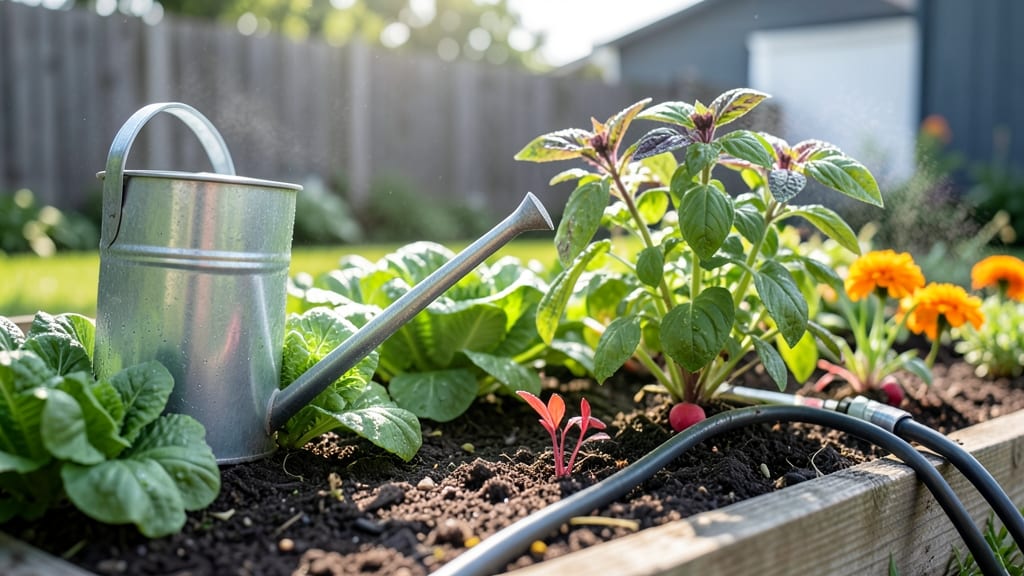
Watering your garden bed properly is the single most important factor for strong root growth and drought-resistant plants — but most of us are doing it wrong.
Struggling with uneven plant growth or wilting despite regular watering? The secret lies in precision garden bed watering—a technique that boosts root health, prevents drought stress, and maximizes yield with minimal waste.
Here’s the truth: most people overwater by default, thinking more moisture equals better growth. In reality, shallow, frequent watering drowns roots and wastes water, while deep, infrequent soaks encourage roots to grow deeper for resilience.
In this guide, I’ll break down the exact watering schedule for your USDA Zone 6a garden bed, how to test soil moisture like a pro, and the best irrigation methods to save time and water—no guesswork included.


Optimal watering schedules by plant type and soil conditions
Mastering garden bed watering isn't about frequency—it's about precision timing and soil science. Plants like tomatoes and peppers thrive with deep, infrequent watering, while leafy greens prefer consistent moisture. The key? Understanding your soil's water-holding capacity and adjusting for seasonal shifts.
Start by testing your soil's moisture level with a simple finger test. Stick your index finger 2-3 inches deep—if it feels dry, it's time to water.
Sandy soils drain quickly and need daily checks, while clay holds moisture longer and may only need watering every 5-7 days. Seasonal adjustments are critical too: summer heat demands morning watering to reduce evaporation, while winter often requires bi-weekly light hydration.
Here’s the science behind it: shallow watering encourages surface roots, making plants vulnerable to drought. Instead, aim for deep watering—soak the soil until moisture reaches 6-12 inches deep. This trains roots to grow downward, creating a drought-resistant network.
For drought-tolerant plants like lavender or succulents, let the soil dry completely between waterings, while thirsty crops like cucumbers need consistent moisture.
| Plant Type | Watering Frequency | Best Time | Soil Depth | Seasonal Adjustments |
|---|---|---|---|---|
| Vegetables (Tomatoes, Peppers) | Every 2-3 days (summer), weekly (spring/fall) | Early morning (6-9 AM) | 6-12 inches | Increase frequency in heatwaves; reduce in rain |
| Leafy Greens (Lettuce, Spinach) | Daily (light watering) or every 2 days | Morning or evening | 2-4 inches | Avoid wetting leaves to prevent disease |
| Drought-Tolerant (Succulents, Lavender) | Every 7-14 days (soil dry) | Late afternoon (avoid evaporation) | 4-6 inches | Reduce winter watering; avoid soggy soil |
| Herbs (Basil, Cilantro) | Every 2-3 days (keep soil moist) | Morning | 3-6 inches | Basil wilts in heat; cilantro bolts if dry |
| Flowers (Marigolds, Zinnias) | Every 3-5 days (deep soak) | Early morning | 4-8 inches | Reduce in humidity; increase in drought |
| Fruit Trees (Young) | 2-3 times per week (deep) | Early morning | 12+ inches | Critical in first 2 years; mulch to retain moisture |
For container gardens, the rules shift slightly. Smaller pots dry out faster, so check soil moisture daily in summer. Use your finger to test the top 1-2 inches—if dry, water until it drains from the bottom.
Pro tip: Group containers together to create a microclimate that retains humidity longer. Avoid leaving water in saucers, which can lead to root rot.
Seasonal shifts require proactive adjustments. In spring, focus on establishing roots with deep watering every 3-5 days. Summer demands early morning hydration to combat evaporation, while fall transitions to bi-weekly deep watering as plants prepare for dormancy.
Winter care varies by climate: in mild zones, reduce watering to every 2 weeks; in freezing areas, protect roots with mulch and minimal water.
Don’t ignore the signs of overwatering—yellowing leaves, mold, or a foul smell mean you’re drowning your plants. Conversely, underwatered plants show wilting, crispy edges, or soil pulling away from pot sides.
The solution? Balance is key: match your watering to the plant’s natural habitat. A desert cactus won’t thrive with daily soaks, just as a tropical fern will suffer without humidity.
Upgrade your watering game with a soil moisture meter ($15 at garden centers) to eliminate guesswork. Insert the probe 2 inches deep—readings below 30% moisture signal it’s time to water. For large garden beds, invest in a drip irrigation system to deliver consistent deep watering without waste.
Even a simple soaker hose saves time and ensures roots get the hydration they crave.
Remember: healthy roots equal healthy plants. By tailoring your watering to plant type, soil, and season, you’ll see stronger
5 Common watering mistakes that stunt root growth (and how to fix them)
Even with the best intentions, garden bed watering mistakes can sabotage your plants' growth. Overwatering or underwatering forces roots to struggle, leading to stunted development, yellowing leaves, or even plant death. The key is understanding how much water your plants truly need—and when to deliver it.
Most gardeners make these errors without realizing it. For example, watering based on a schedule rather than soil conditions or assuming all plants need the same amount of water. Let's break down these five critical mistakes and how to correct them for healthier roots and stronger plants.
Soggy soil suffocates roots by cutting off oxygen. Test soil moisture by sticking your finger 1-2 inches deep—if it's damp, wait before watering again. Clay soil stays wet longer than sandy soil, so adjust your watering schedule accordingly.
Mistake #1: Watering on a Fixed Schedule Fixed schedules (like every Monday and Thursday) ignore changing weather and soil conditions. Instead, check soil moisture weekly by feeling the top 2-3 inches.
If it's dry, water deeply until moisture reaches 6-8 inches down. Use a moisture meter for precision, especially for container plants or drought-tolerant succulents.
Mistake #2: Shallow Watering Light, frequent watering encourages roots to stay near the surface, making plants vulnerable to drought. Aim for a deep watering session 2-3 times per week (adjust for climate) to encourage roots to grow downward.
For example, water tomatoes until 12 inches of soil is moist—this builds resilience against dry spells.
Mistake #3: Watering at the Wrong Time Evening watering promotes fungal diseases like powdery mildew, while midday watering wastes water to evaporation. Always water in the early morning (before 10 AM) to let foliage dry quickly. This simple habit reduces disease risk by up to 70% in humid climates.
Mistake #4: Ignoring Plant-Specific Needs Not all plants drink the same. Leafy greens like lettuce need consistent moisture, while herbs like rosemary thrive on neglect. Research your plants' native habitats—those from arid regions (like lavender) need less water than tropical varieties (like ferns).
Group plants with similar needs together in your garden beds.
Mistake #5: Skipping Soil Prep Compacted or poorly draining soil prevents roots from accessing water and nutrients. Before planting, amend your soil with organic matter (like compost or aged manure) to improve structure.
A quick test: If water pools on the surface after rain, your soil needs better drainage—add perlite or coarse sand to fix it.