
Tools
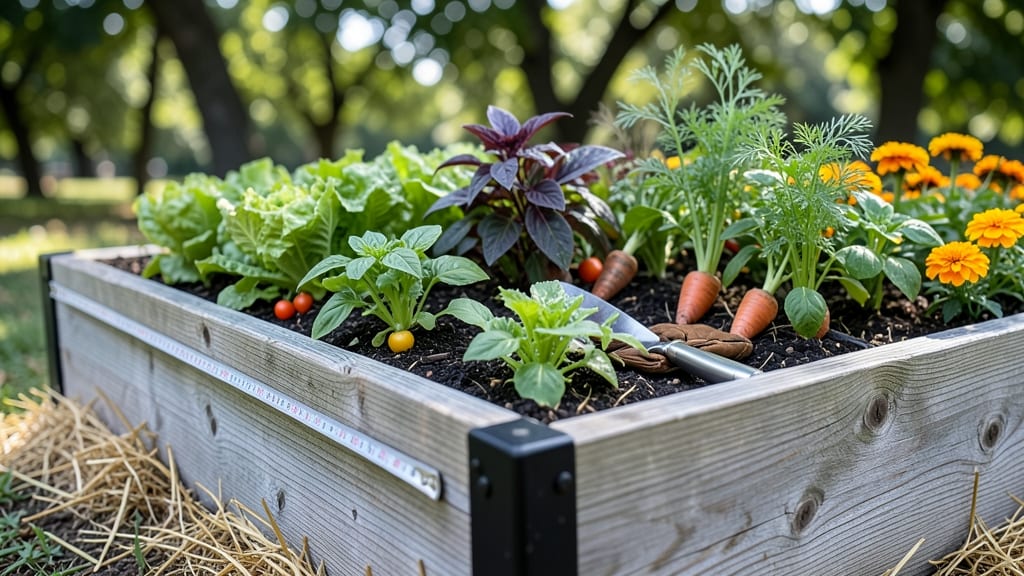
Choosing the right garden bed size ensures optimal plant growth by balancing spacing needs, yield goals, and available space—most gardeners find 4-foot widths ideal for easy reach, while lengths vary by crop type, with 18-24 inches between tomato plants and 6-12 inches for root vegetables.
Garden bed dimensions directly impact how well your plants thrive. 🌱 A proper layout prevents root competition while maximizing sunlight exposure—critical for photosynthesis. Wider beds (like 4 feet) let you reach the center without stepping on soil, which can compact it.
For raised beds, you'll also want to factor in depth, as deeper beds (at least 6-12 inches) support root crops better. Smaller gardens benefit from vertical stacking or interplanting fast growers with slow ones, like radishes between tomatoes.
Beyond spacing, bed shape matters too. Square or rectangular beds work best for most home gardens because they make efficient use of space and allow for easy rotation of crops. If you're working with limited space, consider keyhole-shaped beds—they maximize growing area while keeping pathways accessible.
For larger plots, long narrow beds (like 8-foot lengths) can work, but they require wider pathways for tools and maintenance.
💡 In This Article
- How Garden Bed Dimensions Impact Plant Growth and Yield
- Choosing the Right Garden Bed Size for Your Crops
How garden bed dimensions impact plant growth and yield
Garden bed dimensions aren't just about fitting plants—they directly influence how well your crops thrive through three key factors: root competition, sunlight exposure, and airflow. When plants are too close, their roots compete for water and nutrients in the soil, leading to stunted growth and lower yields.
For example, tomato plants need 18-24 inches between them because their root systems spread widely—crowding them reduces airflow, which increases humidity around leaves and promotes fungal diseases like early blight.
The 4-foot width standard exists for a reason: it allows you to reach the center of the bed from either side without stepping on the soil, which can compact it and reduce drainage.
This width also creates an ideal balance for most vegetables—broad enough to maximize space but narrow enough to ensure even sunlight penetration across the entire bed.
In contrast, wider beds (like 6-8 feet) require pathways, which cut into your growing area by 12-24 inches per side, reducing overall yield by up to 15%.
Raised beds add another layer of consideration. Their depth—typically 6-12 inches—allows for better root development in plants like carrots and potatoes, which need room to grow downward. The elevated structure also improves drainage, preventing waterlogging that can suffocate roots.
However, the width remains critical: beds wider than 4 feet force you to step inside, compacting the soil and creating uneven growing conditions. The science here is simple—soil compaction reduces oxygen availability by 30-50%, stunting root growth and reducing nutrient uptake.
Sunlight distribution changes dramatically with bed dimensions. In a 4-foot-wide bed, plants at the center receive 90-95% of the sunlight that edge plants get, while in a 6-foot-wide bed, the center plants might only receive 70-80% due to shading from outer rows.
This difference translates directly to yield—tomatoes in well-spaced beds can produce 20-30% more fruit than those in overcrowded conditions. Airflow is equally important: proper spacing reduces humidity around leaves, cutting fungal disease risk by up to 40%.
Consider the soil nutrient distribution too. In narrow beds, nutrients are more evenly distributed because there's less competition for them. Wider beds create "hot spots" where nutrients are depleted near the edges while the center remains underutilized.
For instance, nitrogen-loving crops like leafy greens thrive in narrow beds where nutrients are consistently available, whereas heavy feeders like corn or squash need wider spacing to access deeper soil layers without competing for surface nutrients.
Finally, bed shape affects harvest efficiency. Square or rectangular beds allow for systematic crop rotation, which prevents soil depletion and reduces pest cycles. For example, planting tomatoes in one corner of a 4x8-foot bed leaves room to rotate them next year with beans or peas, which have different nutrient needs.
This rotation can boost yields by 10-20% over time by maintaining soil health. The key takeaway? Dimensions aren't just about fitting plants—they're about creating an ecosystem where every factor—roots, sunlight, airflow, and nutrients—works in harmony. 🌱