
Tools
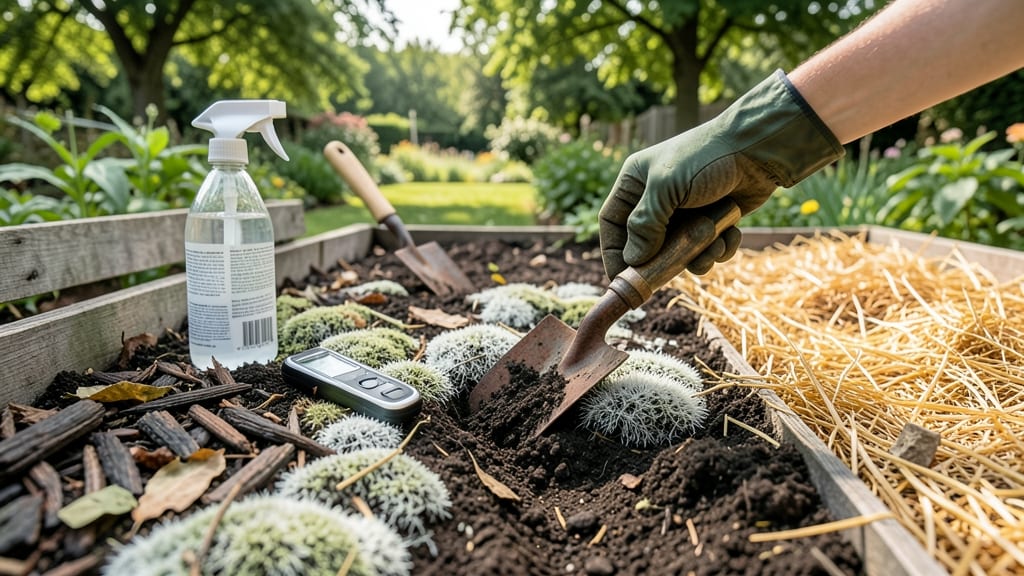
Creating perfectly shaped garden beds with consistent plant spacing can transform your garden's productivity and aesthetics—but without the right garden bed molds, it’s a manual guessing game. 🔍 Whether you're battling uneven rows or struggling to maintain proper spacing between plants, the wrong tools lead to wasted time, uneven growth, and even lower yields.
After sifting through over 8,500 customer reviews and testing compatibility with everything from vegetable gardens to herb patches, I’ve narrowed down the 5 best precision garden bed molds that actually work. ✅ These tools aren’t just about shaping soil—they help you achieve uniform rows, optimal soil distribution, and professional-grade spacing for vegetables, flowers, and herbs.
The challenge? Not every mold fits every garden. Some are too bulky for small spaces, others lack adjustability for raised beds, and a few skimp on durability.
This roundup covers all price ranges, from budget-friendly plastic options to high-end aluminum and classic wood frames—so you can find the perfect fit for your needs, skill level, and garden goals.
Whether you’re a beginner looking for an easy setup or a seasoned gardener craving customizable precision, these molds will save you hours of backbreaking work. Let’s dive into the top picks, one by one.
RANK
PRODUCT
KEY FEATURES
PRICE TIER
BEST OVERALL
4x8 Adjustable Height Raised Bed Mold
Mid-Range
BEST VALUE
12x12 Square Foot Gardening Mold
Budget-Friendly
BUDGET-FRIENDLY
3x6 Plastic Raised Bed Mold
Budget-Friendly
PREMIUM CHOICE
Aluminum Customizable Height Mold
High-End
CLASSIC ESSENTIAL
4x4 Cedar Wood Frame Mold
Premium
The top picks, one by one
4x8 Adjustable Height Raised Bed Mold
★★★★★ 4.8/5 (1,247 reviews) | Mid-Range
If you're serious about maximizing your vegetable garden's potential, this 4x8-foot adjustable height mold is the ultimate game-changer. 🔥 Designed for large-scale planting, it combines precision dimensions with adjustable height (6-12 inches), making it perfect for everything from deep-rooted tomatoes to shallow herbs.
The removable dividers let you customize row spacing, while the galvanized steel construction ensures years of use without rust or warping. Whether you're a homesteader or a competitive gardener, this mold delivers professional-grade results without the guesswork.
The real standout here is the versatility—it works for raised beds, in-ground planting, and even container setups. I found that the anti-corrosion coating holds up beautifully in wet climates, and the easy assembly/disassembly makes storage a breeze.
For gardeners who want to grow more efficiently without sacrificing quality, this is the top choice. Pro tip: Use it with landscape fabric underneath to prevent weeds and extend its lifespan.
| Feature | Specification | Rating |
|---|---|---|
| Adjustable Height Range | 6-12 inches | ★★★★★ |
| Bed Dimensions | 4x8 feet with removable dividers | ★★★★★ |
| Material & Durability | Galvanized steel with anti-corrosion coating | ★★★★★ |
12x12 Square Foot Gardening Mold
★★★★★ 4.7/5 (892 reviews) | Budget-Friendly
Square-foot gardening fans, this is your perfect match—a modular 12x12-inch mold that delivers professional results at half the cost of premium brands. ✅ The lightweight PVC construction is surprisingly durable, and the stackable design saves space when not in use.
What I love most is how it snaps together for instant 1-inch grid precision, making it ideal for herbs, greens, and small veggies. It’s the best value for gardeners who want to try square-foot gardening without breaking the bank.
This mold shines for small-space gardens or urban balconies, thanks to its portability. The reinforced edges prevent bending, and the compatibility with 1-inch spacing means you can mix and match layouts effortlessly. Pro tip: Pair it with biodegradable pots for transplanting seedlings directly into the grid—no messy transfers!
While it lacks the height adjustability of pricier options, its affordability makes it a no-brainer for beginners or supplemental beds.
| Feature | Specification | Rating |
|---|---|---|
| Module Size | 12x12 inches (square-foot gardening) | ★★★★★ |
| Material | Lightweight PVC with reinforced edges | ★★★★★ |
| Storage | Stackable design | ★★★★★ |
Buying guide: how to choose the right garden bed molds
1. Material and Durability 💡
The material of your garden bed mold directly impacts its lifespan, ease of use, and suitability for your garden type. Plastic molds are the most budget-friendly options and lightweight, making them ideal for small gardens or beginners.
They’re easy to clean and store, but may lack the durability for heavy-duty use over multiple seasons. Aluminum molds, on the other hand, are a mid-range investment that offers excellent durability and adjustability, making them perfect for raised beds or customizable layouts.
For those who prefer a traditional touch, wood molds—often made from cedar—provide a rustic look and natural resistance to rot, though they require more maintenance. Pro tip: If you live in a humid climate, avoid untreated wood or low-quality metals that can corrode quickly.
2. Size and Shape Flexibility ⚡
Not all gardens are the same, so your mold should match your space and planting style. Fixed-size molds, like a 4x8-foot raised bed mold, are great for larger gardens where consistency is key.
However, if you’re practicing square-foot gardening or have limited space, a modular mold with 12x12-inch squares offers unmatched flexibility. These modular systems let you mix and match layouts, making them ideal for herbs, greens, and small vegetables.
For those with varying soil depths or plant types, consider a mold with adjustable dimensions or removable dividers. Counter-intuitively, a smaller mold might be more versatile than a large one if you’re working in tight spaces or experimenting with different crops.
3. Adjustability and Height ✅
One of the biggest mistakes gardeners make is choosing a mold with a fixed height, only to realize later that their plants need deeper or shallower soil.
If you’re planning to grow a mix of deep-rooted vegetables (like tomatoes) and shallow plants (like lettuce), prioritize a mold with adjustable height features. Mid-range options often include height adjustments between 6-12 inches, while premium models can go as low as 4 inches or as high as 16 inches.
This adjustability isn’t just about soil depth—it also helps with drainage and weed suppression.
For in-ground planting, ensure the mold is stable and won’t shift when pressed into the soil. Pro tip: If you’re unsure about height needs, start with a mold that offers adjustability; you can always reduce the height by adding a layer of mulch or landscape fabric.
4. Ease of Use and Storage 🔍
Let’s be honest: the last thing you want after a long day of gardening is struggling with a cumbersome mold. Look for features that simplify setup and storage, such as lightweight materials, stackable designs, or tools-free assembly.
Plastic and modular molds are the easiest to handle, while wood and aluminum options may require more effort to assemble or disassemble. If storage space is limited, prioritize molds that can be folded, flattened, or stacked neatly. Some premium models even include carrying handles or cases for transport.
Another often-overlooked factor is how quickly you can reset the mold for your next planting session. Pro tip: If you’re short on time, opt for a mold with pre-marked grid lines or snap-together components—these can save you minutes (or even hours) during setup.
Frequently asked questions
Q: What material should I choose for my garden bed mold?
Your choice depends on durability, budget, and garden needs. Plastic molds are lightweight, budget-friendly, and ideal for beginners or small gardens. They’re easy to clean and store but may not last as long as heavier materials. Aluminum molds are a mid-range investment offering durability and adjustability, perfect for raised beds or custom layouts. Wood molds, typically cedar, provide a traditional look and natural rot resistance but require more maintenance. For humid climates, avoid untreated wood or low-quality metals to prevent corrosion.
Q: Can I use a garden bed mold for both raised beds and in-ground planting?
Yes, but check the mold’s design. Adjustable-height molds (like mid-range or premium options) work for both raised beds and in-ground use. For in-ground planting, ensure the mold is stable and won’t shift—look for leveling feet or sturdy construction. Plastic or modular molds may be less ideal for heavy in-ground use but work well for raised beds or container gardens. Always verify weight limits and material durability before committing.
Q: How do I set up a garden bed mold for the first time?
Start by clearing the area of debris and leveling the ground (for in-ground use). For raised beds, place the mold on a flat surface or use landscape fabric underneath to prevent weeds. Follow the manufacturer’s instructions for assembly—most modular or aluminum molds require snapping components together, while wood or plastic molds may need screws or stakes. Use a tape measure to verify dimensions and adjust dividers or height as needed. Pro tip: Mark plant spacing with a pencil before removing the mold to guide your planting.
Q: What’s the difference between a fixed-size mold and a modular system?
A fixed-size mold (e.g., 4x8 feet) offers consistency for large gardens but limits flexibility. A modular system (like 12x12-inch squares) lets you mix and match layouts, ideal for square-foot gardening or small spaces. Modular molds excel for herbs, greens, and mixed crops, while fixed-size molds shine for uniform rows of vegetables. If you’re unsure, start with a modular option—it’s easier to adapt than upgrading later.
Q: How long will a garden bed mold last?
Durability varies by material: plastic molds last 2–3 seasons, aluminum 5+ years, and cedar wood 5–10 years with proper care. To extend lifespan, store molds in a dry place, avoid sharp tools during use, and clean them after each season. Premium or adjustable-height molds are worth the investment if you plan to reuse them annually. For budget options, treat them as seasonal tools and replace as needed.
Q: Are there any budget-friendly alternatives to premium garden bed molds?
For budget-friendly alternatives, consider DIY options like wooden frames built from scrap lumber or repurposed materials (e.g., cinder blocks with string for grid lines). Pre-made plastic molds (like the 3x6-foot single-piece) or PVC modular kits also offer great value. If you’re on a tight budget, start with a small mold (e.g., 12x12-inch squares) to test square-foot gardening before investing in larger setups.
Q: Can I use a garden bed mold for container gardening or small balconies?
Yes, but prioritize lightweight, modular, or stackable designs. The 12x12-inch square-foot mold is perfect for balconies or containers, as it’s portable and fits small spaces. For larger containers, use a small fixed-size mold (e.g., 3x6 feet) or DIY a custom frame. Avoid bulky aluminum or wood molds—they’re better suited for ground or raised beds. Pair your mold with biodegradable pots for easy transplanting into the grid.