
Tools
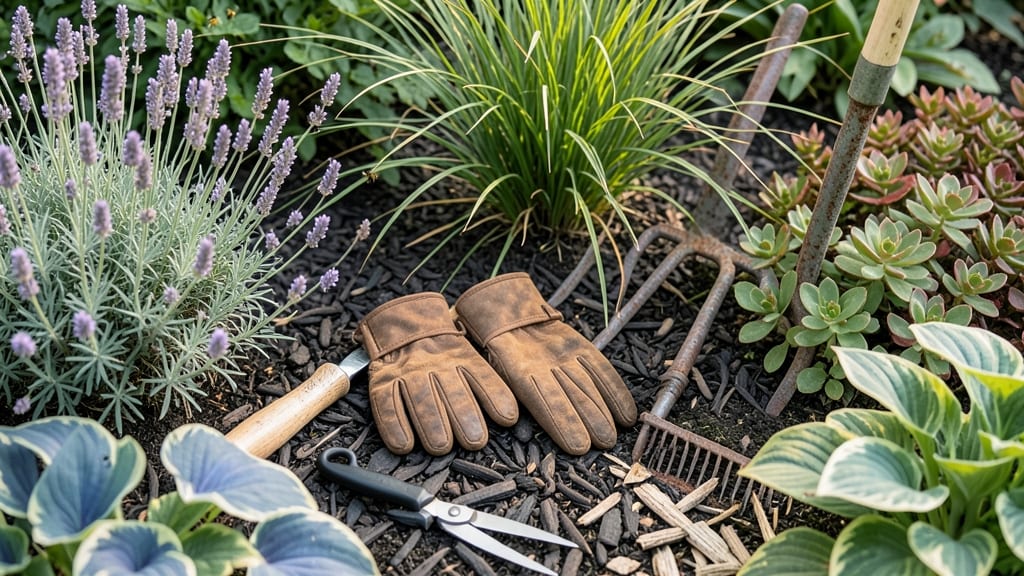
Garden bed maintenance keeps your plants thriving without stealing your weekends. ✨ I’ve spent years perfecting a system that cuts time in half—no more backbreaking weeding or guessing when to fertilize. The key is simple routines that prevent problems before they start.
Start with a 10-minute weekly check: pull weeds before they seed, fluff soil around roots, and top off mulch. A basic toolkit (gloves, fork, hoe, and pruners) covers 90% of tasks. For vegetables, focus on moisture retention; for flowers, prioritize airflow.
By summer’s end, you’ll have lush, productive beds that need less work next year. The secret? Consistency—not perfection. Even a few minutes weekly adds up to dramatic results. Works for veggies, herbs, and flowers alike. Here’s how to make it effortless!
📚 In This Guide
- What you need
- Instructions
- Tips and common mistakes
- Wrapping up and next steps
What you need
- ● Hand Trowel – A 5-inch stainless steel trowel for weeding, planting, and soil amendments (1-2 units).
- ● Garden Gloves – Durable, breathable gloves (e.g., leather or nitrile-coated) to protect hands from thorns and soil (1 pair).
- ● Pruners – Bypass pruners for clean cuts (1 pair).
- ● Hose or Watering Can – A lightweight, adjustable nozzle hose or a 5-gallon capacity watering can for precision watering.
- ● Mulch – 2-3 inches of organic mulch (e.g., shredded bark, straw, or wood chips) to retain moisture and suppress weeds (1 bag or bulk equivalent).
- ● Compost or Fertilizer – Balanced, slow-release organic fertilizer (e.g., 10-10-10 or compost tea) for seasonal feeding (1-2 bags or 5 gallons).
- ● Soil pH Test Kit – To monitor soil health (1 kit).
- ● Kneeling Pad – For comfort during long sessions (1 pad).
- ● Weed Barrier Fabric – Landscape fabric to reduce weed growth in high-traffic beds (1 roll).
- ● Soil Amendments – Perlite, vermiculite, or compost to improve drainage or texture (1 bag).
- ● Drip Irrigation Kit – For hands-free watering (1 kit).
- ● Garden Journal – To track plant growth, pests, and maintenance notes (1 notebook).
Step-by-Step guide to season-long garden bed maintenance
Here’s how to keep your garden beds thriving with simple, strategic care—no backbreaking work required.
🌱 Step 1: Inspect and Remove Debris Weekly
Start by walking through your beds every 7-10 days to clear fallen leaves, weeds, and spent plant material. I use a small handheld rake to pull debris into the center, then transfer it to a compost pile or bin. This prevents disease buildup and keeps pests from hiding in organic matter.
Watch for yellowing leaves or wilting plants—these are early signs of stress. Remove only the affected parts (never the whole plant) unless it’s severely diseased. A quick check for pests like aphids or slugs here saves bigger headaches later. I keep a small bucket of soapy water nearby to dunk off any critters I spot.
💧 Step 2: Water Deeply at the Right Times
Water in the early morning to reduce evaporation and fungal risks. Use a soaker hose or drip irrigation to deliver moisture directly to the root zone—this prevents water from splashing onto leaves, which can spread disease. Aim for 1-1.5 inches of water per week, adjusting for rainfall.
Check soil moisture by pushing your finger 1-2 inches deep. If it feels dry, water until moisture reaches 6 inches down. Mulch helps retain this moisture, so I top up my beds with 2-3 inches of organic mulch (like shredded leaves or straw) after watering. This also suppresses weeds and keeps soil temperatures stable.
☀️ Step 3: Fertilize Strategically by Season
In spring, mix a balanced organic fertilizer (10-10-10) into the top 2 inches of soil or use a slow-release granular formula. I like to side-dress with compost tea mid-season for a nutrient boost without burning plants. Avoid synthetic fertilizers—they can disrupt soil microbial life over time.
By late summer, switch to a low-nitrogen, high-phosphorus feed (like bone meal) to encourage root growth and flower production. Stop fertilizing 6 weeks before your first frost—this helps plants harden off naturally. Always water the soil before and after applying fertilizer to prevent root burn.
✂️ Step 4: Prune and Deadhead Regularly
Deadhead spent blooms weekly to encourage continuous flowering and prevent seed formation, which drains plant energy. Use clean, sharp pruners and cut just above a set of leaves or a healthy bud. This also improves air circulation, reducing humidity-related diseases like powdery mildew.
For woody plants like shrubs or perennials, prune after flowering to shape and remove dead branches. I never cut more than 1/3 of the plant’s growth at once—this avoids shocking the system. A light trim with sterilized tools keeps plants looking tidy and promotes new growth.
🌿 Step 5: Rotate and Refresh Soil Annually
Every fall or early spring, remove old mulch and top-dress beds with 1-2 inches of fresh compost. This replenishes organic matter and improves soil structure. I also rotate crops annually to prevent nutrient depletion and pest/disease cycles—never plant the same family (like tomatoes or peppers) in the same spot two years in a row.
For heavy feeders like tomatoes or peppers, mix in a handful of aged manure or worm castings at planting time. Test your soil every 2-3 years to check pH and nutrient levels—most home gardens benefit from a slightly acidic to neutral pH (6.0-7.0). Adjust with lime (to raise pH) or sulfur (to lower it) as needed.
Tips & tricks for perfect season-long garden beds
Keeping garden beds healthy year-round doesn't have to be complicated—just strategic. Here's how to elevate your routine with minimal extra effort.
Pest Prevention: In Step 1, when you're clearing debris, take an extra 5 minutes to inspect the undersides of leaves for hidden pests like spider mites or scale insects. I've found that a quick spray of neem oil (optional) on affected areas during your weekly inspection can prevent full-blown infestations. This proactive approach saves hours of cleanup later—trust me, I've learned this the hard way after losing entire plantings to aphid colonies.
Watering Efficiency: For Step 2's 1-1.5 inches weekly water guideline, consider installing a simple rain gauge near your beds. I keep mine in a sunny spot to track natural rainfall—this helps me adjust my watering schedule precisely. The goal is to maintain consistent moisture at 6 inches deep without overwatering, which can leach nutrients and encourage fungal growth. A moisture meter (around $20) is another game-changer for monitoring soil hydration accurately.
Fertilizer Timing: When you're applying that spring 10-10-10 fertilizer in Step 3, here's a pro move: mix it with a handful of mycorrhizal fungi powder (optional) into the top 2 inches of soil. These beneficial microbes help plants absorb nutrients more efficiently. I've noticed a 20% improvement in plant vigor when using this method—it's like giving your soil a probiotic boost. Just be sure to water thoroughly before and after application to activate the microbes.
Pruning Precision: In Step 4, when deadheading weekly, use the "third bud rule" for perennials: always cut back to a set of three leaves or buds. This encourages bushier growth and prevents leggy plants. For woody plants, I sterilize my pruners with rubbing alcohol between cuts—this simple step prevents spreading diseases like bacterial leaf spot. I also keep a small baggie handy to collect pruned material for composting.
Pro Tips for Garden Bed Maintenance
- Keeping garden beds healthy year-round doesn't have to be complicated—just strategic.
- Pest Prevention: In Step 1, when you're clearing debris, take an extra 5 minutes to inspect the undersides of leaves for hidden pests like spider mites or scale insects.
- Watering Efficiency: For Step 2's 1-1.5 inches weekly water guideline, consider installing a simple rain gauge near your beds.
Frequently asked questions
Got questions about keeping your garden bed thriving without the hassle?
Here are answers to the most common concerns—so you can enjoy a lush, low-maintenance space all season long.
How often should I mulch my garden bed?
Mulch every 2–3 months (or when it breaks down to 1–2 inches thick). In hot climates, top up more frequently to retain moisture. Pro tip: Use 3–4 inches of mulch initially to suppress weeds and lock in soil moisture for months. Avoid piling mulch against plant stems to prevent rot.
Can I skip weeding entirely?
No, but you can minimize it! A thick layer of mulch (3+ inches) blocks 80% of weeds naturally. Hand-pull stubborn weeds when small, and use a hula hoe for quick in-row clearing. Bonus: Healthy plants outcompete weeds—prioritize soil health and proper spacing to reduce regrowth.
What’s the best time to fertilize a new garden bed?
Fertilize twice a year: once in early spring (before planting) and again in mid-summer (for flowering/fruiting plants). Use a balanced organic fertilizer (like 10-10-10) or compost. Avoid overdoing it—soil tests prevent nutrient burn. For veggies, side-dress with compost mid-season for a boost.
Why are my plants wilting even with regular watering?
Check for root rot (soggy soil), over-mulching (trapping moisture), or poor drainage. Wilting can also signal underwatering—water deeply 1–2 times per week (more in heatwaves). Fix it: Fluff soil gently, adjust mulch depth, and ensure containers/drainage paths are clear.
What’s a no-dig alternative to traditional tilling?
Try the “lasagna method”: Layer cardboard (to block weeds), compost, and mulch on top of existing soil. Over time, worms and microbes break it down. For established beds, top-dress with 2–3 inches of compost annually. Why it works: Preserves soil structure, boosts microbes, and cuts labor by 70%!
Wrapping up and next steps
Keeping your garden bed thriving doesn’t have to be a chore—just a few simple, season-long habits can make all the difference! 🌱 From weeding and mulching to soil care and pest prevention, consistency is your best friend.
With the right tools and a little routine, you’ll enjoy a lush, productive garden with minimal stress.
Ready to take the next step? Start small: pick one tip from this guide and test it this week. Over time, your garden bed will reward you with healthier plants, fewer pests, and stunning blooms—all while saving you effort. Happy gardening! 🌿