
Landscaping
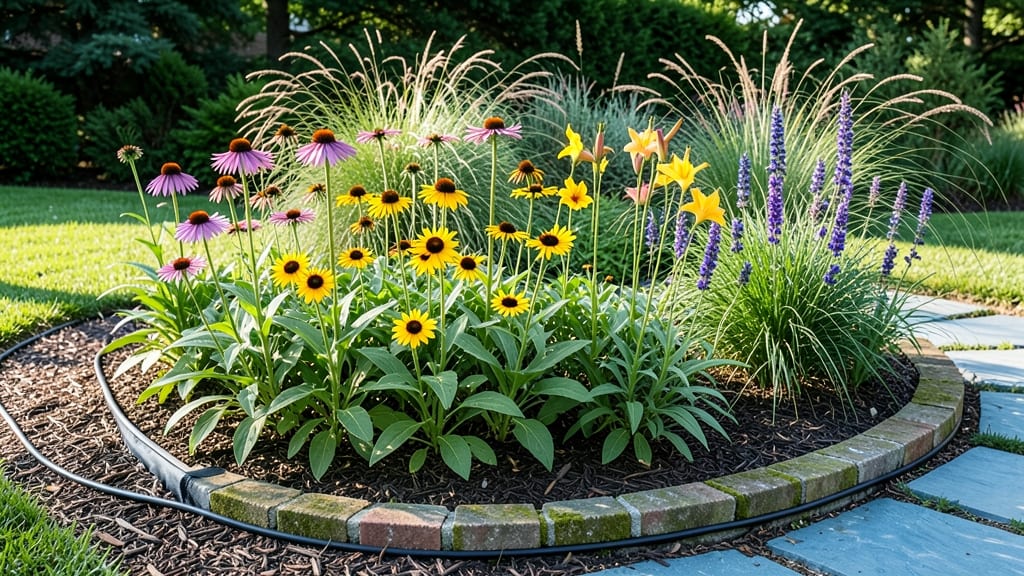
Front yard flower bed landscaping that wows neighbors without requiring constant work is totally doable. 🌸 I designed my first low-maintenance bed after realizing my previous high-drama garden spent more time weeding than blooming—now it thrives with three seasons of color and zero fuss.
The secret lies in layering plants that complement each other: tall perennials like coneflowers for structure, mid-height shrubs like butterfly bush for seasonal interest, and low-growing annuals like pansies for winter pops. Add a few hardscape elements—a simple stone border or two—so the design holds together without looking cluttered.
By mid-summer, you'll have a front yard that looks like it belongs in a magazine, with minimal weekly upkeep. The best part? It keeps improving each year as plants establish. Even my black thumb can't kill this combo.
Works for any yard size, from tight city lots to spacious suburban plots. Let's make your curb appeal effortless!
📚 In This Guide
- What you need
- Instructions
- Tips and common mistakes
- Wrapping up and next steps
What you need
- ● Soil & Amendments: Topsoil (2–3 cubic yards, depending on bed size)
- ● Compost or organic matter (1–2 bags, 40 lb each)
- ● Slow-release fertilizer (e.g., 10-10-10, 1 bag)
- ● Plants & Mulch: Perennials (e.g., coneflowers, black-eyed Susans—5–10 plants)
- ● Annuals (e.g., petunias, marigolds—10–15 plants)
- ● Mulch (2–3 cubic feet, shredded bark or pine straw)
- ● Tools: Shovel (flat and round)
- ● Garden rake
- ● Wheelbarrow (for hauling soil)
- ● Pruners (bypass type)
- ● Measuring tape
- ● Garden gloves
- ● Edging materials (brick, metal, or plastic—10–20 ft)
- ● Garden stakes or labels (for plant identification)
- ● Drip irrigation kit (for automated watering)
- ● Solar-powered lights (to highlight your bed at night)
- ● Decorative rocks or stepping stones (for pathways)
Step-by-Step instructions for designing a low-maintenance flower bed
Here's how to create a front yard flower bed that thrives with seasonal beauty and requires just a few hours of care each month.
🪴 Step 1: Assess and Prepare the Site
First, evaluate your space by measuring the area—aim for 4-6 feet wide to allow easy access from all sides. Mark the bed shape with spray paint or stakes, keeping in mind existing hardscapes like walkways or driveways. I always step back and visualize the design from the street to ensure it complements your home's architecture.
Remove any existing grass or weeds using a sod cutter or shovel, digging down 6-8 inches deep. This prevents regrowth and gives roots room to establish. If your soil is heavy clay or sandy, amend it with 2-3 inches of compost mixed into the top 6 inches—this improves drainage and nutrient retention without overwhelming your plants.
✂️ Step 2: Plan a Seasonal Color Palette
Divide your bed into three zones: front (short plants), middle (medium height), and back (tall plants). I like to use 3-5 plants per zone for a balanced look. For year-round interest, pair early bloomers like heuchera or hellebore with mid-season favorites such as coneflowers or black-eyed Susans, and finish with late-season performers like asters or sedum.
Choose plants with varying bloom times and foliage textures—this ensures color even when flowers fade. For minimal fuss, select native species or drought-tolerant varieties like lavender or Russian sage, which thrive with less water once established. Sketch your layout on graph paper, using symbols for each plant type to visualize proportions before digging.
🌱 Step 3: Install Mulch and Plant Strategically
Spread 2-3 inches of organic mulch (like shredded bark or pine straw) over the soil, keeping it 2 inches away from plant stems to prevent rot. This suppresses weeds, retains moisture, and regulates soil temperature. I always water the bed thoroughly before planting to settle the soil and reduce transplant shock.
Dig holes twice as wide as the root ball and slightly shallower than the container depth. Place each plant in its hole, backfilling with soil and pressing gently to remove air pockets. Space perennials 18-24 inches apart and annuals 12-18 inches apart—crowding leads to competition and weak growth. Water deeply after planting to encourage root establishment.
☀️ Step 4: Establish a Maintenance Routine
Water newly planted beds 1-2 times per week for the first 4-6 weeks, then taper to once per week once established. Use a drip irrigation system or soaker hose to deliver water at the soil level, reducing evaporation and fungal diseases. I set a reminder for spring and fall feedings with a slow-release fertilizer—this keeps plants vibrant without overfeeding.
Deadhead spent blooms regularly to encourage continuous flowering and prevent self-seeding (unless you want volunteer plants). In late winter, trim back any dead foliage but leave seed heads for winter interest—birds love them, and they add texture to the landscape. Prune perennials in early spring, cutting back to just above the ground for most varieties, or to 1/3 of their height for shrub-like plants.
⏰ Step 5: Refresh and Rotate Plants Seasonally
Every 3-5 years, divide and replace overcrowded perennials to rejuvenate the bed. I like to swap out 1-2 plants annually with new varieties to keep the design fresh—this also prevents pest and disease buildup. For example, replace a tired daylily clump with a new hosta variety or add a seasonal annual like snapdragons for pops of color.
Monitor for pests like aphids or slugs, addressing issues early with neem oil or diatomaceous earth. A healthy bed with diverse plantings rarely has major problems, but I always keep a spray bottle of soapy water handy for quick treatments. By late fall, add a 2-inch layer of mulch to insulate roots and protect against freeze-thaw cycles.
Tips & tricks for perfect year-round flower bed landscaping
Creating a stunning front yard flower bed that thrives all year takes a few strategic moves—here's what separates good from great.
Design with Layers: In Step 2, when planning your seasonal palette, think vertically. The 4-6 feet width recommendation gives you room to create distinct layers: place heuchera or hellebore in the front (12-18 inches tall), coneflowers or black-eyed Susans in the middle (24-36 inches), and asters or sedum in the back (36+ inches). This creates depth perception and prevents any single plant from overwhelming the design. The key is to visualize from the street—what you see first should be the most compact plants.
Soil Prep Makes All the Difference: In Step 1, don't skip the 6-8 inch deep excavation if you have existing grass or weeds. I learned this the hard way after struggling with regrowth in my first attempt. For clay soil, mix in 2-3 inches of compost only into the top 6 inches—this prevents nutrient overload deeper in the soil. A soil test kit ($20 at garden centers) can tell you exactly what amendments your specific soil needs, saving you from guesswork.
Mulch Like a Pro: When applying the 2-3 inches of organic mulch in Step 3, use a rake to create a slight depression around plant stems. This keeps mulch 2 inches away while still protecting roots. I prefer shredded bark mulch because it breaks down slowly, but pine straw works well in warmer climates. Refresh your mulch layer annually in late fall—this protects against freeze-thaw cycles and suppresses weeds without smothering plants.
Watering Wisdom: The 1-2 times per week recommendation in Step 4 works for most climates, but timing matters more than frequency. Water in the early morning to reduce evaporation and fungal risks. For new beds, use a soaker hose buried slightly in the soil to deliver water directly to roots. Once established, most perennials only need 1 inch of water per week, including rainfall—this prevents overwatering while keeping plants happy.
Pro Tips for Front Yard Flower Bed Landscaping
- Creating a stunning front yard flower bed that thrives all year takes a few strategic moves—here's what separates good from great.
- Design with Layers: In Step 2, when planning your seasonal palette, think vertically.
- Soil Prep Makes All the Difference: In Step 1, don't skip the 6-8 inch deep excavation if you have existing grass or weeds.
Frequently asked questions
Got questions about transforming your front yard into a stunning, low-maintenance flower bed? You’re not alone! Here are some of the most common queries—and straightforward answers—to help you get started with confidence.
What’s the best time of year to plant a front yard flower bed?
For most regions, spring (after the last frost) and early fall are ideal—soil is warm, and plants establish roots before extreme weather. In warmer climates, winter planting can work too! Check your local frost dates for precision. Pro tip: If planting perennials, aim for spring to avoid winter die-off.
How much does a professional front yard flower bed installation cost?
Costs vary widely: $1,500–$5,000 for a basic 10x10 ft bed (materials + labor), depending on plants, soil prep, and hardscaping (like edging or mulch). DIYers save 50–70% by sourcing plants at nurseries or online. Budget hack: Start small—focus on one section or use mulch to suppress weeds and cut long-term costs.
What are the easiest low-maintenance flowers for beginners?
Opt for drought-tolerant, perennial favorites like coneflowers, black-eyed Susans, daylilies, or lavender. They thrive with minimal watering and return yearly. For instant color, add annuals like petunias or marigolds—just deadhead spent blooms! Bonus: Native plants (check your USDA zone) need even less fuss since they’re adapted to your climate.
How do I fix a flower bed that looks sad or overgrown?
Start with a reset: Remove dead plants, pull weeds, and refresh mulch. Prune overgrown perennials in early spring (cut back by 1/3). For bare spots, amend soil with compost and add new plants. Quick win: A fresh layer of 3–4 inches of mulch suppresses weeds and retains moisture—game-changer!
Can I mix flowers with shrubs or ground cover in my flower bed?
Layering
adds depth and texture. Pair tall perennials (like Joe Pye weed) with mid-height shrubs (e.g., hydrangeas) and low ground covers (like creeping thyme). This creates a professional, lush look while reducing weeds. Design tip: Group plants by height and color for a cohesive vibe.
Wrapping up and next steps
Transforming your front yard into a vibrant, low-maintenance flower bed is easier than you think! With the right seasonal plant combinations, hardy perennials, and a few strategic design tweaks, you can enjoy year-round color with minimal effort.
Whether you’re a first-time landscaper or a seasoned gardener, every small step—like choosing native plants or adding mulch—makes a big difference.
Ready to get started? Pick one section of your flower bed and begin with a single plant or design element. Before you know it, your front yard will be the envy of the neighborhood! 🌸🌿