
Neem Oil
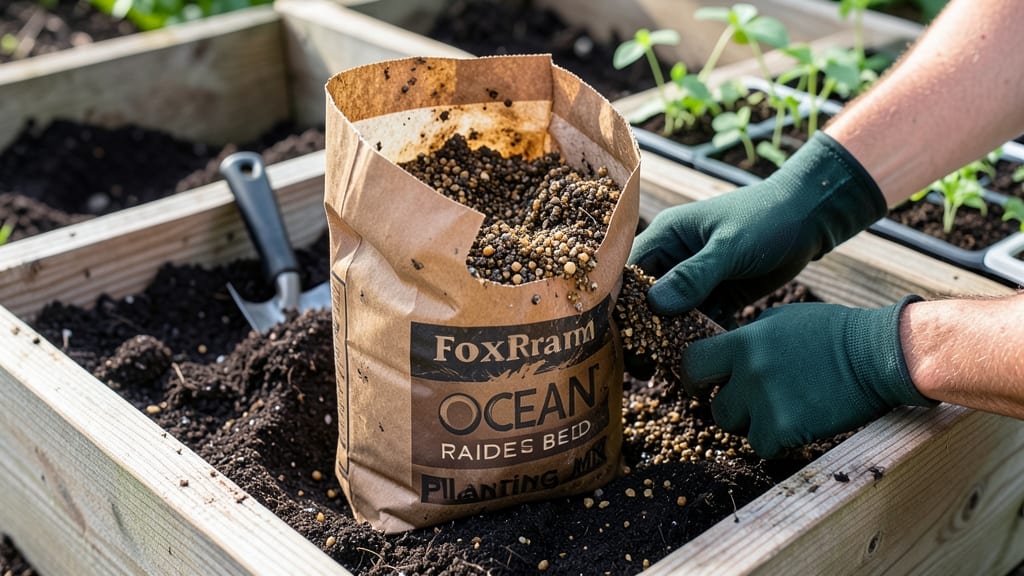
My FoxFarm raised bed planting mix transformed my struggling garden into a pest-resistant powerhouse—thanks to that neem-infused secret weapon. 🌱 The first time I spread this mix, my tomatoes went from aphid magnets to thriving plants that barely needed spraying.
It’s not just soil; it’s a built-in defense system for your raised beds.
You’ll love how easy it is to use—just fill your raised bed and plant. The mix stays loose and airy, so roots grow deep without compacting. I’ve grown everything from peppers to herbs in it, and the neem keeps pests at bay while feeding plants slowly.
Best part? No need to amend it again for years. Just add water and watch your garden flourish.
For beginners, this mix eliminates guesswork—no testing pH or balancing nutrients. Advanced gardeners swear by it for long-term soil health, too. The neem infusion works quietly in the background, so you get fewer pests and more harvests without extra effort. Perfect for raised beds, containers, or even in-ground gardens.
If your plants look stressed or pests creep in, check moisture levels—this mix drains fast but holds enough water for roots. For extra insurance, top-dress with compost once a year. Trust me, once you try it, you’ll never go back to regular soil again.
What Triggers Soil Problems
Even the finest organic mixes—like FoxFarm Raised Bed Planting Mix—can develop issues if not used or maintained correctly. Understanding the root causes helps gardeners prevent common pitfalls and keep their soil thriving. Here’s why problems arise, broken down by science-backed factors:
Raised beds rely on proper aeration and drainage to prevent waterlogging, which suffocates roots and invites fungal diseases. Here’s why it happens:
- Overwatering or clay-heavy amendments: FoxFarm’s mix is nutrient-dense but can compact if saturated, especially when blended with heavy soils or clay. Science note: Soil particles pack tightly when water fills pore spaces, reducing oxygen flow to roots (a condition called anaerobic stress).
- Lack of organic matter turnover: Over time, decomposed plant material breaks down, leaving behind finer, denser soil. Without fresh compost or aeration (like tilling or adding perlite), the structure degrades.
- Improper bed construction: Beds without drainage holes or liners (e.g., landscape fabric) trap excess moisture, mimicking a swampy ecosystem where pests like Phytophthora thrive.
Actionable fix: Test drainage by filling a container with the mix and water—if it pools after 30 minutes, amend with coarse sand or coconut coir (10–20% by volume). For compacted beds, top-dress with peat moss or aged bark to restore fluffiness.
FoxFarm’s mix is packed with worm castings, bat guano, and kelp, but imbalances can occur if:
- Microbes starve for diversity: Synthetic fertilizers or overuse of neem oil (a natural fungicide) can disrupt beneficial actinobacteria and mycorrhizal fungi, which help plants absorb nutrients. Science note: Neem’s azadirachtin is broad-spectrum—it doesn’t just target pests but can also suppress soil microbes if overapplied.
- Salinity buildup: High-salt amendments (like certain fish emulsions) or hard water can create osmotic stress, where plants struggle to uptake water. FoxFarm’s mix is low-salt, but mixing in other fertilizers without flushing (leaching) can tip the scales.
- Carbon-to-nitrogen (C:N) ratio swings: Fresh compost or wood chips add carbon, which microbes “eat” slowly. If the mix lacks enough nitrogen (e.g., from blood meal or feather meal), decomposition stalls, leaving uneaten organic matter that molds.
Actionable fix:
- Balance act: Add a 1:3 ratio of nitrogen-rich to carbon-rich amendments (e.g., 1 part alfalfa meal to 3 parts straw).
- Microbial boost: Sprinkle mycorrhizal inoculant or compost tea (brewed from aged compost) to revive fungal networks.
- Flush salts: Water heavily (1–2 inches) to leach excess salts, then top-dress with gypsum (calcium sulfate) to improve structure.
FoxFarm’s mix is slightly acidic (pH ~6.3–6.8), ideal for most veggies, but pH can drift if:
| Cause | Why It Happens | Signs in Plants |
|---|---|---|
| Over-acidification | Adding too much pine fines, coffee grounds, or sulfur lowers pH below 5.5. Science note: Microbes like Thiobacillus oxidize sulfur into sulfuric acid, accelerating acidity. | Yellowing leaves (chlorosis), stunted growth, aluminum toxicity in sensitive plants (e.g., azaleas). |
| Alkaline creep | Lime, wood ash, or hard water raises pH above 7.5. Science note: Calcium carbonate (lime) neutralizes acidity by binding H+ ions, but excess locks out micronutrients like iron and manganese. | Brown leaf edges, poor flowering, “lime-induced chlorosis.” |
Actionable fix:
- Test first: Use a digital pH meter or soil test kit (avoid DIY vinegar/baking soda tests—they’re inaccurate).
- Adjust gradually:
- To raise pH: Mix in pelletized lime (1 lb per 100 sq ft) and water well.
- To lower pH: Add elemental sulfur (1 oz per 10 sq ft) and re-test in 2–4 weeks.
- Pro tip: If using neem oil, monitor pH closely—it’s slightly acidic and can nudge soil toward the lower end over time.
FoxFarm’s mix is designed for moderate climates, but heat or drought can stress it:
- Bacterial & fungal overgrowth: Warm, moist soil (above 80°F) accelerates Pythium and Rhizoctonia spores, causing damping-off in seedlings. Science note: Fungal hyphae grow faster in anaerobic conditions (low oxygen), common in waterlogged or mulch-heavy beds.
- Nutrient volatility: High heat denatures organic matter, releasing ammonia (toxic to plants) or locking nutrients into unavailable forms. For example, phosphorus binds to iron/aluminum oxides in warm, acidic soil.
- Desiccation of microbes: Drought-stressed soil loses 40–60% of its microbial biomass within weeks, reducing nutrient cycling.
Actionable fix:
- Mulch smartly: Use straw or shredded leaves (2–3 inches) to insulate soil, keeping temps stable and moisture even.
- Water deeply but infrequently: Aim for 1–1.5 inches per week (more in containers), focusing on the root zone. Use drip irrigation to avoid wetting foliage (which spreads disease).
- Heat shield: In scorching climates, shade cloth (30–50%) or reflective mulch (e.g., aluminum foil under black plastic) can lower soil temps by 10–15°F.
Key takeaway: Most soil issues stem from disruptions to the natural balance—whether it’s physical (compaction), chemical (pH/salts), or biological (microbial starvation). FoxFarm’s mix is forgiving, but it’s not indestructible. By addressing these triggers proactively, you’ll extend its lifespan and supercharge your garden’s resilience.
Fixing Common Raised Bed Soil Issues
Got problems with your raised bed soil? Whether it’s compaction, poor drainage, or nutrient imbalances, the right fixes can turn your garden back into a thriving ecosystem—especially when using a premium mix like FoxFarm’s neem-infused blend.
Below, we’ll tackle the most common issues with practical, step-by-step solutions and prevention tips to keep your plants happy and healthy.
Cause: Heavy foot traffic, machinery, or settling over time squeezes out air pockets, suffocating roots.
How to Fix It:
- 🔥 Loosen the Soil Gently Use a broadfork or garden fork to aerate the top 6–12 inches without turning the soil. This breaks up compaction while preserving soil structure. Pro Tip: Work on dry soil for easier penetration, but avoid doing this when the ground is frozen or waterlogged.
- 🍳 Add Organic Matter Mix in 2–3 inches of compost (like FoxFarm Ocean Forest or Happy Frog) or well-rotted manure to improve porosity.
For raised beds, top-dress and lightly fork in. Pro Tip: Spread a thin layer of straw or wood chips (1–2 inches) to prevent future compaction and retain moisture.
- 👨🍳 Plant Cover Crops Sow clover, vetch, or winter rye between plantings. Their roots loosen soil naturally, and when tilled in, they add nitrogen.
Prevention:
- Use mulch (straw, leaves, or grass clippings) to reduce erosion and traffic impact.
- Avoid walking on beds—step on the paths instead.
Cause: Clay-heavy soil or over-amended organic matter retains too much water, leading to root rot.
How to Fix It:
- 🥘 Amend with Sand or Perlite Blend in coarse sand or perlite (1 part to 3 parts soil) to create air pockets. For raised beds, mix these amendments into the top 6 inches before planting. Pro Tip: Horticultural sand (not playground sand) works best—it’s coarse and won’t compact.
- 🔪 Improve Bed Structure If your bed is already planted, create raised "hills" around waterlogged areas and plant shallow-rooted crops (like lettuce) there. For deep-rooted plants (tomatoes, peppers), dig a drainage trench around the bed’s perimeter.
- ⏰ Adjust Watering Habits Water deeply but less frequently (1–2 inches per week) to encourage roots to grow downward. Use a soaker hose to avoid surface puddling.
Prevention:
- Build raised beds with a gravel or landscape fabric base (4–6 inches) to promote drainage from day one.
- Test your soil’s percolation rate: Dig a 12-inch hole, fill with water, and time how long it drains. Ideal: 4–6 hours to drain.
Cause: Over-fertilizing, depleted soil, or pH extremes (too acidic/alkaline) lock out essential nutrients.
How to Fix It:
- 📊 Test Your Soil Use a home soil test kit (or send a sample to a lab) to check pH and nutrient levels. FoxFarm’s neem-infused mix is nutrient-rich, but over-application of synthetic fertilizers can disrupt the balance.
- 💪 Balance with Organic Amendments
- Low Nitrogen? Add blood meal (for greens) or fish emulsion (for blooms).
- Low Phosphorus? Mix in bone meal (for root/fruit development).
- High pH (Alkaline)? Work in peat moss or pine fines to acidify.
- Low pH (Acidic)? Sprinkle lime or wood ash (sparingly) to raise pH.
- ✨ Feed the Soil, Not Just the Plants Top-dress with FoxFarm Big Bloom or Grow Big (diluted to half-strength) every 4–6 weeks. For neem-infused beds, compost tea boosts microbial activity without overloading nutrients.
Prevention:
- Rotate crops annually to prevent nutrient depletion.
- Avoid chemical fertilizers—stick to organic amendments for long-term soil health.
Cause: Compacted soil, poor drainage, or lack of neem’s natural repellent properties (if diluted).
How to Fix It:
- 🌡️ Boost Neem’s Power Reapply neem oil (1 tbsp per gallon of water) as a foliar spray every 2–3 weeks. For soil-dwelling pests (grubs, nematodes), mix neem cake into the top 4 inches of soil.
- 🎯 Introduce Beneficial Insects Release ladybugs, nematodes, or predatory mites to target pests naturally. FoxFarm’s neem mix supports these helpers—just ensure they have habitat (like mulch or companion plants).
- 🔥 Physical Barriers
- Row covers for flying pests (cabbage moths, whiteflies).
- Copper tape around beds deters slugs and snails.
Prevention:
- Interplant with pest-repelling herbs (basil, marigolds, thyme).
- Keep beds weed-free—weeds harbor pests and compete for nutrients.
- 💡 Top-Dress Annually: Add 1–2 inches of compost or FoxFarm’s Happy Frog to replenish nutrients. - 🌡️ Monitor Moisture: Stick your finger in the soil—it should feel like a wrung-out sponge.
Adjust watering as needed. - 🔄 Rotate Crops: Avoid planting the same family (e.g., tomatoes, peppers) in the same spot yearly to prevent disease buildup.
By addressing these issues proactively, your FoxFarm-raised bed mix will stay vibrant, pest-resistant, and packed with the nutrients your garden craves. Happy planting! 🌱💚
Frequently asked questions
How long does a bag of FoxFarm Raised Bed Planting Mix last?
A standard 1.5 cubic foot bag covers about 1.5 square feet at 12 inches deep. For a 4'x8' raised bed (32 sq ft), you’ll need 20-22 bags (12" depth). This mix is designed for long-term use—most gardeners only need to top-dress with 1-2 inches of compost annually to maintain fertility. The neem infusion helps preserve soil structure for 2-3 growing seasons without major amendments.
Can I mix FoxFarm Raised Bed Planting Mix with other soils?
Yes, but use it as the base. For best results, mix it with 20-30% perlite or coarse sand if your native soil is heavy clay, or 10% compost if you want to boost microbial activity. Never mix with synthetic fertilizers—the neem and organic matter in FoxFarm’s mix can react poorly with chemicals. For container gardening, use it 100% pure for optimal drainage and aeration.
Why does my FoxFarm mix smell strong at first?
The initial strong odor comes from the worm castings, bat guano, and kelp meal in the mix—completely normal! It should mellow within 24-48 hours after wetting. If the smell persists beyond a week or becomes foul (like rotten eggs), your soil may be too wet or anaerobic. Flush with water and add dried leaves or perlite to improve aeration. The neem infusion actually helps reduce unpleasant odors over time by suppressing odor-causing microbes.
What plants thrive best in FoxFarm Raised Bed Planting Mix?
This mix is perfect for vegetables, herbs, and flowers. Top performers include:
- Tomatoes, peppers, and eggplants (loves the balanced nutrients)
- Leafy greens (kale, spinach, lettuce—stays moist enough)
- Herbs (basil, cilantro, parsley—neem helps deter pests)
- Strawberries and blueberries (acid-loving plants thrive in its slightly acidic pH)
How do I store leftover FoxFarm mix to prevent drying out?
Store unopened bags in a cool, dry place (like a garage or shed). Once opened, transfer to airtight containers (like plastic bins with lids) and keep them covered with a plastic tarp or damp burlap to retain moisture. For long-term storage (6+ months), mix the opened bag with 10% dry sand or vermiculite to prevent clumping. Never store it outdoors—rain or sun will degrade the organic matter.