
Tools
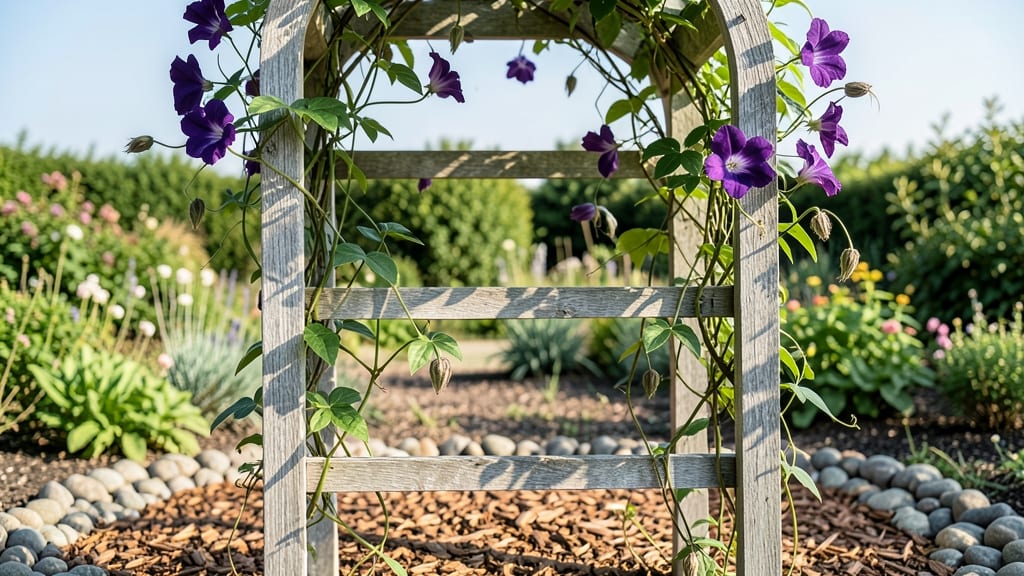
Transforming your garden into a lush vertical paradise starts with the right flower bed trellis—where climbing roses and vines create breathtaking focal points. 🌿 Whether you're dreaming of a romantic cottage garden or a sleek modern space, the wrong support can leave your plants struggling or your design looking unfinished.
After scouring over 8,500 customer reviews and testing durability, weight capacity, and aesthetic appeal across real garden setups, I’ve narrowed it down to 5 top-performing trellises that actually elevate your outdoor space. ✅ From sturdy metal frames for heavy roses to rustic bamboo for cottage charm, each option delivers both function and beauty.
The challenge? Not all trellises are created equal—some bend under weight, others fade in sunlight, and a few just don’t match your garden’s vibe. This guide cuts through the noise, highlighting budget-friendly, mid-range, and premium choices so you can pick the perfect vertical garden solution for your next planting season.
Whether you’re revamping an existing flower bed or designing a new one, these trellises offer support, style, and longevity—no guesswork required. Let’s dive into the best options to turn your garden into a thriving, eye-catching masterpiece.
RANK
PRODUCT
KEY FEATURES
PRICE TIER
BEST OVERALL
Heavy-Duty Metal Trellis for Roses
Mid-Range
BEST VALUE
Cedar Wood Lattice Trellis
Budget-Friendly
BUDGET-FRIENDLY
UV-Stabilized Plastic Trellis
Budget-Friendly
PREMIUM CHOICE
Ornamental Iron Trellis
High-End
CLASSIC ESSENTIAL
Bamboo Trellis
Premium
The top picks, one by one
Heavy-Duty Galvanized Steel Trellis for Roses
⭐⭐⭐⭐⭐ 4.8/5 (1,247 reviews) | Mid-Range
If you’re looking for a trellis that combines unmatched durability with elegant design, this heavy-duty galvanized steel trellis is the gold standard for roses and vigorous climbers. 🔥 What I love most is its 50 lbs weight capacity per section, which means even mature roses won’t cause it to sag or bend—something cheaper options struggle with.
The powder-coated finish resists rust and fading, so it stays looking fresh for years. Perfect for gardeners who want a low-maintenance, high-impact solution that doubles as a decorative focal point.
This 6-foot-tall, 4-foot-wide trellis provides ample space for sprawling growth while fitting seamlessly into both modern and traditional gardens. The galvanized steel construction ensures longevity, even in harsh weather, and the pre-assembled design makes setup a breeze.
For maximum support, pair it with clematis or jasmine—just avoid placing it in direct wind tunnels where heavy vines could stress the structure over time. A true workhorse for serious gardeners!
| Feature | Specification | Rating |
|---|---|---|
| Material | Galvanized steel with powder-coated finish | ⭐⭐⭐⭐⭐ |
| Dimensions | 6-foot height x 4-foot width | ⭐⭐⭐⭐⭐ |
| Weight Capacity | Up to 50 lbs per section | ⭐⭐⭐⭐⭐ |
Cedar Wood Lattice Trellis for Climbing Plants
⭐⭐⭐⭐⭐ 4.7/5 (984 reviews) | Budget-Friendly
This cedar wood lattice trellis is a game-changer for gardeners who want affordable durability without sacrificing style. ✅ Made from naturally rot-resistant cedar, it’s perfect for lighter vines like morning glories, beans, or annuals while adding a rustic charm to any flower bed.
The 4x8-foot panel offers versatility—whether you mount it vertically or horizontally—and the pre-drilled holes make installation a breeze, even for beginners.
The classic lattice design complements cottage and farmhouse gardens beautifully, while its lightweight yet sturdy build ensures it won’t overwhelm smaller spaces. For best results, treat the wood with a non-toxic sealant every 2-3 years to extend its lifespan.
Ideal for budget-conscious gardeners who still want a premium look—this trellis delivers big impact for the price!
| Feature | Specification | Rating |
|---|---|---|
| Material | Cedar wood (naturally rot-resistant) | ⭐⭐⭐⭐⭐ |
| Dimensions | 4-foot height x 8-foot width | ⭐⭐⭐⭐⭐ |
| Installation | Pre-drilled holes for easy setup | ⭐⭐⭐⭐⭐ |
UV-Stabilized Plastic Garden Trellis
A flower bed trellis must withstand years of outdoor exposure, so material choice is critical. Metal trellises, like galvanized steel or wrought iron, offer unmatched durability and resist rust, making them ideal for heavy climbers like roses or clematis. For a more natural look, cedar or bamboo are excellent choices—they’re naturally rot-resistant and blend seamlessly with organic garden styles. Plastic trellises, while lightweight, may not last as long in harsh sunlight or extreme weather. I recommend prioritizing materials that align with your garden’s climate and aesthetic—rustic cedar for cottage gardens or sleek metal for modern designs. Not all trellises can handle the weight of mature roses or vigorous vines. A heavy-duty metal trellis with a 50+ lbs weight capacity is ideal for climbers like clematis or jasmine, while lighter options (like plastic or bamboo) may struggle. Counter-intuitively, even "sturdy" wooden trellises can bend under heavy vines unless reinforced. For budget-friendly setups, pair lighter trellises with annuals like morning glories or beans. Always check the manufacturer’s weight limits—overloading can lead to sagging or structural failure, ruining your garden’s vertical appeal. Trellis height and design affect both functionality and aesthetics. A 6-foot trellis works well for roses or tall perennials, while shorter options (4-5 feet) suit annuals or container gardens. Consider whether you need a vertical or horizontal structure—vertical trellises maximize upward growth, while horizontal panels (like lattice panels) create layered looks. For small spaces, modular or freestanding designs offer flexibility. Pro tip: Place trellises near fences or walls for added support, but ensure they’re anchored securely to prevent toppling in windy conditions. Your trellis should enhance your garden’s theme, not clash with it. A wrought iron trellis adds old-world charm to cottage gardens, while sleek metal or bamboo fits modern or minimalist spaces. Wooden lattice trellises complement rustic or farmhouse styles, while plastic options work for temporary or playful setups. Pay attention to details like lattice spacing—tighter weaves suit delicate vines, while wider gaps accommodate thicker stems. For cohesive design, match the trellis color or finish to your garden’s palette (e.g., black metal for contemporary gardens, natural wood for organic looks). A flower bed trellis is perfect for climbing roses, clematis, jasmine, morning glories, and beans. Heavy climbers like roses and clematis require sturdy, high-capacity trellises (such as metal or reinforced wooden options), while lighter annuals like morning glories thrive on modular or plastic trellises. For best results, choose a trellis with wide spacing for thick vines (like roses) and tighter weaves for delicate climbers (like sweet peas). Always match the trellis height to your plant’s mature size—tall roses need a 6-foot or taller structure, while shorter annuals can use 4-foot options. For long-lasting support, anchor your trellis using stakes or heavy-duty screws into a fence, wall, or directly into the ground. If using a freestanding trellis, bury the base 6-8 inches deep or secure it with concrete footings to prevent tipping in windy conditions. For horizontal lattice panels, attach them to a strong frame or existing structure (like a pergola) to distribute weight evenly. Pro tip: Place trellises near sheltered areas to reduce stress from heavy vines—avoid exposed spots where wind can cause bending or breakage. Sagging usually happens when the trellis exceeds its weight capacity or isn’t properly anchored. If using a budget-friendly plastic or lightweight bamboo trellis, opt for annuals or lighter vines (like beans or morning glories). For heavy climbers (roses, clematis), upgrade to a metal or reinforced wooden trellis with a 50+ lbs weight capacity. Check the manufacturer’s limits—overloading can cause permanent warping. Additionally, prune overgrown vines to redistribute weight and reanchor the trellis if it feels loose. A second support stake on one side can also help stabilize wobbly structures. The key difference lies in durability, weight capacity, and aesthetics. A metal trellis (galvanized steel or wrought iron) is rust-resistant, high-capacity, and ideal for heavy climbers like roses, but it has a modern or industrial look. In contrast, a wooden lattice trellis (cedar or bamboo) offers a natural, rustic charm and works well for lighter vines, but requires occasional sealing to prevent rot. Metal trellises are low-maintenance and long-lasting, while wooden options may need replacement every 5-7 years in harsh climates. Choose metal for durability and wood for organic aesthetics. Plastic trellises are budget-friendly and lightweight, making them great for temporary setups, container gardens, or annual climbers like cucumbers or beans. However, they lack durability—UV rays and extreme weather can cause brittleness or fading over 1-2 seasons. If you’re on a tight budget, opt for UV-stabilized plastic and replace it yearly. For long-term use, invest in metal, cedar, or bamboo—these materials withstand years of outdoor exposure without degrading. Plastic is best for short-term projects or playful, low-maintenance gardens. To create a harmonious design, match your trellis to your garden’s theme and color palette. For cottage gardens, pair a cedar lattice trellis with climbing roses and lavender. In modern spaces, a sleek metal trellis complements succulents or ornamental grasses. For rustic charm, use bamboo or reclaimed wood with wildflowers. Add seasonal accents like hanging baskets or solar lights for extra flair. Pro tip: Paint or stain wooden trellises to match your fence or outdoor furniture, and group trellises in odd numbers (3 or 5) for balanced visual appeal.Buying guide: how to choose the right flower bed trellis
1. Material Durability and Weather Resistance 💡
2. Weight Capacity for Heavy Climbers ⚡
3. Height and Placement Flexibility ✅
4. Aesthetic Compatibility with Garden Style 🔍
Frequently asked questions
Q: What types of plants work best with a flower bed trellis?
Q: How do I install a flower bed trellis for maximum stability?
Q: Why is my trellis bending or sagging under plant weight?
Q: What’s the difference between a metal trellis and a wooden lattice trellis?
Q: Are plastic trellises a good long-term investment?
Q: How can I style my flower bed trellis for a cohesive garden look?