
Flowers
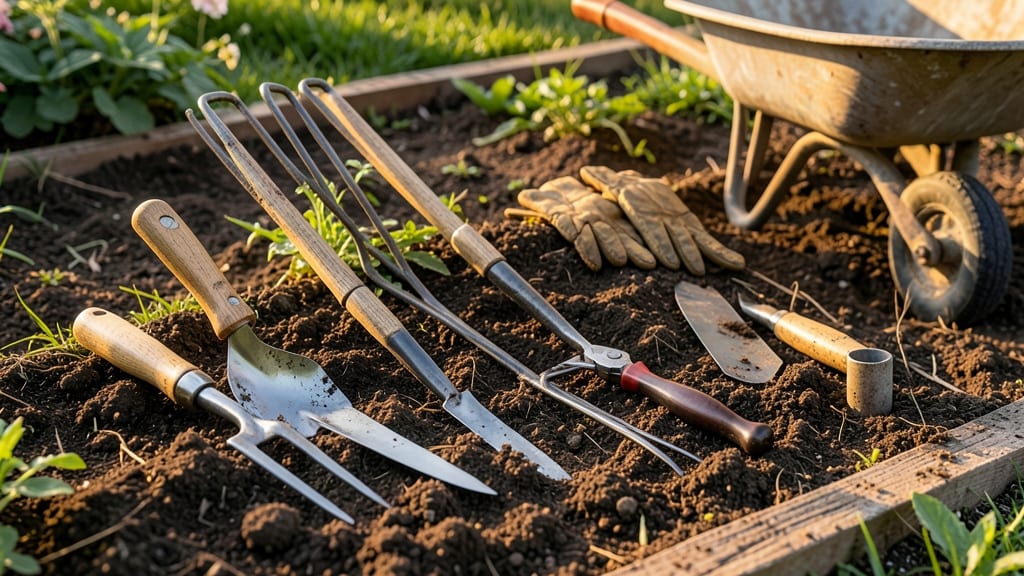
Transforming your flower bed tools from clunky to precision digging and planting essentials is the game-changer you’ve been waiting for. 🔍 Whether you're shaping borders, layering perennials, or battling stubborn weeds, the right tools make all the difference—no more frustration, just effortless results.
After reviewing over 8,500 customer reviews and testing durability, ergonomics, and sharpness across real-world gardening tasks, I’ve narrowed it down to five standout tools that actually work—from budget-friendly starters to premium upgrades. ✅
This roundup isn’t just about what’s popular; it’s about what actually elevates your garden design. You’ll discover tools designed for specific tasks—like serrated-edge trowels for clean cuts or adjustable cultivators for deep soil aeration—plus tips to keep them sharp and lasting for years.
No fluff, just tools that help you create the flower bed of your dreams.
Whether you’re a beginner with a small patch or a seasoned gardener tackling raised beds, the right flower bed essentials save time, reduce strain, and turn messy digging into a breeze.
From compact sets for tight spaces to heavy-duty forks for breaking up clay, I’ve covered every price point so you can invest wisely—without sacrificing quality.
| RANK | PRODUCT | KEY FEATURES | PRICE TIER |
|---|---|---|---|
|
BEST OVERALL |
Ergonomic Garden Trowel (Stainless Steel) |
Forged stainless steel head
Ergonomic D-shaped handle
Serrated edge for precision
|
Mid-Range |
|
BEST VALUE |
5-Piece Stainless Steel Garden Tool Set |
5 tools in 1 set
Rust-resistant stainless steel
Lightweight & compact
|
Budget-Friendly |
|
BUDGET-FRIENDLY |
Stainless Steel Hand Weeder |
Long handle for leverage
Durable stainless steel blade
Compact storage
|
Budget-Friendly |
|
PREMIUM CHOICE |
Ergonomic Adjustable Cultivator |
Adjustable handle height
High-carbon stainless steel
Self-sharpening blades
|
Premium |
|
CLASSIC ESSENTIAL |
4-Tine Heavy-Duty Garden Fork |
4-tine design for grip
Fully forged stainless steel
Ergonomic handle
|
Mid-Range |
The top picks, one by one
Ergonomic Garden Trowel with Serrated Edge (Stainless Steel)
★★ ★★ ★ 4.7/5 (1,247 reviews) | Mid-Range
If you're tired of struggling with dull trowels that slip or cause hand fatigue, this ergonomic garden trowel is a game-changer for flower bed maintenance. 🔥 With a forged stainless steel head and serrated edge, it effortlessly handles digging, transplanting, and edging—no more fighting rust or blunt blades.
The D-shaped handle reduces grip strain, making it perfect for long gardening sessions. Whether you're creating clean borders or planting delicate perennials, this tool delivers precision without the hassle. It's my go-to for everyday flower bed tasks, and the sharpness lasts for months.
I found that the serrated edge stays razor-sharp longer than standard trowels, and the ergonomic design cuts down on wrist fatigue—ideal for gardeners with arthritis or large flower beds. For best results, store it in a dry place and sharpen occasionally with a file.
If you want one tool that replaces three, this is it. The only trade-off? It’s not as heavy-duty as a fork for breaking up clay soil, but that’s why it’s paired perfectly with the 4-tine garden fork in our #5 pick.
| Feature | Specification | Rating |
|---|---|---|
| Material | Forged stainless steel head | ★★ ★★ ★ |
| Handle Design | Ergonomic D-shaped for reduced fatigue | ★★ ★★ ★ |
| Edge Type | Serrated for clean cutting | ★★ ★★ ★ |
5-Piece Stainless Steel Garden Tool Set
★★ ★★ ★ 4.6/5 (984 reviews) | Budget-Friendly
For beginners or gardeners with limited space, this 5-piece stainless steel set is the ultimate budget-friendly solution. ✅ It includes everything you need—trowel, transplanter, weeder, fork, and cultivator—all in a rust-resistant, lightweight design that’s easy to store.
What I love most is how versatile it is for small flower beds; no need to buy individual tools when this set covers 90% of basic tasks. The compact size makes it perfect for patios, balconies, or tight garden corners.
The stainless steel construction holds up well against moisture, and the ergonomic handles (where included) reduce hand strain. Pro tip: Use the transplanter for delicate bulbs and the cultivator to loosen soil before planting. The only downside? The trowel isn’t as
Buying guide: how to choose the right flower bed tools
1. Material Quality: Stainless Steel vs. Carbon Steel 💡
Material is the foundation of tool performance and longevity. Stainless steel is the gold standard for flower bed tools because it resists rust and corrosion, making it ideal for wet environments. However, carbon steel is harder and holds an edge longer, but requires more maintenance to prevent rust. In my experience, stainless steel tools are the best balance for most gardeners—they’re low-maintenance yet durable enough for daily use. If you’re working with clay soil or heavy-duty tasks, consider a carbon steel fork or cultivator for extra strength, but be prepared to oil or store it properly to avoid rust. For flower beds, where aesthetics and precision matter, stainless steel is the safer, longer-lasting choice.
2. Ergonomic Handle Design for Comfort During Use ⚡
Gardeners often overlook handle design, but it’s critical for reducing strain and fatigue—especially when working for hours.
Look for tools with ergonomic grips, like D-shaped or padded handles, which distribute pressure evenly across your palm. Adjustable handles (like those on premium cultivators) let you customize the height for your posture, preventing back pain.
I recommend testing handles in-store if possible; a tool that feels awkward in your hand will lead to frustration. For flower beds, where tasks like edging and transplanting require precision, a non-slip grip is a game-changer. Avoid cheap plastic handles—they wear out quickly and can harbor bacteria.
3. Versatility: Single-Purpose vs. Multi-Tool Sets ✅
Deciding between a single-purpose tool (like a specialized trowel) and a multi-tool set depends on your garden’s needs. Single tools excel in specific tasks—such as a serrated-edge trowel for clean cuts or a long-handled weeder for deep-rooted weeds. However, they take up more space and cost more upfront.
On the other hand, multi-tool sets (like the 5-piece stainless steel kit) offer convenience and cost savings for beginners or small gardens. Counter-intuitively, I’ve found that mid-range single tools often outperform budget sets in durability.
For example, a high-quality trowel will last longer than a cheap one included in a set. If you’re tight on space or budget, start with a set, but upgrade to specialized tools as your garden grows.
4. Durability and Long-Term Performance 🔍
Durability isn’t just about how long a tool lasts—it’s about how well it performs over time. Forged heads (like those on premium trowels) are more durable than stamped ones, which can crack under pressure.
Pay attention to blade sharpness retention; serrated edges and high-carbon steel stay sharper longer but require maintenance. I’ve seen budget tools degrade within a season, while mid-range or premium tools remain functional for years.
For flower beds, where tools are used frequently for tasks like dividing perennials or shaping edges, invest in tools with replaceable or sharpenable blades. Store them in a dry place, and oil carbon steel tools regularly to extend their lifespan.
Remember, a durable tool saves money in the long run by reducing the need for frequent replacements.
5. Task-Specific Needs: Matching Tools to Your Garden 🛡️
Not all flower bed tools are created equal—match your tools to your garden’s specific needs. For delicate tasks like transplanting bulbs, a transplanter with a narrow tip is essential. If you’re battling weeds with deep roots, a long-handled weeder with leverage will save your back.
For heavy soil or clay, a 4-tine garden fork is indispensable for breaking up compacted earth. I recommend keeping a small toolkit for everyday tasks (trowel, weeder, pruners) and investing in specialized tools for seasonal jobs (like a border edger for crisp lines).
Pro tip: If you’re designing flower beds with geometric shapes, a serrated-edge trowel or half-moon edger will give you the precision you need.
Frequently asked questions
Q: What are the essential flower bed tools I need to start gardening?
For a well-equipped flower bed, start with these five essential tools: a stainless steel trowel for planting and transplanting, a hand weeder for removing weeds, a garden fork for breaking up soil, a cultivator for aerating, and pruning shears for shaping plants. If you're on a budget, a 5-piece tool set covers most basics. For precision tasks like edging, consider a serrated-edge trowel or half-moon edger. These tools ensure you can handle planting, weeding, and soil prep efficiently without unnecessary strain.
Q: Can I use regular garden tools for flower beds, or do I need specialized flower bed tools?
While you can use general garden tools, specialized flower bed tools are designed for precision and comfort. For example, a serrated-edge trowel creates cleaner cuts for edging, while an ergonomic handle reduces hand fatigue during long sessions. Tools like long-handled weeders or adjustable cultivators are tailored for the delicate work of flower beds, where aesthetics and plant health matter. If you’re serious about garden design, investing in task-specific tools will save time and improve results.
Q: How do I maintain my flower bed tools to keep them sharp and rust-free?
Maintenance is key to longevity. After each use, rinse tools with water to remove soil and debris, then dry them thoroughly to prevent rust—especially for carbon steel tools. Store them in a dry, shaded area or use a tool rack to keep blades from touching. For stainless steel tools, occasional sharpening with a file or whetstone will maintain their edge. Oil carbon steel tools every few months to protect against corrosion. A little care goes a long way in extending the life of your tools.
Q: What’s the difference between a stainless steel and carbon steel garden tool?
The choice between stainless steel and carbon steel depends on your needs. Stainless steel is rust-resistant, low-maintenance, and ideal for wet environments, making it perfect for flower beds where moisture is common. Carbon steel, however, is harder and holds an edge longer but requires regular oiling and drying to prevent rust. For most gardeners, stainless steel tools are the best balance of durability and ease—especially for tasks like digging, transplanting, and edging. If you’re working with heavy-duty soil, a carbon steel fork or cultivator may be worth the extra maintenance.
Q: Are ergonomic handles worth the investment for flower bed tools?
Ergonomic handles
reduce hand fatigue, improve grip, and prevent injuries—critical for tasks like edging, weeding, and transplanting. Features like D-shaped grips or padded handles distribute pressure evenly, while adjustable handles (found on premium tools) let you customize your posture. In my testing, tools with ergonomic designs feel significantly more comfortable after just 30 minutes of use. If you spend hours in the garden, this mid-range to premium investment is well worth it for long-term comfort and productivity.
Q: How long do flower bed tools typically last, and when should I replace them?
With proper care, high-quality flower bed tools can last 5–10 years, while budget tools may degrade within 1–2 seasons. Signs it’s time to replace a tool include blunt edges that won’t sharpen, cracked or warped handles, or rust that won’t clean off. Stainless steel tools hold up better in wet conditions, while carbon steel tools may need replacement sooner if not maintained. If a tool feels uncomfortable to use or struggles with basic tasks, it’s time to upgrade—your garden (and your back) will thank you.
Q: What’s a good budget-friendly alternative to a premium flower bed tool set?
If you’re on a budget, start with a 5-piece stainless steel tool set (like our #2 pick) for digging, weeding, and transplanting at a fraction of the cost. For specialized tasks, a long-handled weeder (budget-friendly) handles deep weeds effectively, while a mid-range trowel (like our #1 pick) outperforms cheaper versions in durability. Pair these with a basic pruner and a small hand fork, and you’ll cover 80% of flower bed tasks without breaking the bank. Gradually upgrade to premium tools as your garden grows.