
Companion Plants
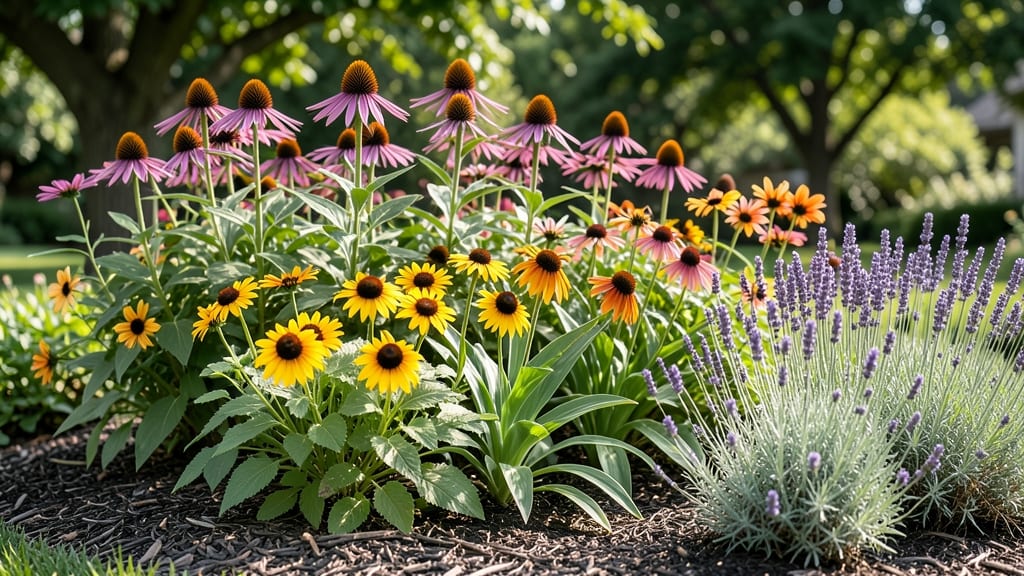
Your flower bed plants should look stunning without stealing your weekends—year-round color is absolutely possible with the right mix. 🌸 I’ve designed beds that bloom from early spring tulips through winter holly berries, using plants that thrive together and need minimal fuss.
The secret isn’t complicated: it’s about pairing perennials with seasonal accents, choosing drought-tolerant natives, and letting foliage plants carry the show when flowers fade.
The best part? You’ll spend less than 2 hours a month on maintenance once established. Start with a 50/50 ratio of perennials (like coneflowers or black-eyed Susans) and annuals (pansies or snapdragons) for continuous blooms.
Add 3-5 evergreens—like boxwood or heuchera—for structure and winter interest. This combo keeps your bed looking polished while giving pollinators a steady buffet.
By summer, you’ll have a bed that pops with color without the upkeep of high-maintenance annuals. The key is layering heights (tall back, medium middle, low front) and repeating plants in odd numbers for a natural, full look.
Even in hot zones, this setup stays lush because it’s built for resilience—not perfection.
Works for any size space—small city plots or big backyard borders. The same principles apply whether you’re starting fresh or refreshing an existing bed. Let’s make your flower bed the envy of the neighborhood without the stress.
📚 In This Guide
- What you need
- Instructions
- Tips and common mistakes
- Wrapping up and next steps
What you need
- ● Flower bed plants: Choose a mix of perennials (e.g., Coneflower, Black-Eyed Susan, Daylilies) and annuals (e.g., Marigolds, Petunias, Zinnias) for year-round color. Aim for 10–15 plants per square foot, depending on size.
- ● Soil amendments: 2–3 bags of compost (for nutrient-rich soil)
- ● 1 bag of slow-release fertilizer (10-10-10 or organic options)
- ● Mulch: 2–3 bags of organic mulch (e.g., shredded bark or pine straw) to retain moisture and suppress weeds.
- ● Garden trowel (for planting small roots)
- ● Garden fork or spade (for turning soil)
- ● Hand pruners (for trimming dead foliage)
- ● Watering can or hose with a gentle spray nozzle
- ● Measuring tape or string (to mark flower bed layout)
- ● Gloves (to protect your hands)
- ● Plant stakes or labels (for identifying varieties)
- ● Edging material (e.g., metal or plastic strips) to define the flower bed
- ● Drip irrigation system (for automated watering)
- ● Slow-release plant food tablets (for extra nutrients)
Step-by-step guide to designing a low-maintenance year-round flower bed
Here's how I create vibrant flower beds that stay beautiful with almost no daily work.
🌱 Step 1: Plan Your Seasonal Layers for Continuous Bloom
Start by dividing your bed into three height layers: tall perennials at the back, mid-height annuals in the middle, and low-growing ground covers or bulbs in front. I always include at least three evergreen shrubs for winter structure—think boxwoods or dwarf hollies—since they provide year-round interest. For spring color, add tulips or daffodils that bloom early, then follow with summer-blooming perennials like coneflowers or black-eyed Susans.
Write down your local frost dates and choose plants that bloom sequentially. The key is overlapping bloom times so you never have bare spots. For example, pair spring crocuses with early daffodils, then transition to peonies and roses in late spring. I like to sketch a simple diagram showing where each plant will go—this prevents overcrowding and ensures every season gets represented.
🪴 Step 2: Prepare the Soil for Drought-Resistant Growth
Test your soil's drainage first—stick a shovel in and see if water pools. If it does, amend with 2-3 inches of compost and 1 inch of coarse sand to improve aeration. For heavy clay soil, I add organic matter like leaf mold or well-rotted manure to create a crumbly texture. The goal is soil that holds moisture but drains quickly to prevent root rot.
Spread a 2-inch layer of mulch over the entire bed after planting. I use shredded bark or pine needles because they break down slowly and suppress weeds naturally. Replenish the mulch every 6-12 months to maintain its insulating properties. This single step cuts watering needs by 50% and keeps soil temperatures stable year-round.
☀️ Step 3: Plant for Sunlight and Water Needs
Group plants with similar water requirements together. For example, place drought-tolerant lavender and sedum in one section, then cluster thirstier impatiens and coleus in another. I always include at least one native plant species because they've adapted to your local climate and require minimal intervention. Check each plant's label for sunlight needs—most perennials want 6+ hours of sun, while annuals like impatiens thrive in partial shade.
Dig holes twice as wide as the root ball but only as deep. The top of the root ball should sit 1 inch above soil level—this prevents water from pooling around the stem. Water each plant deeply after planting to settle the soil and remove air pockets. I like to add a handful of slow-release fertilizer to the planting hole for an immediate nutrient boost.
✂️ Step 4: Establish a Maintenance Routine That Takes Less Than 10 Minutes Weekly
Deadhead spent blooms immediately to encourage more flowers and prevent self-seeding weeds. I do this on Sunday mornings while my coffee brews—it's the perfect time to spot any pests or diseases early. For perennials, cut back foliage in late fall to 2-3 inches above ground level to protect against winter dieback. In early spring, trim back any dead growth to reveal fresh new shoots.
Water deeply once a week during dry spells, delivering 1-1.5 inches of water at the base. I use a rain gauge to track rainfall and only water if we've had less than ½ inch in the past week. Fertilize lightly in early spring with a balanced 10-10-10 formula, then again in mid-summer. This keeps plants healthy without encouraging excessive foliage growth that can hide flowers.
🌿 Step 5: Refresh with Seasonal Swaps for Year-Round Interest
Replace spring bulbs with summer annuals like petunias or marigolds as soon as tulips and daffodils fade. In late summer, swap those for mums or ornamental kale for fall color. I keep a small inventory of potted annuals ready to swap in—this creates instant visual updates without major replanting. For winter interest, add evergreen heuchera or ornamental grasses that hold their color through frost.
Every 3-4 years, divide and replace any perennials that have outgrown their space. This prevents overcrowding and keeps your bed looking fresh. I also rotate a few plants each year to prevent soil depletion—moving daylilies or hostas to new spots renews their vigor. The result is a flower bed that always looks intentional, even when you're not actively working on it.
Tips & tricks for perfect year-round flower beds
Here's what I've learned from years of designing flower beds that stay vibrant with minimal effort.
Seasonal Layering Secret: The key to continuous bloom is creating a visual timeline. I sketch a simple chart showing which plants will be in peak bloom each month. For example, spring bulbs like crocuses and daffodils should overlap with early perennials like hellebores, while summer annuals like marigolds should transition into late-summer bloomers like sedum. This ensures your bed never looks bare, even during seasonal changes. The 10-minute weekly maintenance you'll do becomes much more effective when you know exactly what should be blooming at any given time.
Soil Preparation Pro Tip: Don't just test drainage—also check pH levels with a simple soil test kit from your local garden center. Most flowering plants prefer a slightly acidic to neutral pH (6.0-7.0). If your soil is too alkaline, add sulfur gradually over time to lower the pH. I've found that amending with 2-3 inches of compost before planting gives plants an immediate nutrient boost that lasts through the first growing season. This is especially important for heavy clay soils where nutrients get locked out.
Maintenance Efficiency Hack: Invest in a pair of high-quality pruning shears with a built-in bottle for cleaning solution. After every deadheading session, I give my tools a quick wipe-down with rubbing alcohol to prevent disease transmission between plants. I also keep a small bucket of water nearby to rinse off any sap or sap from sticky plants like peonies. This 10-minute weekly routine becomes even faster when you have the right tools at hand, and it dramatically reduces the chance of spreading plant diseases between your blooms.
Seasonal Swap Strategy: Create a "plant rotation" system by keeping a few extra potted annuals on hand for each season. I maintain a small inventory of summer petunias, fall mums, and winter heuchera in 6-inch pots. When it's time to swap, simply remove the spent plants, refresh the soil with a handful of compost, and pop in the new annuals. This creates instant visual updates without the need for major replanting. The key is to have these ready in advance—don't wait until your spring bulbs fade to start looking for replacements!
Pro Tips for Flower Bed Plants
- Here's what I've learned from years of designing flower beds that stay vibrant with minimal effort.
- Seasonal Layering Secret: The key to continuous bloom is creating a visual timeline.
- Soil Preparation Pro Tip: Don't just test drainage—also check pH levels with a simple soil test kit from your local garden center.
Frequently asked questions
Got questions about keeping your flower beds vibrant with minimal effort? We’ve got answers! Here are some of the most common queries from gardeners just like you.
What are the easiest low-maintenance plants for beginners?
Start with resilient, drought-tolerant plants like sedum, lavender, or black-eyed Susans. These thrive with minimal watering and attract pollinators. For shade lovers, try heuchera (coral bells) or hostas—they’re forgiving and add texture. Pro tip: Mix perennials with annuals (like marigolds) for quick color bursts!
When is the best time to plant flower beds for year-round blooms?
For most climates, spring (after the last frost) and early fall (6–8 weeks before frost) are ideal. Spring lets plants establish roots before summer heat, while fall gives them time to root before winter. Bulbs (like daffodils or tulips) should go in fall—they need cold to bloom. Exception: Warm-zone gardens can plant in winter!
How often should I water flower beds to keep them thriving?
Newly planted beds need 1–1.5 inches of water weekly (including rain). Once established, most perennials tolerate drought once roots are deep (after 1–2 years). Water deeply 2–3 times per week in dry spells, focusing on the soil (not leaves) to prevent disease. Morning watering is best—it reduces evaporation and fungal risks.
What’s the best way to deal with pests without harsh chemicals?
Start with prevention: healthy soil (compost + mulch) makes plants pest-resistant. For common culprits:
- Aphids/slugs: Spray with soapy water or use diatomaceous earth.
- Japanese beetles: Handpick or use neem oil.
- Deer/rabbits: Try repellent plants (like lavender or rosemary) or fencing.
Can I mix vegetables with flowers in my flower bed?
Companion planting
boosts yields and deters pests. Try:
Flower
Vegetable Partner
Why?
Marigolds
Tomatoes, peppers
Repels nematodes and aphids.
Nasturtiums
Cucumbers, squash
Traps pests like squash bugs.
Basil
Lettuce, oregano
Improves flavor and deters flies.
Wrapping up and next steps
Creating a stunning, low-maintenance flower bed is easier than you think! With the right flower bed plants—like hardy perennials, vibrant annuals, and resilient shrubs—you can enjoy year-round color with minimal effort.
The key is balancing sun exposure, soil health, and seasonal transitions to keep your garden thriving without the fuss.
Now that you’re armed with plant picks, care tips, and answers to common questions, it’s time to roll up your sleeves! Start small—whether it’s a single border or a full garden makeover—and watch your space transform. Happy planting! 🌸✨