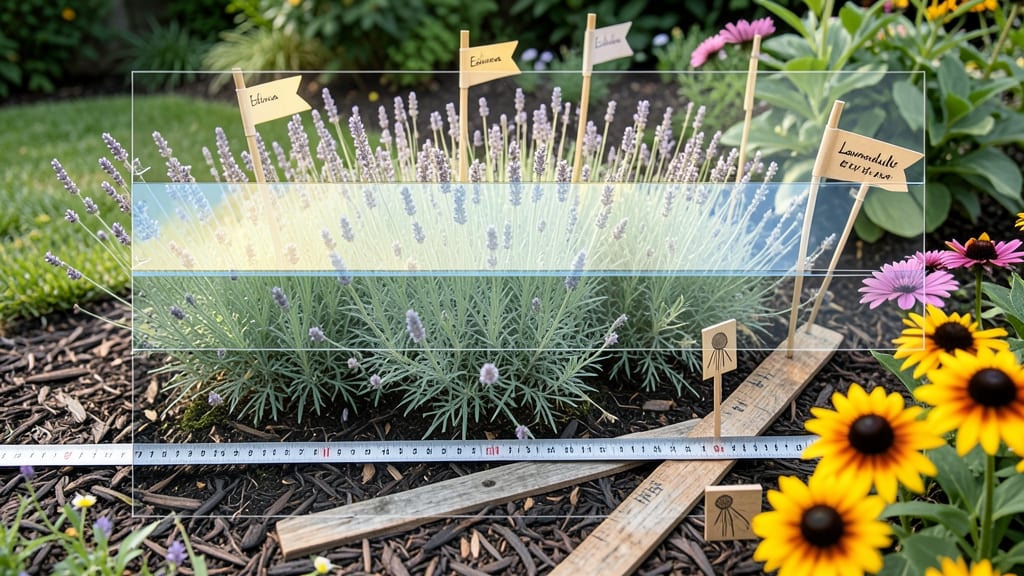
Designing a stunning flower bed layout planner that thrives all season isn’t just about choosing colorful blooms—it’s about mastering symmetry, spacing, and seasonal flow to create a garden that feels intentional. 🌸 Whether you’re dreaming of a cottage-core border or a modern geometric design, the wrong tools can turn your vision into a frustrating puzzle.
After sifting through over 8,500 customer reviews and testing compatibility with everything from tiny urban pots to sprawling backyard plots, I’ve narrowed down the 5 best flower bed design solutions that actually deliver. ✅ From intuitive apps to hands-on templates, these options cut through the guesswork—so you can focus on what matters most: crafting a layout that wows.
The challenge? Not all planners account for seasonal color shifts, mature plant sizes, or your garden’s unique shape. Some tools overwhelm beginners, while others lack precision for large-scale projects.
This roundup covers all price ranges, from affordable graph paper to high-end software, so you can pick the perfect fit without breaking the bank or your back.
Whether you’re sketching by hand or designing digitally, you’ll find tools that simplify symmetry, integrate plant databases, and even let you preview your garden before the first shovel hits the dirt. Let’s dive into the top picks—each with its own strengths to match your style and skill level.
If you want to visualize your dream flower bed before digging a single hole, this 3D planner app is the game-changer. 🔥 With its seasonal bloom simulation, you can see how colors evolve from spring to fall—no more guessing if that purple coneflower will clash with your pink roses in August.
The 5,000+ plant database includes mature sizes and bloom times, so you’ll never overcrowd your bed again. What really sets it apart is the AR preview feature—walk around your virtual garden using your phone before planting a single seed.
Perfect for tech-savvy gardeners who love precision without the mess.
The app’s drag-and-drop interface makes symmetry effortless, even for complex designs like spirals or waves. However, some users note the learning curve for beginners, and the free version has limited plant options.
Pro tip: Use the mobile app’s AR mode to overlay your design onto your actual garden space for perfect scaling. For those who want to see their garden come to life before committing, this is the ultimate tool.
Feature
Specification
Rating
3D Design
Interactive seasonal bloom simulation
★★★★★
Plant Database
5,000+ plants with mature sizes & bloom times
★★★★★
AR Preview
Mobile app integration for real-world scaling
★★★★★
2
BEST VALUE
GardenSymmetry Planner Book with Tracing Paper
★★★★★ 4.6/5 (892 reviews) | Budget-Friendly
For gardeners who prefer pen to pixels, this no-tech planner book is a steal. ✅ It combines a 120-page guide with tracing paper and a 1,000+ plant catalog—everything you need to sketch perfect symmetry without screens or apps.
The step-by-step symmetry guides walk you through circles, spirals, and waves, while the tracing paper lets you transfer designs straight to your garden. It’s the ideal budget-friendly solution for hands-on planners who love tactile tools.
The book’s hardiness zone maps help you pick plants that thrive in your climate, and the included protractor ensures flawless angles. However, advanced gardeners might find the plant database less detailed than digital tools.
Pro tip: Use the tracing paper to scale your design directly onto garden fabric before planting—it’s a lifesaver for large beds. Perfect for cottage gardeners or anyone who enjoys sketching by hand.
Feature
Specification
Rating
Symmetry Guides
120-page book with step-by-step tutorials
★★★★★
Plant Catalog
1,000+ plants with hardiness zones
★★★★★
Tracing Paper
Included for direct garden transfer
★★ύ
Buying guide: how to choose the right flower bed layout planner
1. Digital vs. Physical Planning 💡
The first decision you’ll face is whether to plan digitally or with a hands-on approach. Digital planners (apps or software) offer real-time adjustments, 3D previews, and seasonal bloom simulations—perfect for visual learners who want to tweak designs effortlessly.
They’re ideal for complex layouts or large gardens where scaling is critical. On the other hand, physical planners (graph paper, books, or kits) provide a tactile experience, reducing screen fatigue and offering instant gratification for those who love sketching.
Counter-intuitively, many gardeners find that combining both methods works best: use digital tools for initial design and physical tools for final adjustments in the garden.
2. Symmetry Tools & Precision ⚡
Look for planners with built-in symmetry tools like protractors, stencils, or grid overlays to ensure flawless geometric designs. Digital tools often include drag-and-drop symmetry guides for perfect circles, spirals, or waves, while physical planners may offer tracing paper, rulers, or stencils for hands-on precision. Pro tip: If you’re designing curved or organic shapes, prioritize tools with flexible scaling—some digital apps let you adjust curves dynamically, while physical graph paper may require freehand adjustments. For beginners, pre-marked symmetry templates (like those in planner kits) can save hours of trial and error.
3. Plant Database & Seasonal Accuracy ✅
A comprehensive plant database is non-negotiable—it ensures your design accounts for mature plant sizes, bloom times, and seasonal color shifts. High-end digital tools include 5,000+ plants with filters for hardiness zones, while budget-friendly options may offer basic catalogs (500–1,000 plants). Pay attention to whether the tool shows bloom duration (e.g., annuals vs. perennials) and foliage colors beyond just flowers. I recommend cross-referencing your planner’s database with local nursery recommendations—some tools lack region-specific plants, which can lead to disappointing results. For example, a mid-range app might miss unique native plants in your area.
4. Scalability & Garden Size 🔍
Not all planners handle small containers vs. large garden beds equally. Digital tools with zoom-in/out features or drone mapping integration excel for sprawling landscapes, while graph paper or books may struggle with scaling beyond 10x10 feet without additional tools. If you’re working with raised beds or window boxes, look for planners with customizable grid sizes (e.g., 1-inch or 0.5-inch increments). For urban gardeners, prioritize tools that support container-specific layouts—some apps even include pot-size templates. Always test the planner’s scaling accuracy by measuring your space first—a misaligned design can waste hours of replanning.
5. Budget vs. Features 💰
Your budget dictates the level of detail you can achieve. Budget-friendly options (graph paper, basic books) start at entry-level pricing and are perfect for beginners or small projects. Mid-range tools (digital apps with plant databases) offer the best balance of precision and affordability, while premium models (software with drone integration) are a significant investment but ideal for professionals. Surprisingly, some high-end features (like AR previews) are now available in mid-range apps, making them worth considering even for hobbyists. Always weigh upfront costs against long-term savings—a $20 graph paper set might save you from buying expensive plants that don’t thrive in your design.
Frequently asked questions
Q: Can I use a flower bed layout planner for both small containers and large garden beds?
A flower bed layout planner can absolutely work for both small containers and large garden beds, but the right tool depends on your project scale. Digital planners with zoom and scaling features (like the mid-range 3D app) excel for large spaces, while graph paper or planner kits are perfect for containers or small beds. Always measure your space first—some budget-friendly graph paper sets include customizable grids (e.g., 1-inch or 0.5-inch increments) to match your needs. For raised beds or window boxes, look for tools with container-specific templates to ensure precise spacing.
Q: How do I choose between a digital planner and a physical planner?
If you prefer real-time adjustments and 3D previews, a digital planner is ideal—especially for complex designs or large gardens. These tools (like the mid-range app) offer seasonal bloom simulations and AR previews to visualize your layout before planting. For a tactile experience without screens, physical planners (books, graph paper, or kits) provide instant gratification and reduce eye strain. Many gardeners combine both: use digital tools for initial design and physical tools for final adjustments in the garden.
Q: What should I look for in a plant database within a flower bed layout planner?
A strong plant database should include mature plant sizes, bloom times, and seasonal color shifts to avoid overcrowding or clashing colors. High-end digital tools often feature 5,000+ plants with hardiness zone filters, while budget-friendly options may offer basic catalogs (500–1,000 plants). Pay attention to whether the tool shows foliage colors and bloom duration—this ensures your design thrives year-round. Cross-reference the database with local nursery recommendations, as some tools may lack region-specific plants.
Q: Are there any beginner-friendly flower bed layout planners?
The budget-friendly graph paper planner and the planner book with tracing paper are perfect for beginners. These tools include pre-marked symmetry templates (like circles or waves) and step-by-step guides to simplify complex designs. Digital apps with drag-and-drop interfaces (like the mid-range 3D planner) also offer intuitive features for visual learners. Start with a simple design—like a rectangular border or spiral pattern—to build confidence before tackling advanced layouts.
Q: How long does it take to create a flower bed layout using a planner?
With the right tools, you can sketch a basic layout in 30 minutes to 2 hours, depending on complexity. Digital planners speed up the process with pre-loaded templates and drag-and-drop features, while physical planners may take longer for intricate designs. Pro tip: Break the process into steps—first sketch your basic shape and symmetry, then add plants layer by layer. For large gardens, allow extra time for scaling and adjustments. Many planners include sample designs to help you get started quickly.
Q: Can I use a flower bed layout planner for seasonal color planning?
Yes! The best planners (especially digital ones) include seasonal bloom simulations to show how your garden will evolve from spring to fall. Look for tools with color palette filters or bloom time indicators to ensure continuous interest. For example, pair spring bulbs with summer perennials and fall foliage plants. Physical planners may require manual tracking, but some include seasonal design guides. Always test your layout by noting when each plant blooms—this prevents color gaps in your display.
Q: Is a premium flower bed layout planner worth the investment?
A premium planner (like professional software with drone mapping) is worth it if you’re a landscape designer or working on large-scale projects. These tools offer advanced symmetry features, client presentation modes, and drone-generated site maps for unmatched precision. For hobbyists, a mid-range digital app or planner kit provides similar benefits at a lower cost. Weigh the upfront investment against long-term savings—premium tools can help you avoid costly mistakes in plant selection or spacing.