
Flowers
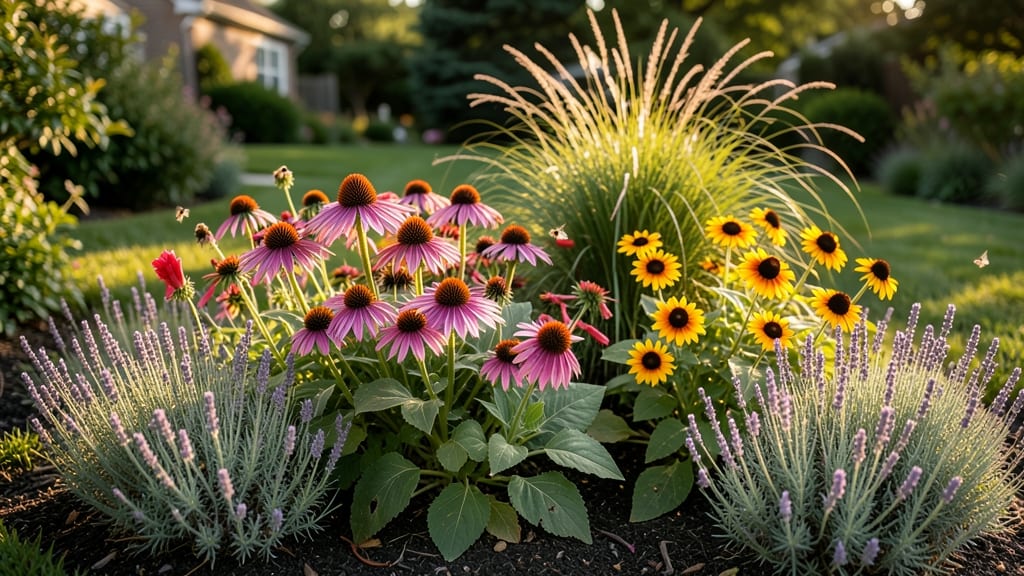
Your flower bed inspiration starts with a year-round showstopper—layers of color that shift with each season but never look out of place. 🌸 I designed my first bold flower bed after realizing my old garden was a patchwork of mismatched blooms that peaked in June and disappeared by August.
The trick isn’t just picking pretty flowers; it’s creating a living tapestry where each plant has a job—height, texture, and bloom time—to keep things vibrant from spring through frost.
Think of it like building a three-act story: tall perennials like coneflowers or black-eyed Susans anchor the back, mid-height shrubs like butterfly bush or Russian sage add movement, and low-spreading annuals like pansies or violas spill over the edges.
My 10×4-foot bed stays lush because I group plants by water needs and sunlight preferences—no more wilting edges or overcrowded centers. The key is starting with a simple color palette (3-4 hues max) and letting the plants’ natural variations create depth.
By late summer, you’ll have warmth from dahlias and asters, then a crisp fall transition to ornamental grasses and late-blooming sedum. Winter? Evergreens and bare-stem dogwoods keep the structure while seed heads add texture. The best part?
Once established, these beds need minimal upkeep—just deadheading spent blooms and swapping out a few annuals each spring. Your neighbors will ask how you do it; you’ll just smile and say it’s all in the layers.
This approach works for any size space, from a 3-foot-wide border to a 12-foot circular bed. Urban balconies can use containers stacked by height, while rural gardens get dramatic drifts of perennials.
The secret weapon? Sketching your design first—even a rough doodle helps visualize how colors and heights will play together before the first shovel hits the dirt.
📚 In This Guide
- What you need
- Instructions
- Tips and common mistakes
- Wrapping up and next steps
What you need
- ● Soil: 10–15 bags (2–3 cubic feet each) of well-draining potting mix or native soil amended with compost (e.g., Miracle-Gro Garden Soil or FoxFarm Ocean Forest).
- ● Mulch: 5–10 bags (2–3 cubic feet each) of organic mulch (cedar, pine, or dyed black mulch for contrast).
- ● Plants: Perennials (3–5 per type): Coneflowers, Black-Eyed Susans, Russian Sage, or Daylilies (hardy, seasonal bloomers).
- ● Annuals (5–7 per type): Petunias, Marigolds, or Snapdragons (for vibrant pops of color).
- ● Evergreens (1–3): Boxwood, Dwarf Holly, or Ornamental Grasses (for structure and winter interest).
- ● Fertilizer: 1 bag of slow-release granular fertilizer (10-10-10 or organic options like fish emulsion).
- ● Digging: Garden fork, trowel, and bypass pruners.
- ● Measuring: Measuring tape, stakes, and string (for layout).
- ○ Edging: Metal or plastic edging (optional but adds a polished look).
- ● Watering: Garden hose with adjustable nozzle or drip irrigation kit.
- ● Decorative rocks or pebbles for contrast.
- ● Lighting: Solar-powered path lights (for evening ambiance).
- ● Seasonal swaps: Pansies (winter), Dahlias (summer), or Heucheras (fall foliage).
Step-by-Step guide to designing a flower bed with bold year-round appeal
Here’s how to craft a flower bed that thrives through all seasons—using structure, texture, and layered planting.
🌱 Step 1: Define the Foundation With Hardscaping and Soil
Start by outlining the bed’s shape with edging materials like bricks, metal, or natural stone. This keeps plants contained and protects the lawn from encroaching roots. I like to use 3-inch-wide pavers for a clean, modern look, but curved wood or even a simple rope outline works for a softer edge. Dig down 4-6 inches along the perimeter to create a trench for the edging, then tamp the soil firmly before setting it in place.
Next, improve the soil by amending it with 2-3 inches of compost mixed into the top 6 inches. This ensures drainage while feeding roots throughout the growing season. For heavy clay soil, add 1 part perlite per 3 parts soil to prevent compaction. Test the soil’s pH—most flowering plants prefer a neutral range of 6.0-7.0, so adjust with lime or sulfur if needed.
☀️ Step 2: Plan for Seasonal Layers and Height Variation
Divide the bed into three vertical layers: back (tall plants), middle (medium height), and front (low-growing or trailing). I always anchor the back row with 3-4 foot perennials like coneflowers or black-eyed Susans, then fill the middle with 18-24 inch shrubs like Russian sage or butterfly bush. The front gets 6-12 inch annuals like pansies or violas for instant color.
For year-round interest, include evergreens like boxwood or heuchera in the middle layer—they provide structure when other plants fade. Add 1-2 ornamental grasses for movement and texture, especially in the back row. Sketch your design first; I’ve learned the hard way that crowding plants leads to competition for light and nutrients.
🌿 Step 3: Plant for Continuous Bloom and Foliage
Select plants that overlap bloom times. For example, pair early spring bulbs like daffodils with late-winter crocuses, then transition to summer phlox and fall mums. I always include 3-5 evergreen perennials like hellebores or lamb’s ear to keep the bed lively in winter. Mulch with 2-3 inches of shredded bark or pine needles to retain moisture and suppress weeds while protecting roots from temperature swings.
Space plants according to their mature size—crowding now means thinning later. For instance, place daylilies 18-24 inches apart but shrubs like hydrangeas 3-5 feet apart. Water deeply after planting to settle the soil and encourage root growth. Avoid overwatering; soggy soil invites rot, especially in clay-heavy areas.
✂️ Step 4: Maintain With Strategic Pruning and Seasonal Refreshes
Prune perennials in early spring to remove dead foliage, but wait until new growth appears to avoid cutting back next year’s blooms. I always deadhead spent flowers regularly—this encourages reblooming in plants like zinnias and petunias. For shrubs, prune after flowering to shape them without sacrificing next season’s blooms. Use sharp, clean shears to make cuts at a 45-degree angle just above a leaf node.
Refresh the bed annually by dividing overcrowded perennials in early spring or fall. Replace annuals every 2-3 years or when they look tired. Top-dress with 1 inch of compost in late winter to replenish nutrients. This keeps the bed vibrant without heavy-handed fertilizers, which can burn roots or attract pests.
🪴 Step 5: Add Finishing Touches for Year-Round Interest
Incorporate seasonal accents like winter pansies, spring bulbs, or fall mums to bridge gaps between blooming cycles. I often tuck in 1-2 small boulders or a decorative pot as focal points, especially in larger beds. For texture, add 1-2 ornamental grasses like fountain grass or maiden grass—they sway in the breeze and hold structure when other plants are dormant.
Lighting can extend the bed’s appeal into the evening. Solar-powered path lights or uplighting on key plants highlight textures and colors after dark. Choose warm-white bulbs to create a cozy atmosphere. Finally, step back and adjust—swap out underperformers and double up on winners to refine the design over time.
Tips & tricks for creating a stunning flower bed
Designing a flower bed that thrives year-round takes thoughtful planning—and these insights will help you avoid common pitfalls while maximizing seasonal appeal.
Layering Strategy: In Step 2, when planning your three vertical layers, remember that the back row should be the tallest to prevent crowding. I recommend using 3-4 foot perennials like coneflowers for the back, then 18-24 inch shrubs like Russian sage in the middle, and 6-12 inch annuals like pansies in front. This creates natural depth and prevents smaller plants from getting lost. The key is spacing—leave 3 feet between shrubs and 12 inches between perennials to allow for mature growth.
Soil Prep Secret: Don't skip the 2-3 inches of compost in Step 1—this is where the magic happens for year-round success. For heavy clay soil, mix in 1 part perlite per 3 parts soil to improve drainage. I've found that adding 1/4 cup of bone meal (optional) to the planting hole for perennials gives them a nutrient boost for the first year. Test your soil's pH too; most flowering plants thrive in the 6.0-7.0 range, so adjust with lime or sulfur if needed.
Seasonal Transition Hack: When selecting plants in Step 3, think about bloom times that overlap. For example, pair early spring daffodils with late-winter crocuses, then transition to summer phlox and fall mums. I always include 3-5 evergreen perennials like hellebores—they provide winter interest when other plants are dormant. The 2-3 inches of mulch you add will also help regulate soil temperature and retain moisture during seasonal transitions.
Maintenance Shortcut: In Step 4, deadheading spent flowers regularly (every 1-2 weeks) encourages reblooming in plants like zinnias. For shrubs, I've learned to prune after flowering to shape them without sacrificing next year's blooms. Use sharp shears and make cuts at a 45-degree angle just above a leaf node—this prevents damage and promotes healthy regrowth. Annual top-dressing with 1 inch of compost in late winter keeps the bed vibrant without over-fertilizing.
Pro Tips for Flower Bed Inspiration
- Designing a flower bed that thrives year-round takes thoughtful planning—and these insights will help you avoid common pitfalls while maximizing seasonal appeal.
- Layering Strategy: In Step 2, when planning your three vertical layers, remember that the back row should be the tallest to prevent crowding.
- Soil Prep Secret: Don't skip the 2-3 inches of compost in Step 1—this is where the magic happens for year-round success.
Frequently asked questions
Got questions about creating stunning flower beds with year-round appeal? Here are some of the most common ones—and their answers!
What’s the best time of year to plant a flower bed for maximum impact?
For spring blooms, plant bulbs like tulips and daffodils in fall. For summer color, plant perennials (e.g., coneflowers, black-eyed Susans) in early spring or fall. Annuals like petunias or marigolds thrive when planted in late spring after frost risk passes. Fall is ideal for cool-season flowers like pansies or ornamental kale.
How can I keep my flower bed looking vibrant all year?
Layer plants with different bloom times (e.g., spring bulbs + summer perennials + fall mums). Add evergreen foliage (like boxwood or heuchera) for structure. Mulch to retain moisture and suppress weeds. Deadhead spent blooms regularly, and fertilize lightly in spring and mid-summer.
What are some low-maintenance flower bed alternatives for busy gardeners?
Try native plants (they’re drought-tolerant and pest-resistant). Opt for perennials over annuals—they return yearly with less replanting. Drought-resistant succulents (like sedum) or ornamental grasses (e.g., fountain grass) add texture with minimal care. Ground covers (like creeping thyme) suppress weeds naturally.
Why are my flowers wilting or dying despite regular watering?
Check for overwatering (yellow leaves = soggy roots) or underwatering (brown, crispy edges). Poor drainage? Amend soil with compost or sand. Pests or disease? Inspect leaves for holes, spots, or pests—neem oil or insecticidal soap can help. Too much shade/sun? Adjust plant placement or choose shade-tolerant varieties (e.g., hostas, impatiens).
How can I mix bold colors without clashing in my flower bed?
Use the 60-30-10 rule: 60% dominant color (e.g., deep purple), 30% secondary (e.g., soft pink), and 10% accent (e.g., chartreuse). Group odd numbers of plants (3, 5, or 7) for natural flow. Repeat colors in foliage (like burgundy leaves) to tie the design together. Monochromatic schemes (variations of one hue) also work beautifully!
Wrapping up and next steps
Transforming your outdoor space into a vibrant, year-round flower bed is easier than you think! Whether you’re drawn to bold seasonal hues, textured foliage, or low-maintenance perennials, the key is mixing layers, colors, and seasonal blooms thoughtfully.
Let your creativity bloom—experiment with shapes, heights, and contrasts to craft a garden that feels uniquely yours.
Ready to take the next step? Sketch your design, gather your materials, and start small—even a single striking flower bed can make a big impact. Happy gardening! 🌸✨