
Landscaping
Transform your garden on a budget with these creative, no-sew flower bed edging ideas. Using recycled materials, you’ll add charm and structure without breaking the bank—perfect for eco-conscious gardeners.
Recycled Pallet Wood Flower Bed Edging
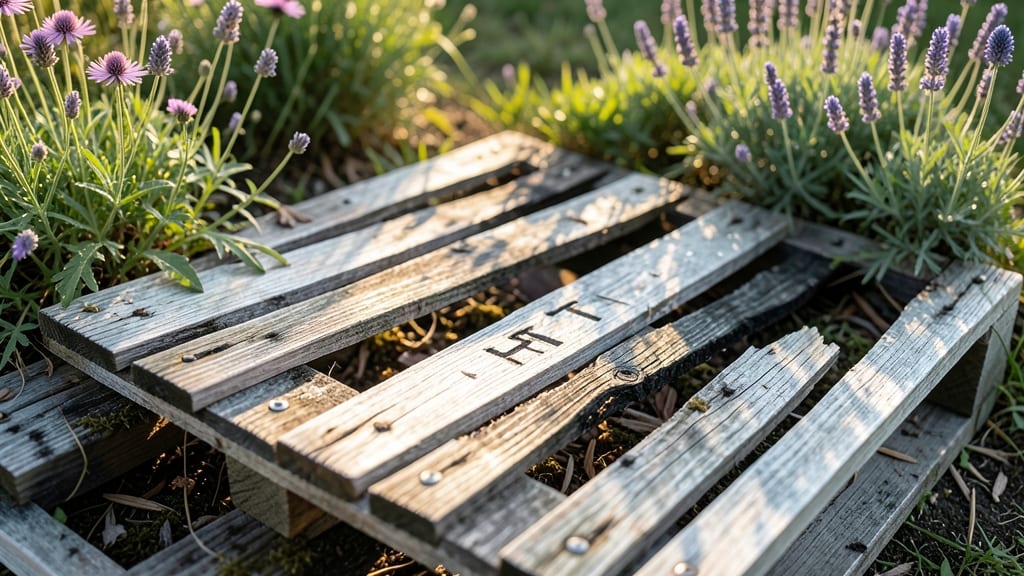
Skip the store-bought edging and transform a simple recycled pallet into a stunning, rustic border that adds character to your garden. This zero-cost solution repurposes materials you might already have lying around, creating a sturdy frame that lasts for years with minimal effort.
Start by disassembling the pallet and sanding the wood to remove splinters—no need for fancy tools, just a basic sander or sandpaper. Arrange the planks in your desired shape (straight, curved, or even a geometric pattern) and secure them with galvanized screws or outdoor staples. For extra durability, apply a weather-resistant sealant to protect against moisture. This method works perfectly for large flower beds or pathways, offering both structure and a natural aesthetic.
Perfect for gardeners who love DIY projects and sustainable solutions, pallet wood edging is a game-changer for those with a rustic or cottage-style garden. Plus, it’s one of the most budget-friendly options that still delivers a high-end look. 🌿
Plastic Bottle Cap Edging for Small Beds
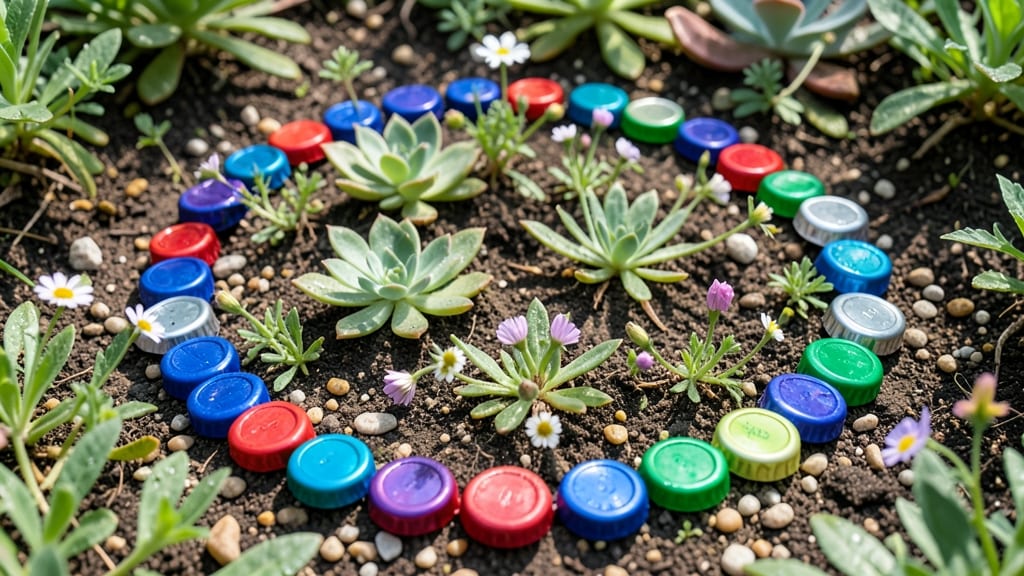
Turn trash into treasure with plastic bottle caps—the most playful edging solution for tiny flower beds! These lightweight, colorful caps transform ordinary spaces into whimsical fairy gardens or kid-friendly play areas with zero cost and minimal effort.
Collect caps from soda, water, or juice bottles, then arrange them in neat rows or creative patterns around your bed. Secure them with a dab of non-toxic glue or by pressing them gently into moist soil. For extra flair, paint them with acrylic paint or cover them in twine for a rustic look. This method works best for beds under 2 feet wide, where the caps create a charming, uniform border.
Perfect for urban gardeners, parents, or anyone who loves zero-waste gardening, this edging adds personality without the weight of bricks or wood. 🌻
Old Tire Flower Bed Border
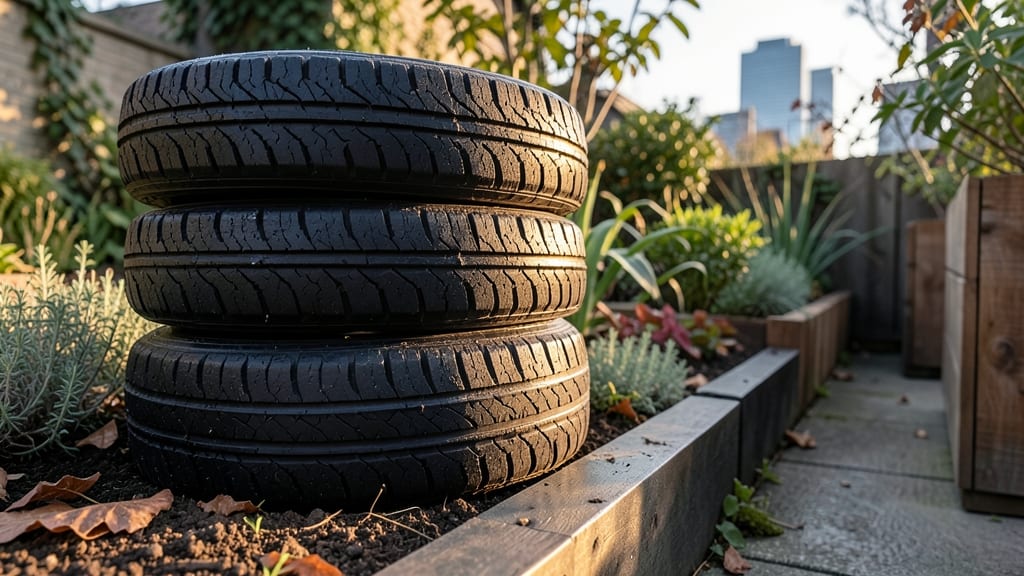
Turn your urban garden’s blank spaces into statement pieces with old tires—no fancy tools or expensive materials required. These sturdy, weather-resistant borders transform discarded rubber into a striking, long-lasting edge that’s perfect for raised beds or vertical planters.
Cut tires into slices or rings (use a reciprocating saw or bolt cutter) and stack them to create a bold, industrial-chic frame. Paint them with outdoor-safe acrylic for a pop of color or leave them natural for a raw, modern look. For extra durability, secure the base with concrete pavers or bricks if the ground is uneven. This edging resists rot, pests, and weather—ideal for high-traffic or urban spaces.
Urban gardeners and DIY enthusiasts will love how tires add structure and personality to small spaces while keeping costs near zero. Plus, it’s a great way to repurpose something often destined for the landfill! 🌟
Pebble and Twine Rock Edging
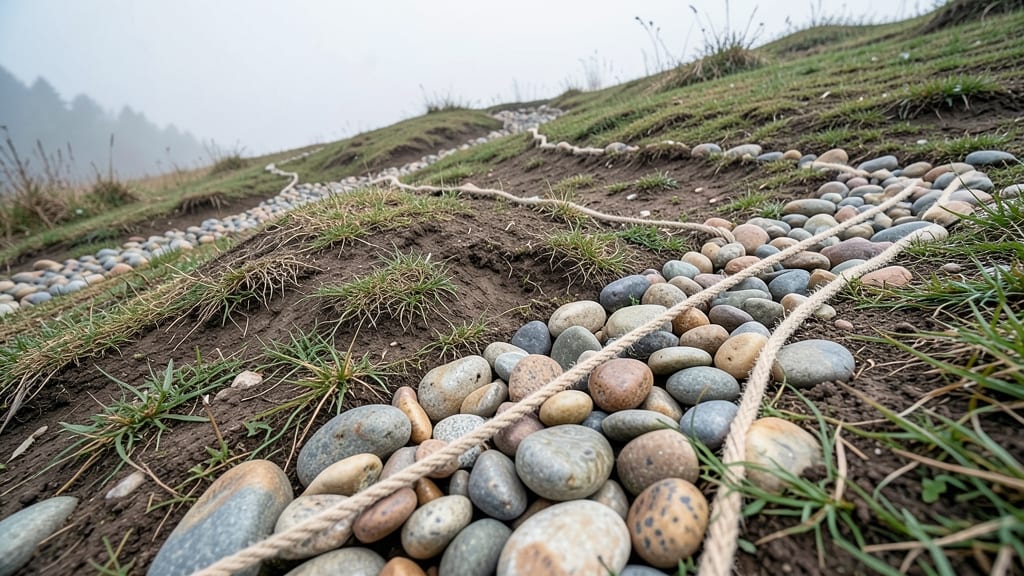
Struggling with uneven terrain or sloped flower beds? Pebble and twine rock edging is the flexible, natural solution you’ve been looking for. This method uses smooth river rocks secured with twine to create a soft, organic border that adapts to any landscape—no rigid structures required.
Start by laying a single row of smooth river rocks along your bed’s edge, then loosely wrap jute twine around them every 6-12 inches to hold them in place. The twine blends invisibly into the scene while preventing rocks from shifting. For extra security on slopes, anchor the twine to stakes or use heavier rocks at the bottom. This technique works beautifully with hostas, ferns, or ground covers that spill over the edges.
Perfect for gardeners who love a low-maintenance, natural look without heavy materials, this method is also budget-friendly—just $10-$20 for materials. It’s ideal for sloped yards, wildflower meadows, or any spot where rigid borders won’t work. 🌿
Egg Carton Herb Garden Edging
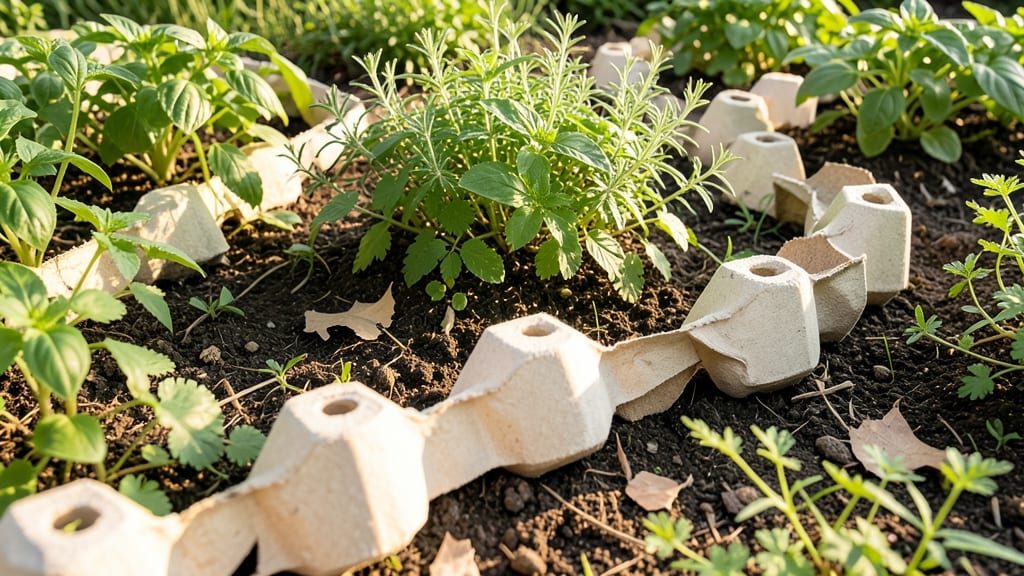
Turn a simple egg carton into a whimsical, biodegradable border for your herb garden—no tools or glue required! This eco-friendly project is perfect for kids or anyone who loves seasonal, low-commitment gardening. The egg carton’s natural shape creates a charming, organic edge that blends seamlessly with greenery.
Start by flattening the carton and cutting it into strips or small squares. Arrange them around your garden bed in a pattern—hexagonal, zigzag, or even a simple row. For extra stability, lightly press the edges into the soil. This method works beautifully for seasonal herbs like basil or cilantro, which won’t need a permanent border. Plus, the carton will break down naturally over time, enriching the soil as it decomposes.
This project is ideal for urban gardeners or families with kids who want a fun, hands-on activity. It’s a zero-waste way to add charm to your garden without spending a dime. 🌱
Brick or Concrete Pavers on Edge
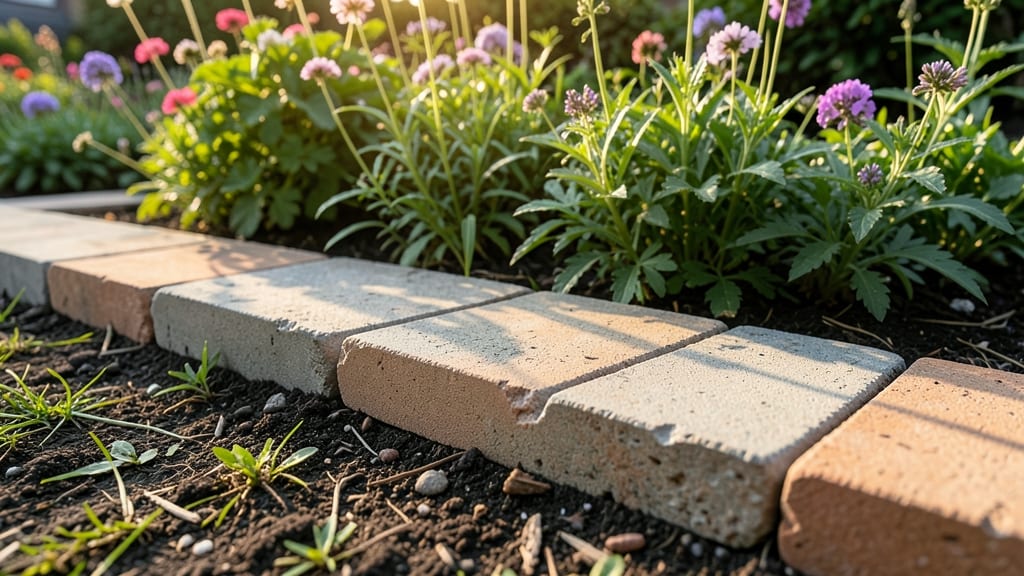
Looking for a permanent, polished edge that screams "designer garden" without the designer price tag? Broken or leftover pavers are your secret weapon—turning discarded materials into a crisp, long-lasting border that elevates even the simplest flower bed.
Arrange pavers in a single horizontal row for a sleek, modern look or stack them vertically for a rustic, textured edge. Use a rubber mallet and level to ensure they sit flush, then secure the base with landscape adhesive or sand for stability. This method works beautifully for formal gardens, rose beds, or vegetable patches, offering a clean break between soil and lawn that resists erosion and weeds.
Perfect for gardeners who want low-maintenance durability, pavers last for years and blend seamlessly with both classic and contemporary designs. Plus, they’re a great way to repurpose leftover materials from patio projects. 💪
Bamboo Stakes as Natural Dividers
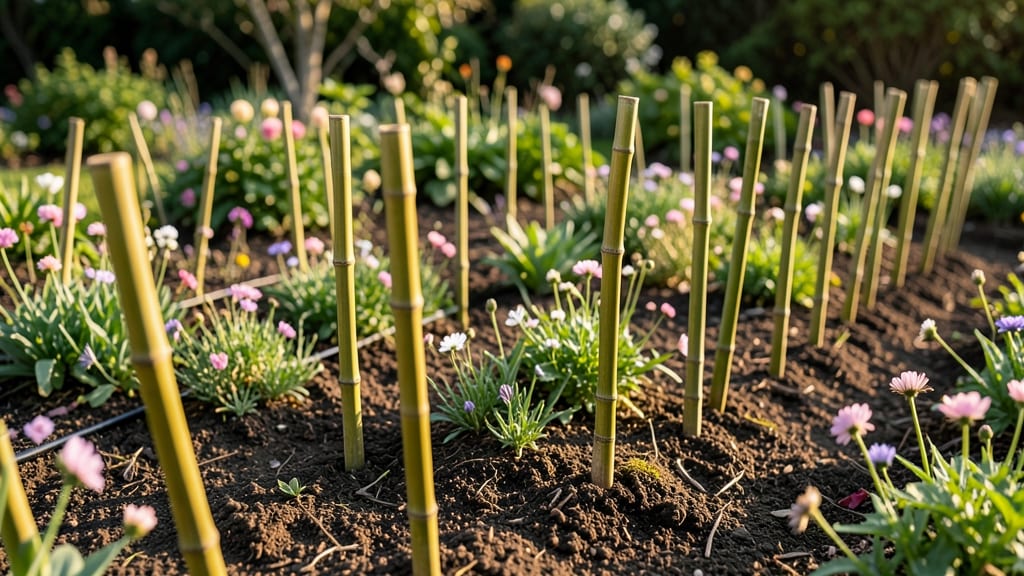
Skip rigid, store-bought borders and try bamboo stakes for a soft, natural way to define your garden spaces. These slender, flexible dividers create a seamless transition between flower beds while adding a subtle, organic touch that blends with any landscape style.
Simply drive 3-4 foot bamboo stakes into the ground every 12-18 inches along your desired border line. For extra stability, tie them together at the top with jute twine or wire—this prevents them from swaying in wind while maintaining their natural look. The stakes work beautifully for separating wildflower meadows from formal beds or creating vertical "rooms" in small gardens where space feels limited.
Perfect for gardeners who love minimalist, low-maintenance designs, bamboo stakes offer a zero-cost solution that lasts for years with proper care. They’re especially ideal for urban gardeners with limited space or anyone craving a softer alternative to concrete or metal edging. 🌿
Galvanized Metal Roofing Panels
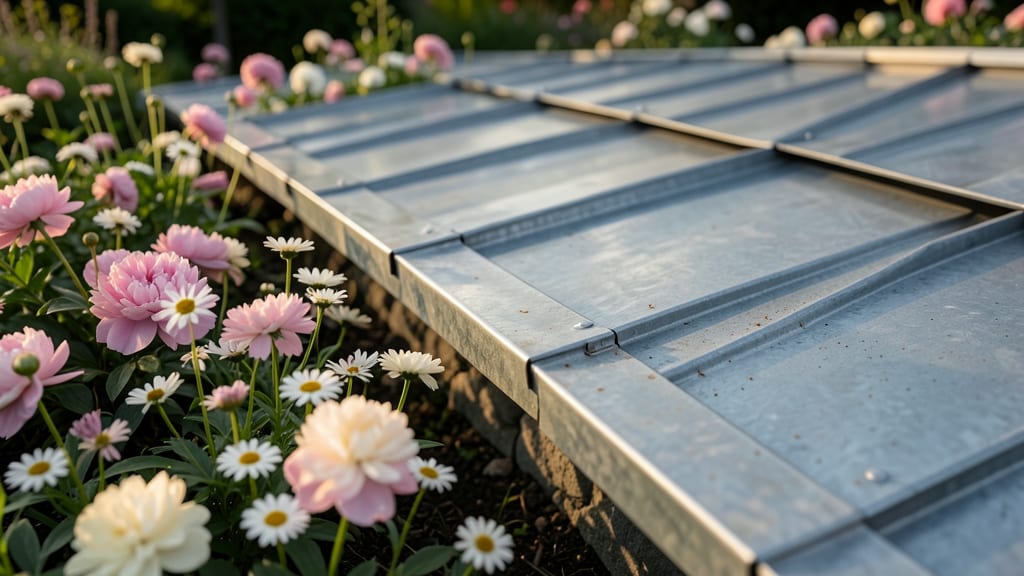
Want to blend modern architecture with your cottage garden charm? Galvanized metal roofing panels offer a sleek, industrial edge that contrasts beautifully with soft blooms like peonies and daisies. Their lightweight nature makes them easy to cut with tin snips, allowing you to shape them into clean geometric lines or flowing curves—perfect for contemporary or minimalist designs.
Start by measuring and marking your desired shape on the panels, then cut along the lines with tin snips or a reciprocating saw. Secure them in place with landscaping staples or outdoor screws into wooden stakes for stability. For rust prevention, apply a thin coat of clear outdoor sealant to the cut edges. These panels work especially well for raised beds, modern herb spirals, or as a striking contrast to stone pathways.
This edging is ideal for gardeners who love bold, architectural elements without sacrificing durability. It’s also a fantastic way to repurpose old roofing materials, making it both eco-friendly and budget-conscious. 💡
Log Slices for Rustic Garden Borders
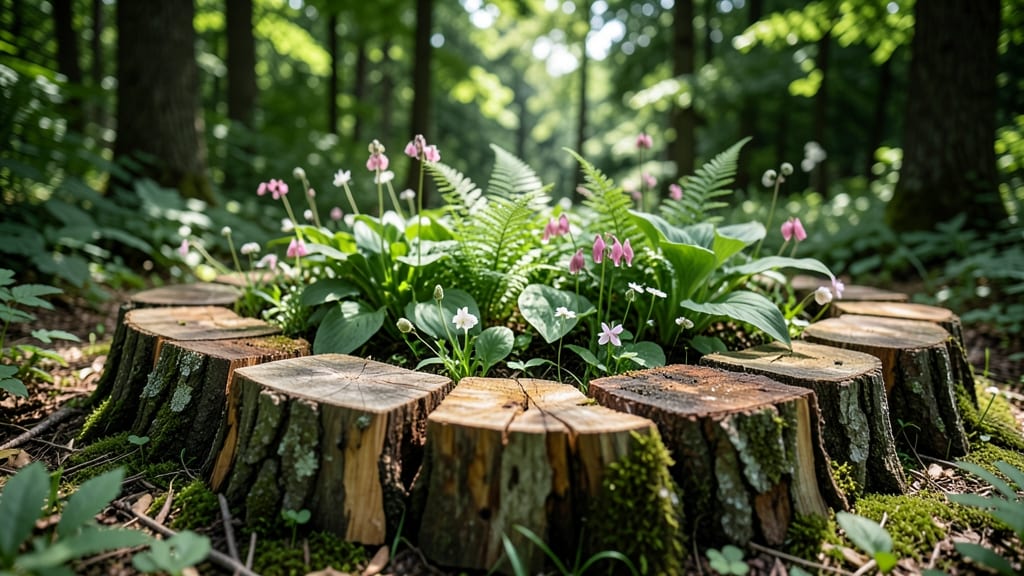
Create a woodland retreat in your garden with log slices—the ultimate zero-waste, rustic edging solution. These natural slices transform fallen branches or cut logs into a charming, organic border that blends seamlessly with forest-inspired gardens, while requiring minimal effort or cost.
Start by cutting logs into 2-4 inch thick slices using a handsaw or chainsaw, then arrange them in a spiral, zigzag, or straight line along your bed’s edge. For durability, apply an outdoor wood sealant to prevent rot, or leave them natural for a wild, untamed look. This method works beautifully with hostas, ferns, or shade-loving perennials, creating a cozy, inviting space that feels straight out of a fairy tale.
Perfect for gardeners who love natural, low-maintenance designs, log slices are ideal for small to medium beds and add warmth to any outdoor space. Plus, they’re a great way to upcycle fallen branches from your yard or local wooded areas! 🌿
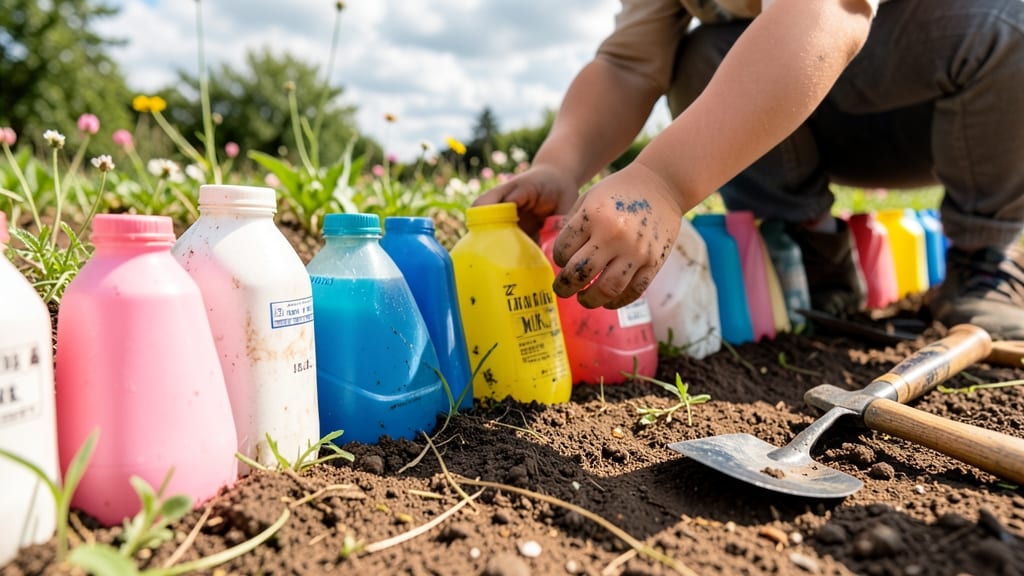
Plastic Milk Jug Edging for Kids’ Gardens

Give your little gardener a creative, hands-on project with plastic milk jug edging—a bright, budget-friendly way to define their flower bed while teaching sustainability. This zero-cost solution transforms everyday household items into a colorful, playful border that’s safe for kids to help assemble.
Start by rinsing and drying empty milk jugs, then cut them into 1-2 inch wide strips using a utility knife or scissors. Let your kids decorate the strips with washable paint or markers before pressing them into the soil along the bed’s edge. For extra stability, secure the bottom with stakes or small rocks. This method works beautifully for sunflowers, marigolds, or other child-friendly plants, creating a cheerful, defined space that grows with them.
Perfect for families looking to combine gardening with eco-friendly crafts, this project is ideal for small beds under 3 feet wide and requires no special tools. Plus, it’s a great way to repurpose plastic before recycling—turning trash into a colorful garden feature in minutes! ✨