
Flowers
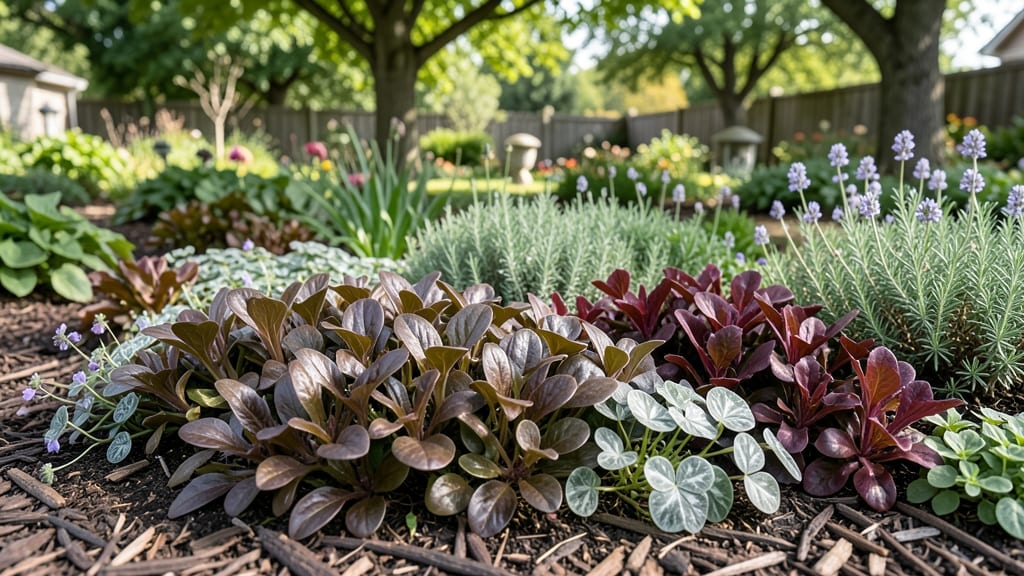
Creating effective flower bed coverage means choosing hardy plants like ground covers, perennials, and annuals that bloom in succession to maintain vibrant color while controlling weeds and preserving soil moisture. Native and drought-tolerant varieties typically require the least upkeep.
Flower bed coverage isn't just about filling space—it's about creating a living ecosystem that thrives with minimal effort. Seasonal bloomers like creeping thyme and ornamental grasses provide continuous color while their dense growth naturally crowds out weeds. Drought-resistant options like sedum and lavender also reduce watering needs by up to 50%, making them perfect for busy gardeners. 🌿 The key is combining plants with different bloom times so your bed never looks bare, even between seasons.
For best results, I recommend starting with a 3-tiered layering approach: place tall perennials at the back, mid-height shrubs in the middle, and low-growing ground covers at the front.
This creates visual depth while ensuring no single plant dominates. Native plants often have the advantage of being pre-adapted to your local climate, which means less fertilizer and fewer pests to manage.
💡 In This Article
- Best Low-Maintenance Flower Bed Plants for Year-Round Color
- Layering Techniques for Optimal Flower Bed Coverage
Best low-maintenance flower bed plants for year-round color
Creeping thyme isn't just a ground cover—it's a workhorse of the garden. This hardy perennial thrives in full sun, spreads aggressively to smother weeds, and produces delicate purple flowers from late spring to early fall.
Its woody stems create a dense mat that retains moisture while resisting foot traffic, making it ideal for pathways or borders. The secret to its success lies in its shallow root system, which captures water efficiently while its aromatic foliage deters pests naturally. 🌿
Sedum varieties, like 'Autumn Joy' or 'Dragon's Blood,' offer another excellent option with their succulent leaves and vibrant blooms. These drought-tolerant plants store water in their thick leaves, reducing irrigation needs by up to 70% once established.
Their deep root systems also improve soil structure over time, creating a more resilient garden bed. Unlike annuals that require replanting, sedums return year after year with minimal care, making them a cost-effective choice for long-term coverage.
Ornamental grasses like fountain grass or blue fescue add texture and movement to flower beds while requiring almost no maintenance. Their airy plumes create visual interest throughout the year, from spring's fresh growth to winter's seed heads.
These grasses thrive in poor soil conditions and often outperform traditional perennials in extreme heat or drought. The key is selecting varieties with clumping habits (like 'Karl Foerster' feather reed grass) rather than spreading types to prevent overcrowding.
For cooler climates, consider hellebores (Lenten roses) that bloom in late winter when few other plants are active. Their leathery leaves provide year-round greenery, while their nodding flowers attract early pollinators.
Unlike many spring bloomers that fade quickly, hellebores often rebloom in fall, extending their seasonal value. Their shade tolerance makes them perfect for understory planting where other coverage options might struggle.
Native plants like black-eyed Susan or coneflowers offer the ultimate low-maintenance solution. These species have evolved with local ecosystems, meaning they require fewer fertilizers and pesticides. Their deep taproots help prevent soil erosion while their long bloom cycles (often 6-8 weeks) provide continuous color.
For example, coneflowers maintain their purple blooms from mid-summer through fall, while their seed heads provide winter interest for birds and wildlife. 🌸
The real advantage of these plants lies in their ecological benefits. Their dense growth patterns create microclimates that regulate soil temperature and humidity, reducing water evaporation. This natural mulching effect means you'll spend less time watering and more time enjoying your garden.
When selecting plants, always check their mature height and spread to ensure they won't outgrow their space—this is where proper spacing (typically 12-24 inches apart) becomes crucial for long-term success.