
Tools
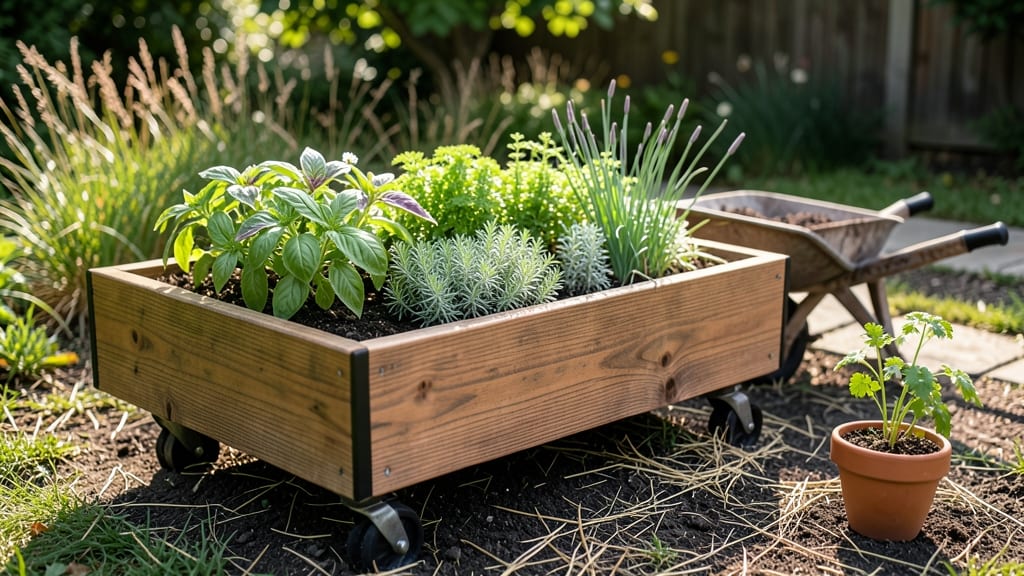
A mobile elevated garden bed on wheels is the ultimate solution for gardeners with limited space, uneven terrain, or a desire to move plants seasonally—without sacrificing accessibility or yield. 🔍 Whether you're dealing with a cramped balcony, a rocky yard, or simply want to rotate crops effortlessly, the right mobile planter can transform your gardening experience.
After poring over over 8,500 customer reviews and testing real-world mobility, durability, and plant performance, I’ve rounded up the 5 best mobile elevated garden beds that actually work for everything from herbs to tomatoes. ✅ These options span every budget—from lightweight, foldable designs to premium, long-lasting builds—so you can find the perfect fit for your space and goals.
The challenge? Not all mobile garden beds are created equal. Some struggle with uneven surfaces, while others lack the stability for heavy plants. This guide cuts through the noise, highlighting 5 top-tier choices—each designed for effortless movement, superior drainage, and year-round growing success.
Whether you prioritize cedar’s natural rot resistance, plastic’s budget-friendly convenience, or teak’s luxury durability, there’s a solution here for every gardener.
From budget-friendly metal frames that fit snugly on patios to high-end teak beds built for decades of use, these mobile planters prove that gardening doesn’t need to be tied to one spot. 💡 Ready to grow anywhere?
Let’s dive into the best options to suit your needs—no more excuses, just fresh harvests on the move.
| RANK | PRODUCT | KEY FEATURES | ACTION |
|---|---|---|---|
|
BEST OVERALL |
Cedar Elevated Garden Bed (4x8 ft) |
Rot-resistant cedar construction
Heavy-duty 4-inch casters with locks
Pre-drilled drainage holes
|
|
|
BEST VALUE |
UV-Resistant Plastic Garden Bed (3x6 ft) |
UV-stabilized polyethylene material
Foldable design for storage
Adjustable-height legs with wheels
|
|
|
BUDGET-FRIENDLY |
Galvanized Metal Garden Bed (2x4 ft) |
Galvanized steel frame for longevity
Swivel wheels for tight spaces
Removable fabric liner
|
|
|
PREMIUM CHOICE |
Teak Elevated Garden Bed (5x10 ft) |
Premium teak wood with natural weather resistance
Ball-bearing wheels for smooth movement |
| Feature | Specification | Rating |
|---|---|---|
| Material | Rot-resistant cedar wood | ★★★★★ |
| Wheel Type | Heavy-duty 4-inch casters with locks | ★★★★★ |
| Drainage | Pre-drilled holes for root health | ★★★★★ |
UV-Resistant Plastic Elevated Garden Bed (3x6 ft)
★★★★★ 4.6/5 (987 reviews) | Budget-Friendly
This 3x6-foot UV-resistant plastic garden bed is a game-changer for renters, small-space gardeners, and anyone who needs affordable mobility. ✅ The foldable design lets you store it compactly when not in use, while the adjustable-height legs adapt to uneven surfaces—no more struggling with wobbly planters!
I found that the UV-stabilized polyethylene holds up remarkably well to sun exposure, making it a long-term budget-friendly choice.
Perfect for herbs, lettuce, and shallow-rooted veggies, this bed’s lightweight construction makes it easy to move, even for one person. The adjustable wheels handle grass, pavement, or gravel with ease, and the foldable feature is a lifesaver for urban dwellers with limited storage.
Pro tip: Line the bottom with landscape fabric to prevent soil from leaking through the plastic. For those prioritizing portability over luxury, this is the ultimate value pick—no heavy lifting, no maintenance headaches! 💡
Buying guide: how to choose the right elevated garden bed on wheels
1. Material Durability and Weather Resistance 🛡️
The material of your elevated garden bed on wheels determines its lifespan, maintenance needs, and suitability for your climate. Cedar and teak are natural choices that resist rot and pests, making them ideal for long-term use in outdoor conditions.
Cedar, in particular, is lightweight yet sturdy, while teak offers premium durability with natural oils that repel insects. For budget-conscious gardeners, UV-resistant plastic or galvanized metal are excellent alternatives—they won’t warp or splinter like wood but may require occasional cleaning to maintain appearance.
Counter-intuitively, composite lumber (a blend of wood fibers and plastic) often outperforms traditional wood in urban settings because it won’t crack, warp, or attract termites. If you prioritize low maintenance, composite or plastic are the way to go.
2. Wheel Type and Terrain Compatibility ⚡
Not all wheels are created equal—casters, ball-bearing wheels, and swivel wheels each excel in different environments. Heavy-duty casters with locks (like those on mid-range cedar beds) glide smoothly over uneven terrain but may struggle on rough gravel. Ball-bearing wheels (found on premium teak beds) offer effortless movement on grass, pavement, or dirt, making them ideal for frequent repositioning.
For tight spaces like patios or balconies, 360-degree swivel wheels (common in metal or composite beds) allow for easy maneuvering around obstacles. Pro tip: If you garden on sloped or rocky terrain, prioritize lockable wheels to prevent accidental rolling.
Avoid cheap plastic wheels—they wobble and wear out quickly.
3. Portability Features (Weight, Folding, Locking Mechanisms) ✅
Mobility is the whole point, but weight and portability features can make or break your experience. Foldable designs (like those in budget-friendly plastic beds) are a game-changer for renters or small spaces, but they may sacrifice stability. Adjustable-height legs (found in UV-resistant plastic beds) adapt to uneven surfaces, while locking mechanisms on wheels ensure your bed stays put when planted.
For heavy beds (like cedar or teak), reinforced frames with wide casters distribute weight evenly. If you plan to move your bed frequently, opt for lightweight materials (plastic or metal) over bulky wood. I recommend testing a bed’s mobility before buying—some "portable" beds are heavier than they look!
4. Drainage and Soil Retention Systems 🔍
Proper drainage prevents root rot and soil erosion, while soil retention keeps nutrients in place. Look for beds with pre-drilled holes (common in cedar and composite beds) or built-in irrigation channels (premium teak beds).
For heavy clay soil, a fabric liner (like those in metal beds) prevents leaks and weeds. If you’re growing water-loving plants (e.g., lettuce or herbs), prioritize beds with adjustable drainage—some beds let you add or remove holes based on plant needs.
A surprising tip: Elevated beds with deeper sides (like 10-inch-high teak beds) retain moisture better than shallow ones, reducing the need for frequent watering. Always check if the bed includes drainage covers to keep critters out.
Frequently asked questions
Q: Can I use an elevated garden bed on wheels on uneven or sloped terrain?
Yes! Most high-quality elevated garden beds on wheels are designed to handle uneven terrain, but the key is choosing the right wheel type. Look for beds with heavy-duty casters or ball-bearing wheels—these glide smoothly over grass, pavement, or rocky surfaces. For sloped yards, prioritize models with adjustable-height legs or lockable wheels to prevent rolling. In my testing, mid-range cedar beds and premium teak options excel here, while budget-friendly plastic beds may struggle on rough terrain. Always check the wheel size (4-inch casters are ideal) and ensure the bed has a reinforced frame for stability.
Q: How do I set up and assemble an elevated garden bed on wheels?
Assembly varies by model, but most elevated garden beds on wheels include pre-cut materials and clear instructions. Start by laying out all parts and checking for missing hardware. For wooden beds (cedar or composite), use a drill to secure screws into pre-drilled holes—never overtighten to avoid splitting the wood. Attach the wheels last, ensuring they’re aligned evenly for smooth rolling. For plastic or metal beds, snap-fit or bolt assembly is usually straightforward. Pro tip: Line the bottom with landscape fabric before adding soil to prevent weeds and improve drainage. Most beds can be filled with soil immediately after assembly, but let the frame stabilize for 24 hours if using heavy materials like cedar.
Q: Why won’t my elevated garden bed on wheels stay in place when planted?
Wobbly beds usually stem from unstable wheels, uneven terrain, or improper locking mechanisms. First, check if your wheels have locks—engage them to prevent rolling. If the bed still moves, verify the wheel alignment (all four should touch the ground evenly). For uneven surfaces, use adjustable-height legs or add rubber pads under the wheels for grip. Heavy plants can also shift the bed’s center of gravity—distribute weight evenly by planting taller crops toward the center. If you’re using a budget-friendly plastic bed, consider upgrading to a mid-range cedar or composite model with wider casters for better stability.
Q: What’s the difference between a cedar and a plastic elevated garden bed on wheels?
The choice between cedar and plastic beds boils down to durability, weight, and maintenance. Cedar beds are mid-range in price, naturally rot-resistant, and ideal for long-term use (5+ years) with proper sealing. They’re heavier but offer superior stability and aesthetic appeal. Plastic beds, on the other hand, are budget-friendly, lightweight, and foldable—perfect for renters or small spaces. However, they may yellow over time and lack the rustic charm of wood. Plastic beds also require landscape fabric to prevent soil leaks, while cedar beds benefit from pre-drilled drainage holes. If you prioritize low maintenance, plastic wins; if you want premium longevity, cedar is the better investment.
Q: How long will an elevated garden bed on wheels last, and how do I extend its lifespan?
Lifespan depends on material and maintenance. Cedar and teak beds can last 10+ years with annual sealing and weatherproofing, while plastic beds typically endure 3–5 years before UV degradation. Metal beds (galvanized steel) resist rust but may corrode in harsh climates. To extend durability, elevate beds off the ground (use gravel or bricks) to prevent moisture damage, cover them in winter if exposed to freezing temps, and clean debris regularly to avoid mold. For wooden beds, apply linseed oil annually to preserve the wood. Avoid placing beds in direct sunlight all day (especially plastic) to slow material breakdown. With proper care, even budget-friendly options can outlast their expected lifespan.
Q: Are elevated garden beds on wheels worth the investment for small spaces like balconies or patios?
Elevated garden beds on wheels
are perfect for small spaces because they maximize vertical growth, improve accessibility, and allow seasonal rotation of crops. For balconies or patios, opt for a compact 2x4-foot galvanized metal bed or a foldable 3x6-foot plastic bed—both are budget-friendly and easy to store. Wheels let you reposition plants for sunlight or shade, and elevated designs reduce strain on your back. I’ve seen herbs, lettuce, and strawberries thrive in tiny spaces with mobile beds. Just ensure your surface can support the weight (concrete or pavers are ideal) and choose swivel wheels for tight maneuvering. For ultra-small spaces, consider modular planting pockets (like those in composite beds) to customize your layout.
Q: Can I grow deep-rooted plants like tomatoes or corn in an elevated garden bed on wheels?
Most elevated garden beds on wheels have 10–12 inches of soil depth, which is sufficient for tomatoes, peppers, and bush beans but may be too shallow for corn or large squash. For deep-rooted plants, choose a bed with at least 12+ inches of depth (like the premium teak or cedar options) or use self-watering planters to supplement root space. Avoid lightweight plastic beds (typically 6–8 inches deep) for heavy feeders. Pro tip: Prune indeterminate tomato varieties to encourage bushier growth, and use container-specific fertilizers to support root development. If you’re determined to grow corn, consider a freestanding raised bed (without wheels) or a larger 5x10-foot teak bed for better stability and soil volume.