
Advice
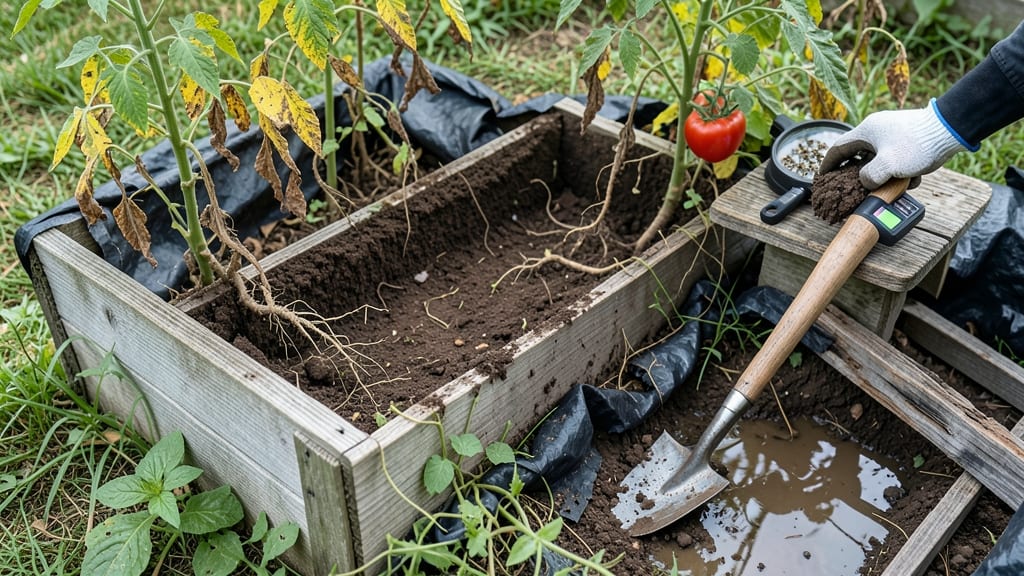
The disadvantages of raised bed gardening include higher initial costs for materials and quality soil, faster soil drying that requires more frequent watering, and potential drainage problems if not properly constructed. Space limitations may also restrict root growth for larger plants, while ongoing maintenance can become more time-consuming than traditional in-ground gardening.
Raised beds expose soil to more direct sunlight and wind, causing moisture to evaporate up to 30% faster than ground soil. 💧 Without proper mulching or irrigation, plants can suffer from dehydration stress, especially during hot summer months.
I've seen gardeners struggle with this when they assume their raised beds will retain moisture like traditional plots—it's a common misconception that leads to overwatering or underwatering. The elevated design also means you'll need to replenish organic matter more often since nutrients degrade faster in exposed soil.
Another overlooked factor is the physical effort required for maintenance. 💫 Larger raised beds can be difficult to reach the center for weeding or harvesting, and heavy materials like cedar or metal frames may need replacement every few years.
I recommend starting with smaller beds (4' x 8') to test your watering needs and maintenance capacity before committing to larger installations. The initial cost savings of DIY construction can quickly disappear when factoring in soil amendments, irrigation systems, and long-term upkeep.
💡 In This Article
- Why Raised Beds Dry Out Faster Than Ground Planting
- Hidden Costs and Long-Term Maintenance Challenges
Why raised beds dry out faster than ground planting
Raised beds lose moisture at an alarming rate because their exposed soil surface creates a larger evaporation zone. Studies show that elevated soil can dry out 20-30% faster than ground-level plots due to increased wind exposure and direct sunlight hitting all four sides.
The key factor is the soil's surface area-to-volume ratio—taller beds have more surface area where water evaporates compared to in-ground gardens where soil is partially insulated by the earth around it.
The dimensions of your raised bed dramatically affect moisture retention. A 4' x 8' x 12" deep bed will dry out faster than a 3' x 6' x 18" deep one because the wider surface area loses water more quickly.
The deeper bed retains more moisture near the bottom where roots access it, but the top layer still dries rapidly.
This is why I recommend adding 3-4 inches of mulch (straw or wood chips) to reduce evaporation by up to 70%—the mulch creates a protective barrier that mimics the moisture-retaining properties of ground soil.
Organic matter in raised beds breaks down faster because it's constantly exposed to temperature fluctuations and oxygen. Compost and aged manure lose their nutrient value 2-3 times quicker than in-ground soil, meaning you'll need to replenish them annually rather than every few years.
This accelerated decomposition also affects soil structure, making it more prone to cracking and losing its water-holding capacity over time. 💧
Another critical factor is the lack of capillary action that occurs in ground soil. In traditional gardens, water from lower soil layers moves upward through tiny pores to replenish the surface.
Raised beds lack this natural moisture transport system, forcing you to rely on manual watering or irrigation systems to maintain consistent moisture levels. Without proper management, plants in raised beds can experience drought stress even when the soil appears damp at the surface.
Consider these moisture management strategies for raised beds:
- Watering schedule: Early morning (before 8 AM) to reduce evaporation loss
- Drip irrigation: Delivers water directly to roots with 90% less waste than overhead watering
- Soil amendments: Add hydrogel crystals that absorb 500x their weight in water
- Shade cloth: 30% coverage reduces evaporation by 25-30% during peak sun
The science behind this involves two key processes: evaporative flux (water turning to vapor) and hydraulic conductivity (water movement through soil). Raised beds have higher evaporative flux due to increased air movement, while their hydraulic conductivity is limited by the lack of surrounding soil mass.
This combination forces gardeners to become more vigilant about water management—something many underestimate when first setting up raised beds. 💫