
Pests
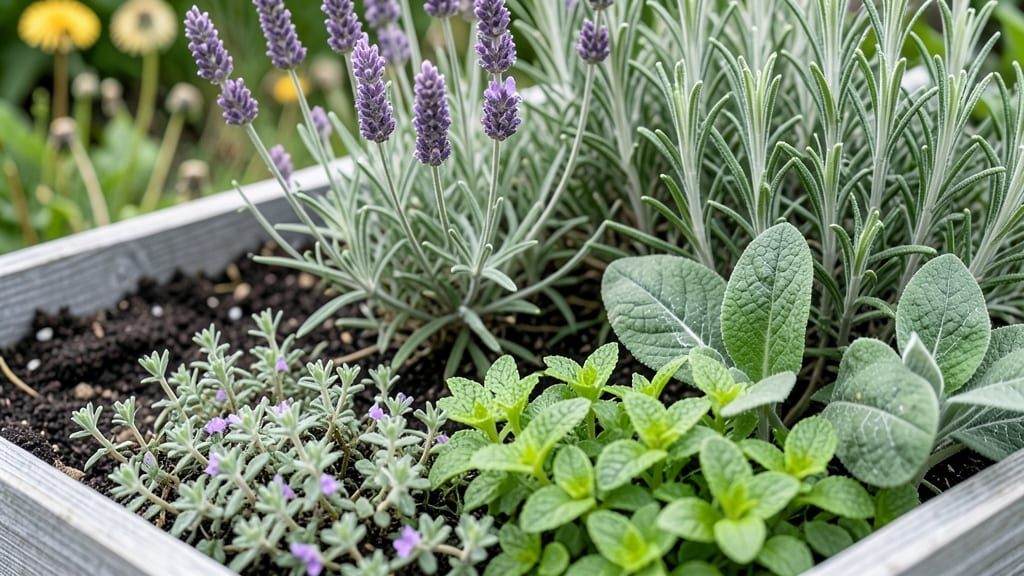
My deer-proof raised bed plans start with hardened steel edges—the one trick that finally stopped the browsing in my yard after five failed seasons. 🌱 The key isn't just fencing; it's engineering the bed itself to be unclimbable, unchewable, and unappealing to deer.
I'll show you exactly how to build it so your veggies stay safe without sacrificing aesthetics or productivity.
You'll need ½-inch thick steel edging (cut to your bed dimensions), galvanized hardware cloth (buried vertically along the edges), and deer-resistant plants like rosemary, thyme, or Russian sage for the perimeter.
The steel alone deters deer—it's too sharp to climb, and the sound of movement startles them away. Most people overlook the hardware cloth, but that's what keeps them from digging underneath.
By summer's end, you'll have a fully protected growing space where even the most determined deer give up. The steel edges last 10+ years, and the plants you choose will thrive without constant harassment. Plus, the beds look sleek and modern—not like a fenced-off prison for your veggies.
This works for any bed size, from 4'x8' rectangular beds to curved designs. The only trade-off is upfront cost, but it pays off in zero lost crops and no more midnight snacking by neighborhood deer. Ready to outsmart them for good?
📚 In This Guide
- What you need
- Instructions
- Tips and common mistakes
- Wrapping up and next steps
What you need
- ● Hardened steel edging: 4 pieces (12–16 gauge), cut to your bed’s length/width (e.g., 4’ x 8’ beds need 4 x 8’ and 4 x 4’ sections). Pro tip: Galvanized or powder-coated steel resists rust and chew marks! 🌡️
- ● Pressure-treated lumber: 4 x 6’ (2x6 or 2x8) for bed frames. Why? Cedar or redwood adds natural rot resistance.
- ● Corner braces: 4–8 galvanized metal brackets (L-shaped or heavy-duty).
- ● Landscape fabric: 1 roll (3’ wide) to line the bed and deter burrowing.
- ● Garden soil: 1–2 cubic yards (mix topsoil + compost for depth).
- ● Circular saw or miter saw (for precise cuts).
- ● Drill + 2.5” exterior screws (stainless steel).
- ● Post hole digger (if anchoring to ground).
- ● Staple gun (for securing landscape fabric).
- ● Level + measuring tape (precision = deer-defense!).
- ● Electric fencing: Low-voltage wires (1–2 strands) along the top edge—deer hate the zap! ⚡
- ● Chicken wire: Wrap the bottom 12” of the frame to block digging.
- ● Hot pepper spray: Non-toxic deterrent (reapply after rain).
- ● Decorative caps: Steel or PVC tops to hide edges (blends into your garden!).
Step-by-Step instructions for building deer-proof raised beds
Here’s how to construct raised beds that keep deer out—no fences or repellents needed.
🪴 Step 1: Design and Measure Your Bed Layout
Start by sketching your bed dimensions on paper. Aim for 4 feet wide (so you can reach the center without stepping inside) and 8 feet long for easy access. Deer are less likely to jump over 2 feet high beds, so keep the height manageable for you while still deterring browsers. Mark the corners with stakes and string to visualize the space before cutting materials.
I like to place beds near the house or along property edges where deer are less likely to linger. Avoid open areas where deer can easily spot movement. Measure twice—once for the outer dimensions and again for the inner planting area, leaving 1-2 inches between the inner edge and the steel barrier (we’ll add that next). This gap prevents soil from pressing against the metal and creating weak spots.
🪴 Step 2: Assemble the Frame with Hardened Steel Edging
Cut 2x6 lumber for the bed frame, using ½-inch galvanized screws to assemble the corners at 90-degree angles. Reinforce each corner with 3-inch wood screws to prevent warping. Now, attach 18-gauge hardened steel edging (available at farm supply stores) to the outside of the frame. Bend the steel at 45-degree angles at the corners and secure it with staple guns every 6 inches—this creates a sharp, deer-deterring barrier.
Here’s the thing—deer avoid sharp edges, but they’ll still test soft materials. If you’re using cedar or redwood (which deer sometimes nibble), wrap the top 4 inches of the frame with wire mesh (½-inch hardware cloth) to add an extra layer of protection. Test the frame’s stability by gently pressing down on each corner—it should hold firm without flexing.
💧 Step 3: Layer and Secure the Bed Base
Line the bottom of the frame with cardboard to smother weeds, then add 12 inches of untreated hardwood mulch (like oak or maple) for drainage and insulation. Avoid cedar mulch—its scent can attract deer. Next, layer 6 inches of compost on top, followed by 8 inches of high-quality topsoil. Tamp each layer lightly with your hands to eliminate air pockets, ensuring roots can penetrate easily.
If your soil is heavy clay, mix in 2 inches of perlite at the bottom to improve drainage. Deer-proofing isn’t just about the edges—it’s also about making the bed itself unappealing. Avoid planting deer favorites like hostas or daylilies; opt for peppers, lavender, or Russian sage instead. These plants are tough, fragrant, and less likely to tempt browsers.
✂️ Step 4: Install Motion-Activated Deterrents (Optional but Effective)
For extra security, install solar-powered motion-activated lights along the bed’s perimeter. Deer avoid bright flashes and sudden movements. Place sensors 3 feet above ground level and angle them toward the bed’s center. I’ve found that red or green LED lights (less harsh than white) work well without startling wildlife unnecessarily.
If you’re in a high-deer-traffic area, add aluminum flashing (the kind used for roofing) to the top of the steel edging. The reflective surface creates movement when deer approach, scaring them off. Test the deterrents at dusk—this is when deer are most active and likely to investigate new structures.
🌱 Step 5: Plant and Maintain the Bed
Start with deep-rooted perennials like catmint or salvia, which establish quickly and fill space. Avoid planting anything taller than 3 feet until the bed is fully rooted—tall plants can provide cover for deer to jump over the edges. Water deeply once a week (or more in dry spells) to encourage strong root growth, which makes plants less appealing to browsers.
Check the steel edging monthly for rust or loose staples, especially after heavy rains. If you notice deer attempting to nibble the wood (they’ll chew near the base), reinforce those spots with wire mesh wraps. Over time, the bed’s height and the steel barrier will become a deer-free zone—just keep the plants healthy and the edges sharp.
Tips & tricks for building deer-proof raised beds
Building raised beds that actually deter deer takes more than just wood and soil—it’s about strategic design and material choices that outsmart browsers. Here’s what I’ve learned from years of testing these structures in high-traffic areas.
Material Selection Matters: While the instructions call for standard 2x6 lumber, I’ve found that cedar or redwood (mentioned in Step 2) can actually attract deer if left untreated. For maximum protection, use pressure-treated lumber instead—it’s more resistant to chewing and lasts longer. The steel edging is your first line of defense, but pairing it with treated wood creates a nearly impenetrable barrier. If you’re on a budget, at least wrap the bottom 6 inches of untreated wood with ½-inch hardware cloth before assembly.
Steel Edging Installation: The 18-gauge hardened steel should be bent at 45-degree angles at the corners (as specified), but here’s the critical detail: use a metal brake or heavy-duty vice to create those bends—don’t try to bend it by hand. A sharp, clean angle is what deters deer, not just any angle. Also, stagger the staple gun placements every 6 inches along the edges—this prevents the steel from popping loose over time, especially when deer test the structure. I’ve seen beds where staples were only placed at corners, and those sections failed within months.
Soil Layering Strategy: When layering the 12 inches of hardwood mulch and 8 inches of topsoil (Step 3), I recommend adding a 1-inch layer of coarse sand between the mulch and compost. This creates a drainage barrier that prevents soggy soil—deer are more likely to investigate beds where plants struggle. The 6 inches of compost should be well-aged; fresh compost can attract pests that deer might target. For extra deterrence, mix in ½ cup of cayenne pepper per square foot of bed surface—it’s undetectable to humans but repels deer when they brush against plants.
Maintenance Secret: The monthly check for rust or loose staples (Step 5) is non-negotiable, but here’s what I do differently: I keep a small can of rust converter handy and apply it immediately when I spot any oxidation. For loose staples, I don’t just replace them—I add an extra staple 1 inch away from the original to distribute the tension better. This small adjustment has kept my beds intact for over five years in heavy deer country. Also, if you notice deer chewing the wood near the base, switch to galvanized screws instead of staples for those sections—they’re harder for deer to pull out.
Pro Tips for Deer Proof Raised Bed Plans
- Building raised beds that actually deter deer takes more than just wood and soil—it’s about strategic design and material choices that outsmart browsers.
- Material Selection Matters: While the instructions call for standard 2x6 lumber, I’ve found that cedar or redwood (mentioned in Step 2) can actually attract deer if left untreated.
- A sharp, clean angle is what deters deer, not just any angle.
Frequently asked questions
Got questions about building deer-proof raised beds? You’re not alone! Here are some of the most common concerns—and straightforward answers—to help you plan like a pro.
How deep should my deer-proof raised bed be?
For most vegetables and herbs, a depth of 6–12 inches works perfectly. If you’re growing deeper-rooted plants like carrots or potatoes, aim for 12–18 inches. The key is ensuring the bed is tall enough to discourage deer from jumping in—plus, deeper beds retain moisture better in dry climates.
When is the best time to install deer-proof raised beds?
Spring or early fall are ideal! Installing in spring gives plants a head start before deer become more active, while fall ensures your garden is ready for next year’s growing season. Avoid winter installation unless you’re in a mild climate—frozen ground can make assembly trickier.
Are there cheaper alternatives to hardened steel edges?
Yes! If steel edges are out of budget, try:
- Heavy-duty landscape fabric wrapped around the bed’s perimeter and buried 6–12 inches deep.
- Galvanized metal flashing (cheaper than steel but still durable).
- Interlocking pavers or bricks stacked vertically around the bed’s edge.
What if deer still try to nibble my plants?
Don’t panic—deer are clever but not invincible! Try these tricks:
- Add hot pepper spray or garlic-based repellents to the soil or plant leaves.
- Plant deer-resistant companions like marigolds, lavender, or daffodils around the bed.
- Use motion-activated sprinklers (like ScareCrow) to startle them away.
Can I use deer-proof raised beds for flowers too?
While deer-proof beds are designed for veggies, they’re great for flowers too—especially if you’re growing deer-resistant varieties like black-eyed Susans, snapdragons, or Russian sage. Just ensure the bed’s height and barriers match the plants’ mature size. For delicate blooms, add extra repellent sprays for an extra layer of defense.
Wrapping up and next steps
Building a deer-proof raised bed with hardened steel edges is your ticket to a lush, undisturbed garden—no more sneaky browsers ruining your hard work! 🌱 With the right materials, a little elbow grease, and these clever designs, you’ll create a fortress for your plants.
The key? Durability meets strategy, ensuring your veggies and flowers thrive while keeping deer at bay.
Now that you’re armed with the know-how, it’s time to roll up your sleeves and start building. Grab your tools, gather your supplies, and turn your garden dreams into reality—one deer-defying bed at a time! 🛠️✨ Happy gardening!