
Vegetables
DC garden zones primarily fall within USDA Hardiness Zones 7a and 7b, with some areas reaching 6b or 8a due to elevation and urban heat variations. This classification helps gardeners select plants that survive DC’s seasonal extremes, from early springs to late frosts.
Understanding DC’s garden zones means accounting for the city’s unique climate quirks. The urban heat island effect pushes temperatures higher in downtown areas, while higher elevations like Rock Creek Park may experience cooler microclimates.
This variability means gardeners in Anacostia might plant slightly later than those in Georgetown, even though both fall within the same broad zone. 🌿 For example, a zone 7a plant like peonies thrives in most of the District, but delicate perennials may need winter protection in colder pockets.
Nearby areas like Arlington, VA (7b) or Alexandria, VA (7a-8a) share similar zones, but DC’s dense urban environment creates more localized differences. The USDA map provides a starting point, but real-world conditions—like late spring frosts or summer humidity spikes)—often require adjustments. That’s why many DC gardeners keep a frost calendar and monitor local weather patterns to fine-tune planting times.
💡 In This Article
- How DC’s Climate Affects Garden Zone Classification
- Best Plants for DC’s Hardiness Zones 6b-8a
How DC’s climate affects garden zone classification
DC’s garden zones aren’t just about latitude—they’re shaped by a complex interplay of urban heat and elevation. The urban heat island effect raises temperatures in concrete-heavy areas like downtown by 5-10°F compared to rural outskirts.
This means a zone 7a plant in Capitol Hill might struggle in a cooler zone 6b pocket near Rock Creek Park, where nighttime temps drop faster due to higher elevation (200+ feet above sea level).
The USDA map accounts for this by averaging long-term data, but local variations can be dramatic—like the 15°F difference between a rooftop garden in Navy Yard and a shaded yard in Cleveland Park. 🌡️
The District’s microclimates create planting puzzles. For instance, Anacostia sits in zone 7a but experiences later last frosts (mid-April) than Georgetown (early April) due to river proximity.
Water bodies delay spring warming by 1-2 weeks, while paved surfaces in H Street NE can bake soil to 100°F+ in summer, stressing heat-sensitive plants.
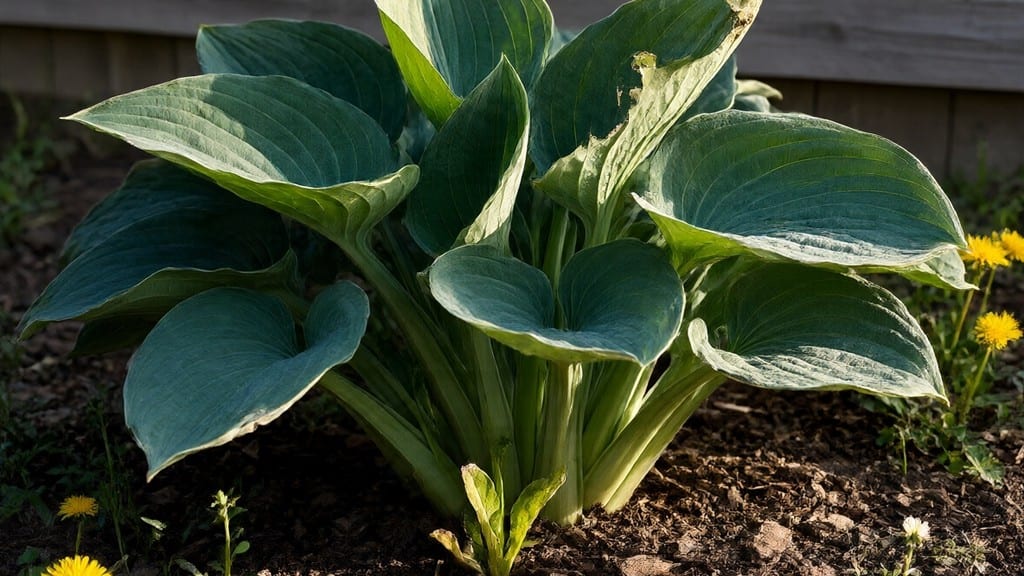
Even within 1-mile of each other, gardeners may face 3-zone differences—a critical detail when selecting perennials like hostas, which thrive in zone 7b but may die back in zone 6b winters.
Comparing DC to neighbors reveals deeper patterns. Arlington, VA (7b) enjoys 10-14 days longer growing seasons than zone 7a areas in DC, thanks to less urban density. Meanwhile, Alexandria (7a-8a) benefits from the Potomac’s moderating influence, with fewer sub-20°F nights than inland DC.
These shifts explain why camellias (zone 7b+) flourish in Alexandria but need winter wraps in zone 7a DC yards. The key? Local frost data—DC’s average last frost date (April 15) can vary by 10 days between neighborhoods. 📅
Seasonal extremes further complicate zone definitions. DC’s humid subtropical climate brings 90°F+ summers that stress heat-sensitive plants, while polar vortex events can plunge temps to -5°F—colder than zone 6b’s threshold. This is why zone 7a gardeners often mulch heavily (3-4 inches) or use burlap wraps for young trees.
The USDA’s zone map doesn’t capture these anomalies, which is why DC gardeners rely on hyperlocal tools like the National Weather Service’s CoCoRaHS network for real-time adjustments.
What most overlook is how wind patterns amplify these effects. The prevailing southwest winds funnel cold air into low-lying areas like Eastern Market, creating zone 6b-like conditions even in 7a territory. Conversely, north-facing slopes near Meridian Hill can stay 5°F warmer in winter due to reflected heat.
These nuances mean a zone 7a plant like lilacs might bloom 2 weeks earlier in a south-facing yard than in a shaded microclimate. 🌬️
To navigate this, DC gardeners use a three-step approach: start with the USDA zone, then adjust for microclimate (elevation, water, urban density), and finally track local frost dates. For example, serviceberry bushes (zone 4-7) thrive in zone 7a DC but may need winter protection in zone 6b pockets.
The takeaway? DC’s zones are a starting point, not a rulebook—flexibility is the real secret to success. 🌱